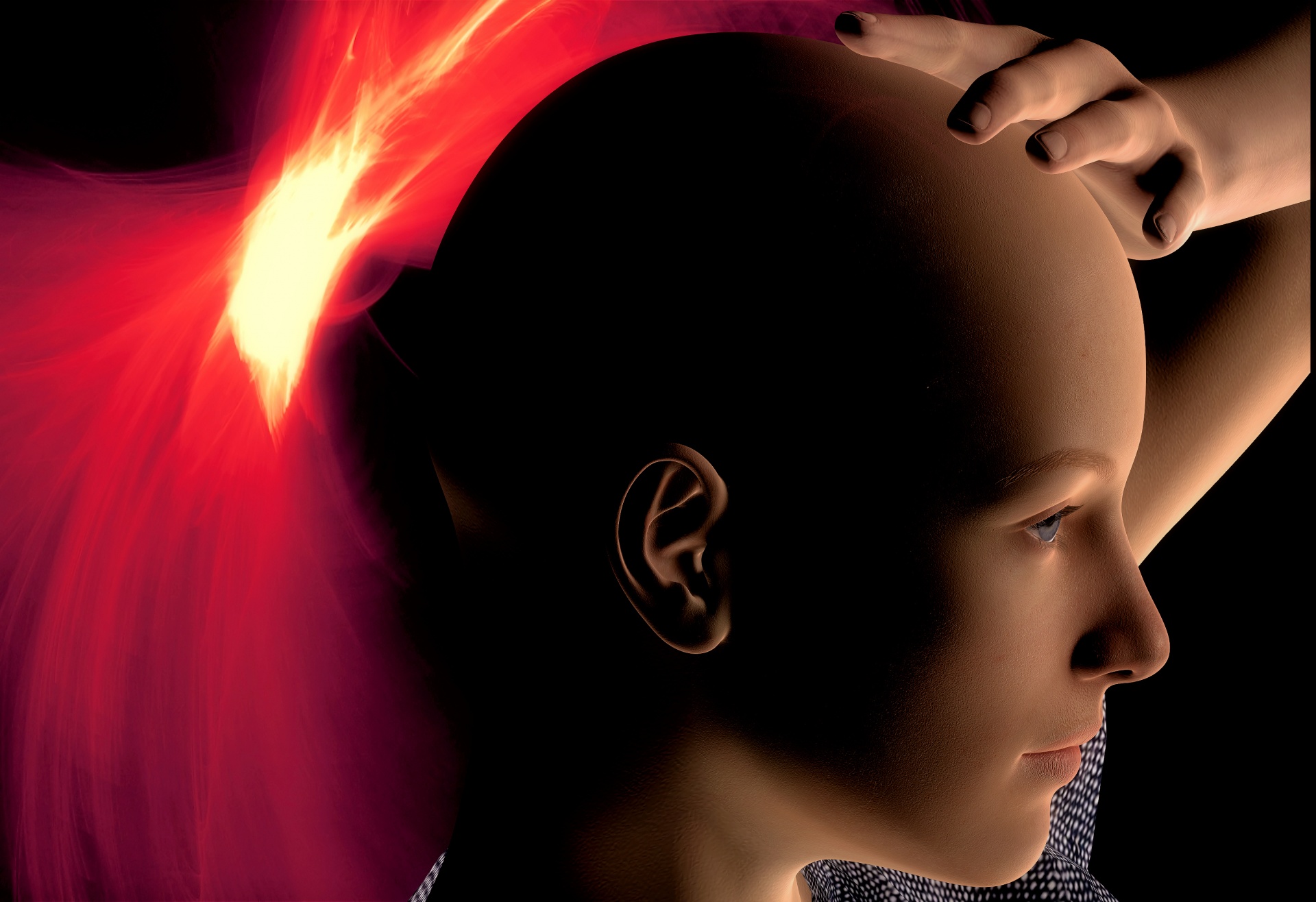
To cry is a pill


Seated alone counting on your losses, sometimes it's better to cry
Cry aloud from the top of your lungs and feel it no more.

It's better to scream, it's better to shout, it's better to yell and set free your whole
But it's faulty to wear the garments of pains and sorrows under your long going sleeves, grief! it hurts.

Cry is the filter that flushes out the pains clustered in your heart, causing headache
And I see grief as a catcher that condenses a bundle of pains inside the heart, causing suffocation, constipation and heartache

It doesn't tell how weak you are, cry
It doesn't prove that your eyes are filled with tears, no!
It doesn't tells the world that you're living in fears, no!

It's a therapy of no cost, and another way of telling  emotional stories, yes!
It tells the world how strong you are, cos weak vessel never cries, yes!

Cry is a pill, you'll get up and move after a cry
It's better to cry
And I see grief as an ill, it hurts a lot
You must be endowed with heart attacks,
sleeping with grief.

Tears were meant for crying, cry aloud cry them out, cry like you dare it
Your heart was built for beats and channeling free flow, grief not, cos cry is a free gift.


About the Author

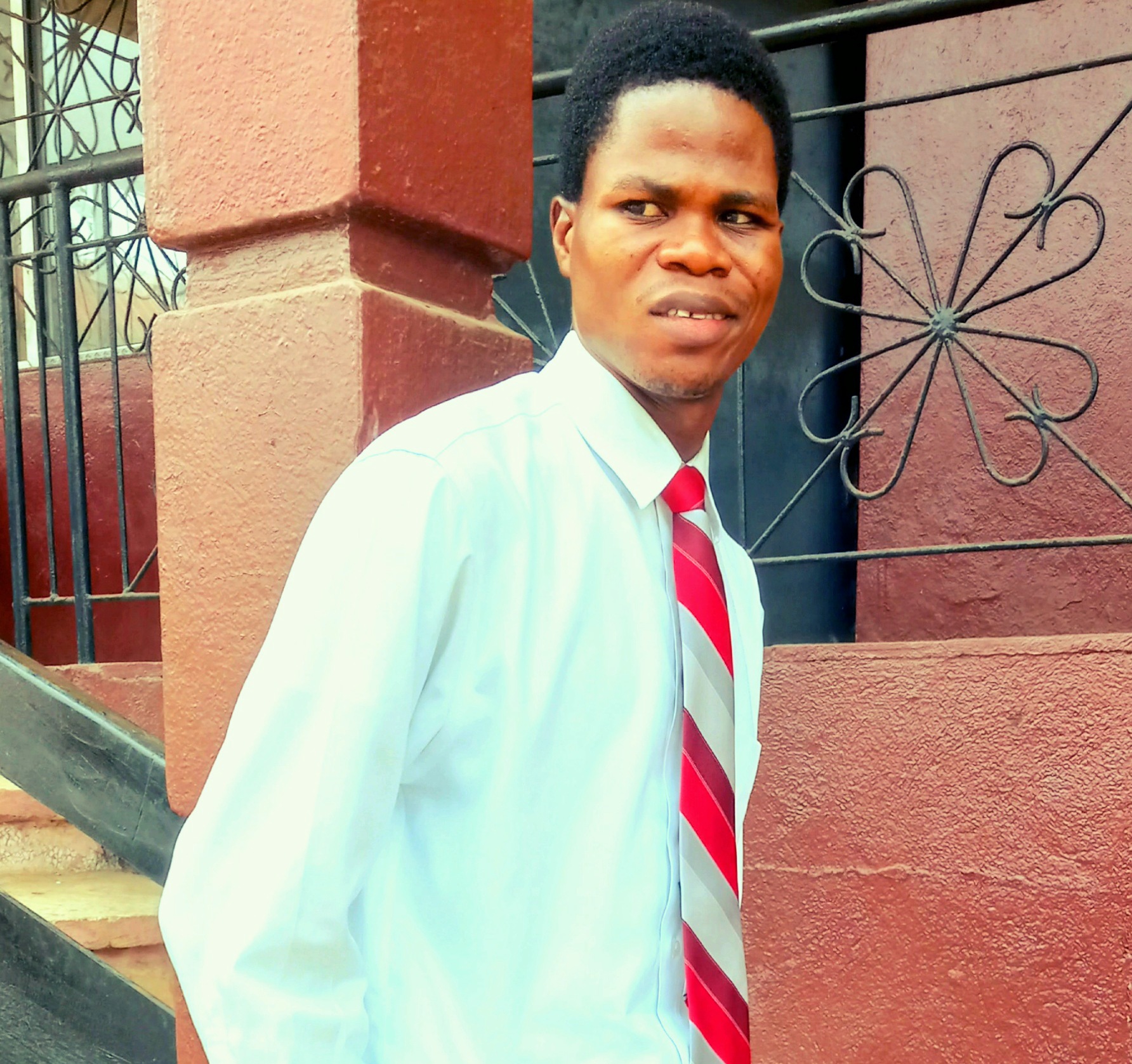
My name is George Siaway Karnea Boakai, With a pen and well known name Compoze.
I was born on April 29 1995 in Ghanta city Nimba County Liberia.
I am a freelancer, a poet, a story teller, a song writer, a singer, a rapper and an aspiring Anthropologist.
I starting writing since I was a kid, but I recognized that I am a writer in the year 2018.

Poetry is the mirror that I see myself into on a day to day basis, it is the way I tell my millions of stories to the world.
Poetry is one of the many ways I tell about my County Liberia and its long years of civil unrest to the world, it is the way by which I want to be heard and read about.
Confession Lines

In this poem
I’m just a shy girl
Trying to say stuffs
That has never parted
My lips before

So sorry if my words
Are blushing like how
My face blushes
Every time I see you

I know you don’t see it
But my eyes wander
Around with eagerness
At the sound of your name

And the sweetest worst
Part of it all is my heart
Skips a beat every time
Your hand lands on mine

Just this one touch from you
My body trembles and yearns
That you do it all over again

That’s why I’m letting my feelings
Flow freely like how the river
Flows in to the ocean

But I hope mine flows
Down the walls of your heart
After all the heart understands
The language of the heart
Aminata Talawally is an emerging writer from Liberia. She is a secondary student. Her ambition is to become a software engineer and also a great writer. Most of her poems surround love, life, pain, etc..
One-percenter

Let me decide
for myself
if success is as empty
as they say
and I will let you know
if dating a Swedish model
in the French Riviera
is vapid and will
rapidly lead to
my soul's decay
and when my
pretty bank teller
sees my current balance
and her pupils start dilating
don't tell me this
won't feel like
a spiritual awakening
because I have been
chasing that star-studded
gold-leafed, sugar-coated
gift-wrapped, jackpot
since I was old enough
to watch
the Beverly Hillbillies
on TV
so don't you even try
to stop me from
sipping on some
good ol' Texas tea


Lonesome Dove

I don't share
my life with
one particular
person in the
traditional sense
instead I have built
an amazingly effective
invisible fence
that keeps my dogged
pride from running away
from this private property
and possibly getting run over
and once in a great while
I let in the unexpected
visitor who happens
to be in the area
and just thought
they'd stop on by
and we have
cookies and coffee
and when they leave
I wave goodbye
as their car
pulls out of the drive
while holding my
caged heart
yet it somehow
escapes like
a parakeet
into the skies
and that's when
I remember that
time flies


Spring Cleaning

I still saved
everything you
gave me
and I have
stored all that
nothingness
in an empty room
in the attic of
my consciousness
next to undeveloped
negatives of what
could have been
positive
if only you
could have lived up
to the hype
of being
what I wanted
so much
but can now
live without
I guess
that is what
dandruff and dust
is all about


Hook Up

It's official
this whole
thing is superficial
and based solely
on mutual distraction
from emotional depth
or even worse
spiritual meaning
because sometimes
it's fun to downgrade
expectations and indulge
in soft-core
consensual conversation
consisting of
nonintellectual innuendo
and zero love
so tomorrow
don't even wait
for my text
instead when you
think of me
just whisper the word
"next"


The Big Comeback

I was
once beautiful
respected far and wide
the toast of the town
considered the next big thing
expected to stay on top
traveled first class
pursued by women and the press
mentioned in the tabloids
paid handsomely
young as roses in bloom
whispered about in certain circles
the life of parties uptown and down
loved to the moon and back
dressed in Versace
with both parents alive and proud
now I'm
living in a modest home
walking like a zombie at a local Mall
disappearing into a crowd
learning old friends have become somebody
driving while listening to 80s music
lost in fantasy at the pharmacy
a has-been who would-be if could-be
and yet just offered a major new contract
given a new lease on hope
checking with a lawyer if this is
too-good-to-be-true
assured this is a legitimate opportunity
pinching myself to make sure it isn't just a dream
not even worried if this time it will or will not last
just ready to once again kick fame and fortune's ass
Ivan Jenson is a fine artist, novelist and popular contemporary poet. His artwork was featured in Art in America, Art News, and Interview Magazine and has sold at auction at Christie’s. Ivan was commissioned by Absolut Vodka to make a painting titled Absolut Jenson for the brand’s national ad campaign. His Absolut paintings are in the collection of the Spirit Museum, the museum of spirits in Stockholm, Sweden. Jenson’s painting of the “Marlboro Man” was collected by the Philip Morris corporation. Ivan was commissioned to paint the final portrait of the late Malcolm Forbes. Ivan has written two novels, Dead Artist and Seeing Soriah, both of which illustrate the creative and often dramatic lives of artists. Jenson’s poetry is widely published (with over 600 poems published in the US, UK and Europe) in a variety of literary media. A book of Ivan Jenson’s poetry was recently published by Hen House Press titled Media Child and Other Poems, which can be acquired on Amazon. Two novels by Ivan Jenson entitled, Marketing Mia and Erotic Rights have been published hardcover. His website is: http://www.ivanjenson.com
Ivan Jenson’s thriller “The Murderess” is now available hardcover and as an eBook on Amazon. Ivan Jenson’s new thriller, “The Widow” will be released in March 2022.
By Chinese Poet Yuan Hongri

Translated by Yuanbing Zhang


Every Giant Looks Like Another Me


There is a colossal ship in my golden state from outer space,

sometimes it visit me in dreams,

take me to the interstellar city of giants.

Where there is my tomorrow's new home–

the streets are covered with multicoloured gems,

the words of giants sounds like the music;

the gigantic buildings are the works of the Gods,

let you forget yesterday's self in an instant.

The whole giant city is your own garden,

and every giant looks like another me.

07.10.2020


每一个巨人仿佛另一个自己


我天外的黄金之国有一艘巨轮

有时在梦境把我访问

载我去星际的巨人之城

那儿是我明天的新的家园

街道上铺满了五色的宝石

巨人们的话语仿佛乐曲

一座一座巨厦是天神的作品

让你刹那间忘了昨日的自己

那整座巨城是你自己的花园

而每一个巨人仿佛另一个自己

2020.07.10


The Paradises From Outside Time


The heavenly flower from paradise on my palm

make the wine of time twinkle with a smile of dawn.

When the ancient in your bones play Guqin leisurely,

you will see the prehistoric self, who riding like the wind–

 the mountains will be transparent and greet you ,

the rivers will be mellow, as if they are surrouned with the jade belts.

There are a great many golden palaces on the clouds,

where there are your paradises from outside time.

07.10.2020


时光之外的乐园


我手掌上这朵天国之仙葩

让时光之酒闪烁黎明之笑容

当你骨骼里的古人丁丁而弹琴

你看到了乘风而行的史前的自己

群山透明向你致意

河流芳醇如玉带萦绕

在云朵之上有巨多的金殿

那儿是你时光之外的乐园

2020.07.10


There's A Much Larger World in The Body


There's a much larger world in the body

this is the secret that the ancient sages has told you.

Listen to the light pass through your body and play Guqin in your bones

noticed an old man, who was 30000 years old ,sitting in a palace on the mountains top.


There is an island in the depths of the ocean,

the goddess was so brilliant before the world had been born.

Her eyes will make you to forget the sadness,

for an instant, take you through those free and unfettered days outside.

05.12.2020


在身体里有一个更大的世界


在身体里有一个更大的世界

这就是古代圣人告诉你的秘密

倾听光线穿过你的身体在骨骼里弹琴

看到一个老人三万岁了坐在山巅的一座宫殿


在海洋的深处有一座小岛

那位女神在世界诞生之前就如此灿烂

她的两只眼睛会让你忘了忧伤

一瞬间带你穿越那天外逍遥的日子

2020.05.12


The World is just A Lie


The world is just a lie,

truth is on the other side of the world.

We can neither see the light of time

nor know that everything is a shadow on the running water.

There is another me on another planet,

you have never been born or died.

When the maze becomes transparent, the door of time-space opens,

you will shake hands and smile with the giant in the heavens.

The words are both music and the epic of the soul,

Telling you that the palaces of outer space are incomparably lofty,

as if they are as endless as the mountains of gold.

 03.17.2020


世界只是一个谎言


世界只是一个谎言

真理在世界的另一面

我们看不到时间之光

不知道一切只是流水之上的影子

另外的星球上有另外的自己

你不曾出生也不曾死去

当迷宫透明时空之门敞开

你将和那天上的巨人握手微笑

那词语是乐曲也是灵魂之史诗

告诉你天外的宫殿无比的巍峨

如黄金之山岳连绵而无际

2020.03.17


Bio: Yuan Hongri (born 1962) is a renowned Chinese mystic, poet, and philosopher. His work has been published in the UK, USA, India, New Zealand, Canada, and Nigeria; his poems have appeared in Poet's Espresso Review, Orbis, Tipton Poetry Journal, Harbinger Asylum, The Stray Branch, Pinyon Review, Taj Mahal Review, Madswirl, Shot Glass Journal, Amethyst Review, The Poetry Village, and other e-zines, anthologies, and journals. His best known works are Platinum City and Golden Giant. His works explore themes of prehistoric and future civilization. Its content is to show the solemnity, sacredness and greatness of human soul through the exploration of soul.


Yuanbing Zhang (b. 1974), who is a Chinese poet and translator, works in a Middle School, Yanzhou District , Jining City, Shandong Province, China. He can be contacted through his email- 3112362909@qq.com.

Phone:+86 15263747339 Email:3112362909@qq.com

Address:No.18 middle school Yanzhou District ,Jining City, Shandong Province, China  Yuan Hongri
Welcome to March’s issue of Synchronized Chaos! This month’s theme is in honor of the first Lit Hop in the city of Hayward, just east of San Francisco.
All are welcome to attend this multi-venue literary reading on Saturday April 30th, coinciding with Hayward’s first youth poet laureate award ceremony. Several Synchronized Chaos contributors will read from their work.
Due to the huge size of this and last month’s issue, Synchronized Chaos will experiment with going biweekly this spring. We’ll put out issues on the 15th and the last day of each month to make the issues more manageable while still showcasing all of the thought-provoking work we receive.
Also, we acknowledge the heavy state of the world right now and stand with those around the globe who need our support. We encourage you to donate copies of your books to organizations serving refugees or perform in benefit readings or contribute how else you can to those affected by war. Project Smile, founded by two teen brothers, accepts handmade and handwritten cards of encouragement as well as gently used books of all sorts. Information on them and how to donate here.
Also, here are some Ukrainian cultural and literary publications if you wish to support them with contributions.
Now, for this issue. Many pieces reference transformation, or the need for it. Writers and artists contemplate hopes, dreams, and aspirations, creative and healing leaps forward into the future.
Mahbub renders the beauty of memory and contemplation in lush, calming pastoral poems while Benyeakeh Miapeh speaks of a gentle connection with nature. Tranquil lakeside scenes pull E.J. Evans into curiosity about worlds beyond his own, whether the lives of other species or children’s futures.
Lori Minor turns to nature for brief, mayfly-like haikus observing her feelings. Abdulrazaq Salihu links his family’s migration to ecological dispersal and evolution while Michael Hough and Christina Chin’s collaborative work explores the love and curiosity caterpillars may feel watching their companions metamorphose to butterflies.
Ivan S. Fiske seems to choose, or at least find, happiness by reflecting on his ancestors’ escape from slavery, although depression seems always nearly at hand. James T. Whitehead questions whether people can change. Can we overcome our addictions, can we “grow” ourselves like topiary plants, by means of willpower, therapy, or contemplation?
Mario Loprete preserves his clothing from Covid-19 quarantine into concrete, representing our being trapped and held back by the disease while also serving as an act of hope, creating artifacts that will outlast us and represent us far into the future.
Jake Sheff references and quotes thinkers from centuries past while mulling over autumn wind, cheese, rivers and human nature in grassy Oregon. Tareq Samin honors the diverse expressions of human lives and cultures throughout history. As in Sheff’s and Culp’s work, all people, regardless of race or social status, exist as part of a greater whole.
Karol Nielsen contributes postcard vignettes from her world travels, while Pathik Mitra comments on world inequality in a powerful piece, reflecting on individual lives within a global framework.
Stark Hunter presents a panoply of dreams and nightmares, enveloping his family history within his subconscious. Gabriel T. Saah compares his dreams to his children, beautiful creatures pulling him into the future with their beauty. Jean Eureka celebrates the beauty of future dreams while staying aware of the nightmare of potential ecological destruction, while Elbov Kulmonov honors both his dreams, whether realistic or not, and his connection to his native Uzbekistan.
Yusuf Salisu Muhammad laments violence, poverty and corruption in his native Nigeria while also celebrating a special woman in his life, while Ahmad Al-Khatat mourns a generation of young people displaced or killed in wars. Amos Momo Ngunbu portrays the ugliness and dehumanization of slavery and its legacy in cultural memory. Adamu Yahuza Abdullahi elegizes losses to war and violence through the eyes of a young man whose grief lingers while he’s alone with sunlight and nature.
Ananta Kumar Singh ponders the way love gone bad can cause people to take leave of reality. Chukwuma Eke Pacella grieves over a lost father in a poignant poem on divorce from a child’s point of view while Jelvin Gibson evokes the deep sorrow of child abandonment and the strength of survivors of that plight. Raafia Shaheen comments on how domestic violence disfigures people and relationships. Depicting the angry stage of grief on a personal level, Moustafa Dandoush’s piece from a scorned lover urges the past partner to begone forever.
Alan Catlin shares his personal, yet culturally infused, memories, illustrating how the cultural subconscious seeps into his own. Pesach Rotem humorously compares his own ordinary life, and the everyday apple, to high culture and pop culture images. While he may never become a “mean ol’ daddy,” he has taken a worthy journey.
Debarati Sen draws upon the imagery of nature and time to convey how she regrets being so far away from a lover. Oona Haskovec infuses her depression into toast, turning a piece on preparing food into a meditation on existential grief while Aloysius S. Harmon renders psychological anguish into visceral sensory images. Steven Jarrell Williams and Emmanuel G.G. Yamba affirm the dignity and rightful place of sorrow in our lives, whether over one’s own condition or the state of the world. Tears deserve to be acknowledged as much as laughter and intellectual eloquence.
Tali Cohen Shabtai asserts her desire to be heard, for her words or her silence, and of understanding and re-constituting a fragmented identity.
Mark Young fragments words and phrases, lines and shapes, into a symphony of color, while Nathan Anderson shreds words into syllables that he repeats and plays with on the page. Patricia Doyne mocks the ignorance of world leaders with a satirical piece on the “gazpacho police,” illustrating what happens when language and ideas break down in the public sphere. Christopher Bernard pokes fun at overwrought Parisian intellectuals in his piece, satirizing the stultifying effects of too much knowledge while Doyne finds humor in its lack.
Hongri Yuan’s poetry, translated from Mandarin by Yuanbing Zhang, brings us back to the idealism of the first submissions mentioned, recollecting a timeless and glorious metaphysical state for humanity. Mehreen Ahmed’s short story also addresses the human condition, evoking the tension between creature and creator, the natural and the artificial. Nahid Gul also explores creation, but in a more positive vein with a parable about a young writer discovering her confidence.
As we can see, many people from a wide variety of backgrounds have all found their voice in this issue. We hope that this issue will build your confidence and encourage your own creative efforts.
The Weeping Poet

The weeping
poet is
not weak

we
have
the strength

to tell
the wonderment
of truth

in all of its beauty
before
we lose it

to those
that want
to outlaw
tears.