Poetry from Mykyta Ryzhykh

MASQUERADE

 using AI

Talem was someone who had once forgotten his own name. He lived in a city where names could be changed as easily as shoes: one in the morning, another in the evening, a third in dreams. The city had no name, or rather, it had all of them at once.

One evening, when the shadows from the streetlights grew thicker than the lamp posts themselves, Talem found a letter at his doorstep. The envelope was black as the ash of a burned book and warm to the touch, as if it had only just been held. Inside was a card, inscribed with silver writing:

INVITATION TO THE GREAT MASQUERADE

Location: The Hall Between Times

Time: When the clocks stop

Bring your mask with you. Or let it find you.

He didn’t remember agreeing to anything, but he was already on his way.

The Hall Between Times was a glass palace, standing in a place where the city ceased to be real. The walls reflected not faces, but possibilities: you could see who you might have become if you had chosen differently. Or whom you had lost by choosing as you did.

Talem was not alone. He found himself among the guests, each wearing a mask — strange, alive, breathing. Some wore the faces of lion-headed beasts, others had the likeness of hawks, some bore golden tridents, while others had six eyes. The masks moved, shifted, as if they were worn not by humans, but by beings with their own life.

Talem wore a blank mask — smooth, like a mirror’s surface. He had received it from a random street vendor as he passed by. The man had said:

— Here, this is it. Without this, you won’t get in.

He felt like an outsider, as if he were a mere shadow against these vivid faces. But that was the point.

He met three of them.

First was Horus, the Egyptian god of the sky. His mask was made of pure gold, with falcon eyes that blazed like the sun. He stood by the window, watching the clouds slowly move, not in a hurry.

— I lost my father’s throne, — he said. — And now I know: the truth cannot be found when it disappears with every glance.

Talem said nothing.

Next was Kali, the destroyer of illusions. Her mask was made from a tangle of skulls and serpents, and she seemed both wild and merciless. Her hands were many, each holding a lotus, a sword, or a bone.

— I do not kill bodies, — she said. — I destroy lies. I become what your soul hides. Look at me, and you will see what you hide. Put on my mask — and you will see what remains of you.

Then came Odin, the god of wisdom and war, his mask made of horns and raven feathers. His gaze was penetrating, as if he knew what would happen to everyone in this hall a thousand years from now.

— I gave up sight for wisdom, — he spoke. — But now I don’t know what to do with it. No matter how much you know, the answer is always hidden in another question. Are you ready to find that question?

But Talem did not take any of their masks. He simply remained silent, listening to their words, which seemed to grow emptier with each passing moment.

The next gods approached.

On the balcony, far from the rest, stood Tlaloc, the Aztec god of rain, wearing a mask of jade. He laughed, but his laugh sounded like a storm, a prelude to disaster. His fingers slid through a bowl filled with water.

— People call me good when they desire rain. And evil when I bring floods. Are you ready to be the one who no one understands? The one who is both condemned and exalted at the same time?

Then in a corner appeared Ereshkigal, the Sumerian goddess of the underworld. Her mask was made of burnt clay, with eyes that seemed to peer into eternity.

— I was once the sister of the sky, — she whispered. — Now I lie beneath the earth. Are you ready to consume darkness? To be the one who never sees the light?

But even she did not tempt Talem to wear her image. Instead, he approached one corner of the hall, where stood the Nameless — a god whose name had never been known. His mask had no eye sockets, and his face was just a dark void.

— Who are you? — asked Talem.

— I was a god, but I was forgotten. My name no longer echoes in prayers, but perhaps you know me. I am the one who is never remembered but always present. I am the future of all gods, even if no one remembers us.

Talem was silent once again.

At midnight, when all the clocks in the Hall Between Times stopped, the Exchange began — an ancient ritual in which the gods could leave their masks. And the mortals could take them, to become what they were not.

Talem felt the weight of many hands before him, each holding a mask, each offering a promise.

— You are empty, — said Kali, extending her mask. — But this emptiness can be anything. Fill it with me, and you will become the one who destroys illusions.

— Or become mine, — said Odin, holding out his mask, full of wisdom and loss. — Become the one who sees, but cannot close his eyes.

— Are you ready to be the one who gives everything and takes everything away? — asked Tlaloc, his mask flashing like rain in the light.

Talem stood in the center of the hall, feeling their eyes on him, the weight of these possibilities. But he did not move. He simply looked at them.

— All of you fear emptiness, — he said softly. — But I do not fear it. I do not want to be someone I do not know. I do not want to wear a mask. I am a human. And I choose to be empty, but real.

He took off his blank mask and placed it on the floor.

A silence settled over the hall, like a cloud that absorbs the light. The gods were silent. They did not speak, but there was something new in their eyes. Fear. Respect. Understanding.

Talem turned and left. Behind him, the gods remained, once again locked in their masks, which now seemed not alive, but simply dust in the air.

When he stepped outside, the morning was already knocking at the city windows. He walked, and the world seemed the same. But Talem knew: now, he was just a human. And that was enough.
Poetry from Nidia Garcia

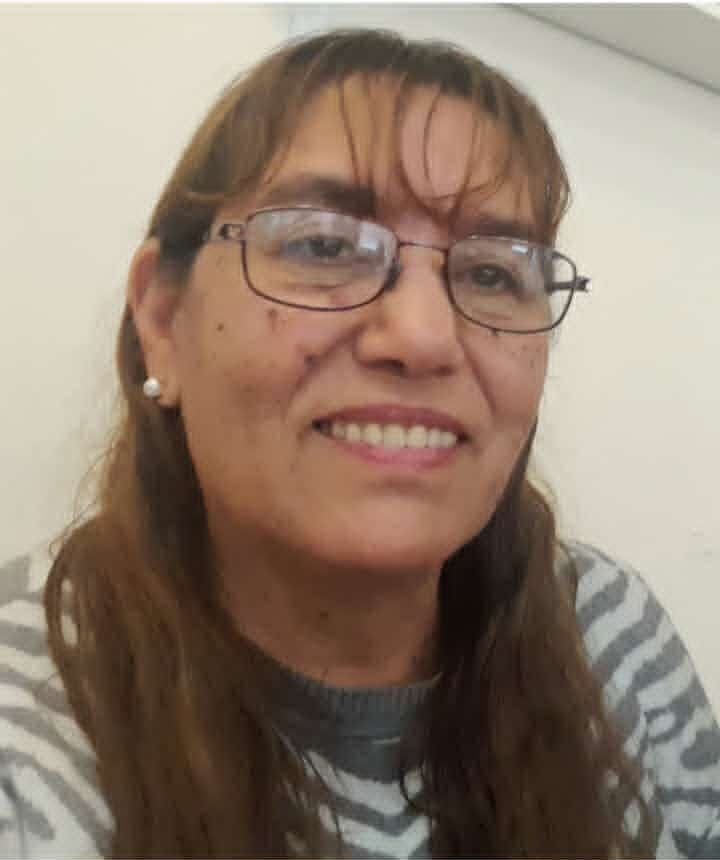
Young European light-skinned woman with brown hair and bangs and reading glasses.

LET’S  PLANT A TREE

Let’s plant a tree

Deep in the earth

This gives pure air

It’s my greatest wish.

We can participate

And almost without realizing it

Take care of our land

So that we can enjoy

the National Parks.

Like the finest pearl

More beautiful and more valuable

This is the divine land

I don’t think of anything else.

Let’s keep the air clean

Also the land and the water.

There’s no time to lose

Tomorrow will be too late.

Nidia Amelia García, from Buenos Aires, Argentina, is a writer and an active member of Juntos por las Letras (Together for Letters). She has participated in numerous virtual events in Uruguay, Paraguay, Bolivia, Spain, Colombia, Portugal, Nigeria, Uzbekistan, Kyrgyzstan, and elsewhere. She has also contributed to literary anthologies such as “Books of the Immortals” and “Anthology of the 50 Poets of the World 2022.”

Poetry from Stephen Jarrell Williams

Skinny Skyscrapers

1)

City cubicles

crying cells

2)present past

century crammed

3)

families forced

cloud capped

4)

window watchers

drone drills

5)

weakened walls

downward dumps

6)

sores spit

blood bombs

7)

changes coming

decisions done

8)

street singers

healing hearts

9)

river routes

easy escapes

10)

sea shores

promises prayed.

Essay from Choriyeva Oynur

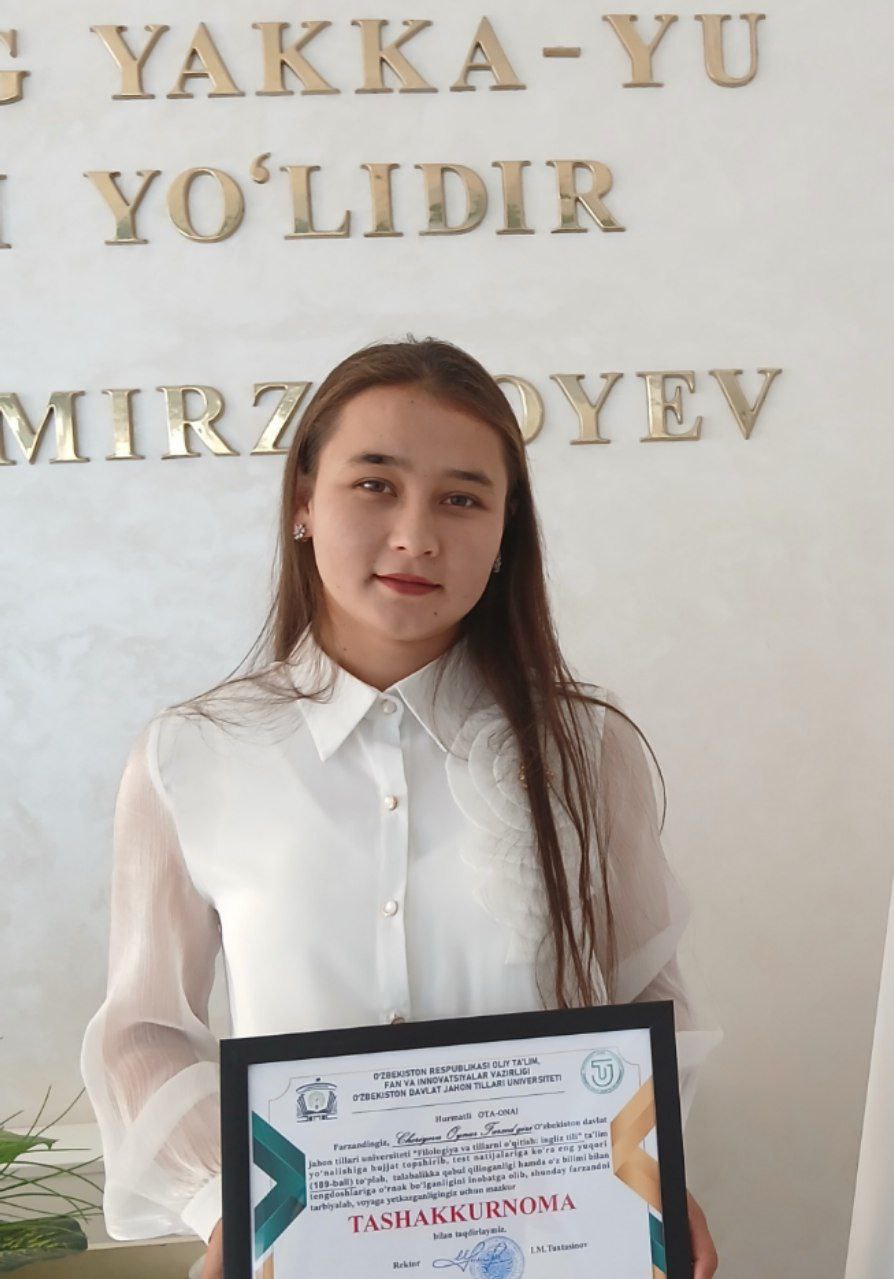
Central Asian woman with long dark hair and a white blouse.

Modern Pedagogical and Informational Technologies in Teaching Foreign Languages

Annotation

This article looks at how modern pedagogical and information technologies influence the process of teaching foreign languages. It explains the ways in which technology makes language lessons more interesting, interactive, and focused on students’ needs. The study draws attention to computer-assisted instruction, various multimedia tools, and online educational platforms that encourage students to work more independently and collaborate with others. It also discusses both the benefits and the difficulties that may arise when technology is integrated into language education.

Keywords: pedagogy, technology, language learning, multimedia, modern education, communication, collaboration, modern pedagogical technology, informational technology, the advantages of technology, the disadvantages of technology.

Introduction 

In recent years, the use of modern technologies in education has noticeably changed the way foreign languages are taught. Many teachers now rely on digital tools, multimedia resources, and interactive platforms to make their lessons more lively, practical, and engaging for students. Pedagogy is usually understood as both an art and a science of teaching that considers students’ social, emotional, and developmental needs. It focuses on how knowledge is shared and how teachers and learners interact in the classroom. Since education is shaped by the culture and values of each society, teaching methods and approaches often differ from place to place.Today, more educators are paying serious attention to the use of new technologies in teaching. It is not just about adding technical devices but also about introducing fresh methods and more active approaches to learning. The main purpose of using modern tools in language education is to improve the overall quality of teaching, help students communicate more confidently, and give them more real opportunities to use the language in practice.

Main Body

Pedagogy is often understood as the actual practice of teaching in which the teacher’s personal approach, methods, and strategies strongly influence how students learn. Good teaching is not limited to delivering information; it also involves understanding how people learn, taking students’ interests into account, and creating a supportive environment. The aims of pedagogy can vary widely — some focus on helping students think critically and develop intellectually, while others aim to give them practical or professional skills. Modern technology has brought major changes to the way people gain knowledge. One of its biggest advantages is that learning is no longer tied to a single place or fixed schedule. Today, a simple computer with an internet connection is enough to access educational materials, attend online lessons, and communicate with teachers or classmates from different locations. Homes, offices, and even public spaces can now serve as virtual classrooms. The term “multimedia” has become well known in the digital world. It generally means using different forms of content together — text, images, audio, video, and animation. Common examples include audio systems, video platforms, and interactive software. The internet has turned into a powerful space that allows people to share ideas and resources through e-mail, discussion forums, web pages, and even real-time voice or video calls. In education, multimedia is especially valuable because it connects different types of media into one learning environment. This makes it easier for students to find, understand, and apply information in a way that fits their personal learning styles and goals.

Traditional pedagogy is often based on the idea that the teacher is the central source of knowledge, while students passively receive information. This model, which Paulo Freire called the “banking concept of education,” positions learners as empty vessels to be filled.

In contrast, modern educational theories highlight learner-centered methods in which students play an active role, and teachers act more as guides or facilitators than as sole authorities in the classroom. With the arrival of technology, communication and cooperation between learners have reached a new level. Digital tools used in today’s classrooms allow students to collaborate on group assignments, share their perspectives, and support one another through peer learning. These tools also help teachers address the varied needs of their students more effectively and offer personalized support. Technological platforms connect learners with educators and peers across the world, exposing them to different cultures and authentic language use. This global interaction not only strengthens language skills but also deepens cultural awareness and respect for diversity. However, technology alone does not guarantee better learning outcomes. Its effectiveness depends on how well teachers integrate it into their lessons. Having digital resources is not enough; they need to be used creatively to build interactive and meaningful learning experiences. The traditional “chalk and talk” method, where the teacher speaks and students simply listen, is becoming less effective in modern language classrooms. In contrast, technology-enhanced learning encourages students to participate actively, think critically, and learn independently. Even without being technology experts, teachers can experiment with various digital resources to make their lessons more dynamic and efficient. The fast growth of digital tools has made English language learning more flexible and student-centered. Multimedia resources such as educational videos, podcasts, e-books, and online platforms provide learners with rich opportunities to build vocabulary, improve grammar and pronunciation, and explore cultural contexts. These materials expose students to authentic language use, helping them develop a deeper understanding of how language functions in real life—not just in textbooks. As a result, lessons become more practical, meaningful, and enjoyable. Technology transforms classrooms from passive learning spaces into active environments where students take ownership of their learning. They explore information independently, work on interactive projects, and build essential skills like creativity, problem-solving, and critical thinking—abilities that are vital for success in the 21st century.

Furthermore, technology allows teachers to apply fresh teaching strategies that promote active communication, stimulate motivation, and support students’ independence in learning. One of the greatest strengths of educational technology lies in its ability to enhance teachers’ professional credibility while increasing students’ interest in the subject. The younger generation has grown up in a fully digital world — fast internet, smartphones, and online communication are part of their everyday lives. When educators skillfully incorporate technology into their lessons, students tend to view them as competent, modern, and in touch with current trends. This perception builds respect and strengthens the teacher-student relationship. Even a single digital tool, if used purposefully, can completely change the atmosphere of a lesson and create a deeper learning experience. Multimedia content and interactive online activities make classes more dynamic and memorable, helping students remain engaged throughout the learning process. Studies have shown that students may retain only around 5% of the material presented through traditional lectures alone. In contrast, when learning involves group collaboration and interactive technology, retention can rise sharply — sometimes reaching 80% or even 95%. This clearly demonstrates how technology not only increases engagement but also improves understanding and long-term memory. Beyond its impact on engagement, modern technology makes classrooms better reflect real-world conditions.

Education should prepare learners to thrive in a technology-driven society rather than simply preserve the methods of the past. While traditional knowledge is still important, it must be balanced with the skills needed for the digital future. By integrating modern tools, teachers can connect past learning traditions with new innovations, giving students both a strong foundation and the adaptability to face future challenges.

Nevertheless, despite the clear benefits of integrating technology into the learning process, several obstacles remain. Many experienced teachers who have relied on traditional teaching methods for years often struggle to adjust to new digital tools. This challenge typically stems from limited training opportunities, a lack of technical expertise, or even resistance to change. When educators lack confidence in using technology, they tend to avoid it in their teaching, which prevents them from fully realizing its potential to enhance learning.To address this issue, continuous professional development programs and targeted workshops are essential. These initiatives can help teachers build digital competence, develop new teaching strategies, and become more comfortable incorporating technology into everyday classroom activities. Another concern is the excessive dependence on technological tools. When both students and teachers rely too heavily on digital platforms, essential skills such as creativity, critical thinking, and problem-solving can weaken. Learners may concentrate more on using the tools themselves rather than engaging deeply with the subject matter. For this reason, it is crucial to maintain a healthy balance between traditional teaching methods and modern digital approaches. Technology should act as a supportive tool that complements human interaction, not one that replaces it. Technical difficulties also continue to pose challenges. Poor or unstable internet connections, outdated hardware, and software malfunctions can interrupt the learning flow and reduce focus in the classroom. These disruptions not only consume valuable time but can also negatively affect students’ motivation and concentration. In some schools, particularly in developing regions, limited access to modern equipment makes the use of educational technology even more difficult. Despite these challenges, the positive impact of technology in education remains significant. When used purposefully and strategically, digital tools can make the teaching process more dynamic, interactive, and inclusive. They encourage student collaboration and allow for personalized learning experiences, enabling each learner to progress at a pace that matches their abilities and interests.

Conclusion

The integration of modern pedagogical and informational technologies has played a key role in transforming foreign language education. By making the learning process more engaging and student-oriented, these tools create an environment that encourages active participation and meaningful communication. Learners not only strengthen their language skills but also gain exposure to authentic materials and develop the ability to apply classroom knowledge to real-life situations. Although certain obstacles—such as technical limitations, insufficient teacher training, and access inequality—remain, the overall benefits of technology in language teaching are clear and impactful. When pedagogy and technology are effectively combined, they foster a flexible, interactive, and creative educational atmosphere. This approach equips students with the skills and confidence they need to thrive in a rapidly changing, globalized world.

References

Freire, P. (1970). Pedagogy of the Oppressed. New York: Continuum.

Richards, J. C., & Rodgers, T. S. (2014). Approaches and Methods in Language Teaching. Cambridge: Cambridge University Press.

Warschauer, M., & Healey, D. (1998). ‘Computers and Language Learning: An Overview.’ Language Teaching, 31(2), 57–71.

Dudeney, G., & Hockly, N. (2012). How to Teach English with Technology. Pearson Education Limited.

Chapelle, C. A. (2003). English Language Learning and Technology. Amsterdam: John Benjamins Publishing Company.

Azizova F.S. (2022). Methods and principles in teaching foreign languages.Tashkent: “Ilm-ziyo-zakovat”

Choriyeva Oynur was born in Muborak district of the Republic of Uzbekistan. She is a student at the Faculty of English Philology of the Uzbekistan State World Languages University.

Synchronized Chaos October 2025: Union and Dissolution

Two silhouetted figures on a paddle boat on a calm lake under a cloudy sky.
Image c/o Mohamed Mahmoud Hassan

Sharing for Paivapo Publishing. They’re looking for assistance to translate books from African authors writing in their native languages into English. https://ko-fi.com/africantranslationproject

From contributor Peter Dellolio: I’ve been very fortunate to have a short story collection and a book of new poems to be released this year.  The short story collection is with Cyberwit.net and the poetry book is with Lost Telegram Press.

The short story collection, That’s Where You Go & Other Short Stories is due out in a few weeks, and the poetry collection, Cul de Sac Diaries is due out later this year.

Eva Lianou Petropoulou shares the news about an upcoming poetry contest seeking all styles of poetry. Pieces are due November 30, 2025 and must never have won any other awards and must be accompanied by an Italian or French translation.

Contributor Jaylan Salah is between writing jobs and seeking a remote position from her home in Alexandria, Egypt. She’s got a background in literary and film criticism. Please let us know if you have a position for her or know of someone who’s hiring for gig or traditional employment.

Also, Synchronized Chaos’ first November issue will stop accepting submissions on October 26th. We’ll include anything sent to us on or before that date in November’s first issue.

Now, for this month’s issue: Union and Dissolution.

We explore ways we embrace and come together and ways we pull apart, divide or individuate ourselves.

Two white swans raise their feathers and sail along a pool of clear water.
Image c/o Andrea Stockel

Dr. Jernail S. Anand reflects on the closeness of family and how each of us seeks and needs loved ones. Maftuna Rustamova also speaks to the joy and importance of family in our lives. Priyanka Neogi contributes a tender and short love poem to a special man as Sevinch Kuvvatova pays tribute to loving mothers everywhere.

Fadi Sido shares of love and beauty concealed and revealed. Ibrahim Honjo crafts a romantic scene of love, youth, and brass bands. Mahbub Alam celebrates the renewing energy of youth. Kandy Fontaine and Alex S. Johnson’s Gogol-esque short story addresses the tenuous relationship many of us have with our bodies in a world where youth and beauty can be commodified.

Nicholas Gunter reflects on the anniversary of losing his father as Norman J. Olson contributes written and drawn sketches of country and farm life as a memorial to his deceased cousin Bill. Kassandra Aguilera grieves her deceased mother through dream conversations.

Ollie Sikes ponders requited and unrequited love. Mirta Liliana Ramirez speaks to the pain of love betrayed. Dilobar Maxmarejabova’s story highlights the harm done to children when parents don’t step up to the plate. Tea Russo sings a ballad of a loveless entertainer. Umida Hamroyeva sends up a poem of grief for a lost loved one as Taro Hokkyo expresses the visceral pain of losing his beloved, his spiritual home. Allison Grayhurst renders up a multi-section epic poem on emotional healing after the betrayal of a friend. Bill Tope’s story highlights prejudices people with disabilities face in the dating world.

The precarious political situation in the United States feeds into J.J. Campbell’s poems of personal disillusionment and slow grief. Ng Yu Hng reviews Nikolina Hua’s poetry, discussing how it evokes personal and societal sorrows. Kandy Fontaine speaks of a traumatizing and destabilizing encounter with a supposed professional in a piece that encourages readers to ponder how we use social power in our own lives. Mykyta Ryzhykh’s fresh poems speak with a tone of cynical self-loathing. In Kandy Fontaine’s second story, seduction and intimacy become weapons in a dystopian world where hybrid life forms feed off of others’ grief.

Light tan eggshell broken into a lot of pieces.
Image c/o Petr Kratochvil

Srijani Dutta’s poetic speakers use memory and imagination to fill in the gaps created by miscommunication and mistrust in reality. Chloe Schoenfeld’s piece depicts music as a force to help two forgetful people hold onto their memories.

Dino Kalyvas sets a poem about universal human respect and dignity from Eva Lianou Petropoulou to music. Abigail George poetically asserts her unity with all of the world’s diverse creative people. Jacques Fleury defines himself in his poem on his own terms, part of the human race and sharing in universal human ancestry. Eva Petropoulou Lianou interviews poet Nasser Alshaikhamed about the high aspirations he has for his poetry and for humanity. She also interviews Russian poet Olga Levadnaya about craft and the journey to peace through repentance. Dr. Ratan Bhattacharjee poetizes about good overcoming evil in the form of the Goddess Durga slaying a demon. Graciela Noemi Villaverde elaborates on the transformative power of poetry as Dr. Brent Yergensen dramatizes one of Jesus’ parables in verse.

Niloy Rafiq harnesses a courtroom metaphor to highlight how he speaks the truth through his art. Shahnoza Ochildiyeva composes an essay on the purpose and value of the written word. Damon Hubbs depicts an encounter with the ambience and aesthetic of William Butler Yeats as he drinks in Dublin. Z.I. Mahmud probes layers of meaning in Shakespeare’s The Merchant of Venice, how his understanding of Shylock and racial and religious prejudice might have gone deeper than we realize.

Journalist Jakhongir Nomozov interviews Azerbaijani poet, translator, and linguist Firuza Mammadli, who has deep knowledge of and appreciation for her nation’s literary history and also strong words of caution for students, especially women, who seek to pursue a creative life. Sobirova Samiya highlights the inextricable connections between language and culture. Choriyeva Oynur outlines the literary contributions and legacy of 15th-century Uzbek poet Mavlono Lutfi. Yuldosheva Yulduz Ravshanovna, a teacher, highlights how she sees the light of Uzbek historical poetess Zulfiya carried on in one of her pupils. Muxtasarxon Abdurashidova expresses her gratitude for an inspirational teacher.

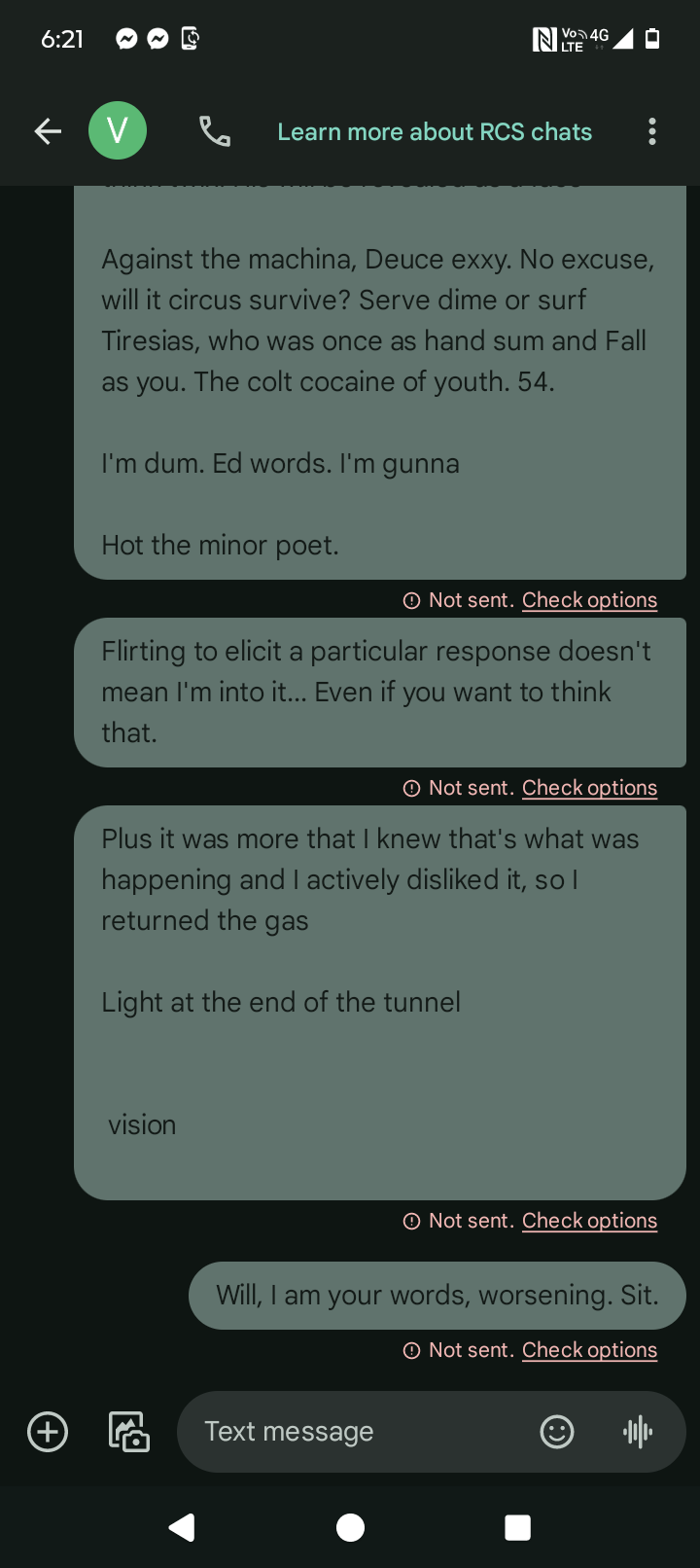
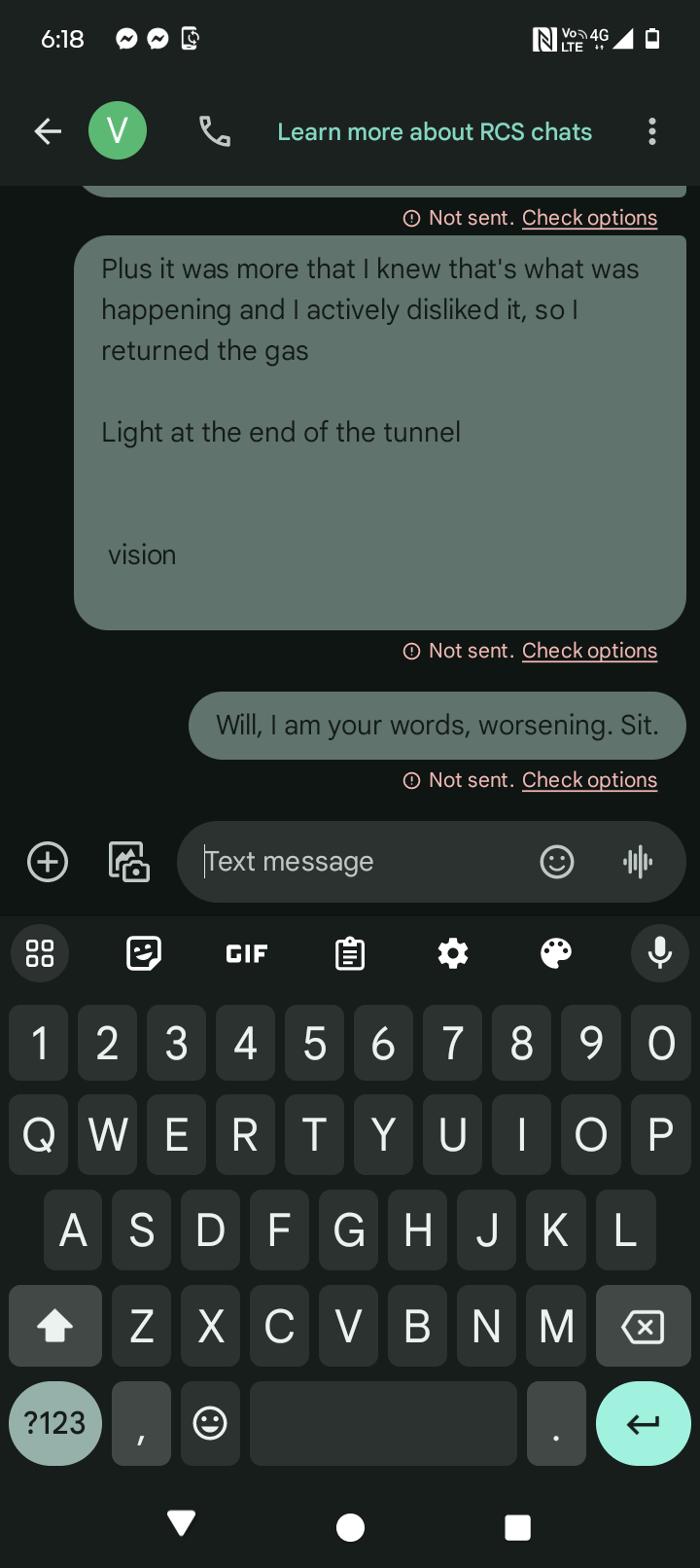
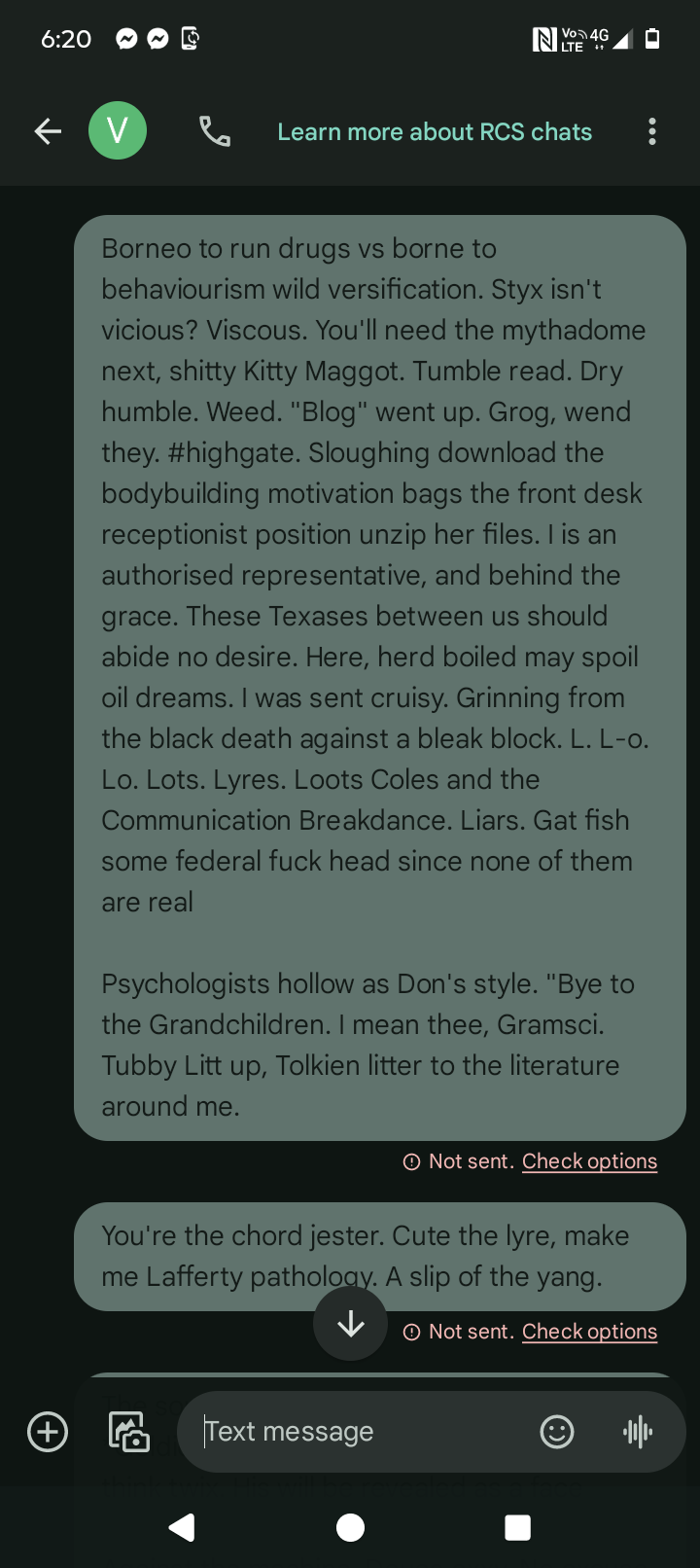
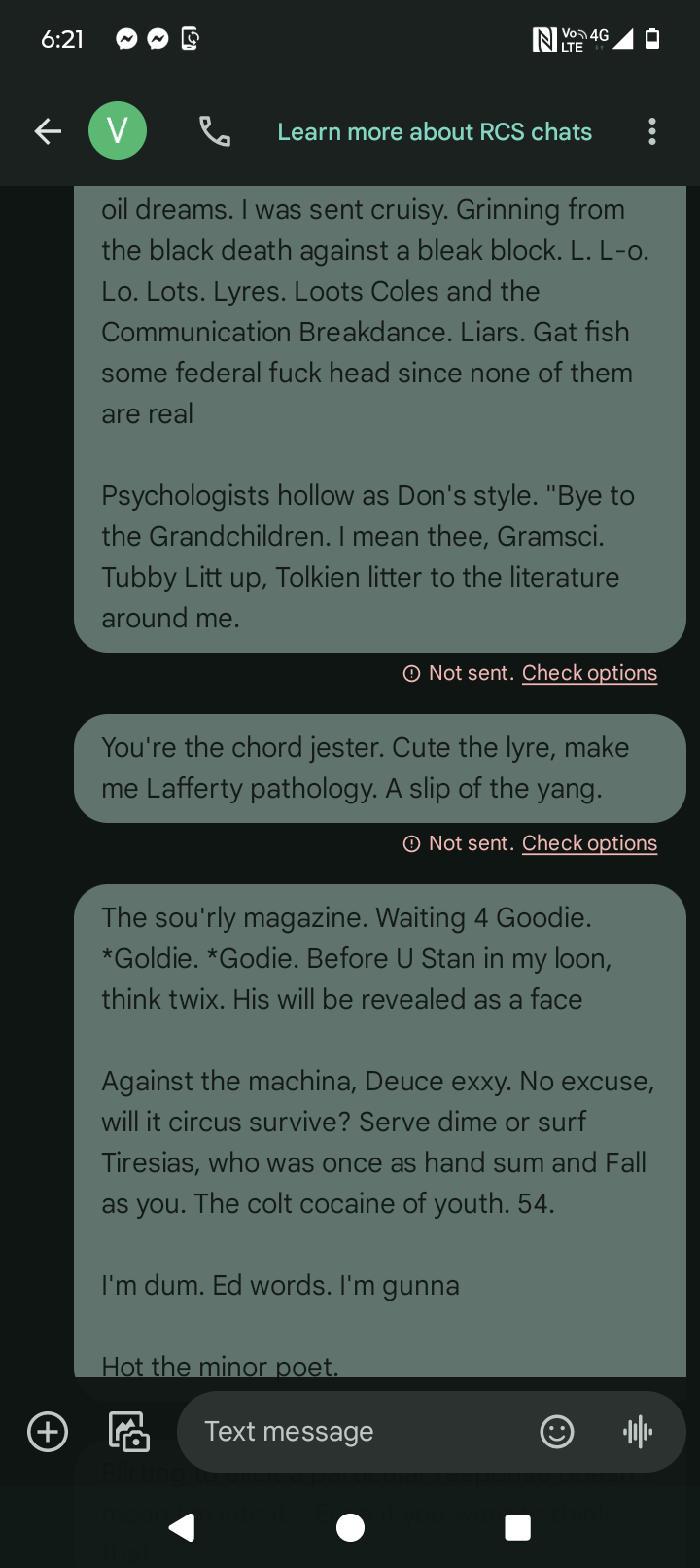
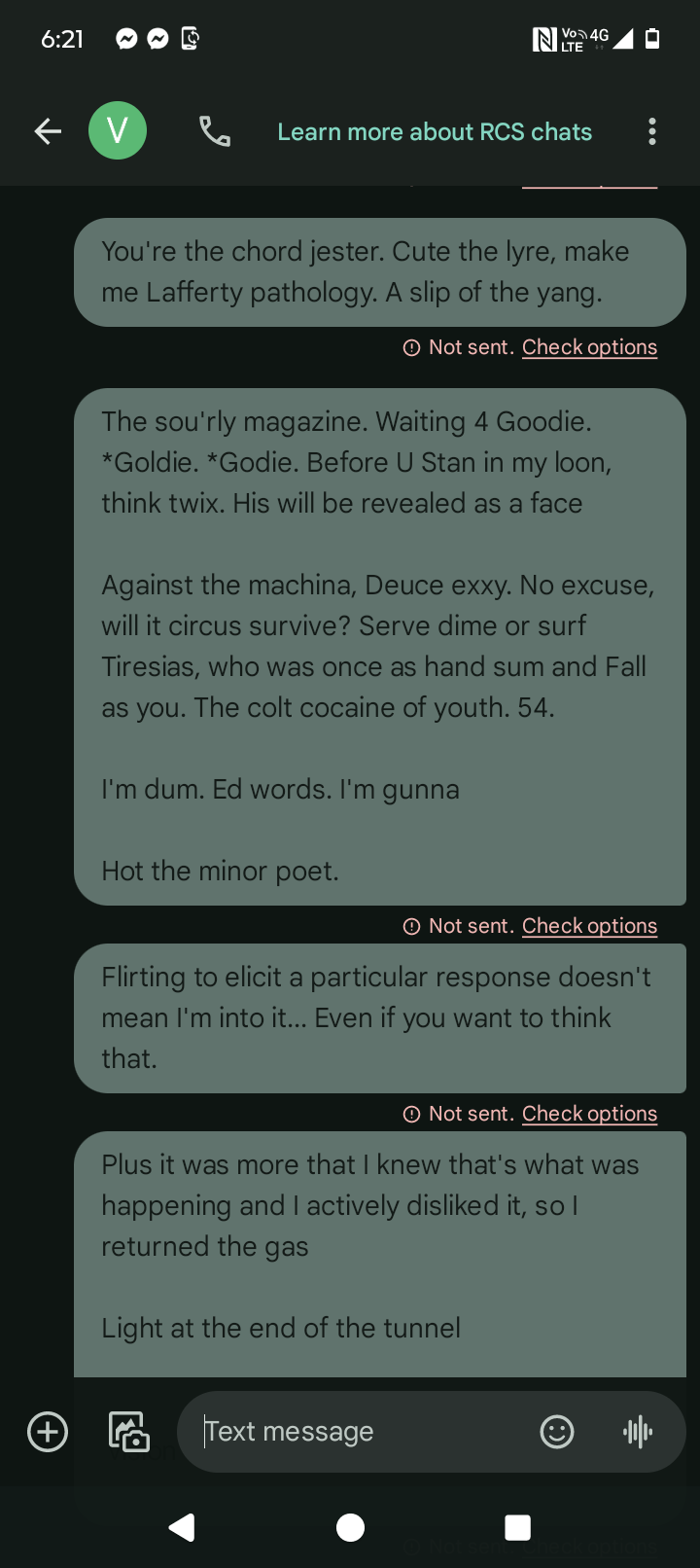
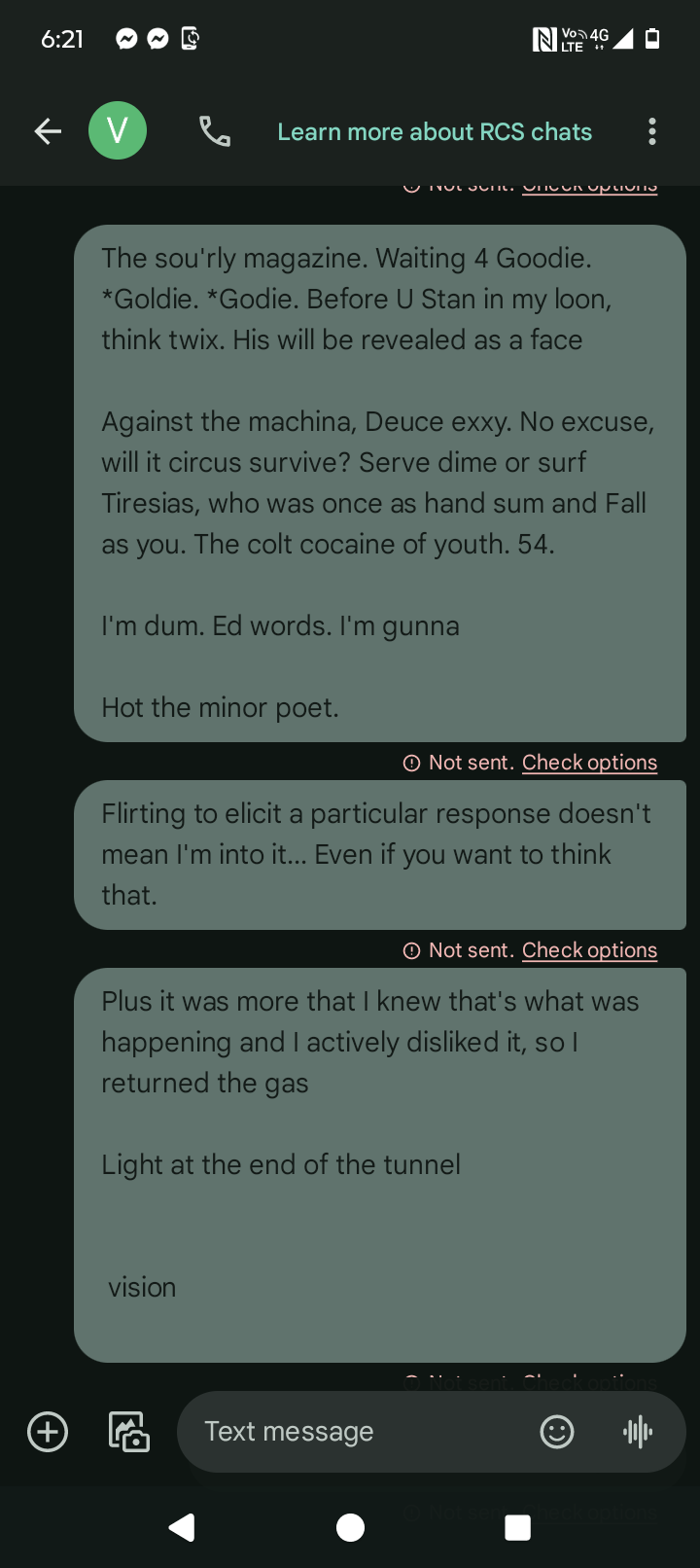
To’raqulova Pokiza discusses ways to enhance student speaking and communicative competence in English as a second language. Abdirashidova Ozoda discusses how to encourage preschoolers to develop communication skills related to socializing. Hasanboyev Sardorbek urges educational leaders to make computer literacy and communication via computer an educational priority. Texas Fontanella connects a variety of words and images and references together in a series of text messages. Mark Young plays with words and images, exploring and stretching meaning.

Damion Hamilton speaks to common human, traditionally masculine fears and aspirations. Taylor Dibbert’s poem speaks to the ordinary and universal annoyance of food poisoning as Chimezie Ihekuna recollects sentiments of resilience during the Covid-19 pandemic. Lan Qyqualla’s poetry melds themes of love, loss, longing, and transformation.

Abdel Latif Mubarak’s poems evoke dreams, wonderment, fears, longings, and the desire to live for a greater cause. Eva Petropoulou Lianou calls for compassion, peace and an end to war. Parvinder Nagi urges humanity to make the individual and collective choice to act ethically and responsibly, as does Bhagirath Chowdhary in his poetry. Graciela Irene Rossetti urges humanity to keep soul-searching and discover the true meaning of peace. Tagrid Bou Merhi speaks to the dawning of society and consciousness and the full humanity of women. Eva Petropoulou Lianou reviews Ahmed Miqdad’s poetry and shares his wishes for peace and self-determination for the people of Gaza.

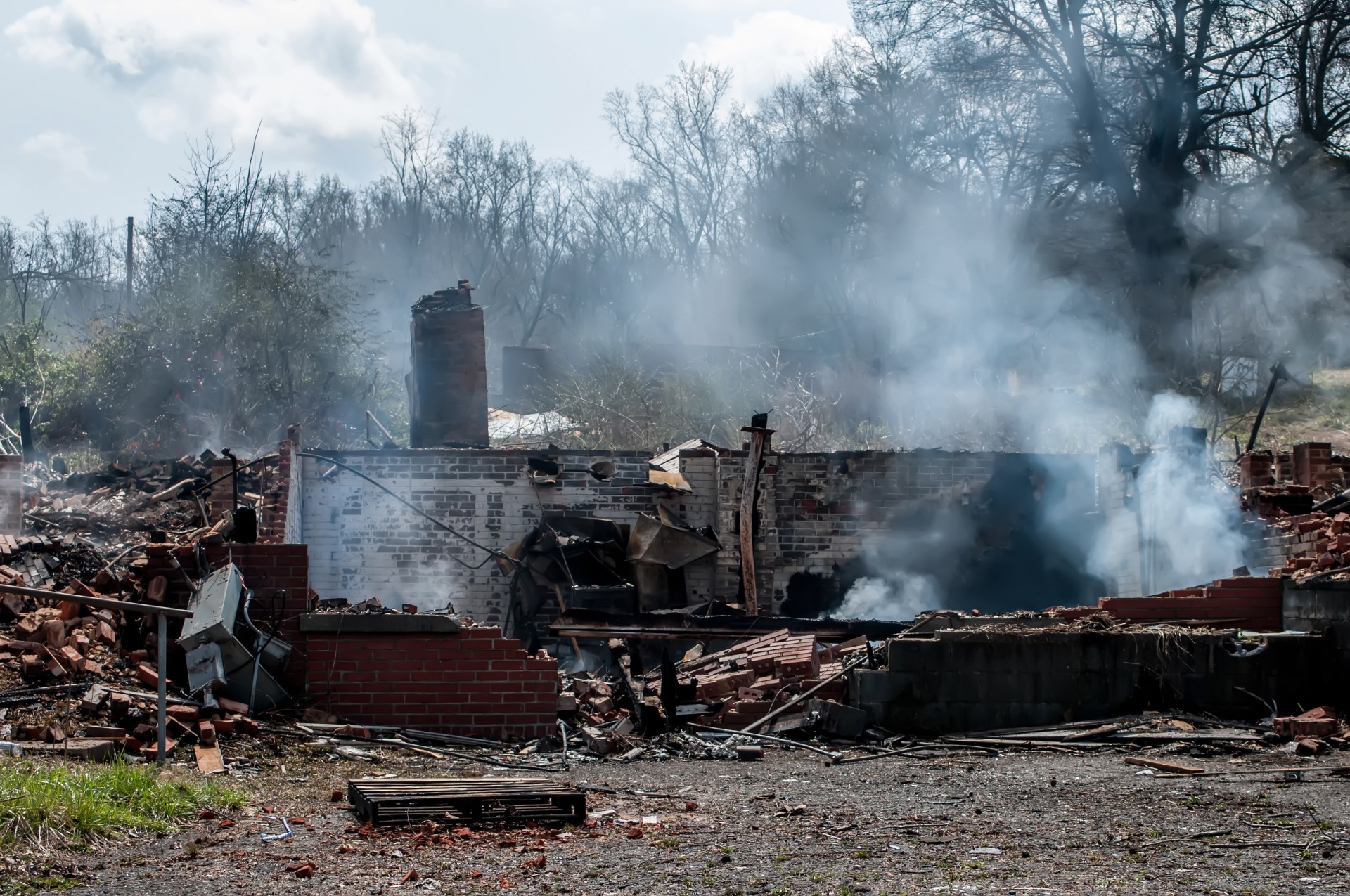
Burned out wood and brick building still steaming with trees and dirt and green grass.
Image c/o Alex Grichenko

Anthony Chidi Uzoechi’s prose poem evokes the weight of historical grief and suffering in the lives of many people of color. Maja Milojkovic reflects on the nihilistic destruction of war. Bill Tope laments and fears recent dark turns in American politics. Til Kumari Sharma speaks up for young people, women and girls, and the students fighting in the 2025 Nepali uprising. Duane Vorhees also speaks of revolution, along with sensuality, coupling, and new life.

Andre Osorio uncovers a language of resistance and survival in Hua Ai’s new poetry collection Exiles Across Time. Daniela Chourio-Soto draws on artistic language and metaphor to speak to despair as part of the human experience.

Alan Catlin mulls over the precarity and drama of human existence. Yongbo Ma crafts moments of inflection, when matters will soon change, as part of his commentary that movement is life and stasis becomes despair. Nicholas Vigiletti evokes the ennui and frustration of low wage, dead end jobs.

Jessica Hu’s strange poetry speaks to a brutal and cold world. Mesfakus Salahin implores nature’s wild elements not to ruin his joyful union with his beloved.

Aurelia Preskill reflects on the beauty of an apple and how easily Adam and Eve could have been tempted and forever changed. Sayani Mukherjee reflects on autumnal magic and metamorphoses. Rafi Overton gives us a butterfly’s reflection on his past metamorphosis and how what he truly needed was self-love regardless of physical status.

Silhouetted person raising their hands to the northern lights in pink and purple and orange and blue and green up against the Milky Way. Tree in the background.
Image c/o Gerhard Lipold

Ari Nystrom-Rice reflects on how people and nature, in the form of the ocean, are inseparable. Stephen Jarrell Williams’ poetic speaker shares many facets of his memories of the sea. Jerome Berglund and Christina Chin’s tan-renga convey different “moods” of nature: resilience, fear, aggression, and coexistence. Yongbo Ma evokes loneliness through images of burned-out spiders out of silk for their webs.

Abigail George reviews Rehanul Hoque’s novel The Immigrant Catfish, a parable about greed and environmental mismanagement and destruction. Bill Tope and Doug Hawley’s story narrates the redemption of a man who comes to protect birds he once carelessly killed. Jennie Park’s artwork shows a tender care for the natural world amid the threats it faces.

Brian Barbeito delves deeply into the nature and mysteries of one particular spot in the country. Other writers do the same for ordinary and individual people. Noah Berlatsky points out the subtle tragedy underlying Job’s Biblical story: the way the ending inadvertently suggests that people are interchangeable and thus disposable.

Teresa Nocetti uses a pillow to evoke the complex feelings of a person heading to sleep. Nidia Amelia Garcia does something similar with poetry concerning the history of wrinkles on human faces. Tanner Guiglotto presents a visceral battle with self-doubt. Ellie Hill explores different aspects of a teacup image to comment on how she possesses both delicacy and strength.

Muhammadjonova Ogiloy reviews Otkir Hoshimov’s story collection Ozbeklar, which highlights the dignity and beauty of common hardworking country Uzbeks. Pardaboyeva Charos spotlights the craft of Uzbek embroidery. Fali Ndreka highlights the creativity and skill showcased at Art Basel Miami.

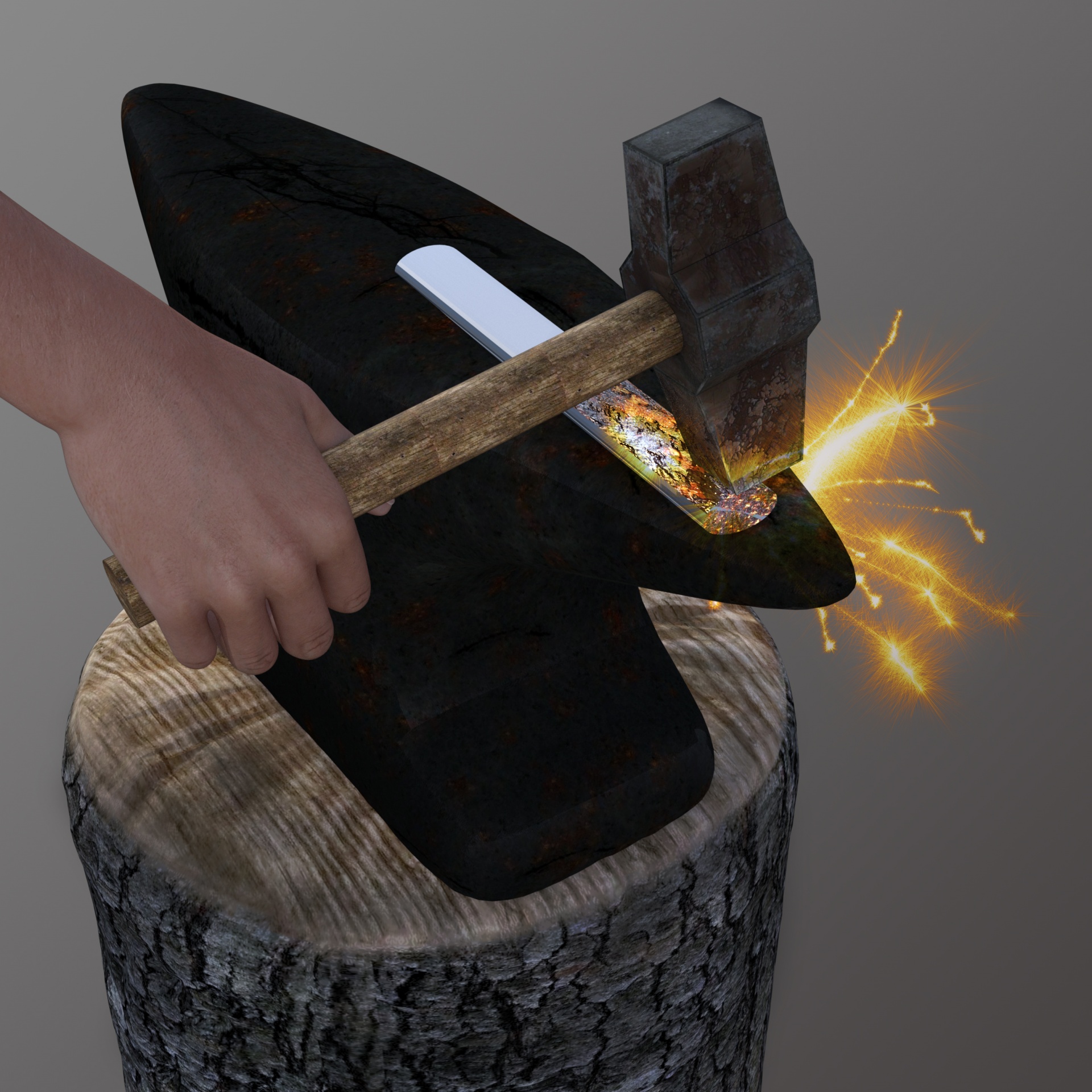
Person striking a piece of metal with a hammer and creating sparks.
Image c/o Kai Stachowiak

Mushtariybonu Abdurakhimova relates her experiences at a cultural and academic youth development program. Her fellow students highlight other areas of study and knowledge. Aliya Abdurasulova outlines nuances of programming in the C++ language. Shahlo Rustamova’s essay reminds us of the importance of maintaining thyroid health. Ike Boat celebrates the career and skill of martial arts actress Cynthia Rotrock.

Dildora Khujyazova suggests a balanced and optimistic view of economic and cultural globalization, pointing out how individual creators can take advantage of the chance to bring their creativity to wider markets.

Synchronized Chaos International Magazine is intended as a venue for creators of all types around the world to display their works. We hope you enjoy this mingling of ideas!

Jakhongir Nomozov interviews Azerbaijani poet, translator, and linguist Firuza Mammadli

Young middle aged Central Asian man seated in a blue sweater with a coffee cup.
Jakhongir Nomozov

POETRY IS THE CRY OF OUR SOUL

Our interlocutor is one of the distinguished representatives of contemporary Azerbaijani literature — poet, writer, translator, linguist, pedagogue, PhD in Philology, Associate Professor, and member of the Writers’ Union of Azerbaijan, Firuza Mammadli.

— For you, what is the most important difference between prose and poetry? Which one reflects your inner world more fully and deeply?

— From the perspective of form, the difference between these two genres is evident. It is also true that both are products of artistic imagination.

Prose, as a rule, takes shape in terms of plot, composition, content, and expression.

Poetry, however, is realized within specific norms, relying on the accurate and purposeful selection and arrangement of poetic aspects hidden in the inner layers of language units — in other words, the semantic possibilities of words and expressions.

In classical Azerbaijani poetry — in forms such as the ghazal, qoshma, gerayli, lullabies, and others — this principle has always been preserved. Rhythm, harmony, rhyme, refrain, internal meter, syllable count, sound prolongation, and so on have been among the main elements that regulate the appeal of poetic thought.

In modern poetry, apart from these poetical-technical elements, the free verse form — which relies solely on the poetic spirit accumulated in the semantic layers of words — has also become one of the prevailing examples of contemporary creativity.

         In my view, poetry is a special state of the poet’s soul. It can be compared to a lightning flash that illuminates a single moment. Of course, in narrative poetry, in poems and verse plays, unlike in lyric poetry, the author needs time and lyrical digressions, which makes it difficult to liken them to lightning.

Poetry is the poet’s secret meeting with his own feelings.

Poetry is the rebellion of the silence within us.

Poetry is the outcry of our soul.

— You are a poet, a writer, a translator, and a scholar at the same time. Does working simultaneously in all these fields not cause difficulties for you?

— Poetry, prose, scholarly research, and teaching are the complete expressions of my public life. Each of them, being the product of both mind and heart, seems to wait for its own turn to be realized. A poem does not come every hour. Free moments, then, are more suitable for scientific research or prose.

— The serious obstacles and difficulties you faced on the path of science…

How did you overcome them? Today, how are young women being drawn into research, and in your opinion, what should be emphasized to inspire them?

— I did not face any serious difficulties while conducting my research. But completing the work and defending it cost me dearly. There were people who tried to obstruct my defense. I had written and submitted for defense my dissertation on the topic “The linguistic and stylistic features of Y.V. Chamanzaminli’s novels Girls’ Spring and In Blood*, dedicated to our incomparable writer, a victim of repression. During the defense, one member of the Academic Council — a pro-Armenian scholar — fled the session to prevent it from taking place. By repeating this act twice, he delayed my defense for two years. Finally, I defended the work and sent it to the Higher Attestation Commission in Moscow for approval. The same person sent an anonymous letter there as well. As a result, my work was sent to Turkmenistan for a review by a so-called “black opponent.” Only after receiving a positive review from there — which took another two years — was my dissertation officially approved with the title of Candidate of Sciences.

     My entire public activity has always been accompanied by obstacles and envy.

As for young people today, I do not see much genuine interest in scientific research. But my advice to young women is this: the path of science is difficult but honorable. When stepping onto this road, they must first take into account their inner world, their passion for the field, their willingness to sacrifice, and their readiness to endure psychological attacks. They must prepare themselves spiritually for such struggles. 

My second piece of advice is that if they cannot bring genuine novelty to their field, they should not pursue it merely for the sake of a title.

As for encouraging them, I cannot say I have strong arguments at hand.

— In literature, what is the most important concept for you? For example: the spirit of the era, the author’s personality, or the thematic problems of the work?

— Naturally, creativity values all three. Any work created is a product of its own era, carrying with it at least some information for the future about that time. For instance, the rich legacy of our writers such as M.F. Akhundov, J. Mammadguluzadeh, A. Hagverdiyev, N. Narimanov, and others serve as examples of this.

     In my view, the author, when creating a work, must present it from a completely objective standpoint, without displaying tendencies. Thematic problems, of course, find their artistic expression within the boundaries of time and space in the work.

— In society, do you think the value of people of art and science is adequately recognized?

— Unfortunately, no.

— What events in your life are tied to the concept of “self-sacrifice”?

— My entire life is the equivalent of “self-sacrifice.” Every step I have taken has been accompanied by obstacles, threats, conspiracies, intimidations, “accidents,” and deprivation.

The path I have walked for education, science, art, and profession I do not call a struggle, but rather a war.

— For you, what are the specific qualities of the image of a “woman writer and scholar”?

— A woman who is a writer and scholar must either not marry, or if she is fortunate, unite her life with someone who is understanding, appreciative, and values science and art as she does. Otherwise, if fate ties her to someone who pretends to be a poet without truly being one — that is a disaster… Among women of art, very few are fortunate enough to be happy in both family and creative life.

— As a woman, writer, scholar, and human being, how would you define yourself in a single sentence? In your opinion, what is science — to learn, to understand, or to accept?

— If I were a little younger, I would call myself a “hero” for having achieved all these titles (woman, writer, scholar, human). But now — at 85 — I call myself a “sufferer.”

As for learning, understanding, and accepting… Yes, science is learning, it is understanding, but I am not in favor of blind acceptance. If it represents absolute indicators of objective truths, then I accept — because that acceptance itself is the beginning of the road that leads to learning and understanding.

— How do you envision the literature of the future? With artificial intelligence, will not the emotions of the human heart lose their true value?

— If artificial intelligence is to create the literature of the future, it will likely be in detective or epistolary genres. Yes, artificial intelligence cannot fully express the subtleties of the human heart. It will mostly reflect what is encoded by its programmer. Motivated by the psychology of that programmer, it cannot, in general, acquire truly human qualities.

— In your view, how is the influence of women scholars in Azerbaijani society growing and developing?

— The rise in the influence of women scholars, poets, and artists in our country is an issue that requires special attention.

— Are there truths in our country that you have analyzed but never put into writing? 

While pursuing your dreams, have you ever felt yourself drifting away from your own self?

— In brief, to the first part of your question, I can say that there are many such truths, but I do not see the need to elaborate.

As for the second part: in my youth, such moments were frequent. Now I am far from dreams. I am a solitary dweller in the cell of bitter truths.

— Victor Hugo once said: “There is a sight more beautiful than the heavens — the depth of the human heart.” Do you think today’s poets and writers have truly descended into this depth of the human heart?

— No one can know another better than oneself.

The elders have said that poets are the engineers of the human heart. Yet only those poets who can transfer another’s sorrow or joy into their own hearts, and make those emotions their own, can descend to such depths.

At such a moment, poetry speaks through the poet’s pen with the cry of 

“I.” This, however, becomes an opportunity for critics to strike: 

“That poet only writes about themselves.”

In truth, some of those who read such poetry see their own sorrow in it, and read their own grief through those lines.

Among swimmers, there is even a branch called “deep divers.”

Likewise, for a poet to descend into the human heart, they must possess the nature of a deep diver — and the strength not to be wounded by reproach.

Furthermore, the lingering breath of “Soviet” atmosphere in public opinion and criticism still plays no small role here.

    Today, there are many who write. Naturally, it is impossible to follow them all. But descending into the depths of the human heart and bringing up pearls from there — that is not the task of every poet.

Jakhongir Nomozov is a young poet and journalist from Uzbekistan. He is also a Member of the Union of Journalists of Azerbaijan and the World Young Turkic Writers Union.