Midnight Soul and Hay Meadow Heart

Night comes creeping softly
Like a ghost descending the stairs
Dragging reluctant shadows behind it
With a dark beauty that mystifies reality;
Flooding my being with midnight skies
And lining the walls of my soul
With planets, suns, orbiting moons, swirling
Nebulas and covering the Sistine ceiling of my soul
With the layers of a million Milky Ways.
My super-conscious is a blackness
Lighted by a billion twinkling stars.
There is just room enough left in my psyche
To fill each crevice with the scent of new mown hay
And the site of the burgeoning meadows of home
Over-flowing the memory banks of my heart.


When Tomorrow Has Flown

When tomorrow has flown
Into future memories
Where will love be then;
Still strong between us?
Will your mind burn
With indelible images of me
Swirling just below instant recall?
Will your heart still ache
From the memory of my touch?
Will my undying words of love
Still echo in your chambered soul
When tomorrow has flown?
Love does not seek assurances;
It lives or dies within a dream.
Within the soul of yesterday
Love comes naked and barefooted;
A deep passionate flame
Burning in the wonder-filled darkness
Where twin souls are melded by time.
We are alive on sacred promises
And the murmuring madness
That comes whispering through time
To bind us soul in soul, as one.

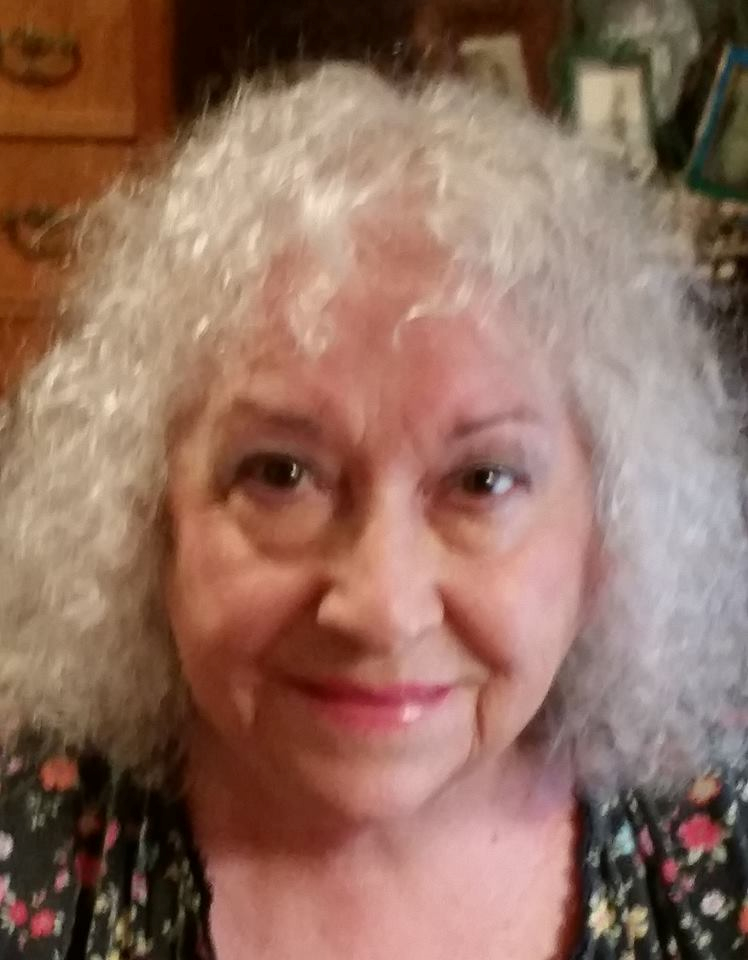
Annie Johnson is 84 years old. She is Shawnee Native American. She has published two, six hundred-page novels and six books of poetry. Annie has won several poetry awards from world poetry organizations including; World Union of Poets; she is a member of World Nations Writers Union; has received the World Institute for Peace award; the World Laureate of Literature from World Nations Writers Union and The William Shakespeare Poetry Award. She received a Certificate and Medal in recognition of the highest literature from International Literary Union for the year 2020, from Ayad Al Baldawi, President of the International Literary Union. She has three children, two grandchildren, and two sons-in-law. Annie played a flute in the Butler University Symphony. She still plays her flute.
Nigeria, the so-called ‘giant of Africa ‘ is fast becoming a shadow of itself. From the pinnacle of relevance as being the most populous black nation in the world to a land endowed with enormous human and natural resources, the country is loosing its highly magnified framework of international and global recognition.
October 1 1960 birthed a nation that would be known to be home to the highest concentration of black people in the world. Known for its enormous resources, each regions at the time survived independently through the instrumentality of viable and sustaining agriculture. The Eastern region was known for the abundant production of palm oil and other related derivatives. Cocoa was an export crop produced in the western region and the famous groundnut pyramid was the symbol of the food strength of the northern region. Together, Nigeria prospered economically.. The political sagacity and geniuses of the Late Chief Obafemi Awolowo of the Western region, late M.I Okpara of the Eastern region and Sir Ahmadu Bello of the Northern region ensured peaceful co-existence as they independently mapped out posterity-driven strategies to make their respective regions peculiar. Consequently, Nigeria, before the coup in 1966 and Civil War of 1967-1970, was one of the best nations to visit from anywhere in the world!
Unfortunately, the discovery of oil was the commencement of what would epitomize the decline of the viable economy. There was a subsequent shift of focus from Agriculture to oil. The 70s saw the emergence of oil gradually taking its stance as the main-stay of the Nigerian economy. The oil boom of the 80s had the Nigerian attention completely focused on the oil sector. A mega-business it was and fast growing, the politicization soon crept in. Before eyes could bleak, corruption was the developing cancer whose anomalous spread affected other sectors of the economy. Hence, making difficult foreign investment to thrive in Nigeria.
As more multi-national companies begin to contemplate leaving the once-prospering economy, the following are reasons their decisions to leave Nigeria would see the light of day
Irregular Power Supply: Nigeria is own to be the parent supplier of the power to neighbouring countries as Ghana, Cameroon, Niger, Chad, Benin Republic and Togo. But it’s ironic these countries experience steady power supply whereas it’s just the exact opposite in Nigeria! Most of these corporations spend on petrol and other alternative power sources astronomical amount of money to keep business operations running. The recurrent deficits make many foreign companies check out of Nigeria to even other countries like Ghana due to power issues. A typical example is Michelin Tires. They shut down operations in Nigeria to set up a base in Ghana due to the incessant power instability in Nigeria.
Unhealthy Political Interference
There is hardly no business set up emerging in Nigeria that would absorb one form of political interference or the other which would pose dents on the technocratic integrity and affirmative philosophy of business establishments. With that in place, private investors would have to cough out certain money to grease the palms of politicians who would use their cronies to disrupt the smooth-running of businesses run by private investors through heavy taxes and unnecessary impositions on company expenditure. If the said company complies to the status quo, service delivery would be affected and quality of products may not commensurate with consumer’s satisfaction. In addition, to recoup the expenses, consumers are being charged exorbitant prices which is actually a counter-productive one!
Security tensions
The ‘grey-area’ security architecture in Nigeria creates a topsy turvy has created clap-backs by established private investors in the country. The almost-collapsed security system in the country has paved way for several terrorist groups constituting cataclysmic aftermaths to individuals and businesses. With the dreaded Boko Haram, threatening Herdsmen, notorious Miyati Allah, masquerading Unknown gunmen and mean kidnappers destructively interfering the security structure in the North-East, North-West, North-Central, South-South, South-West , South-South and South-East geo-political zones, Nigeria is one of one that nations of the world on the Terrorist Watchlist. That alone makes it unsafe of foreign investment to thrive in the country.
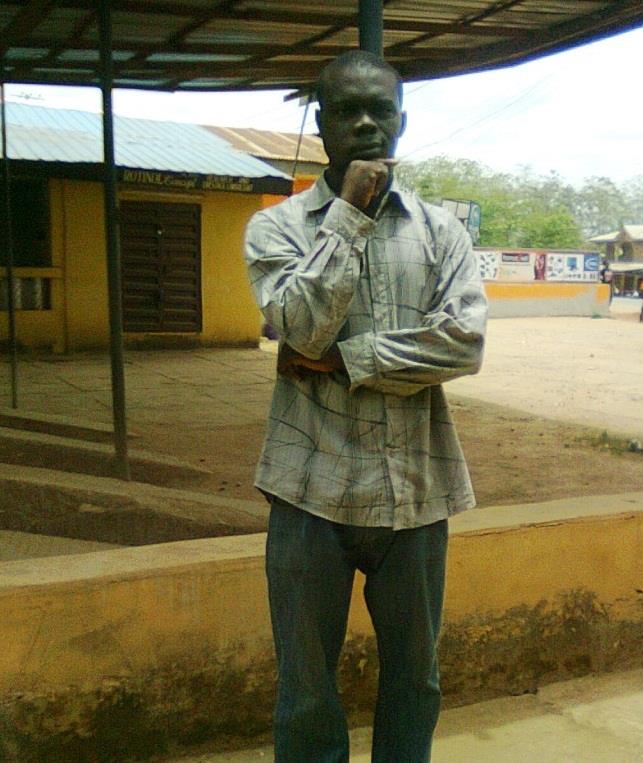
Stephen Jarrell Williams has published over a thousand poems here and there and distant places where the light still glows. He can be found on X Twitter @papapoet
Let's save the "dying" World!

It's your turn, Oh scholar, Oh poet,
Humanity is dying before your eyes.
The greedy say everything is mine
He divides what he doesn't have into a hundred!
Make an invention, brainstorm,
Say such a word, let it touch the heart,
Let the soul-conquering song be sung,
The world has come to life, they are alive again!
We extend a helping hand with care,
Let's save the "dying" World!

Elmaya Jabbarova - was born in Azerbaijan. She is a poet, writer, reciter, translator. Her poems were published in the regional newspapers «Shargin sesi», «Ziya», «Hekari», literary collections «Turan», «Karabakh is Azerbaijan!», «Zafar», «Buta», foreign Anthologies «Silk Road Arabian Nights», «Nano poem for
Africa», «Juntos por las Letras 1;2», «Kafiye.net» in Turkey, in the African's CAJ magazine, Bangladesh's Red Times magazine, «Prodigy Published» magazine. She performed her poems live on Bangladesh Uddan TV, at the II Spain Book Fair 1ra Feria Virtual del Libro Panama, Bolivia, Uruguay, France, Portugal, USA.
 “The Gotta Keep on Feeling
             Even When it Leaves Me Reeling
             'Cause I Can't Just Not feel Any More Blues”

A few months outta the incubator
this cooing preemie poet, supine in my crib,
couldn't turn over as my bro' grew irater,
belting me through the bars in his angry bib.
To strike a lyric impulse, born of joy,
may twist it into a worse little boy.

Got the gotta keep on feeling
even when it leaves me reeling
'cause I can't just not feel any more blues.

If I turned mean early, I'd no chance to really live -
who showed new bro's such perfidy -
but then lightened up when they appeared to forgive,
seeing me draw Dad's fire, haplessly.
He sometimes whipped his sons in his drunken ire -
I liked to take 'em swimming through fancy's fire.

My bro's came down to the basement one day,
told me no more Flash Gordon would we play.
They'd let Dad talk 'em into studyin' TECH -
he said imagination was imaginary dreck -
so for Sci-Fi novels alone in their room
my playmates left me in the basement gloom.

Got the gotta keep on feeling
even when it leaves me reeling
'cause I can't just not feel any more blues.

My new costar was my friend from the street.
At improv' play interpreting TV
our concerted inspirations fed hilarity,
so I naturally figured it'd be real neat
to have him meet my flame since kindergarten...
Why her liking him instead me so dishearten?
I started a fight in which he got beat.

Got the gotta keep on feeling
even when it leaves me reeling
'cause I can't just not feel any more blues.

My Dad, mostly gone, moved us thrice in succession -
huge old houses, some ghetto neighborhood
where black or white bullies, at their discretion,
on the street or in class beat up stunned me good.
My kid brothers, though, didn't take defeat so hard,
but fought them to a standstill in our front yard.

How could I have thought, if I'd become who I was born
and had folks who shared a spirit of lyrical romance,
to have merited so roundly all my peers' epic scorn?
A brash pacificism was identity's best chance,
won a sympathetic friend who'd help keep track
of bully maneuvers. I think he was black.

Since math test A's, but not my essay ones
won my father's praise, his tuition funds
went to shrewder bro's when we left high school.
Dad made me, though, feel like a fool,
saying, "Good sons go to college, bullies never will."
So I had to join the service for the G.I. Bill.

Got the gotta keep on feeling
even when it leaves me reeling
'cause I can't just not feel any more blues.

Recruiter promised language school out in Monterey.
I signed my enlistment papers that very day.
But down in basic training heard Drill Instructor say,
“Recruiting Sergeant's promises you can just throw
into the shit-can – you're mine now, you know?
Our two-week clerk school's where you're going to go!”

Got the gotta keep on feeling
even when it leaves me reeling
'cause I can't just not feel any more blues.

My Colonel math Prof' from our isolated base
told his Airman ace-test student confidingly
my civilian English Prof was a queer disgrace -
though he'd lit up many a dark stanza for me.
When for pushing Air Force pencils my desire lost its clout
they gave me a court-martial and an early out.

Got the gotta keep on feeling
even when it leaves me reeling
'cause I can't just not feel any more blues.

Ya gotta grow sci-biz brains so smart,
ya really can't grow a mind with heart,
so after discharge I buckled down
for A's in math, made my brothers frown -
then I changed my courses to the English I espouse
and my bro's and Ma kicked me out of the house.

Got the gotta keep on feeling
even when it leaves me reeling
'cause I can't just not feel any more blues.

Drove out west where tuition was cheap,
got waylaid into a ghetto hippie commune
where free love proved a vow you couldn't keep,
though onto two non-jealous nymphs you glom, you'n
your artist pal. Mine starved to duck the draft -
and when I mentioned college the girls just laughed.

Got the gotta keep on feeling
even when it leaves me reeling
'cause I can't just not feel any more blues.

Footnote:
I'm the one who didn't hold free love together
in a world of possessiveness and jealousy,
though my buddy and I couldn't be sure whether
our girls, having ravished us thoroughly,
couldn't just up and do the same for another;
and, when we asked 'em, heard 'em agree
that my buddy and I could be those other!

Ah, we four had commitment and variety....
'Til the draft wrote my friend, and he grew quite thin.
So, since one of our girls had an Aunt who could cover
their expenses 'til his 4-F deferment came in,
they left. Four people, each with just one lover -
living as couples in estrangement's sin.

I had to use the GI Bill - as protests swept through town -
I quit my drugs 'n' smokes to try another way.
With clerical and class work's endless sitting down
I'd jog, skate or cycle miles ev'ry other day
after work hours of dummy-down ennui,
to revive me for lectures on creativity.

Snapshot of moi:
Here I am gliding downhill
toward an intersection,
making a sudden right turn
off the toe-stop of my left skate
to avoid slamming into a crossing semi.

Three years on, art student and guttersnipe,
in interesting times I found 'em seldom ripe
to take off work to meet with prof's after class
(or have an affair with some accommodating lass) -
only work days, then study for honor roll,
nights full of sirens as the riots take their toll.

Got the gotta keep on feeling
even when it leaves me reeling
'cause I can't just not feel any more blues.

Some hooker'd take me home to meet her mother.
They'd treat me with warm deference and regard,
but frequently they had one absent brother
and son - to speak of him was always hard.
So how that summer could I check where he was at?
Just join the poor some night, fight back - that's that.

Got the gotta keep on feeling
even when it leaves me reeling
'cause I can't just not feel any more blues.

Footnote:
Five wars ago I thought I might be big:
in solidarity with gangling guys
I'd seen through riots slouch, I hit a pig -
if you can't fight, this may not prove too wise.

In jail, my first week there, a bunch of dudes
jumped on a young grass dealer late one night -
who, next day, called the guards and me includes
as one of his attackers! So then right

into the compound rolled the paddy-wagon.
When I therein with five rapists-accused
had sat half an hour, my spirits flaggin',
the victim changed his mind – I was excused.

Could I my fellow inmates' taunts survive?
One turned me on to pumpin' iron – he,
a genie black, desired I stay alive -
who wonder why, still pumpin' irony.

Girls at the office may suspect a college man,
like classmate girls who see that he must work.
Incredibly, though, either place a fellow can
probably get lucky who flirtation doesn't shirk -
since, strapped for time and cash, with mere technique
I sometimes found a lover for an eve'ning or a week.

My black sheepskin was sent by snail mail.
They save the ceremonies for grads who don't hit cops.
Times changing, school job prospects fail
but Civil Service wants you if your test score's tops:
Humanities scholars toiling far afield,
so happy for a gig that makes us nothing but well-healed.

Snapshot of Moi:
These are the new class
of SSI Benefit Authorizers,
bachelors to doctors who couldn't find
work in their fields, chairs in an oval.
Behind the desk at one end
stands the Head of the Western Division.
I now stand in my turn -
stating name, College, field of study,
“Creative Writing” - at which he laughs -
the only pursuit to get that reaction.

Got the gotta keep on feeling
even when it leaves me reeling
'cause I can't just not feel any more blues.

Out of desperation, but idyllically,
as I seemed to have tuition benefits left,
I took some manuscripts to the university,
onto a prof's desk the stack of 'em to heft;
with my low GPA I didn't think he'd give a damn,
but his letter was my ticket to the the Grad program.

I was two more years in full-time academe
with low-pay part-time desk work again
when the government cut off the money stream -
so I dropped out, shipped out with lonely men
on a twelve-month voyage in the Merchant Marine -
then I made it back to the campus scene.

My friend's, our girls' and my hippie menage
once lent this monkish scholar Casanova panache,
whose sporadic lovers now made such a sparse collage
that I took a logic course and impressed a babe, by gosh!
When I had somehow caught, though, a cute singer's eye
and they ran into each other I was two girls shy.

Got the gotta keep on feeling
even when it leaves me reeling
'cause I can't just not feel any more blues.

When your discharge and rapsheet trump also the M.A.
that another year of classes and some loans win you,
they'll take you eight years at clerk's wages to repay -
since Fed jobs aren't PC enough now ever to pursue.
All claim as young men the title of Master -
in keeping which art types court total disaster.

Got the gotta keep on feeling
even when it leaves me reeling
'cause I can't just not feel any more blues.

Snapshots without moi:
These photos are two
graduation ceremonies -
S.F. State seventy-five,
U.C.B. Eighty-four -
your poetry major couldn't attend -
units delayed, a technicality -
no gown for him nor any hood,
no traipse across the stage with his peers.

Footnote:
In far the most humiliating scene
I've e'er endured, the real Living End,
young Laura, roomie, tutee, cutie - mean -
her then main squeeze, my guts-mad biker friend,

and I our way we wended toward the tall
encrusted town. We escalating up
from subway, toward Three Stooges festival,
Chicano cat who'd one too many cup

accosted me and wouldn't let me pass.
I sidestepped, ran five paces, turned -
around 'n', like a fool, I called him "ass,"
but learned with what attacking rage he burned.

As soon as I began exchanging blows
with him, my motorcycle pal emerged,
who jumped him.  From the crowd there then arose
a further swarthy brawler. When I urged

my friend to let me have my fights, the new
hidalgo went at him. As their fists rained,
this Juan, Ill call him, (though I never knew),
resumed his work to keep me entertained.

As student, swimmer, skater, clerk may fight
I stood and fought him even, as he me.
'Twas several minutes gone into the night
until I knew I'd not the winner be.

I made a bleak half-hearted lurch to flee,
he turned our battle into running one....
He tired. Again the odds weighed evenly.
Somewhere distant Jerry shared such fun,

while somewhere nearby Laura sweetly wept.
A quizzical surprise lit my foe's grin -
it seemed as though I'd actually kept...
my end up. Then the blame Police stepped in,

attacking, as pigs will, in out-sized odds
while charging us, as pigs will, from behind.
One seized my belt in back. I cursed his gods,
his chains, his bars, his heart so young gone blind.

They sorted us by seeming sides, then bade
us sit on low concrete retaining-wall.
They checked ID's, bestowed no accolade
to ask me whence I hailed, me winner call.

But balmy Jerry said, "Stop crying, Laura."
I, hearing, said, "Stop crying, Laura" too;
but n'er were saying when she donned her aura,
(nor pressing charges), something we could do.

Except for Juan, the pigs let us all go.
except the hombre I'd been flailing at.
He wore no guns, no cages kept, and - oh -
he fought me clean, alone, up front - no rat.

But since he had a "prior" he got hauled
away, and all because of me! But she,
that biker's imp, said I should not be called
a wimp, though, any more - and frowned at me,

a Kleenex patting gently on my brow.
Then Jer', his lover Laura, and I resumed
our way. She led, a goddess from the prow
of some old ship. I trailed, soul-entombed.

The only right or privilege my Parchment confers
that isn't cancelled out by my follies and crimes
is this Eternal Youth the credential ensures.
But you get that without school, using just the rhymes,
avoid the shame 'n disrespect, years' study gettin' hornia
where hard dreams come true easy here in sunny California.

Got the gotta keep on feeling
even though it leaves me reeling
'cause I can't just not feel any more blues.

Political Coda
Most citizens acknowledge reparations are owed
to Native Americans by our old Uncle Sam,
and that poor home-owners under tax burden bowed
were due for relief – but our sold-out leaders' scam
could grant the first wish only while they gambling
                                       legalize,
the second just with industry's big tax-break prize.

Got the gotta keep on feeling
even when it leaves me reeling
'cause I can't just not feel any more blues.

Envoy: "Drugs from Within"

When gray hill skaters learn to cheat
and motorize the ol' two-wheeler
endorphin high they thought so neat
becomes adrenal thrill, much realer.

If you prefer drugs from within
you too might try adrenalin.
It floods you out upon a Honda -
of feelings few will you grow fonda.

Of course one wants, when one reflects,
hormonal joys that come with sex -
which thought makes workout fans most blush
who relish an endorphin rush.