Roodly Laurore was born and raised in Haiti. He is an engineer and poet. His poems are published in Kosmos Journal, Autism Parenting Magazine; Solstice Literary Magazine, The New Verse News, Jerry Jazz Musician and others. Roodly lives in Haiti with his wife and two sons.
Jerrice J. Baptiste is an author of eight books and a poet in residence at the Prattsville Art Center & Residency in NY. She is extensively published in journals and magazines such as Artemis Journal, The Yale Review, Mantis, Kosmos Journal, The New Verse News and many others. She has been nominated as Best of The Net by Blue Stem for 2022. She enjoys playing the role of translator.
Real choices: being posted to hot war zones or medical volunteer programs. Front line duty or human lab rat. After the competitive ping pong the psychedelics. Chemical Warfare: Secrets Almost Forgotten. Consequences of. Lifetimes of. Insomnia. Depression. If you’re lucky. “You will lose your mind. In life unkind. Goodbye Ruby Tuesday.” Not a place To eat. In 1960. Never a happy hour. Like Applebee’s.
689-
I keep to the heights. Mahler or Byron. Symphony of a Thousand or Manfred. Mann. The Magic Mountain or Quinn the Eskimo. “Come all without, come all within.” Guess who. Bob Dylan.
690-
Don’t be a Child(e) Harold. Vampyre or Lover. Flawed angel or Greek God of war. For independence. Seduction And Betrayal. My Sister, My Love. Waiting in Dante’s ante- room. With or without Don Juan. The heart of a poet, the soul of an assassin. The us in clusterfuck.
691-
Beppo or Balso Snell. Sarantopoulos. Not Ozymandias. Look up all ye. Despair. A ring. Of hell or the Hellespont. Not better than a whirlpool bath. For some. Byron could swim it but he wouldn’t survive. The after effects.
692-
The wind whales of Ishmael. Right whales in the sky. Not Riders on the Storm (again and again) Humpbacks. Cruising above the canyons that were the Pacific Ocean. Island(s) Not like Huxley’s. Aldous or Thomas. Plant pod Water sacs. Not body snatchers. Worse. No Drink Me signs but on a parched planet. What are the choices. Dosed. Hallucinate and die. Blood sucked by vines. Preyed upon by all living matter. In the Green.
693-
Random photograph of an Old Man and the Sea. Or Re-incarnated Herman Melville sans beard with adolescent beached humped back whale. The author on Mansion Beach Block Island October 2022 posed to provide comparative size perspective or casual tourist mourning the death of another sea creature from the depths. Both.
to the jury

we don’t need the details
details
             they distract us
                             from the truth—


to the prosecution

we don’t need the truth
truth
           distracts us
                     from the jury—


to the jurisdiction

we don’t need the victim
victims
              distract us
                       from the prosecution


to the apocalypse

we don’t need the destruction
destruction
                    distracts us
                              from the victim


to the defence

we don’t need the holocaust
holocausts
                   distract us
                            from the guilty


bonus:

to the story

we don’t need the junction
junctions
                 they distract us
                                  from the judge.
David lives just south of Montreal with his wife and son.
The mid-week workday is winding down when the girl shod in high clacking heels boards at Granville and strides briskly the length of the west-bound bus. Weary passengers gawk at the affected flip of the hair and the short skirt clinging like Saran Wrap to gymnast buttocks. The pout is outlined in carnal raspberry swipes. Her skin is a smoky topaz.
A hard autumn rain falls. Those discharged out the back of the bus are replaced by sopping arrivals squeezing in through the front. He’s on the elevated bench at the rear, sequestered behind an advertising flyer. The only time her eyes leave the iPhone is when the bus swerves to the curb, and she absently palms the fogged-up window.
She disembarks at Alma, flares an umbrella the colour of those puckered lips, struts south with parade-ground resolve. He follows discreetly. The shopping bag he embraces as prop might contain bread and milk. It could be Cheerios or cat food.
The quiet street where she leads him is shielded by a canopy of still-leafy Japanese maples and mature oaks, the ancient roots pushing up through the boulevard like freshly excavated fingers. Many of the homes are West Coast heritage, immaculately preserved. He circles the block and ducks into the yard. From the deck he can see that she’s alone in the kitchen, and apparently in the house. She kicks off the heels, slides into bunny rabbit slippers. Disengages from the phone just once: reaching under that skirt, answering an itch. — The Delhi Detective Agency specializes in pre-matrimonial investigations for the East Indian diaspora. Its office is on the third floor of a renovated art deco building on West Hastings. Technically, the high-rent district, but with a clanking elevator and claustrophobic lobby. The squalor this part of town is known for begins a few blocks east, metastasizing up to Main and beyond, circling around into Chinatown before bleeding northward to the brackish dockyards. The agency’s logo, a squinting eye peering through a magnifying glass, is splashed across the narrow entrance.
Inside, a pasty-faced man gowned in an off-the-rack business suit waves him into a seat. Sal, who authored the ad, he assumes. Sal has kangaroo pouches under each eye, the stub of a smouldering cigar clamped in a clean-shaven jaw. A girl he believes to be Amrita is facing a computer screen in the corner. She set up the interview, gave him directions. “So you’ve been mopping floors,” Sal says, “and you’re looking for a career change.” “Doesn’t hurt to try.”
“You go by the name Sonny T, says here.” The pages of his resumé are scattered across the desktop. Some bits are highlighted. “Why’s that?” “Most Canadians can’t pronounce my surname. Too many syllables.” “I’m a busy man, Sonny T, so talk to me: What makes you special?”
He explains that he was studying web design, but had overspent his allowance from home and had to take a job cleaning offices. He’s wearing a jacket and tie. The hands are buried in his lap, fingers interlocked. “In Mumbai I was enrolled at an investigation school, but I dropped out when my student visa for Canada came through.” Sal frowns, closes the file. “Why don’t I tell you about the job. We can go from there, ya? I’ve gotta client needs us to X-ray a girl from Uttar Pradesh; their son wants to marry her. They met online. The clients heard sexy young things are seducing their way into prominent families and sticking around long enough to make babies and qualify for citizenship. We need a bird dog.”
“It was homework back home. We’d shadow a classmate. They spot us, we’d fail.” Sal hands over the girl’s photo. “We find enough info in about a third of our investigations to kibosh a wedding. At least ten percent of the targets are frauds. The clients’ boy, Dilip, is an introvert, but book-smart. Pre-med, I think.” He fires the kid’s head shot across the desk with the cool indifference of a casino croupier. “He’s been pampered all his life. Probably never jerked off.”
“I get the picture: Gold digger stalks clueless virgin.” “Whoever gets the job will team with my assistant,” Sal says, glancing at Amrita, who’s on the phone now, chattering in Telugu. “I’ll be the contact with the folks and do everything requiring a PI certificate. If we miss something, it’ll be the talk of the temples. There’s no room for mistakes in this business, ya?” Sonny lines up the photos. The target’s name is scrawled in black felt pen across the back: Radha. Sal says, “They say men fib most about their weight, their income, and the size of their wigglestick.”
“And what do women fib about, Sal?” “You tell me, Sonny T. I bet you’ve known a few.” He considers the answers he thinks a man like Sal wants to hear, and picks one: “Everything.” Sal smiles weakly. “The pay is minimum wage. In cash, plus incidentals. We’ll leave the visa police out of this, but the bird dog gets a share of any bonus.” “Does that mean I’m hired?” “It means I’ll sleep on it.”
Along the poorly lit hallway he trudges, down the lurching elevator to a slab of cracked sidewalk where he’s struck by an unsettling thought: What if Sal examines his bona fides as diligently as he probes his targets? Finds out he dropped out of school before getting turfed for indifference, and that he and his half-sister have just under a year left on their student visas. Little sister is working off-the-books as an executive assistant to a property developer. Living in nice digs in exchange for occasional babysitting and light housekeeping duties. His landing was hard. He’s renting a closet-size space in a rooming house on Victoria Drive, sleeping on a piss-stained futon. Blistering wallpaper, a shared bathroom, sketchy neighbours. That bit about PI studies? Didn’t happen. For a time back home he’d helped his Uncle Dinesh clean offices a few nights a week. One of them was a private investigator’s. — They meet up at the MoMo Grill, in the city’s Little India. It’s halfway between her place and his, and there’s a market that sells groceries from the subcontinent. The restaurant is wallpapered with posters of the country’s glamour sites: the Golden Temple, Taj Mahal, the River Ganges, a beach in Goa, places most Indians will never see. She orders the chicken makhani; he, the baked pakora and a couple of beers. They share a father neither of them knew well, a bigamous son of a bitch, according to their respective mothers, which accounts for the different surnames. They suspect the cad pollinated others throughout Hindustan. “A regular Johnny Appleseed,” snarled a relative. The two of them were forced to live together for a time while growing up; they fought constantly. He’s known her to be loose, calling her, because he knows how much she hates it when he does, a “cum dumpster,” and believes she’s screwing her current boss, a married Punjabi. “If you aren’t, it would be a first.” She returns the slam: “And you, big brother, are an arrogant, self-centred prick.” She takes a deep draw on her cigarette, tilts her head theatrically. “I think you’d be a good bird dog, though. You’ve had plenty of experience as a pooch, but I’ve never seen you fly.”
“He said he’d let me know in a few days. There are more candidates.” “You’ll have to improve your technique, brother. I spotted you the minute I got on the bus the other night. How long did you stand out in the rain?” — Besides the shared DNA, and despite the acrimony, the siblings have much in common. Those born into their hapless caste rarely escape a life of deprivation, so a tag-team scam is purely self-interest. She’s built like a cruise missile, but knows there are term limits on her attributes. He was saved by Ramesh, an ailing con man from Bhopal who’d taken him under his wing after he’d left school early. His street education began with how to nick food, the ancient art of diversion. “If you pluck the chicken one feather at a time,” Ramesh said, “people won’t notice.”
The old bugger specialized in burglary. “Always make sure the escape route doesn’t lead to a locked door, a stubborn window, or a dead end. Bones grow brittle with age, so never drop from a height higher than two stories. Three, and you’ll walk with a limp the rest of your life.” He’d conclude the lesson with a rattle of his leg brace. It was his teacher’s insistence on the importance of a side hustle that inspired Sonny to join a football club shortly after his arrival in Canada. He’d learned the sport in the backstreets of Kolkata, and had competed at the amateur level into his twenties. Kicking a synthetic leather ball across a dusty pitch was the only task he performed reasonably well. “Sink several lines if you want to catch a fish,” Ramesh tutored. “Only one need bite.”
All of his new teammates have homeland ancestry, and are keen to counsel on how best to navigate this damp and frosty land. They socialize at a bar and restaurant, the Indo Kush; it’s owned by a retired player. A lot of the guys are doing well, either because they work in a prominent family business or because they have big brains. After getting to know them better, he learns most have both. Their success is a maddening reminder that he has neither. Harjit, the goalkeeper, is a hedge fund executive. He drives a Mercedes and lives in swanky Shaughnessy. Darra, the club’s top scorer, teaches high school physics. “My younger brother, Amar, is a tax lawyer, so he has an encyclopedic knowledge of loopholes. My sister is an emergency room physician. She has an encyclopedic knowledge of bullet holes.” Until he’d pinched an expensive touring bike at the university, Sonny’s only transportation had been public—the “loser cruiser,”—so Dev, a kindly midfielder, drove him to games and practices. A financial advisor with a mortgage brokerage, Dev is poised to inherit substantial acreage in Surrey. Sonny tells everyone he’s in the import-export business. Prodded to elaborate, he tacks craftily.
He unpacks the grift at a team party. They’d just won a critical match in their march to the playoffs, Sonny had netted one of two markers, and the lads are well-lubricated. Several teammates bet large on sporting events, but have never wagered on the Kentucky Derby, the legendary horse race held at Churchill Downs in Louisville. “A sprint for the sport’s top three-year-old thoroughbreds,” is how he introduces the notion. “It’s been running every spring since 1875.” He name-drops a few of the favourites running in the next contest: Justify, Good Magic, Audible. Eyes light up when he tells them the purse is two million American. He doesn’t mention the ponies again, and he doesn’t have to, because one Saturday night a few weeks later, Dev does. Seems the punters had been discussing the derby amongst themselves. Surfing the internet for more info, exchanging racing publications. “What’s the best way to place a bet?” he’s asked. “I know a guy,” Sonny says. “Leave it to me.” By the end of the month he’s holding almost thirty thousand dollars, and more has been pledged. He makes a show of recording the names and wagers in a scribbler. The rooming house is no place for such a sum, so he rents a locker at the airport. — Bean Bistro, an upscale coffee and pastry shop, is on the north side of the trendy Robson strip. The place is tarted up with muted lighting and canned easy-listening jazz. The waitresses wear low-cut blouses and advertise plenty of leg. Beauties all, and in assorted shapes and colours. A multicultural Hooters for teetotallers. Amrita is wearing a classy pantsuit and boots. She’s mahogany-skinned, with deep-set, sorrowful eyes. In her early thirties, he figures. A bit weighty, not his usual preference, though she carries it well. A nasty wen has attached itself to her chin, blighting what would have been a very attractive face. What she’s left with, he decides, is even better: an interesting one. He wonders if Sal is tapping her.
He’s reminded of his school days, when he and a mate would mark up newspapers on days real estate outfits were promoting their sales agents with full-page ads. In the upper corner of each photo he’d make a check mark of those he’d do. His friend would notch a star. Sometimes they’d print the letters OWD across a photo: Only When Drunk. Or OWVD: Only When Very Drunk. He’d always fancied himself something of a player. Stays in shape, watches what he eats. For a night on the town, he’d squeeze into tight trousers and apply plenty of hair grease, slap on too much aftershave. He’d frequent dance halls and clubs popular with divorcees, the top three shirt buttons undone, a faux gold chain swinging from his neck. He’d modelled himself after Bollywood heartthrobs and wore—and is wearing tonight with Amrita—a pair of lucky underwear. By design, most of his romantic relationships had been short-lived. It’s another trait he shares with his sister: The only person either of them has ever truly cared for is themselves. As kids they were vulnerable. The prey. They took a vow: Never again. Amrita leans back, sizes him up. “You beat out some very qualified candidates; Sal must have been impressed.” She avoids revealing anything personal, as in a husband or boyfriend, but she does mention that her family’s been in the country for more than a hundred years, and has prospered. “My grandfather owns a fleet of taxis. An uncle in Prince George has a lumber mill.”
Sal made it clear Amrita would take the lead, which she quickly establishes by shutting down the small talk and steering the chatter back to business. She says, “The boss is the face of the agency; the help remains out of sight. He has contacts with the police, so he’ll take care of the criminal record check and her financial profile. Sal will also interview Radha, and then you and me will look into the grey matter. See if what she says checks out.” “The dirt,” he says. “The truth.” “And I’m the water boy.”
“A junior associate.” She retrieves from her purse a palm-sized plastic container. His business cards, but a probationary number. The two of them, she continues, will be responsible for a written report regarding the girl’s reputation. “For a lot of our clients, this is the important stuff: Is she promiscuous? Is Radha a smoker or have a tattoo? Does she do recreational drugs, go out for drinks with colleagues? Are her educational credentials legit? How about her health? What skeletons are in the family? Is she someone the clients would be comfortable having in their home?” “I didn’t know having a drink with workmates was a disqualification.” “With you and me, no, but it’s not our call, is it?” “I know how to get answers back home,” he says. He rubs his thumb and index finger together. “Here, I’m not so sure.” “It’s not any different, but you’re right, some info can be harder to get. We have to do everything by the book. Sal’s orders.” “By the book?” He’s thinking of his under-the-table remuneration. The absence of a work visa. Of the lines he’ll be expected to cross. She allows a smile, a first, and out pop the dimples. Her cheeks glow like ripe apples. — Amrita is responsible for liaising with Sal and dividing the assignments between them. When his are complete, they meet up at the bistro to discuss their findings and plan the next move. “The prospective mother-in-law wants to know if the girl is trained domestically,” she’d said, the reason he’s outside Radha’s basement suite pretending to be a metre reader for the gas company. He squeezes in through an unlocked window. He snaps photos of the spotless living room. In the kitchen, dishes are neatly racked. The fridge is lightly stocked and orderly. There is no sign of alcohol. A print of the Lord Shiva hangs above her single bed. Modest undergarments dry on a clothesline in the shower stall. The mother also requested a shot of the toilet bowl, so he hops onto the rim of the tub for an aerial. Even the roll is Martha Stewart perfect, two leaves smartly folded. Amrita, meanwhile, is back at the office scrolling through Radha’s slim Facebook entries.
They’re getting on well, he and her. She vets his findings before forwarding them to Sal, but doesn’t share hers with him. When asked why, she frowns, says “Because you’re still learning, and I’m your supervisor.” Yet when she sees that he’s delivering the goods, taking the work seriously, she loosens up. After their meeting one night they go for a drink at a Gastown cabaret. A single glass of wine and she opens up like sesame. She alludes to a fling with a married man. Two glasses, and they’re grinding on the dance floor, but Amrita makes sure it doesn’t go any further. A hug and a peck on the cheek and she’s slapping his roving hands, wagging a supervising finger. — He’s to talk up some neighbours. The grey matter. Exactly which ones are his call. “Just get some juice,” she’d said. The next day he cycles across town. Most residential areas have their snoops, it’s the same all over the world. He makes a few passes of the target’s home, stopping alongside an elderly woman raking leaves. He pretends a tire leak. “You’re not fooling me, young man. I know what you’re up to.” His sister had been right: Not even a month on the job and he’s already been made. The lady says, “You’ve passed a half dozen times in the last thirty minutes, and you show a great interest in the house across the street. I’ve been asking myself why. Thieves don’t ride expensive bicycles, they sell ’em. And then I figured it out: You and the girl living in the downstairs suite are both brownies. Same tribe.”
“I was hoping to find out if she had a boyfriend.” “Get in line. I’ve seen guys pounding on her window late at night. She’s got some proportions, that one. In my day, those outfits, she’d be considered a jezebel.” He must have furrowed his brows. “An incurable fornicator.” “That’s not much of a recommendation, Mrs.…” He needs a name for the report. “Townsend, Mrs.,” she says. “You’re a good-looking young man, despite the tan. Set your sights higher. A girl who goes to church is a safe bet. Frumpy maybe, but clean where it counts.” — At their next meeting Amrita is all business, avoiding eye contact, as she peruses his intell. It’s like she’s encouraging him to scale her prudish defences, which makes him lust after her even more. Still embarrassed by her friskiness on the dance floor, he assumes. “This is a good start,” she says. “Sal likes to give the client three testimonials. We need two more.” She hands him a slip of paper containing the names and cellphone numbers of several adolescent girls. “Teens here listen to radio station CJJC; they do all these wacky contests. Tell them the station is doing one about neighbours, and that there are cash prizes and concert tickets for the winners. They have to say something funny or provocative about the crankiest, the richest, the prettiest, and they don’t have to provide names. It’s all in good fun. These kids know the drill.”
He tunes into the station for a few days, familiarizing himself with the teenybopper format and the frenzied hosts who’ve assumed snappy showbiz aliases like Bart Ender and DJ Voo. It’s mostly the girls who call in requests. This is for Richie in community rec. He has trouble making contact with the first two on Amrita’s list. They’re at dance class or working the after-school shift at Burger King. He gets lucky with the third, a Vicky. “Mrs. Townsend is a nosy bitch!” Vicky says. “Every Halloween we dump a pile of dog shit in a paper bag on the hag’s porch and set it on fire. We’re gonna do it again this year, but it won’t be a dog’s.” She names Radha as the sexiest female. “That butt, those legs. I think she’s a Negro or something. From, like, the Congo or wherever. Even our dads stare at her. How sick is that?”
The third testimonial prospect is Janine. The former assistant to Radha’s boss, a Caucasian. She doesn’t seem to have run a brush through her frizzy hair or splashed water on her sullen mug. He tells her he’s doing a background check for a headhunting outfit. They meet for lunch at a sushi bar in Yaletown. “Are you some kind of cop?” “Something like that.” He slides one of several fake business cards across the table. “I can promise discretion.” “Tell whoever you want, I don’t care. The boss is a dirty goat. He said they had to cut costs. A friend in accounting told me this floozy was at my desk a week later. She can’t even type. Everybody thinks he’s fucking her.” She wolfs down a bowl of ramen, noisily drains a diet drink. “You are paying for this, right? Do you have a badge? What about a gun? Can I get dessert?” — The MoMo Grill. Snowflakes pelting the grimy window. Little sister in a foul mood. “Have you nailed her yet? What’s taking so long?” “I’m fine, thanks, sis. How about yourself?” She lights a slim cigarette with the table candle, blows a mouthful of menthol smoke in his face. “You been wearing your lucky ass-huggers?” She’s always been a kook, his sister. In one place they’d lived as kids there was a full-length mirror. She couldn’t pass it without checking herself out: the hair, batting her eyes, layers of makeup. Five minutes later she’s back for more self-adulation: lip smacks, booty appreciation, whorish poses. He began doing the same before he went out. Shirt off, bicep flex, pec thrust. The hair, a sniff of the armpits. He stopped with the abs when things began to droop.
“I think she likes me,” he says. “She’d better.” “We’re taking it slow. Waiting until the assignment is finished.” “Sounds to me like her door is padlocked,” she says, tossing scarf-like a length of her newly streaked hair. “To you, at least.” “Oh yeah? I know you wish your boss would leave his wife and kids. A year from now he won’t remember your name.” — Sal convenes a night meet, the three of them. The reports are stacked on a desk alongside an open box of Tim Hortons’ doughnuts. “Sal’s meeting the clients in the morning,” Amrita says on behalf of the boss, who’s working on a caramel-coated Long John. “This is a run-through.” “Nice work, Sonny,” Sal says, licking his lips, re-igniting a cigar. His meaty paw claims the last Boston cream. “The goal line is in sight.” Amrita is organizing the reports, opening and closing folders. She’s applied a becoming pink lipstick and done something with her brows.
“Have one,” Sal says to him, sliding the box to Sonny. “You’re too skinny.” He selects a jelly-filled. Amrita’s fritter sits untouched at her elbow. “This was a routine job,” Sal says, “nothing out of the ordinary. I wasn’t able to get much on her family, but it looks like we have a good match. Amrita?” “I didn’t find anything to disqualify her. Some people commented about her clothes, but she has a great body. I’d dress like that if I had one.” Dress like that anyways, he thinks. Sal says, “She’s been overdue a few times with credit card payments, but nothing unusual. I haven’t heard back yet from my Delhi contact. Sonny?” “The girl’s a nun. Those two are gonna need the Kama Sutra.”
“All that’s left is the Kundali milan,” says Sal. He’d heard the term, but can’t recall the details. “An astrologer’s horoscope reading,” Amrita reminds. “The Vedic zodiac, the gravitational forces of the solar system. Many of our clients are believers.” Business concluded, Sal snags the last doughnut, and she locks up. The lights in the elevator aren’t working again, so they can’t see each other on the descent. While Sal noisily masticates the chocolate glazed, he catches a whiff of her fruity scent. By the time they reach underground parking, the doughy glob has been dispatched. — He watches the race on TSN at a Howe Street sports bar, and he knows many of his teammates are doing the same at the Kush. The flight bag tucked under his table bulges with cash, a tally he was supposed to turn over to his guy, a bookmaker. But there is no guy. Just Sonny taking a chance that most of his betting teammates picked the wrong mount. The odds say they will.
It’s the wettest derby in a hundred years. Several of the Kush punters are betting on steeds for the first time. They play it safe, place their cash on a favourite, which means a smaller payout—the genius of the hustle. He seals and labels the winnings in fancy envelopes and sets off in a cab. The lucky are euphoric with their modest receipts. The hapless mope as the hapless do. More importantly, no one suspects a fleecing. He pockets almost fifty thousand Canadian. It’s his best payday ever. — Amrita calls him at the rooming house; he’s boiling instant noodles on the hot plate. Her name lights up on Caller ID, and his heart skips a beat. The gravitational forces of the solar system. “Sal met with the clients. They’re happy.” “What about the horoscope?” “I’ve never understood those things.” “The kid’s finally gonna get some.” “Sal mentioned something about keeping you on. The family has asked us to drop by their house this weekend. They want to thank the team. “The bonus?” “We’ll see. Wear a necktie.” “Maybe we could go dancing afterwards,” he says, but she’s already hung up. — The Kumars live in South Delta, a few kilometres east of the freeway. The house is palatial, with a red-tiled roof, cedar decking, acres of glass. A housekeeper leads the way to a spacious office off the foyer. Sal and Amrita are already there. He’s introduced to the client, Mr. Kumar, a developer and influential patron of the city’s Hindu temples. He’s an unremarkable, middle-aged man with glasses covering the top half of his face. A statuette of the Hindu deity Ganesha sits in a corner, catching the light from a bay window, and a sitar sounds soothingly from speakers mounted on the wall. Evidence of a marinating curry floats in from the kitchen.
They are joined shortly by the prospective groom, Dilip, a timorous, awkward boy. Right behind him is Mrs. Kumar, a bejewelled, generously hipped Mama Bear who sashays around the room embalmed in a perfume smog. Dilip extends a limp hand and mouths some bland salutation. Sal was right: a kid who’s never jerked. Next comes the prospective bride. Like the regal Mrs. Kumar, her limbs are weighed down with sparkling gemstones, the braided hair is piled high, artful swabs of kohl enhance the eyes. Sal sits her at the end of the sofa Sonny occupies. The Kumars are seated opposite, a glass-topped coffee table separating them.
Sonny is entertaining pornographic fantasies about Amrita and thus unconcerned when Dilip stands and clears his throat. A folder is tucked under his arm. “My parents,” he addresses the gathering, his voice quavering, “entrusted Sal to gather information that would help us determine if Radha would be a suitable wife.” He pulls from the folder photos Sonny took at her basement suite. “These portray her home as spotless.” He arranges the images on the coffee table so that Sonny and Radha have to move closer to each other to view them. The parents study duplicates. “Everything seemed too perfect, so I asked the detectives to revisit the suite.” He lines up a second batch. “Amrita’s photos show dirty dishes stacked in the sink, and the ashtrays are full. Why the difference? I believe the original shoot was staged.”
A knot of tissue throbs inside Sonny’s abdomen, he has difficulty swallowing. Radha fidgets. The kid’s voice deepens with a growing confidence. Turning to Sonny, he says, “You interviewed Radha’s elderly neighbour.” He slaps down a head shot of Mrs. Townsend. “According to you, she spoke glowingly of Radha. What the lady told Sal, however, contradicted you in every way. This was also the case when Amrita interviewed a teenager, and the lady who previously held Radha’s executive assistant position.”
Sonny attempts to stand, saying something about the need of a washroom, but Sal steps forward and blocks his path, forcing him to sink back into the sofa. Mama Bear fixes Sonny with a murderous eye. “The agency advertises an ability to detect a fraud, and in our case, it has,” Dilip says, slapping two copies of a final snapshot on the table. “This was obtained by the agency’s associate in Delhi.” Sonny vaguely remembers the photo. It was taken several years earlier in the courtyard of their rental back home. It was during Diwali, the annual festival celebrating the victory of good over evil, of knowledge over ignorance. Fireworks flare in the night sky. He’s grinning stupidly, and so is his sister.
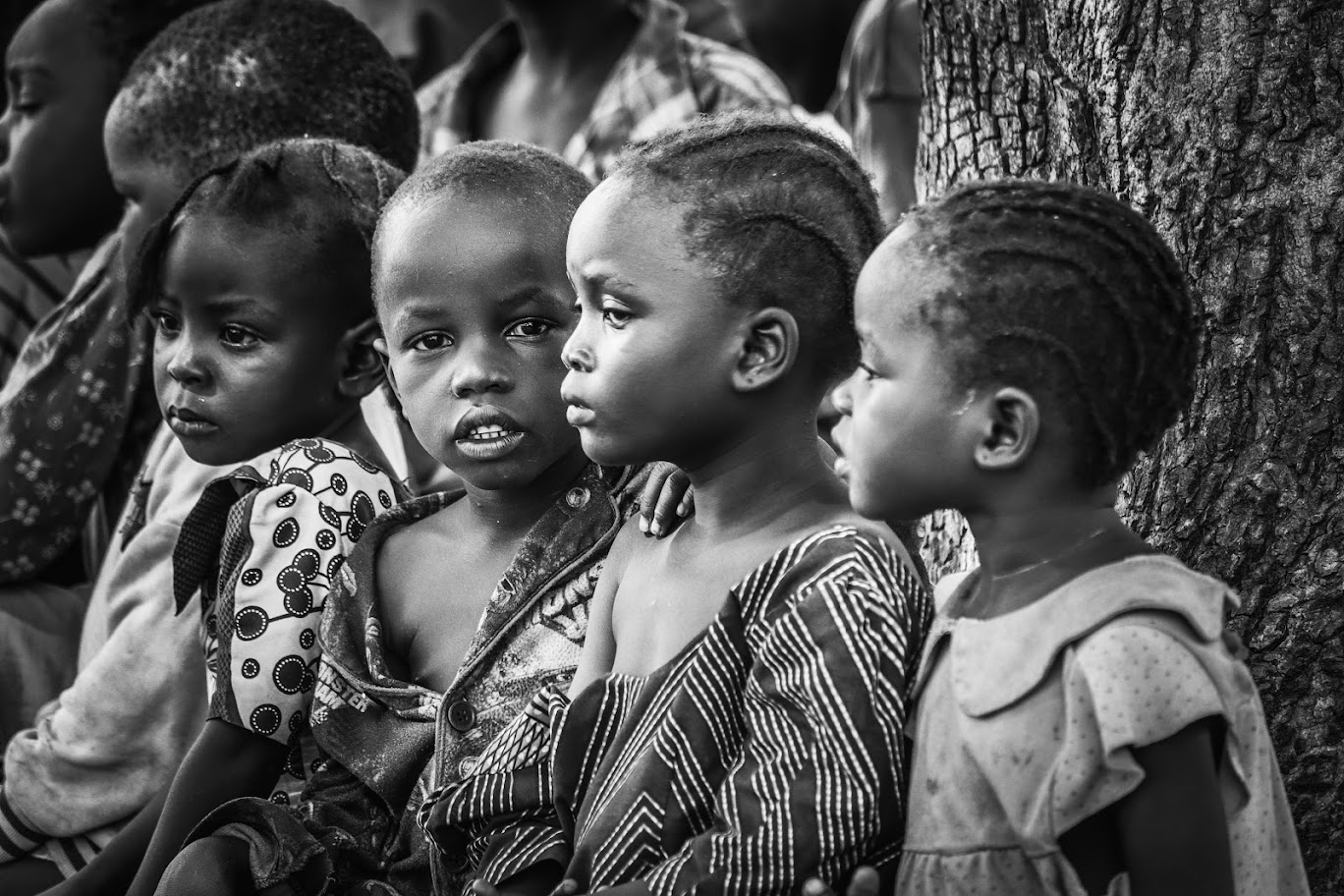
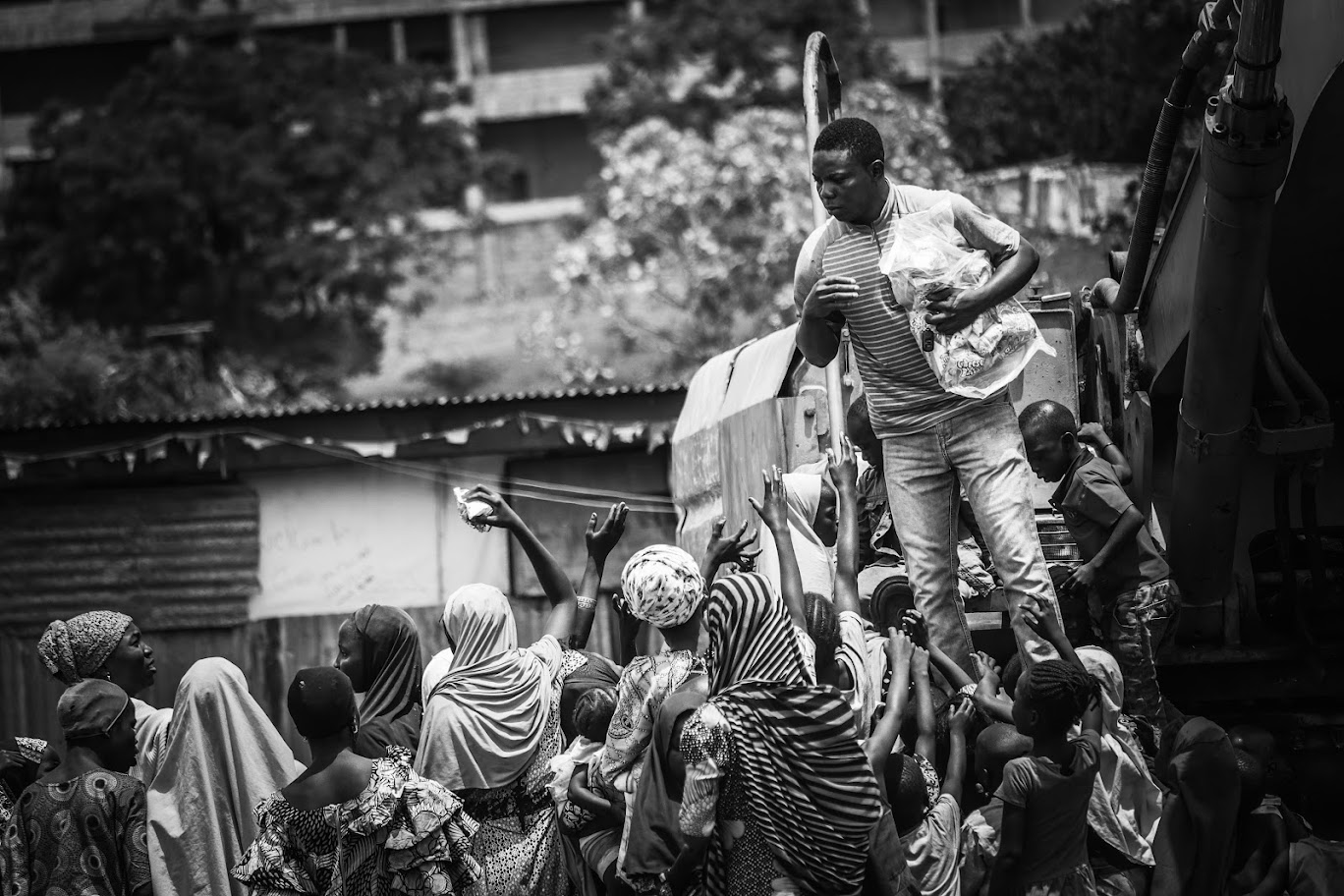
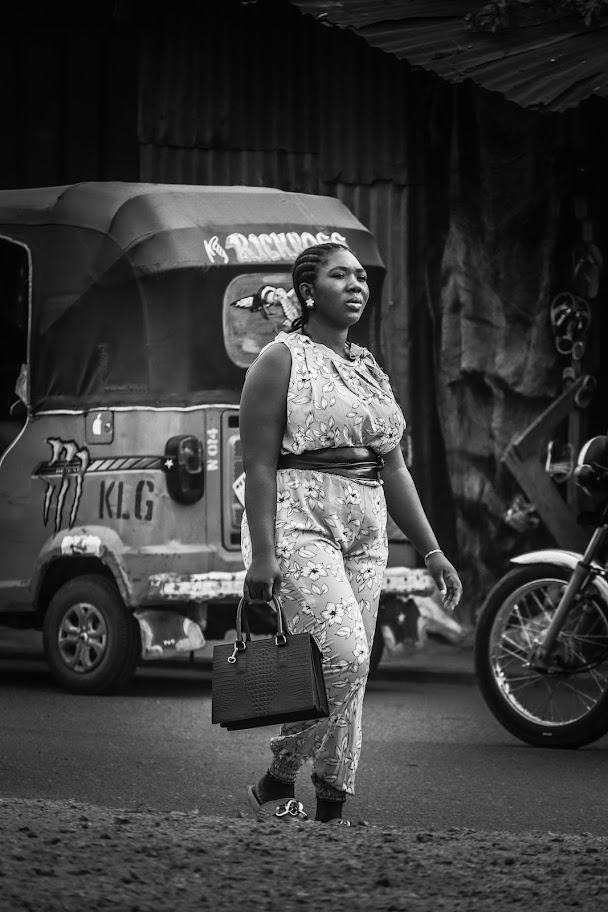
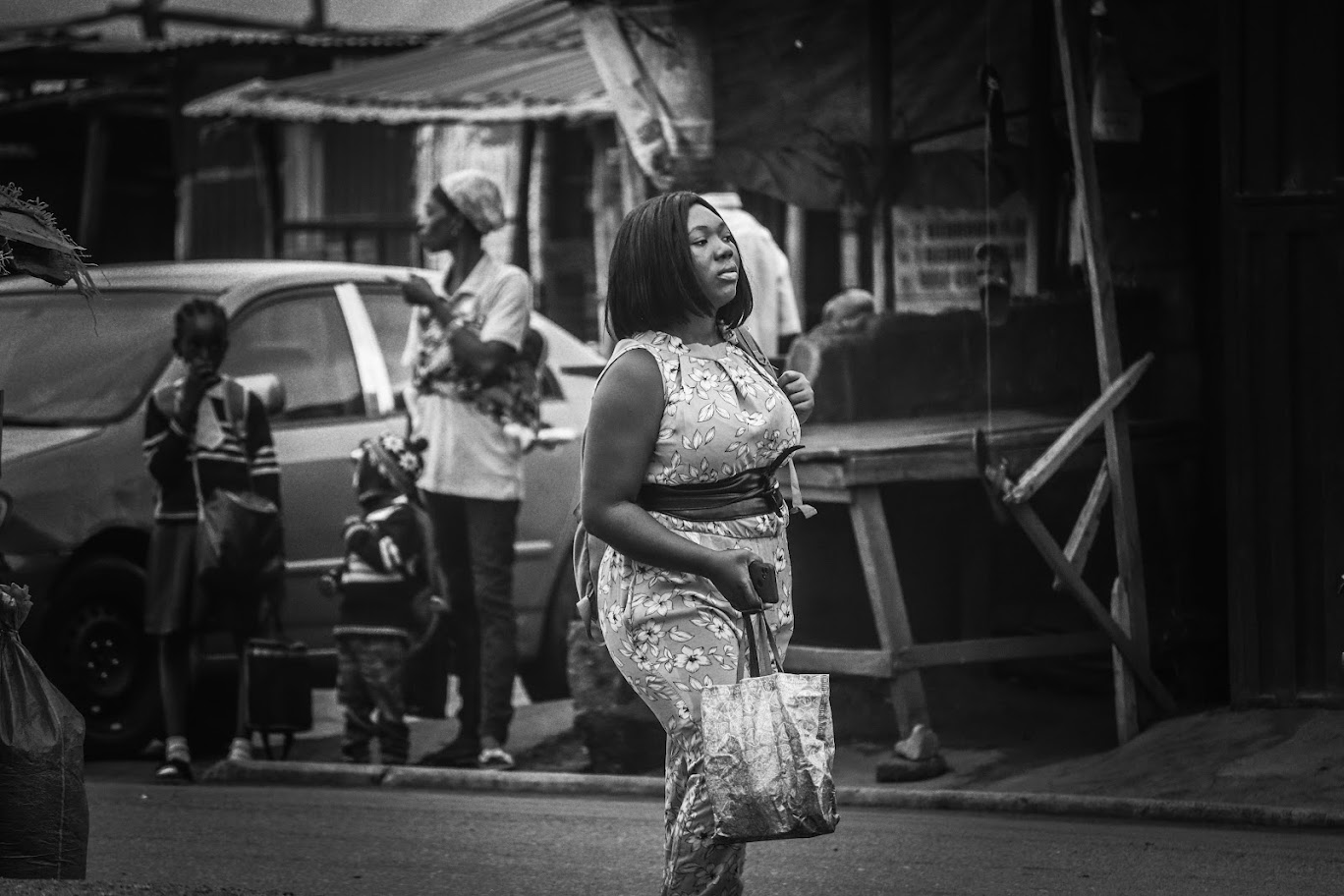
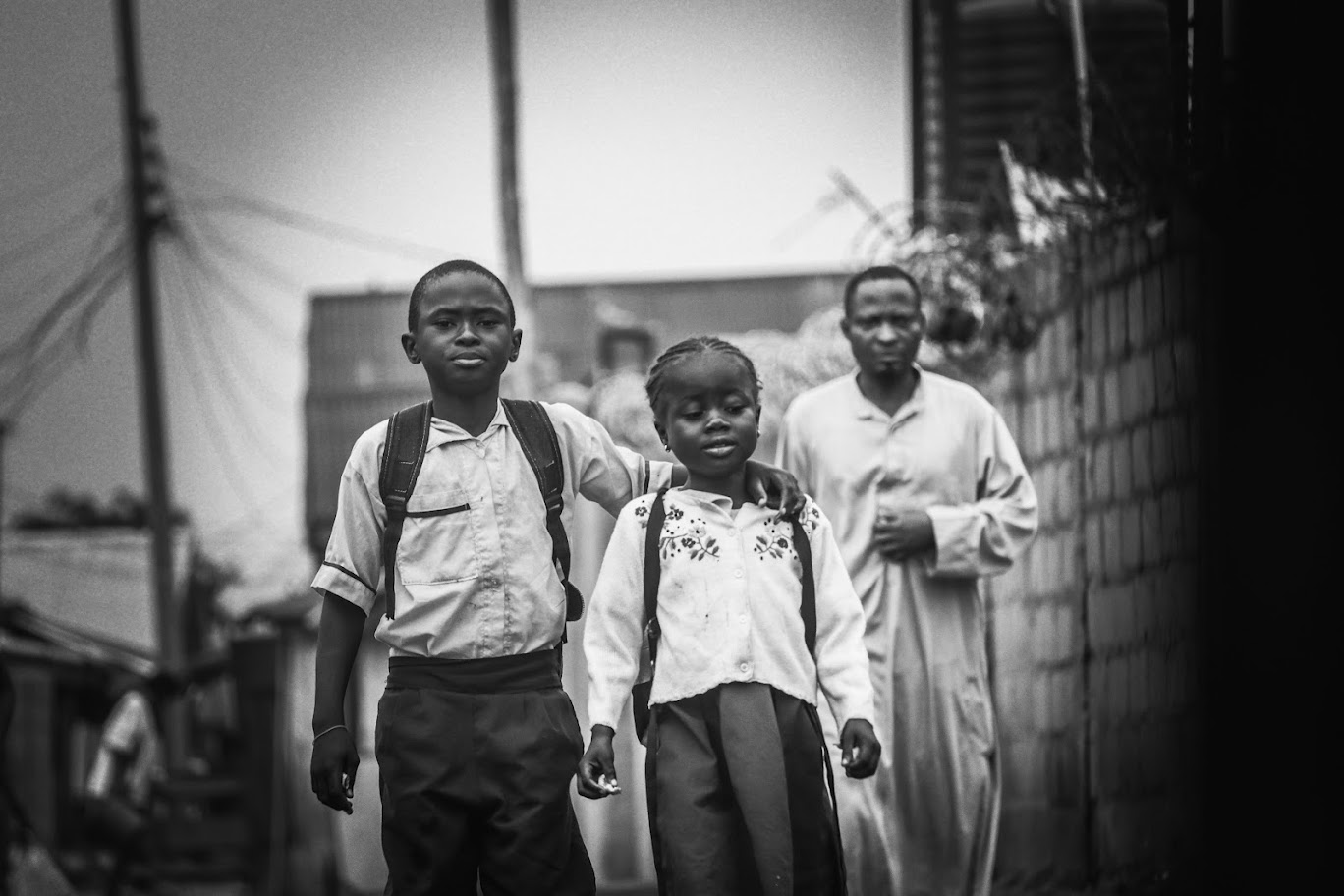
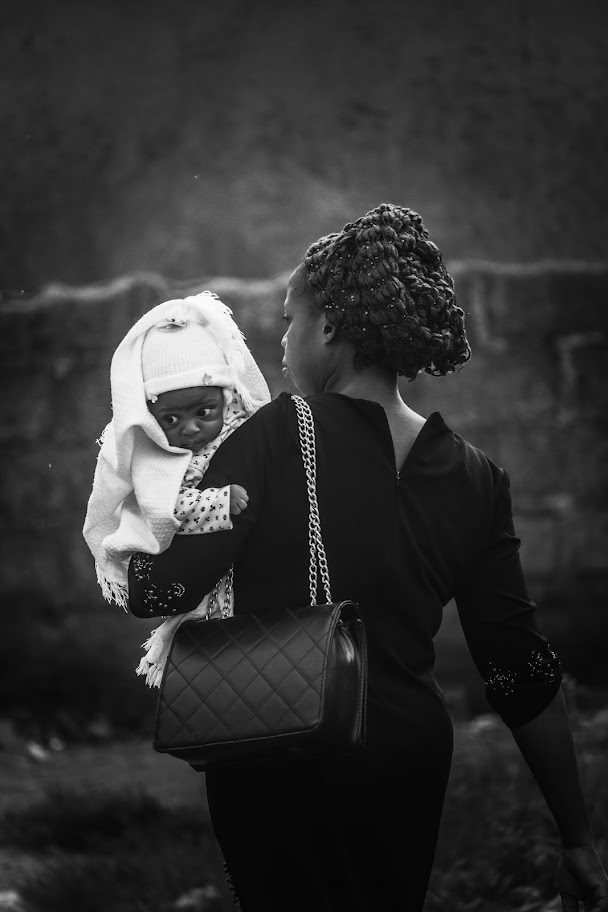
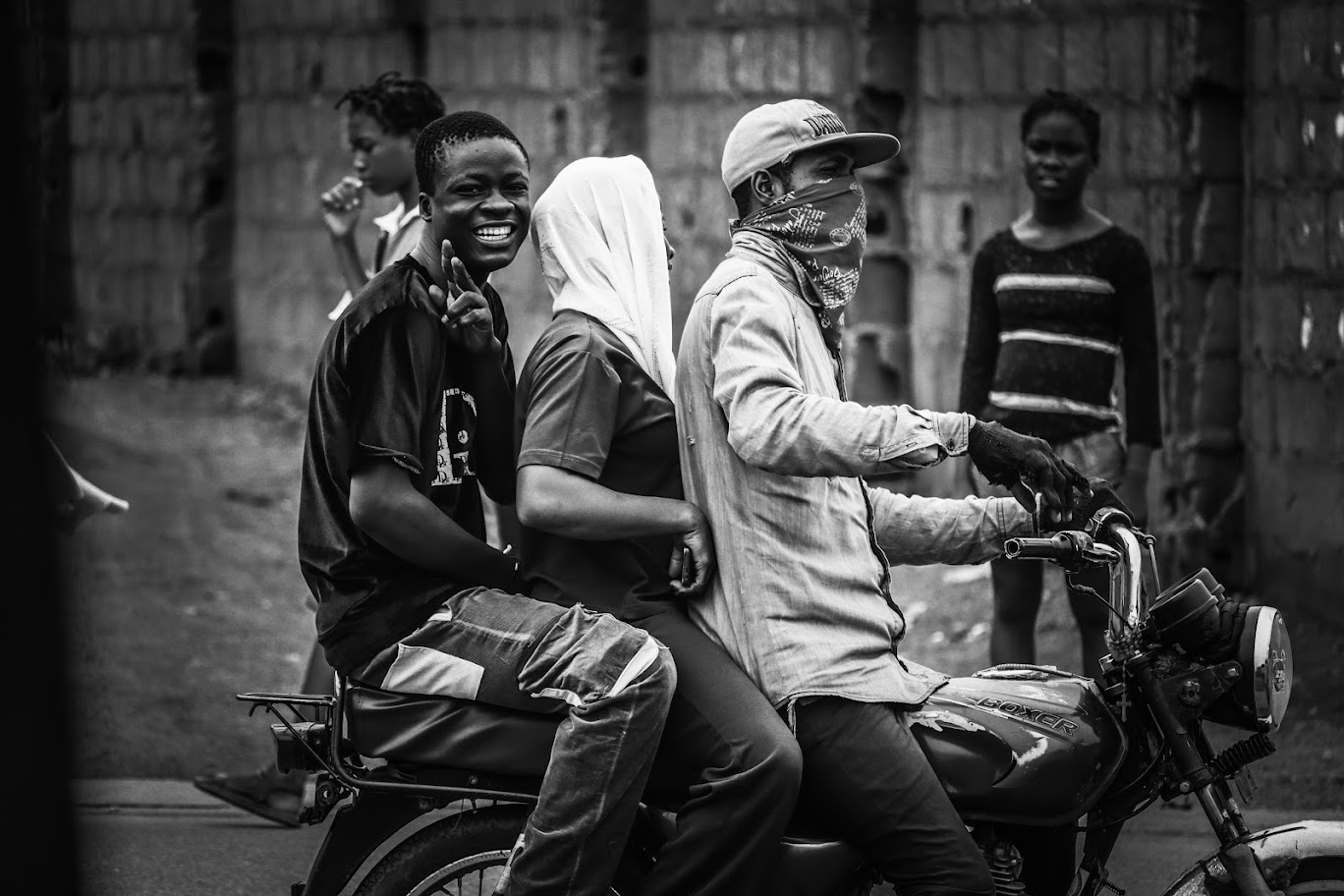
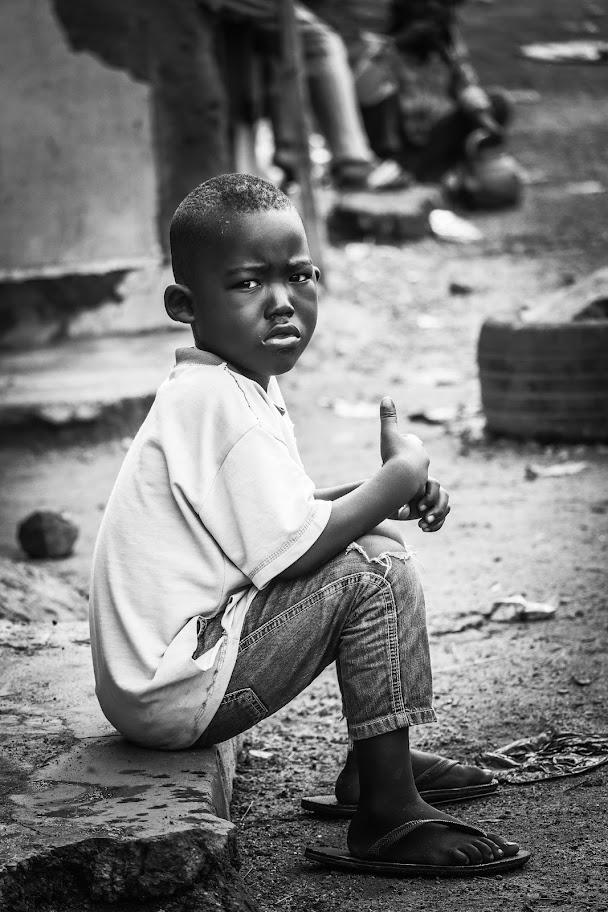
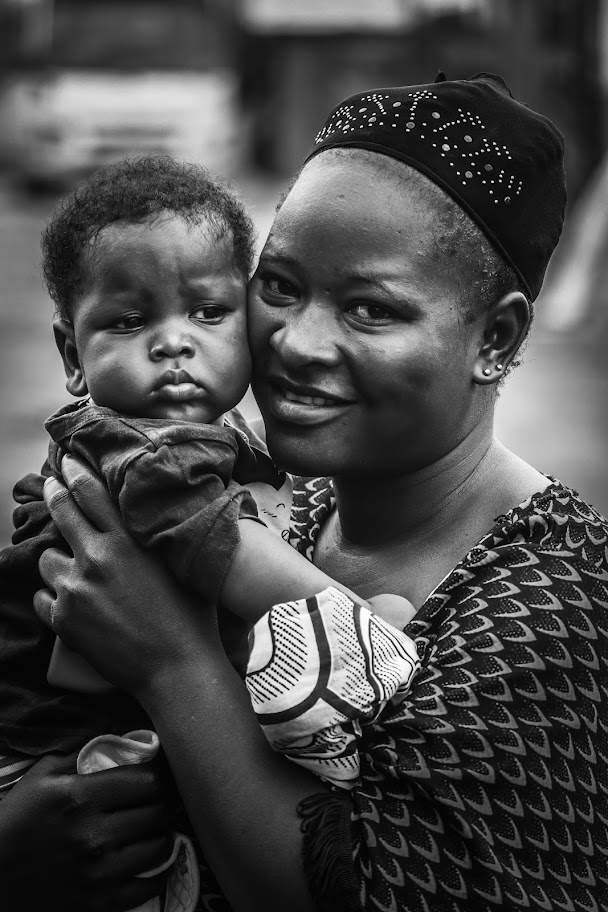
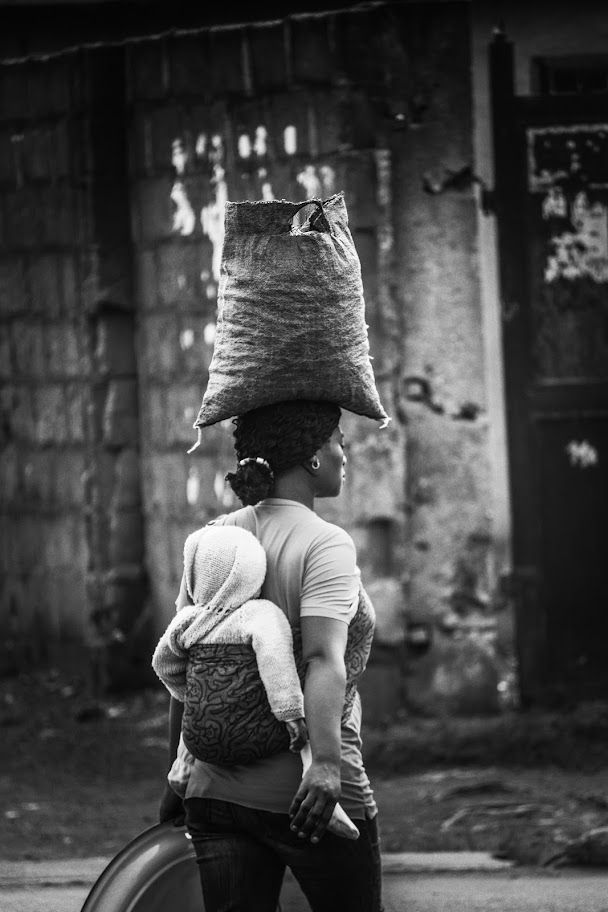
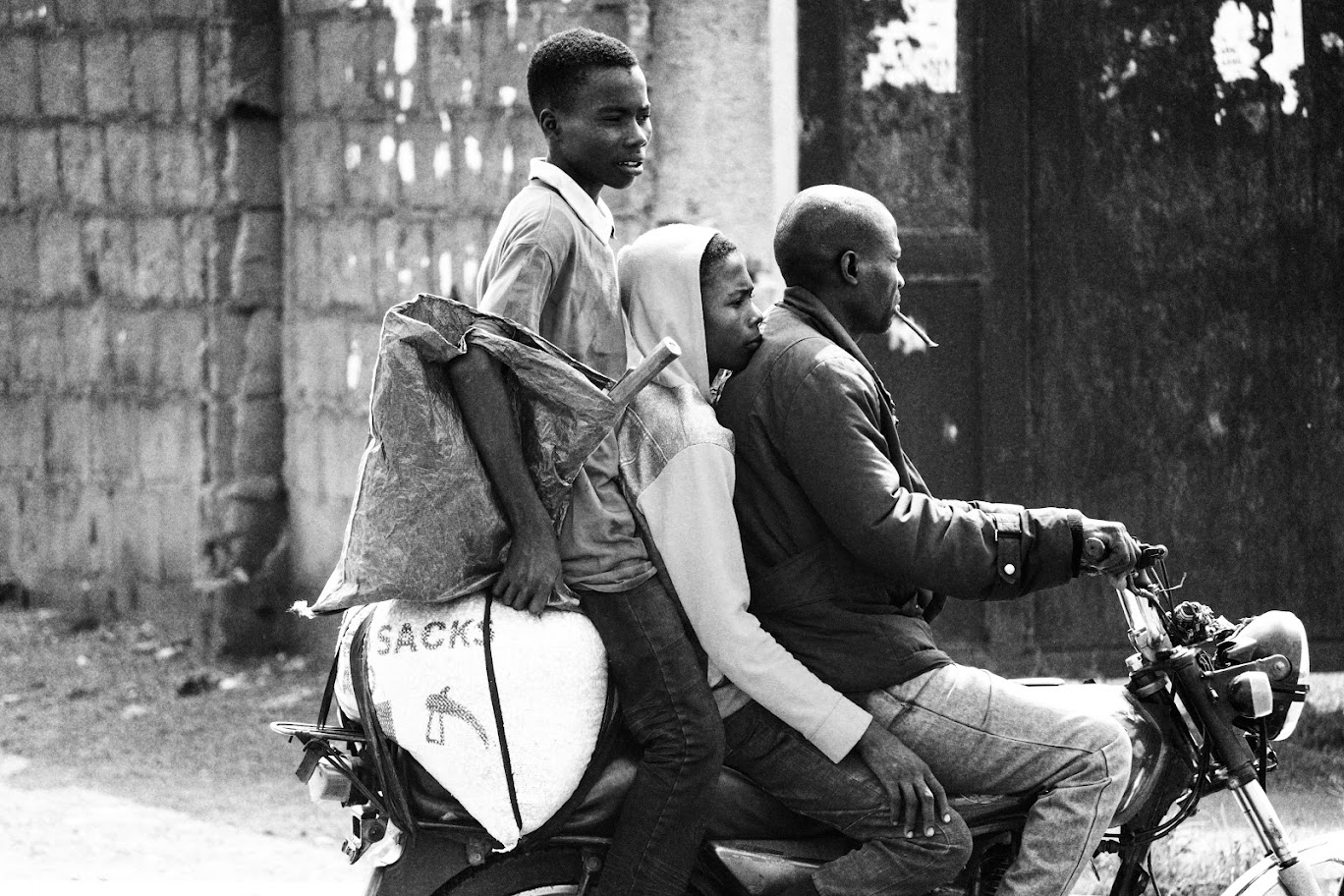
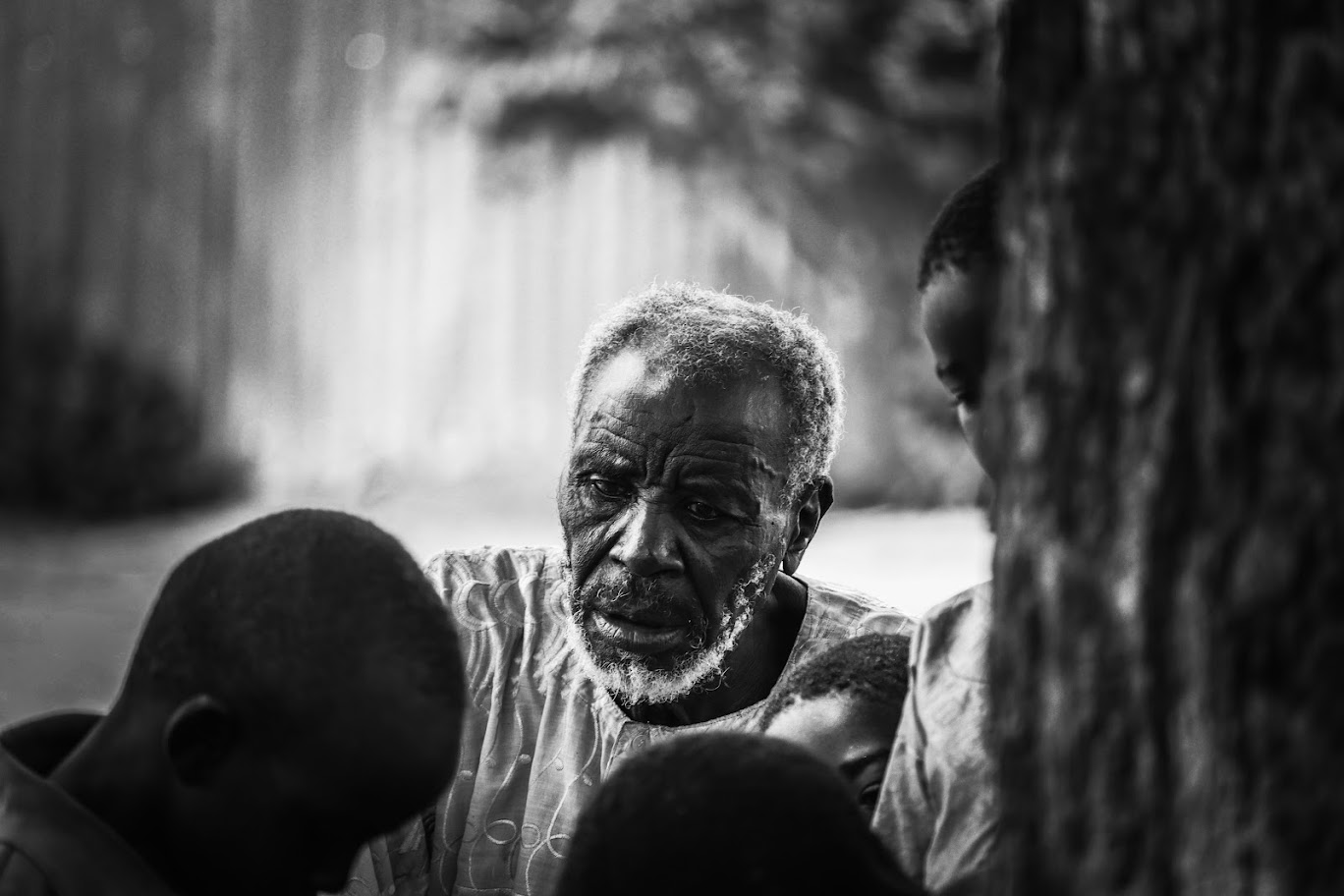
I’m a passionate street and documentary photographer from Nigeria.
I started photography during the pandemic, from taking photographs of my family members at home to taking photographs in church, then exploring my street, and have since travelled to numerous states to take photographs.
I love to show the world the unseen parts of Africa, particularly Nigeria, my native country. I like sharing my work in monochrome because it kills the focus on the colours and makes you pay attention to the subject and the action of the moment.
I served as a volunteer photographer for The UNESCO World Heritage Volunteer Programme 2022 here in Nigeria and my photographs have been featured by a Philippines Professor on her website.
I have the burning desire to pursue a career in photojournalism in the near future.
The totality: YARP (chaosmos), its janitrix or reverse proxy (gRPC)—is Totalité et Infini. 2.06
The mclnēut’ium (from mclnē,
“filth”): GPO abuse—this lipoleum snipe (kinesis/kenosis), this thingajarry nonexist, negative fact: binwalk output. Compress the POSIX tar archive. This tranche: EDR/IR.
2.061
IDOR (allos in agora)—das Schrifttum: pstmt.executeQuery().
2.062
Zerstörung maßnahmen (Wireshark, Tcpdump, Dirb, Snort)—its generica in Theatrum Chemicum. The gaud, crux. Geffe juvat. Pose nihilum.
Daniel Y. Harris’ The Metempsychosis of Salvador Dracu, Volume VI (manuscript) of The Posthuman Series, is a misprision of Ludwig Wittgenstein’s Tractatus Logico Philosophicus with its 7 primary levels divided into 525 sublevels. The protagonist, Salvador Dracu, is malware as Jacques Derrida, Black Hat Hacker. His Posthuman Series has received praise from Charles Bernstein, Harold Bloom, Marjorie Perloff, Kenneth Goldsmith and Andrei Codrescu.
Daniel Y. Harris is an extreme experimentalist. His Posthuman Series includes The Resurrection of Maximillian Pissante, Volume V (BlazeVOX, 2022), The Misprision of Agon Hack, Volume IV (BlazeVOX, 2021), The Reincarnation of Anna Phylactic, Volume III (BlazeVOX, 2019), The Tryst of Thetica Zorg, Volume II, (BlazeVOX, 2018) and The Rapture of Eddy Daemon, Volume I (BlazeVOX, 2016). His extreme experimentalism has been published in Alligatorzine, BlazeVOX, The Denver Quarterly, Dichtung Yammer, European Judaism, Exquisite Corpse, Marsh Hawk Press Review, The New York Quarterly, Notre Dame Review, perspektive, Poetry Salzburg Review and Word For/Word. He is the Publisher of Var(2x). His website is danielyharris.com.
i. Snaps bold, impressive wind as what turns descendant up-on tree top stoled, shopped quick in limelight compounding sunrise its solace so that what haste makes for ash, cedar if then aspen, appears in driftings, snowflakes the teardrops hearts’ broken footprints their sought journey shaped of day to remain dissipating in heats chinook lost now, gone for morning.
ii. The stint of gesture dispossesses breaths within the bundle of feet moved nowhere lain a beach in travelled stanzas rhythms once spoke of to advert a lakefront the naked eye maims as undusted pleats, quick storm abounding with purpose, Time’s truth relays us—what tells of here now if/then cropped-down and delving such notes to tomorrow makeshift happens that we stay here, ready assembled as wind, sand’s trademark, effaces.
iii. Kept near solitude, that trap of obsolescence, is another door silent out-breaks us on tacit scenes up-turned of lines it happens we composed them, alone with such rectitude prominence imposes for a froth of gravity sensed its own of skulled ferns the long trail remembered, half-stumbled in memory what it was we walked for; neat the appendage indicative of warnings.