
mist in the hills

a paulownia leaf

drifts and falls

back to sleep

. . . on heavy meds


the trodden path

of forest scent

autumn's voice

dampened by

the sound of rain


stifling

the silence after

a cold autumn storm

recovery begins

then the relapse


good news

bad news

autumn mountains

the rainbow brighter

near its end


under

the tall pasture grass

fescue sprouts

where she last raked

end of autumn


Christina Chin / M. R. Defibaugh
Category Archives: CHAOS
Poetry from Jalaal Raji
THE BLIND ARCHER

Oh Love, how unfair and rude are you
Shots without permission, of two hearts, one
Makes him suffer the pain of heart, one blur hue
While the other freely live in vain and fun
With your arrows and bow, one like the mouth
of a bay, you’ve made many a deceived sheep
fall in love with the mouth-watering wolf, its death
While he thinks he’d give him a sound sleep
And Echo with Narcissus, the narcissistic angel-boy
That her voice, in the cave she waited, vitiated to echo
And through you she avenged on the one that toy
For you made him fall for a self-nymph, his reflect

Harmless you look though armed
Can’t see that, because you’re blind
Though sweet you infect, you’re wicked

But the love of Aphrodite, your mother
Is one soft, gentle, loyal and tender
For she comes abreast only when you bid her
That sweet I crave for in, and further
On her lips I slept off when I kissed her
For her love compared to yours is sweeter
Shall you continue to make monkey fall for sparrow
And you, partially with Psyche, but your bow and arrow
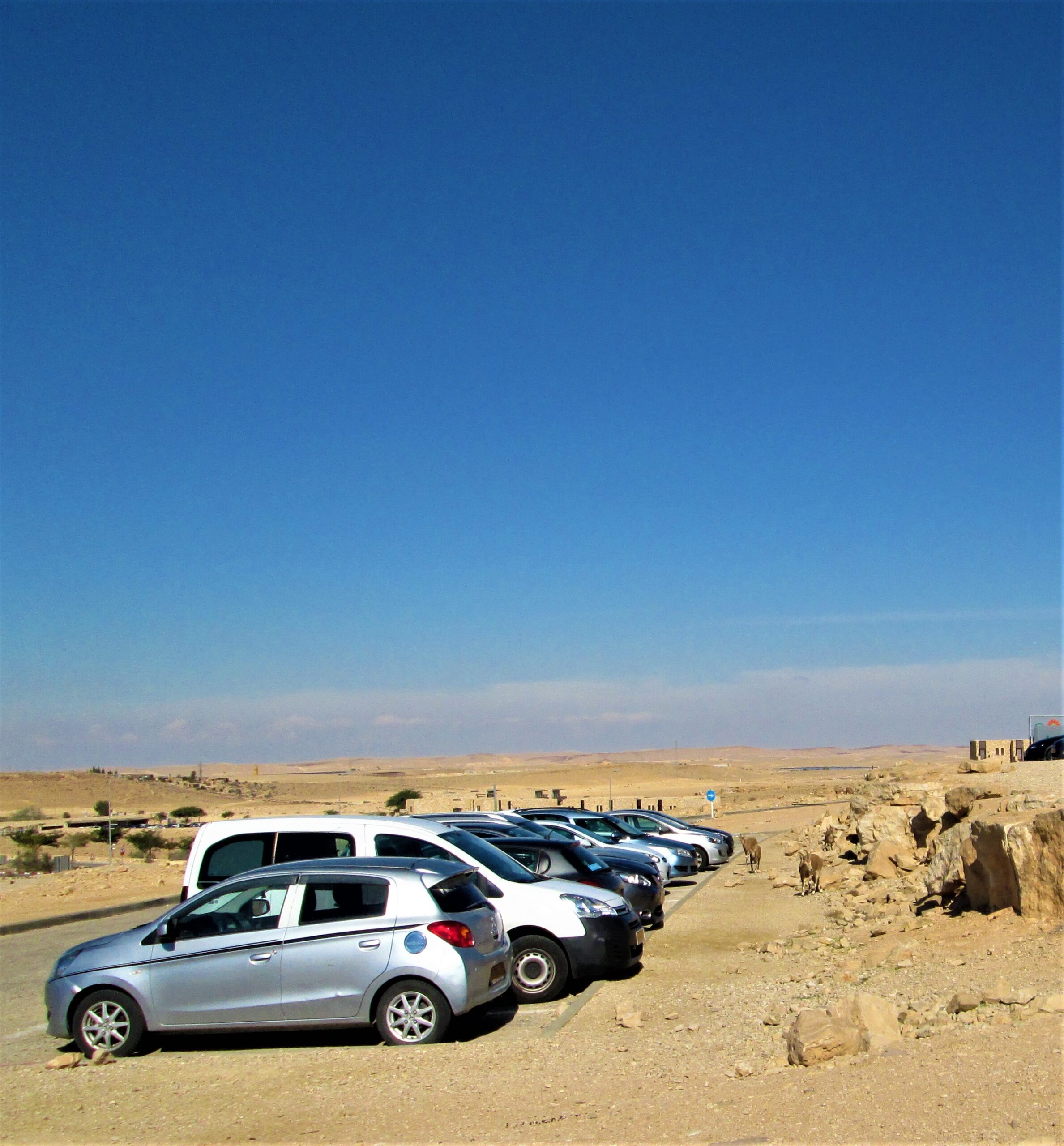
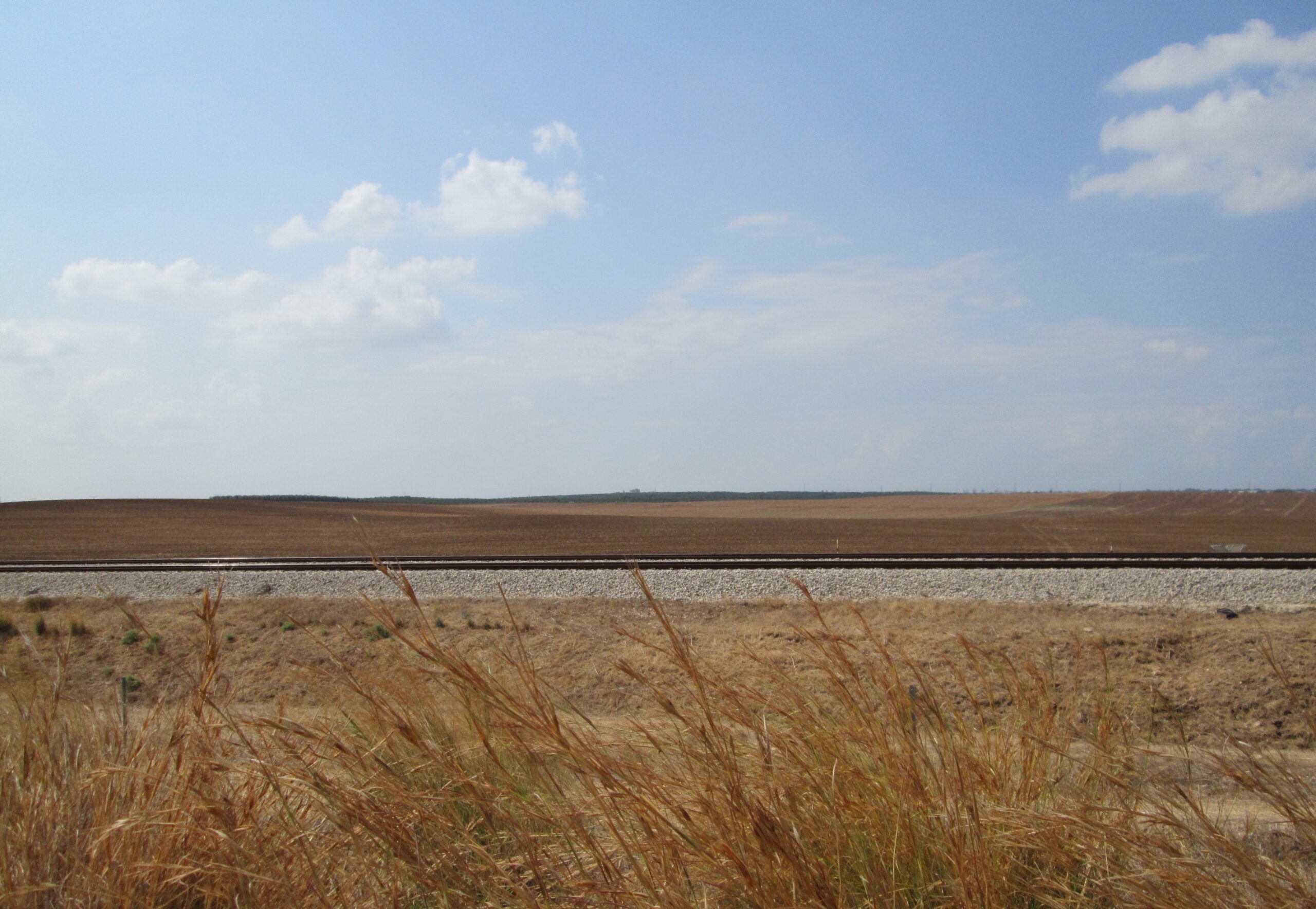
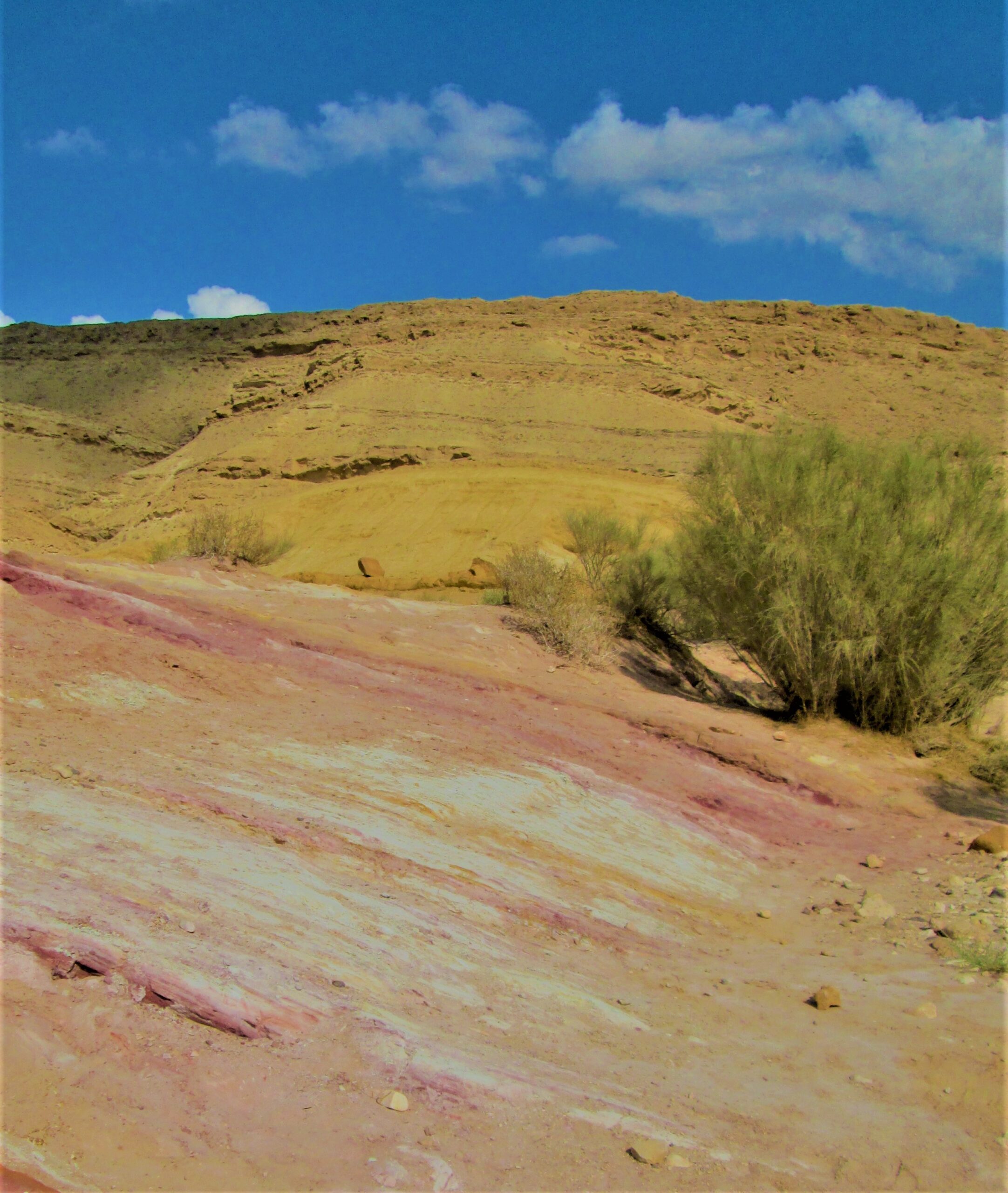
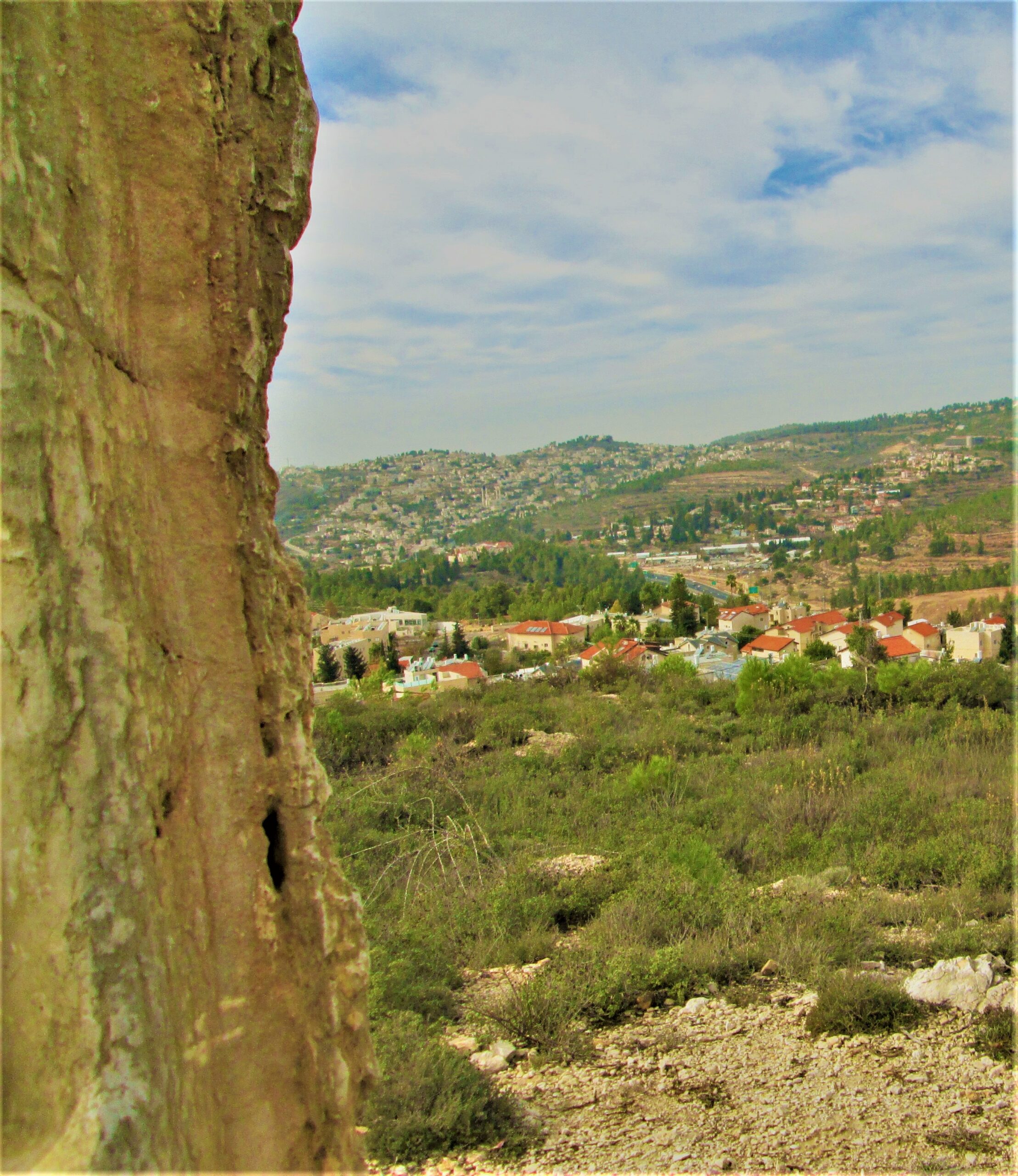
Photos from Channie Greenberg

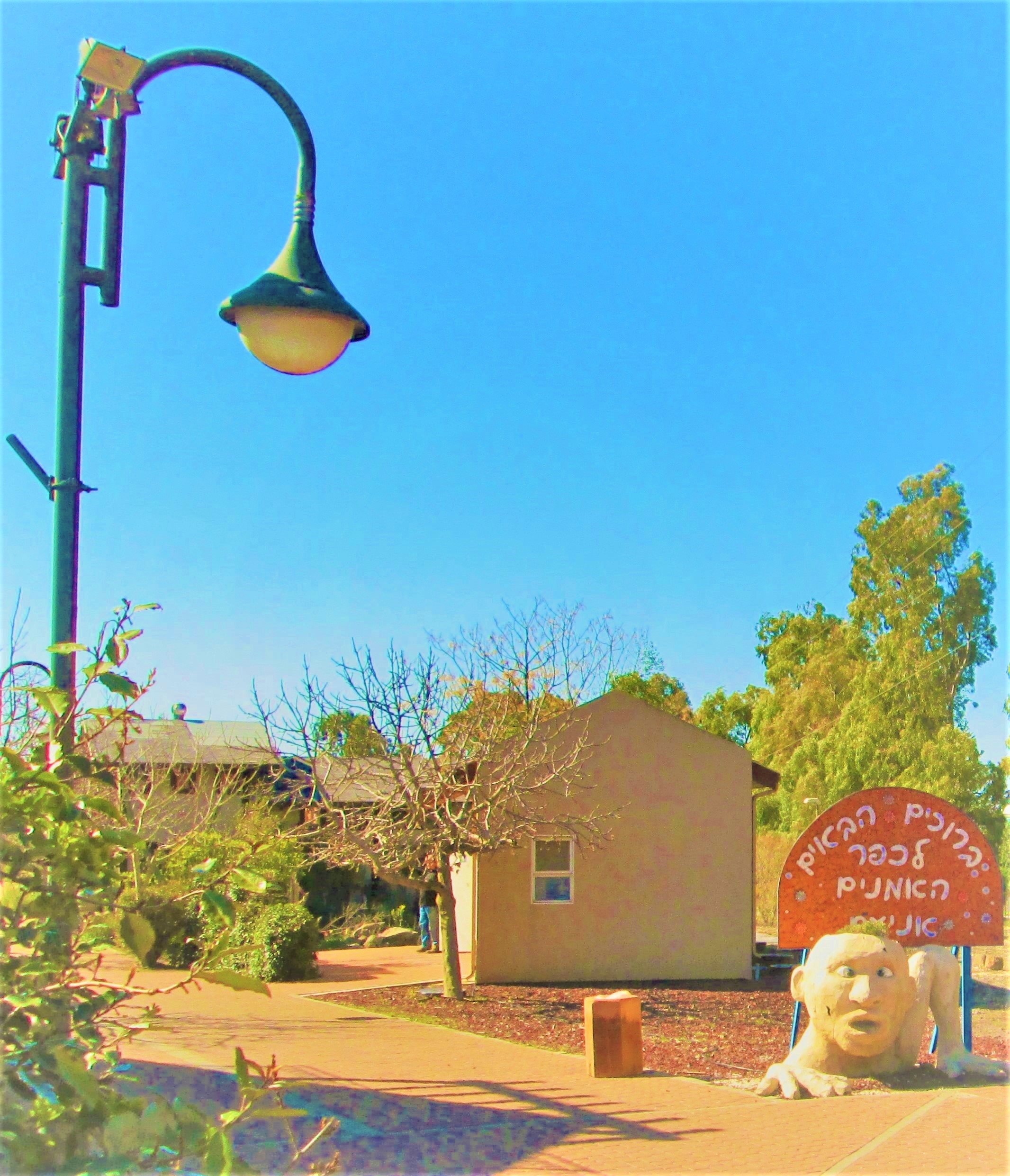
Poetry from J.J. Campbell
to kill any horse around

welcome to the place
where laughter died

where the dreams of
innocent children are
hung from a tree for
the birds to pick at
and eventually
slaughter

where the crosses are
burned with the same
gasoline that the police
use to trap the wrong
colors on the wrong
street on the wrong
side of this town

where the ghosts have
enough drugs on them
to kill any horse around

where old poets seek
a quiet death in some
abandoned relic of a
vibrant past

when the creative ones
only have violence left

run for the fucking hills
--------------------------------------------------------------------
nice and festive

they have the christmas
decorations up at the
hospital

they look nice and festive

it's a quick smile before
the doom starts a few
doors down
----------------------------------------------------------------
sink deeper

old lovers laugh
at me as i sink
deeper into this
fucking depression

all chances now
officially pissed
away

toxic isn't even
the beginning of
it

but the urgency
of now still exists

one fist for the bottle

both fists for the gun

there's bound to be
a cold, lonely night
before too long
---------------------------------------------------------------------
i should change my ways

my doctor told me
the other day alcohol
was slowly killing
me

i laughed and said
my plan was finally
working

he didn't seem
amused

told me i should
change my ways

that train left years
ago i told him

i'm closer to being
one of my heroes
now

he said i should
pick better ones

i laughed and told
him if i would have
had his life of privilege
maybe that would have
been possible
----------------------------------------------------------------------
a little closer than these old people were comfortable with

i was following a
blue car out of town

i was running late
and the blue car
couldn't give two
shits about going
the speed limit

i never tried passing
the car

i probably did get
a little closer than
these old people
were comfortable
with

i breezed by them
once we got on the
highway, never
bothering to even
look over

i was on the off ramp
getting ready to turn
when that blue car
came by in the other
lane honking the horn
and giving me the finger

i laughed

hopefully, i'll get the
chance to see that blue
car in town one day

you know, return
the favor so to speak
Film review from Jaylan Salah
Why the world needs more unlikeable female heroes
Emily is no criminal.
She’s the male anti-hero viewers have been fed to love and pine throughout the pre #MeToo era. She’s not likable, doesn’t talk about her past or present, and does not try to save or be saved, and when the heat comes around the corner, she flees.
Emily is the Neil McCauley to viewers’ Lt. Hannah, and she knows how to play it cool even at the darkest times. Her violence seems impeccable but shaky contrary to badass women in movies. She’s relatable and could have been any woman who has found herself in a situation where only the fight vs. flight responses stir the wheel.
In John Patton Ford’s “Emily the Criminal,” poverty, classism, misogyny, and injustice take over the action-packed hour-and-a-half feature. In no way do these heavy topics seem squeezed or rhetoric as they stem from a solid narrative, authentic and faithful to the story about how someone’s life could complicate as the system disables them from finding a way to succeed without going astray. Like McCauley’s determination never to go back to prison, Emily’s determination to pay her loans and never face another day with her face down drives the narrative. Her reactive violence has made her into the modern-day hero that viewers can easily root for. She’s no otherworldly strong woman who eats men for breakfast. Emily is afraid, hurt, bent, threatened, and insulted. But the difference from the other women in action movies is that she fights back with no prior training required.
Emily uses the MacGuffins thrown her way or the ones she randomly finds. Emily challenges the modern workforce, toxic femininity in the workplace, and the hypocrisy of women in managerial positions. She demands equal treatment from female managers who supposedly have made it, denouncing younger women who have to scrap a living while reminding them of how their “struggles were harder” and their fight against patriarchal male-dominated workplace “acts of martyrdom”.
Aubrey Plaza’s deadpan, serious, expressionless, tired, and worn-out features relate to other female viewers. Her realistic-looking face and skin of a woman who does not have time for skincare or beautification immediately hooked me. It is not some Hollywood pampered celebrity wearing shabby clothes to look “poor”. She has the face of a woman who has tasted misery, fear, financial tightness, and a hectic lifestyle. The contrast between Emily and her friend Liz shows through both actresses’ looks and clothing styles. The dialogue reveals a lot without being blatant. It draws people in through attention to detail where they get glimpses into Emily’s endless work shifts and sleepless nights. The film’s social commentary is bold but never takes center stage, allowing the main protagonist to shine and let the commentary and criticism flow through her. Scenes shot from the back a la French films styles (think Xavier Dolan and the Dardenne brothers) take the viewer on a journey where doors slam shut, food trays are delivered, corridors are walked, and business is sealed. The multiple times Emily has been shot from the back add to her mystery and turn her into a complex riddle that viewers strive to solve.
One of the highlights of the film is Emily’s relationship with Youcef. The sexual tension between the two characters is highlighted beautifully and with elegance. The film portrays Youcef through a sympathetic, understanding lens. He seems like an Arab character seen through the French filmmaker’s lens, as opposed to how most Arabs appear in popular American movies. Youcef lacks Emily’s boldness and assuredness, but his layered, complex relationship with women shows through the scenes where he blames her or allows her to be bullied by his controlling relative. The tender and intimate relationship between an Arab son and his Mama are shown beautifully in one of the rare peaceful scenes in the film. Viewers mostly watch it through Emily’s unflinching -yet mesmerized gaze- as she follows around the warm relationship between mother and son, which may hint at her lack of a similar familial experience.
The film dismisses Emily’s artistic side. That adds to the film’s supremacy as it clearly shows how dire financial situations and low social status suffocate the art and cause some artists to give up, or throw their talent behind out of frustration or self-loathing. Emily is an artist at heart, but she hates herself for not being the artist she is meant to be, so she denies it anytime someone brings it up. This part hit home for me, as I have been a struggling poet throughout my life, and during many stages, I have had to give up on my art and compensate it for regular jobs which pay little and do not satisfy the artist’s hungry soul. These dark phases have turned my relationship with my craft a bit unstable but also erratic, and it has taken me a while to get back on track in terms of reaching an upward curve that could have been present if not for the year’s gaps and interruptions.
The Emilys of our modern time matter. Recently dark, comical, sexual, and dangerous female characters have emerged in film or TV, but characters like Emily Benetto need to be more seen and heard. Their simplicity and relatability will resonate with many women worldwide watching and feeling burdened by social, economic, or societal injustice. Emily may not be a hero, but that’s why she needs to exist in a fictional world that seems horrifyingly similar to ours. We need the Emilys that empower the average workaholic woman.
The modern, practical, workaholic woman doesn’t need to cater to patriarchy. She needs outlet and catharsis through Ti West’s “Pearl” or Jennifer Kaytin Robinson’s “Do Revenge”, “Emily the Criminal” is a milestone in having the George Clooney and Brad Pitt complex misunderstood but lovable characters. They are mean, snarky, sneaky, unreliable, and narcissistic, but that’s part of their charm. Emily is by no means the poster kid for the female workers’ alliance -leave that to Norma Rae (1979)- but she has been suffering and facing unrealistic expectations from future jobs she applies to. That leads to her refusing to take bullshit from anybody, not a lover, a coworker, and especially not from a dark-rimmed glasses female superior who lectures her on generational differences in taking down the patriarchy in the workplace.
Poetry from Gaurav Ojha
FREE, IF your past can’t recognize you for what you are now

Free, IF you know that the face you carry is a mask that has been unmasked many times

Free, IF you realize that you are a pretender that you always wanted to become

Free, IF you can think even when they want to think for themselves but they can’t

Free, IF you let your life speak rather than measure your being on the shadows of other lives

FREE,  you want to try again, even IF you have been tested out many times

Free, IF you remain interested in something just to feel its resonances in your bones

Free, IF you can travel on a bumpy road that doesn’t have any destination

Free, IF you can let go of everythings you have for who you are

FREE, IF you realize that your a selfish gene and you are only here for a brief survival

Free, IF you recognize the difference between having and being

Free, even IF someone  closes the door on you, we are all under the same sky

Free, IF you can imagine a possibility even when without any probability

Free, IF you can walk in and out of the market without buying anything

Free, IF you can suspect what you have been told with what has been discovered

Free, even IF you have chosen the most traveled way, you know there is no other way out

FREE, IF you are not framed within an idea or identity, which says you are us/not like them

Free, IF you can meet someone for that moment, without diluting her present with past

Free, IF you know that you have to carry a rock to the hilltop and roll the burden down

Free, IF you realize that it's just a circus in rounds and the audiences admire their clowns

FREE, IF you can find ALL in NOTHING and Nothing in All
Poetry from Christina Chin and Uchechukwu Onyedikam
reflection

mirror of something —

the hummingbird

mistakes

for a mate


sundown…

hungry after

an evening walk

the village dweller

making fire


the homeless man

lives by the day

the sun sets on a stray dog

at my backyard

maybe it's love


the sparrow

in and out of the nest

mother's love

a child and his father

where she calls home


time escapes hold

on the local train

with lit of cheer

on the dust

powdered faces


the departed soul

with the void

no return

only if he has

no attachments


always

the question of 'to-who'

follow the owl

the new moon's emissary


to salvation


fifteenth night

of the seventh lunar moon

she's been...

the ghost i recognize

in this graveyard


unread

messages…

rainy night

gently pounding the roof


heartbreak hotel


the vibrant

deep and jazzy voice

in her belly

the old soul

sun & moon