Cervical Cancer in Adolescent Girls (HPV — Human Papillomavirus)
Cervical cancer is one of the most serious and widespread oncological diseases affecting women worldwide. The primary cause of this disease is the human papillomavirus (HPV), a common virus that is mainly transmitted through sexual contact. While most HPV infections resolve spontaneously, certain high-risk types of the virus can cause abnormal changes in cervical cells, which may eventually develop into cancer if left untreated.
In adolescent girls, HPV infection is often asymptomatic, making early detection difficult. Due to the immaturity of the immune system and lack of awareness, the virus may persist in the body for a long period. Factors such as early initiation of sexual activity, multiple sexual partners, weakened immunity, and insufficient access to preventive healthcare increase the risk of cervical cancer development.
Effective prevention strategies play a crucial role in reducing the incidence of cervical cancer. Vaccination against HPV at an early age is considered the most reliable method of prevention. In addition, promoting a healthy lifestyle, providing sexual health education, and encouraging regular gynecological examinations are essential measures for early diagnosis. Timely detection of precancerous changes significantly improves treatment outcomes and reduces mortality rates.
Ahmedova Dilorom Mahmudovna is a leading lecturer in Pediatrics at the Abu Ali ibn Sina Public Health Technical School in Yangiyer.
The Human Factor in the Linguistic Picture of the World
Abstract:
This article discusses anthropocentric linguistics, its emergence, the main directions of this branch of linguistics, and the relationship between ideas expressed in language and the human factor.
Key words: anthropocentric linguistics, language, information, cultural code.
From the moment a human being is born and grows, almost all of their needs in life are expressed through language. By speaking, a person not only conveys information to others but also assimilates certain messages from them. All these processes are carried out through language, which serves as a means of communication. Thus, a human being is a user of language. However, interpreting the issue only in this way would be incorrect. Anthropocentric linguistics, which emerged in the nineteenth century, put forward exactly this principle. According to it, a human being not only uses language but also stands at its center, creates it, and expresses their emotional state and certain information through it. Anthropocentric linguistics embraces this aspect as a central concept. Indeed, a person can communicate almost every experience related to themselves and their inner world to society through language.
Before discussing the world and its linguistic picture, let us first answer the question of what language itself is. Language is understood as a set of units that are previously known to all members of a particular society, prepared for use, common and obligatory for everyone, serving to express thought and other purposes, as well as the laws governing the combination of these units. Ferdinand de Saussure defines language as “a system of linguistic signs that exists in the minds of the members of a society.” Roman Jakobson, in turn, describes language as “a code in which units are arranged in a certain system.” Indeed, as noted above, each element of the language system is prepared in advance for human speech.
Y. Stepanov expresses the following view on the concept of language: “Language is not only a system of signs but also a bearer of cultural meaning. Language is closely connected with culture; therefore, language is a cultural code.” The values formed over centuries by each nation and the elements associated with them are expressed in language. Values that reflect the identity of a nation introduce it to the entire world. For example, the image of the Uzbek people is embodied in the eyes of the world through national clothes such as adras and atlas, historical monuments, handicraft items, and national knives decorated with traditional patterns.
A code is a set of signs that is understandable to a particular group, consists of a specific system, and obeys certain rules. Therefore, since language is understandable to a nation and reflects its identity, it can also be perceived as a system of signs, that is, a code. The linguistic picture of the world refers to a set of characteristics unique to each nation that express its identity. Every people and every nation is unique and unrepeatable. Their languages are also diverse. Traditions and values naturally differ from one another as well. Undoubtedly, these elements related to a people find their expression in language.
Language is a means through which the inner world of a person is expressed in existence. Studying the language of a particular nation opens the way to studying that nation itself—its history, culture, and other elements closely connected with national identity. Even concepts related to time and temporality can be expressed in language. People’s culture of communication with one another, affectionate expressions toward children, attitudes toward animals, the plant world, and nature in general, as well as religious values and beliefs—all of these are reflected in language. Therefore, the linguistic picture of the world may differ among nations.
For example, in the Islamic world, there are halal foods permitted for consumption and haram foods that are forbidden. It is well known that a ram is considered a halal animal. At the same time, the name Qo‘chqor exists among the Uzbek people. This can be an example of an anthroponym (personal name) formed on the basis of religious concepts. This, in turn, illustrates the reflection of national mentality in language.
Let us consider another example: the bear is an animal commonly found in forests and mountainous regions. For instance, it is widespread in Russia. Due to the climate and nature familiar to them, this animal has, over the years, become one of the anthroponyms among the Russian people. This exemplifies the reflection of nature in language. Likewise, the Uzbek people have historically been a nation of craftsmen. They were mainly engaged in agriculture, horticulture, and handicrafts. As a result, this has been reflected in language, and names such as Teshavoy and Boltavoy have appeared among Uzbek anthroponyms.
Moreover, the Uzbek people have traditionally been child-loving, hospitable, and attentive to bonds of kindness and compassion. Naturally, this is also expressed in language. There are numerous proverbs, instructive stories, and fairy tales related to this in the Uzbek language. For example:
“A guest enters through the door, but their sustenance enters through the crack.”
In addition, words such as “mother,” “life,” and “homeland” in the Uzbek language do not convey the same lexical meaning in other languages. For instance, in Uzbek, ona (mother) is not merely a person who gives birth to a child, but also a symbol of affection and compassion. Since the mother is considered a sacred figure among our people, poems, epics, stories, and novellas glorifying her have been created. This concept is even mentioned in hadiths.
Let us take the concept of homeland as another example. For the Uzbek nation, homeland is the place where one is born and raised, where one’s umbilical cord blood was shed, where a mother’s lullaby was heard, where ancestors lived, where time was spent with loved ones, and where the joys of childhood were shared with friends. In the Uzbek language, there are many poems, epics, and proverbs related to the lexeme Vatan (Homeland), such as:
“If your homeland is peaceful, you are peaceful.”
“If your native land is safe, your face will not pale.”
“If you have a homeland, you have wealth.”
This word is expressed differently in different languages and conveys different meanings depending on the mentality of the people. Each language has its own subtle nuances of meaning. For example, in English it can be expressed by words such as homeland, country, or motherland. However, these words lack the emotional coloring inherent in the Uzbek concept of ona yurt (motherland). This is because customs and national feelings differ. Thus, we can understand that the human factor plays an important role in the formation, expression, and active use of every lexeme in speech.
In conclusion, language is the inner world of a human being. It expresses everything in its own way. Peoples living in hot, desert regions may love their sands and warm climate and express this in poems and epics, while those living in predominantly cold climates glorify their specific weather conditions. These elements even turn into similes and metaphors and are widely used in speech. Proverbs, folk songs, sayings, fairy tales, and other remarkable examples of oral folklore frequently contain expressions related to these elements. This is because language is always in motion. It is not merely a means of communication between people, but also a tool that expresses, interprets, and comprehends the model of the world as seen through human perception. Since peoples are different, and religions, languages, and cultures vary, the linguistic picture of the world also differs accordingly.
Fayziyeva Hafiza Alisher qizi was born on August 10, 2002, in Chust district, Namangan region. In 2024, she graduated from the Faculty of Philology of Namangan State University. Currently, she is a second-year master’s student at the Department of Philology of Namangan State Pedagogical Institute, where she is conducting scientific research on the topic “Anthropocentric Linguistics and Its Study.”
This article analyzes the medical, social, and psychological impacts of pandemics on public health. It examines health-related challenges caused by the widespread transmission of infectious diseases, changes in mental well-being, and the increasing burden on healthcare systems.
Keywords: pandemic, public health, infectious diseases, mental health, prevention.
Introduction
A pandemic is the widespread outbreak of an infectious disease across large regions, including multiple countries or the entire world. Throughout history, pandemics such as plague, influenza, tuberculosis, and COVID-19 have significantly affected all aspects of social life, particularly public health. In the modern era, pandemics are considered not only a medical issue but also a major social challenge.
Main Part
Pandemics primarily affect public health through physical illness. The rapid spread of infectious diseases increases morbidity and mortality rates among the population. Elderly individuals, children, and people with chronic illnesses are especially vulnerable and belong to high-risk groups.
Another important aspect is the impact of pandemics on mental health. Quarantine measures, social isolation, fear, and uncertainty contribute to increased stress, anxiety, and depression. These psychological consequences highlight the growing need for mental health support within society.
During pandemics, healthcare systems face severe challenges. Hospitals experience shortages of beds, medical staff are exposed to excessive workloads, and there may be limited access to medicines and medical equipment. As a result, the stability of healthcare systems is put at risk. Therefore, prevention and early diagnosis play a crucial role in protecting public health.
Pandemics also emphasize the importance of improving public health literacy. Adherence to hygiene rules, vaccination, and maintaining a healthy lifestyle are key factors in reducing the negative consequences of pandemics.
Conclusion
In conclusion, pandemics have a serious and multifaceted impact on public health. To minimize their negative effects, it is essential to strengthen healthcare systems, expand preventive measures, and increase attention to mental health. Only through a comprehensive approach can the consequences of pandemics be effectively managed.
References
World Health Organization (WHO) materials.
Fundamentals of Public Health. — Tashkent, 2021.
Educational materials on infectious diseases and their prevention.
The Chinese girls and various aloha purveyors bade me stay
So here sits I, on a balcony green with plants, envy and Green Edition Red Bull
I can see the pink Royal Hawaiian where my sister stayed, just across from where she rocked like Gin Blossoms and counted koi
Now I am a more mundane working-class guy, portrayed as teacher and coach
My staycation has stretched out to 29 years on this island
I’ve taken trips to Arizona, China, Georgia, Seattle, and California, but always leave my heart (sacrificed?), on Oahu and sometimes hide it in our small Chinatown.
Been to Maui, Kauai, and Hawaii, but my heart and soul are on Oahu.
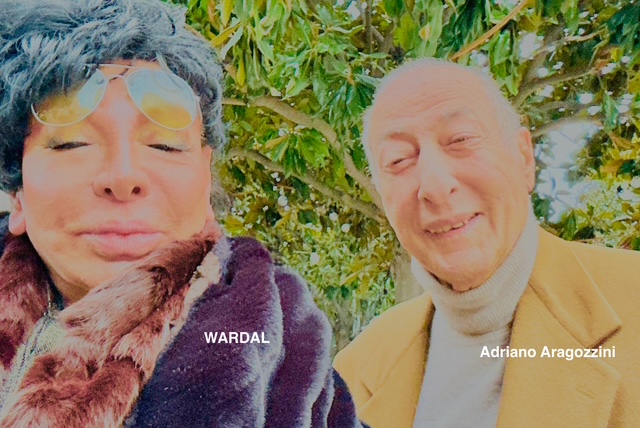
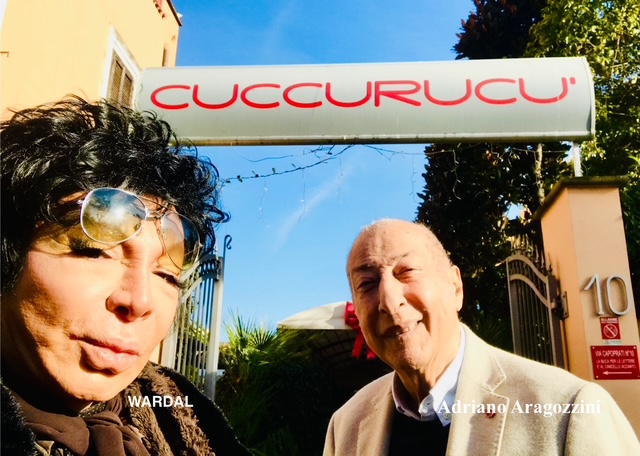
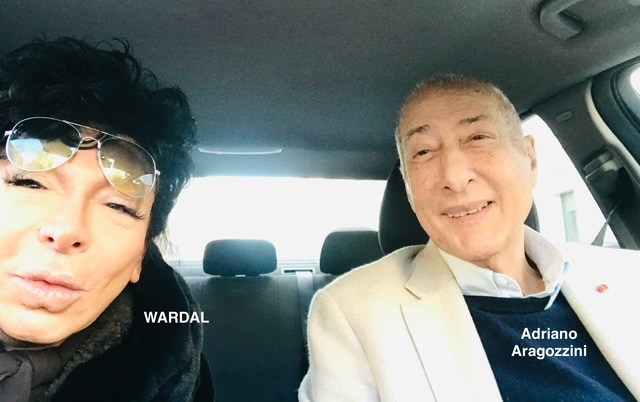
Adriano Aragozzini: The Most Extraordinary Artist Manager in the World
Rome. It’s the last day of 2025, and Adriano Aragozzini, the most extraordinary impresario in the world, has dedicated his latest book to me, a bestseller not only in Italy, entitled: “Tonight who sings is me “(Questa sera canto io), 462 pages that you devour in a few hours.
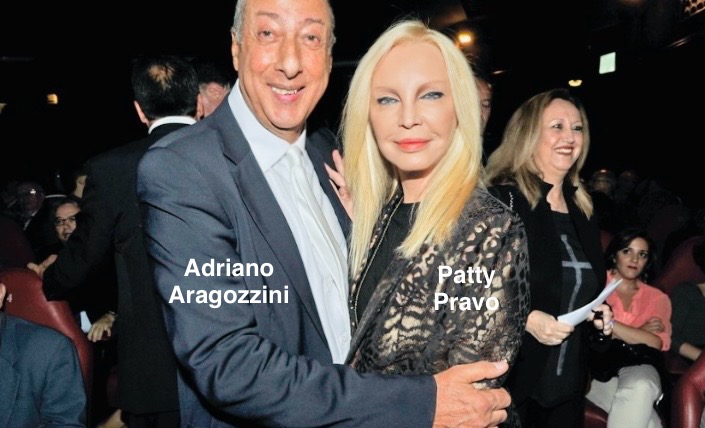
Adriano has an irresistible personality, and his book reflects it, taking us on a journey around the world with Tina Turner, Domenico Modugno, Sammy Davis Jr., Patty Pravo, Ray Charles, Gino Paoli, Sarah Vaughan, Luigi Tenco, Gloria Gaynor, and the Sanremo Festival, which Aragozzini made popular worldwide.
In this adventurous panorama, film stars such as Gina Lollobrigida and my mentor Federico Fellini and Andy Warhol, who competed with Fellini for my image, stand out.
Aragozzini recounts with unusual sincerity the “splendors, miseries, passions, betrayals, secrets, and transgressions,” as written on the book cover, of celebrities who are part of the fabric of our history from the 1960s to today.
An important chapter of the book tells of a truly unique experience, also because the protagonist of the episode, which spans years, is a singular character: the singer Patty Pravo, brilliant and iconic in all her manifestations and often in conflict with Aragozzini’s plans to increase her fame.
Aragozzini introduces Patty Pravo to Federico Fellini, who offers her a role in his film “Casanova”: Casanova duels with a man, and with his sword, tearing his antagonist’s shirt. This action reveals a breast, the true sex of this person.
At that time, in 1975, Fellini was the most famous and well paid director in the world, and Patty Pravo the most special and famous singer in Italy.
A considerable chance for Patty Pravo to probably establish herself worldwide.
Do you think the artist said “yes”? Of course you do!
It was, instead, a firm “no” from Patty Pravo and a consequent disappointment for Aragozzini.
The reasons?
Patty Pravo has a rather masculine voice and an androgynous physique.
Perhaps, then, Fellini’s idea didn’t seem very original to Patty Pravo.
Aragozzini introduced Patty Pravo to Andy Warhol, who didn’t offer the artist a role in his film, as Fellini had done, but instead proposed that the diva be the protagonist of his film.
Do you think the artist said “yes”? Of course you think the diva said “yes” to Andy Warhol!
Andy Warhol talked and talked, and Patty Pravo remained quite silent.
Aragozzini was embarrassed.
Then Warhol, rather annoyed, left Patty Pravo’s apartment in Rome , and after the legendary Warhol’s departure, she performed magical rituals to ward off Warhol’s energy, which she perceived as negative.
Another great disappointment for Aragozzini, but one can’t judge: if you perceive negative vibrations from a person, it might not be a good idea to have a project in common with that person, since obstacles and conflicts could be anticipated.
However, Aragozzini did help Patty Pravo sell millions of records and increased her fame, which is a priority for an impresario.
And Aragozzini did this by launching songs that have made history and are themselves part of history and culture.
Aragozzini, an impresario who was skilled at creating significant synergies between Italian and international music stars, who made the Sanremo Festival, the Italian song festival, known throughout the world, and who, if he likes an artist, launches them internationally.
There’s great news regarding Aragozzini: a few days ago, he added a new and unique award to the thousands he has already received: the “Courage for Freedom Award” for his tenacity and courage in promoting artists who symbolize freedom and supporting musical institutions to the entire world.
The award is based on the principles of the hero of two worlds, Garibaldi, who fought for the freedom of many peoples and countries, including Italy and Rio Grande do Sul in Brazil.
Garibaldi was a hero, also a writer and poet.
The award originated in LA, during an exchange of ideas between me and the hero’s descendant, Francesco Garibaldi Hibbert and on that occasion, the multi-award-winning film “Anita” was also conceived, based on a sublime poem by Giuseppe Garibaldi about the premature death of his companion, the heroine Anita.
Francesco Garibaldi and Adriano Aragozzini, an honorary citizen of NYC thanks to me, have become great friends, and Aragozzini rightfully joins the award’s honorary committee, along with other distinguished recipients, including Michael Poryes, author of Hannah Montana, Moe Rock, founder of the Los Angeles Tribune, Elena Panarella, a renowned journalist for the widely read newspaper “Il Messaggero,” Ibrahim Shehata, president of the Egyptian “The Times International “ , Enrico Bernard, writer and screenwriter, and Victoria Wilder, daughter of the absolute Hollywood cinematic legend Billy Wilder, about whom I will share sensational news exclusively for Synchronized Chaos.
The cinematic version of the “Courage for Freedom Award,” is named “Courage for Freedom Film Award ” and was assigned to Angela Alioto for “Kamilah the Miracle Filly,” to Emily Letran and Jenny Thai for “Book of Death,” awarded by Pope Francis, Pope Leo XIV, and the Dalai Lama, and to “Chrysalis,” on the life of Daniel Winn, which we will see starting in April 2026, masterfully directed by Jordan Robert Schulz.