National identity is the spiritual image, historical memory, and invaluable heritage of a nation that has been shaped over centuries. It not only reflects a person’s ethnic belonging but also represents their worldview, values, culture, and moral development. The true strength of a nation is measured not only by its economic or political achievements but also by its ability to preserve its national values, remain faithful to its history, and educate future generations in the spirit of patriotism and national pride.
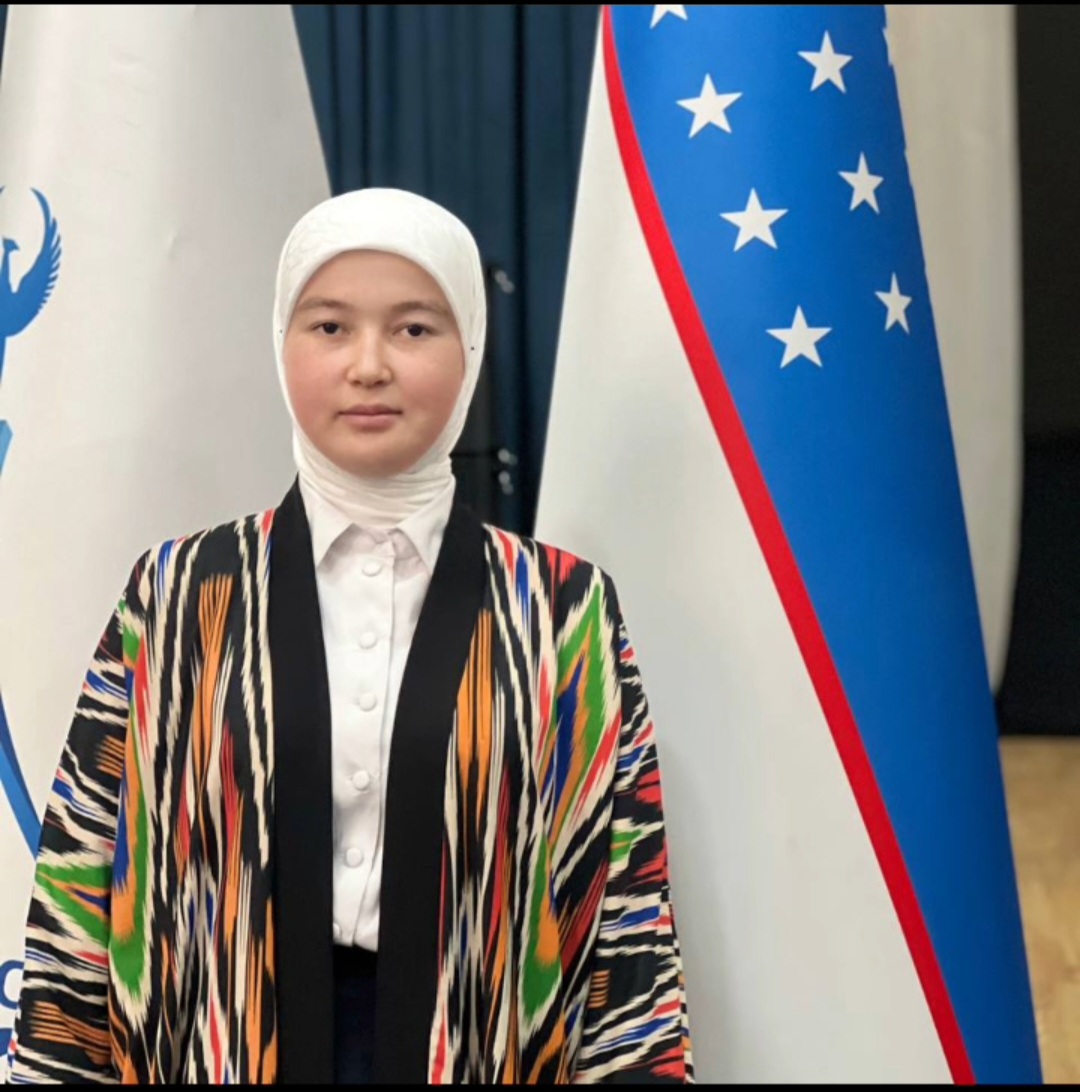
The national identity of the Uzbek people is vividly reflected in our rich culture and unique traditions. Our elegant traditional clothing made of atlas and adras fabrics, the art of embroidery and gold embroidery, traditional skullcaps (doppi), exquisite jewelry, and other examples of folk craftsmanship demonstrate the refined taste and artistic thinking of our ancestors. These are not merely decorative objects; they symbolize the history, worldview, and spiritual heritage of our people.
The modesty, dignity, kindness, and strong moral values traditionally associated with Uzbek women are among the finest examples of our national upbringing. These qualities have been passed down from generation to generation and have contributed to the strength of families, the moral stability of society, and the preservation of our national identity. Therefore, protecting these values and instilling them in the younger generation remains one of the most important responsibilities of our time.
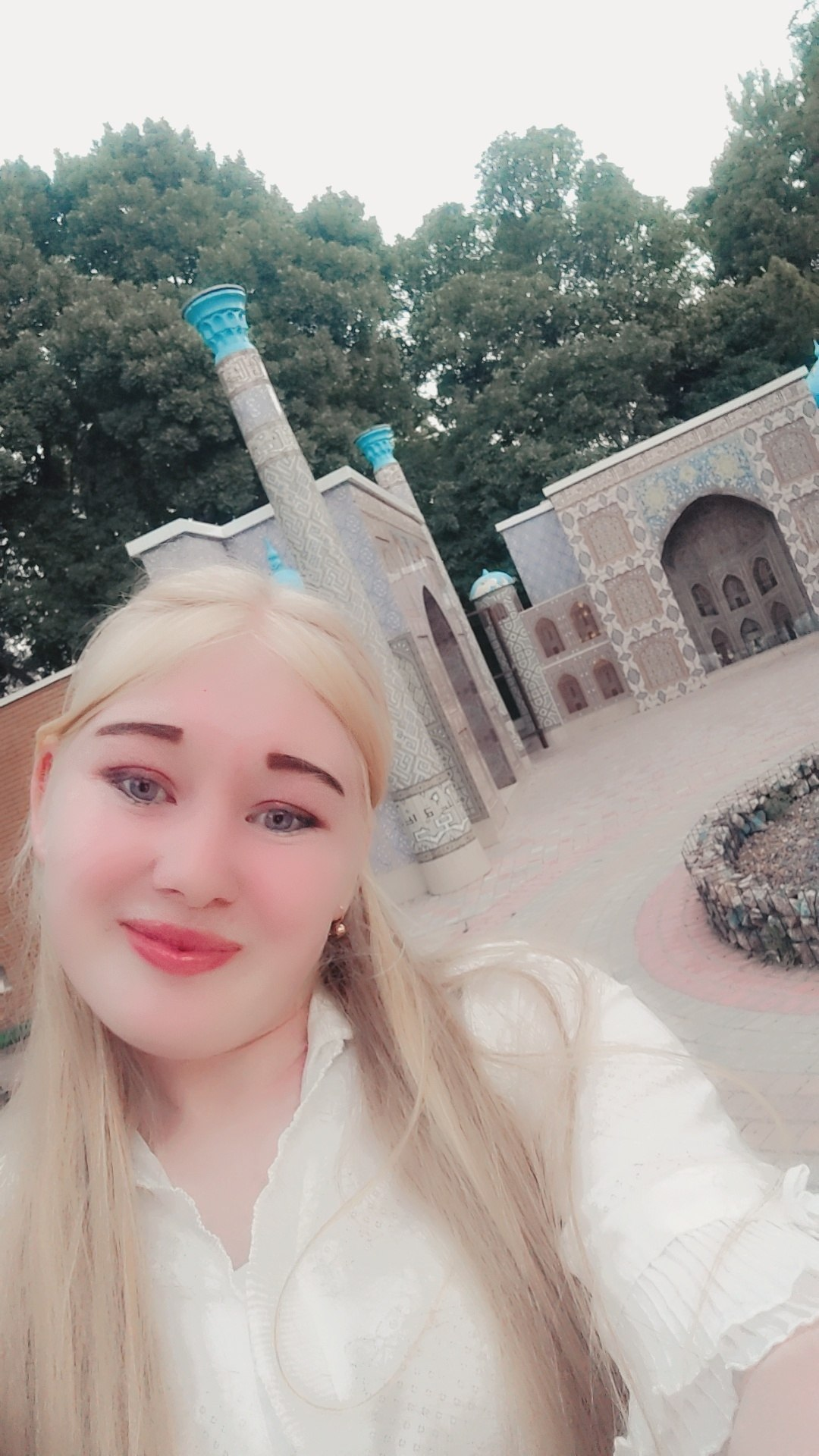
The ancient cities of Khorezm, Samarkand, Bukhara, Shahrisabz, Termez, and Kokand are recognized as priceless treasures of world civilization. For centuries, these cities have served as centers of science, education, culture, and enlightenment. Every historical monument and every street bears witness to the intelligence, creativity, and architectural genius of our ancestors.
It was on this land that great scholars and statesmen such as Muhammad al-Khwarizmi, Abu Rayhan al-Biruni, Abu Ali Ibn Sina (Avicenna), Mirzo Ulugh Beg, Alisher Navoi, Bahauddin Naqshband, Amir Temur (Tamerlane), and Zahiriddin Muhammad Babur were born and flourished. Their remarkable achievements in mathematics, astronomy, medicine, literature, philosophy, and statecraft continue to serve humanity and inspire people throughout the world. Their names are forever engraved in the history of global civilization.
Our ancestors left us not only magnificent architectural monuments but also a priceless legacy of knowledge, wisdom, patriotism, and high moral values. Preserving this rich heritage, studying it deeply, and passing it on to future generations is both our responsibility and our honor. A nation that respects its history and takes pride in its ancestors will always have the strength to build a prosperous future. In today’s era of globalization, when different cultures interact more closely than ever before, preserving national identity has become increasingly important. Respecting our native language, protecting our customs and traditions, and safeguarding our historical heritage are sacred duties for every citizen. A nation that loses its identity gradually loses its historical roots.
I am deeply proud to belong to the Uzbek nation—a nation with a glorious history, a rich culture, and outstanding scholars who made invaluable contributions to world civilization. My national identity gives me strength, confidence, and inspiration. Continuing the legacy of our ancestors, preserving our national values, and contributing to the development of our homeland should be the highest goal of every citizen.
Indeed, national identity is not only a reflection of our past but also the foundation of our present and the guarantee of our future. A nation that knows its history, honors its heritage, and remains faithful to its values will always move confidently toward progress. Therefore, preserving our national identity and passing it on to future generations in all its richness is our sacred duty.
My national identity is my pride, my honor, and the true meaning of my life.
Kushi Nanayakkara is a Sri Lankan born poetess who brings nature, human experiences, and creativity together through poetry.
She studied Graphic Design/Information Technology before finding her way into poetry in 2020. Her work often revolves around themes such as nature, art, life, love, mind, death, philosophy, and social themes such as justice and humanity.
Her poetry was featured in literature websites in USA and India and newspapers in Sri Lanka and Bangladesh. Her poetry was also published in poetry anthologies and magazines in India, Iraq, USA and the Philippines. Her sincere wish is to inspire hearts to stay creatively conscious and continue refining her craft.
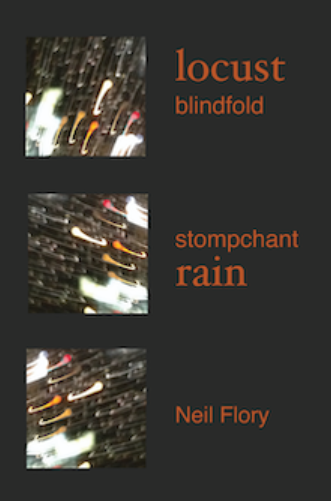
On Neil Flory’s locust blindfold stompchant rain (Arteidolia Press, 2026)
Joshua Martin
(nothin said)
lockedtrunk/ any
every
language flickering floodstage blindfold searing
gelatinous
conceivable/
over plus
Neil Flory takes language to the edge and then pushes it over, crashing down, words splitting into shards and fragments which are reassembled to create the poems that make up locust blindfold stompchant rain, his latest collection released by Arteidolia Press. This is no ordinary assembly, instead Flory shakes and jumbles his broken pieces and recreates language, pulverizing it, smashing words, symbols, phrases, and punctuation together into something entirely unique.
ALASDelphi>basi n’s/motor
METHINKS thetemp.est nightofSP
/ent evi/dent chancely prince>ss>ly Persephone
Flory’s work requires the reader to remain active; his wonderfully dense concoctions forcing us to read closely so as to decipher the gloriously complicated montage-like poems he has created for us to joyfully sink our intellectual teeth into. These pieces soar, swirl, confuse (in the best possible sense!), cajole, misdirect, and flow wildly across the page. There is no sense of grounding here, instead Flory wants us to strap in and hang on for the ride.
variablesCON/VOKE of variegrated
VOXviscerality planked &HALT
Phrases and words are both familiar and unfamiliar at the same time. We can recognize the language and sometimes we can understand it, though oftentimes we don’t even care to because the verbal dexterity, the jarring juxtapositions, the mash-ups, and clever portmanteaus enthrall us. Neil Flory’s poetics is enthralling! A spattering, crowded, endlessly inventive mélange.
his FreeJazz
doublequartet EXPLODING]/(/(/[/[/(
in brasscharging dissona
ncefre[renzy[(/([(
Flory is also a composer and musician and locust blindfold stompchant rain has the quality of musique concrete or free jazz: the polyrhythmic, atonal, cubist style of a Cecil Taylor rendered onto the page. And it’s just as jarring and just as fascinating and demanding and musical. One poem is appropriately titled “listening to Ornette Coleman” and it adequately captures the feel of listening to the great jazz innovator. Flory’s words carry our consciousness along raging rapids of furiously inventive linguistic visions. Flory’s work does what all great experimental work should do: makes us read, see, think, and hopefully understand differently.
(or just how many
frontloaded clusterchords can you
craminto craminto cram 1feeble slimy
silver sli
ver of time anyw
ay just1 )
Language is not static but dynamic. Words are free and malleable. The endless combinations and collisions both reduce language to its most primitive state but also reveal all its complexities and possibilities. Poetics is not a dead form for Flory nor is language. It lives and breathes and transmogrifies relentlessly. Poetry, for Flory, is an art still capable of surprise, still seeking another way, another form. This book demands that its reader surrender to it. This book wants an active reader, someone who doesn’t require sense, logic, easy answers, or other traditional literary forms to spoon feed them more cliched poetics. The ideal reader of locust blindfold stompchant rain will thrive on its convulsions, disruptions, rhythms, and deconstructions.
Flory’s works offers the reader something other than the bland mediocrity and conformity that contemporary literary (all!) culture tries to shove down our throats. locust blindfold stompchant rain gives our eyes, ears, and brains that rarest of things: difficult, innovative, playful, stimulating, provocative work that demands we read and think differently and that’s a beautiful thing!
True intention brings logic and transformative precision..
It helps us to make right decision.
Universe has an unseen law
That never changes with season,
We rarely feel it cause we lack submission..
Nothing happens in this world without any reason.
Sumana Bhattacharjee
01/08/2026
Sumana Bhattacharjee is a bilingual poetry writer from India. She born and brought up in city Kolkata in a family of teachers. From her childhood she has had a keen interest in music, poetry and drama. She is a published poetry writer and her poems have been published in more than twenty national and international anthologies. She is a regular contributor of ezines like Glomag Raven-Cage Ezines, Spillword. com, and Cultural Reverence. She founded two online literature groups and she is working as an assistant executive editor at Global Nation Newspaper, Bangladesh. She is the peace ambassador of WHMP. She is passionate about poetry and she thinks this is the only way she can spread her thought around the world.
HISTORICAL CITIES OF UZBEKISTAN: SAMARKAND, BUKHARA AND SHAHRISABZ
Mirzayeva Madina AsliddinovnaStudent of School No.16 “Jasorat”, Kasbi district, Kashkadarya region
ANNOTATION
This article discusses the historical and cultural importance of the ancient cities of Uzbekistan, especially Samarkand, Bukhara, and Shahrisabz. These cities are considered some of the oldest centers of civilization in Central Asia and played a major role in the development of science, culture, trade, and architecture during the period of the Great Silk Road. The article analyzes the historical monuments, architectural masterpieces, and spiritual heritage of these cities. It also explains how these historical places continue to attract tourists and researchers from different countries. Furthermore, the study highlights the importance of preserving cultural heritage for future generations and promoting national identity through historical awareness.
Keywords: historical cities, Samarkand, Bukhara, Shahrisabz, architecture, cultural heritage, Silk Road, tourism, civilization, history.
INTRODUCTION
Uzbekistan is one of the most ancient countries in Central Asia with a rich cultural and historical heritage. The territory of modern Uzbekistan has long been known as a center of science, education, literature, trade, and architecture. Ancient cities such as Samarkand, Bukhara, and Shahrisabz became world-famous due to their historical monuments, unique traditions, and contribution to world civilization. These cities were located on the Great Silk Road, which connected Eastern and Western countries for centuries. Merchants, scientists, travelers, and artists visited these cities, creating strong cultural and economic relations among different nations.
As a result, Samarkand, Bukhara, and Shahrisabz developed into important centers of knowledge and spirituality. Historical monuments found in these cities demonstrate the intelligence and creativity of ancient architects and craftsmen. The blue domes, detailed mosaics, giant madrasahs, and ancient fortresses continue to impress people from all around the world. These monuments are not only symbols of the past but also sources of national pride and cultural identity. Today, historical cities play an important role in tourism and education. Millions of tourists visit Uzbekistan every year to explore its ancient architecture and learn about Eastern civilization. Therefore, studying the historical cities of Uzbekistan is important for understanding both national and world history.
LITERATURE REVIEW AND METHODOLOGY
Many historians, researchers, and cultural scholars have studied the historical cities of Uzbekistan and their influence on world civilization. According to historical research, Samarkand was one of the most powerful centers during the Timurid period, while Bukhara became famous as a spiritual and scientific center of the Islamic world. Shahrisabz is especially recognized as the birthplace of Amir Temur and an important political center during his reign. Researchers explain that the Great Silk Road played a major role in the development of these cities. Through trade and communication, people exchanged not only goods but also scientific ideas, literature, religion, and art. Because of this, the cities became multicultural centers where knowledge and creativity flourished.
This article uses qualitative analysis based on historical books, cultural studies, encyclopedias, and academic articles. The research examines historical monuments, architectural features, tourism development, and the cultural importance of Samarkand, Bukhara, and Shahrisabz. The study also analyzes how these cities influence modern society and preserve historical identity.
SAMARKAND – THE PEARL OF THE EAST
Samarkand is one of the oldest cities in the world and has a history of more than 2,700 years. The city is often called “The Pearl of the East” because of its beauty and historical significance. During the reign of Amir Temur, Samarkand became the capital of a powerful empire and one of the most developed cities in the world.One of the most famous places in Samarkand is Registan Square. This magnificent square is surrounded by three grand madrasahs: Ulugh Beg Madrasah, Sher-Dor Madrasah, and Tilla-Kari Madrasah. The buildings are decorated with colorful mosaics, geometric patterns, and golden ornaments. In ancient times, Registan was the center of education and public life. Another important monument in Samarkand is the Gur-e-Amir Mausoleum, where Amir Temur and his descendants were buried. The mausoleum is famous for its large blue dome and artistic decoration. It represents the greatness of Timurid architecture and attracts thousands of visitors every year. The Shah-i-Zinda complex is another beautiful historical site in Samarkand. It consists of many mausoleums and religious buildings covered with blue tiles and artistic patterns. Tourists describe this place as one of the most beautiful architectural complexes in Central Asia. Samarkand is also known for the Ulugh Beg Observatory. Ulugh Beg was not only a ruler but also a famous scientist and astronomer. His observatory became one of the most important scientific centers of the Middle Ages.
BUKHARA – THE CITY OF KNOWLEDGE
Bukhara is another ancient city of Uzbekistan with a history of more than 2,500 years. The city is often called an “open-air museum” because it contains hundreds of historical monuments and ancient buildings. Bukhara was one of the largest centers of Islamic culture, religion, and science. Many great scholars and religious leaders studied and worked in this city. One of the most famous monuments in Bukhara is the Kalon Minaret. Built in the twelfth century, the minaret became a symbol of the city and amazed travelers for centuries. The Ark Fortress is another important historical monument in Bukhara. It served as the residence of rulers for many years. Inside the fortress there were palaces, mosques, libraries, and government offices. Today, tourists visit the fortress to learn more about the history of the city and ancient political life. Bukhara is also famous for the Lyabi-Hauz complex. This peaceful area surrounded by historical buildings was once a gathering place for merchants and travelers. Traditional crafts such as carpet weaving, ceramics, embroidery, and jewelry-making continue to develop in Bukhara today. The atmosphere of Bukhara allows visitors to feel the spirit of ancient Eastern civilization. Narrow streets, traditional houses, and historical markets preserve the beauty of the past and attract tourists from all around the world.
SHAHRISABZ – THE BIRTHPLACE OF AMIR TEMUR
Shahrisabz is one of the most important historical cities of Uzbekistan. It is located in the Kashkadarya region and is famous as the birthplace of Amir Temur. The ancient name of the city was Kesh, and it played a major role in the political and cultural life of Central Asia. The most famous monument in Shahrisabz is the Ak-Saray Palace. Amir Temur ordered the construction of this palace to demonstrate the power and greatness of his empire. Although only part of the palace remains today, its giant entrance towers still impress visitors and researchers. Another important historical place is the Dorut Tilovat complex. This complex contains religious and educational buildings connected with the spiritual life of the city. The Dorus Saodat complex is also famous because it includes mausoleums related to the Timurid dynasty. Shahrisabz is surrounded by beautiful mountains and nature, making the city attractive not only historically but also naturally. Tourists enjoy both the peaceful atmosphere and the historical beauty of the region.
THE IMPORTANCE OF HISTORICAL HERITAGE
Historical monuments are valuable treasures that connect modern society with the past. Ancient cities help people understand the achievements, traditions, and culture of previous generations. The preservation of historical heritage is very important because monuments can be damaged by time, natural disasters, or human activity. Today, many historical monuments in Uzbekistan are included in the UNESCO World Heritage List.
One of the most famous places in Samarkand is Registan Square. This magnificent square is surrounded by three grand madrasahs: Ulugh Beg Madrasah, Sher-Dor Madrasah, and Tilla-Kari Madrasah. The buildings are decorated with colorful mosaics, geometric patterns, and golden ornaments. In ancient times, Registan was the center of education and public life. Another important monument in Samarkand is the Gur-e-Amir Mausoleum, where Amir Temur and his descendants were buried. The mausoleum is famous for its large blue dome and artistic decoration. It represents the greatness of Timurid architecture and attracts thousands of visitors every year.
The Shah-i-Zinda complex is another beautiful historical site in Samarkand. It consists of many mausoleums and religious buildings covered with blue tiles and artistic patterns. Tourists describe this place as one of the most beautiful architectural complexes in Central Asia. Samarkand is also known for the Ulugh Beg Observatory. Ulugh Beg was not only a ruler but also a famous scientist and astronomer. His observatory became one of the most important scientific centers of the Middle Ages.
Being included on the UNESCO World Heritage List increases tourism and encourages people to protect cultural heritage. Historical tourism also plays an important role in the economy of Uzbekistan. Millions of tourists visit Samarkand, Bukhara, and Shahrisabz every year. Through tourism, people from different countries learn more about Uzbek culture, traditions, architecture, and hospitality. Young generations should study the history of their country and respect historical monuments. Learning about ancient cities develops patriotism, national pride, and cultural awareness.
CONCLUSION
In conclusion, Samarkand, Bukhara, and Shahrisabz are among the greatest historical treasures of Uzbekistan and world civilization. These cities preserve the memory of great rulers, scientists, architects, and artists who contributed to human progress and cultural development. The historical monuments of these cities demonstrate the high level of architecture, science, and art achieved by ancient civilizations. Their beauty and historical importance continue to inspire millions of people around the world. Protecting and studying historical heritage is one of the most important responsibilities of modern society. By preserving ancient cities and monuments, people can maintain cultural identity and pass valuable traditions to future generations.
REFERENCES
1. UNESCO World Heritage Centre. Historic Cities of Uzbekistan.
2. Encyclopaedia Britannica. Samarkand and Bukhara.
3. History of the Great Silk Road. Cultural Studies Journal.
4. Architectural Monuments of the Timurid Period.
5. Karimov, I. Historical Heritage of Central Asia.
6. National Encyclopedia of Uzbekistan.
7. Cultural Tourism in Central Asia.
8. History and Civilization of the East.
Mirzayeva Madina Asliddinovna is a student at the “Jasorat” School No. 16 in the Kasbi district of the Qashqadaryo region. From an early age, she has demonstrated a profound interest in creative writing, literature, and journalism, earning a reputation as a proactive and highly inquisitive student. Embarking on her creative journey early on, she launched a personal blog on the Telegram social network, where she regularly shares her perspectives on a variety of topics.
To further advance her skills, Madina successfully completed the “Efirdamiz” (On Air) broadcasting course. She has been invited multiple times to the “Fayzli Kun” program on the Qashqadaryo television channel, where her creative segments were broadcast. Her television appearances have also been featured on the national “Madaniyat va Ma’rifat” (Culture and Enlightenment) channel.
Her creative works have been published across local and international websites and magazines. Notably, her pieces have been featured on the internationalliterary platform Atunis Poetry. Furthermore, her literary work has been included ininternational anthologies such as Voices Without Borders, published in the United States, and “Ziyo Izidan”.Madina holds numerous international certificates and has actively participated in various competitions, earning cash prizes, books, and commemorative awards.
Acknowledged as a favored mentee by journalist Nigora Togayeva, she continues to expand her creative endeavors in collaboration with international organizations. Despite her young age, Madina Asliddinovna is a promising and talented creative, actively striving to establish her presence in the fields of writing, journalism, and media.
Epilepsy is one of the most common chronic neurological disorders, affecting people of all ages and imposing a substantial burden on patients, families, and health systems worldwide. Over the past two decades, the therapeutic landscape of epilepsy has expanded considerably, moving beyond traditional antiseizure medications toward precision medicine, targeted neurostimulation, and dietary and surgical interventions for drug-resistant cases. This article reviews current evidence on the epidemiology, classification, pathophysiology, and diagnostic approach to epilepsy, with particular emphasis on modern pharmacological and non-pharmacological treatment strategies, including newer antiseizure medications, ketogenic dietary therapy, epilepsy surgery, neurostimulation techniques, and emerging precision-medicine approaches.
Epilepsy is a chronic neurological disorder characterized by an enduring predisposition to generate recurrent, unprovoked epileptic seizures, along with the associated neurobiological, cognitive, psychological, and social consequences of this condition. It is among the most common serious neurological disorders worldwide, affecting individuals across all age groups, socioeconomic backgrounds, and geographic regions. Despite substantial advances in diagnosis and treatment, a significant proportion of patients continue to experience seizures despite adequate pharmacological therapy, underscoring the need for continued research into more effective and individualized therapeutic strategies.
Epidemiology and Classification
Epilepsy affects a substantial proportion of the global population, with the highest burden observed in low- and middle-income countries, where access to diagnosis and treatment remains limited. The International League Against Epilepsy (ILAE) has established a widely used classification framework that categorizes seizures according to their onset (focal, generalized, or unknown) and epilepsy syndromes according to etiology, which may be structural, genetic, infectious, metabolic, immune, or unknown. Accurate classification is essential, as it directly informs the selection of appropriate antiseizure therapy.
Pathophysiology
The pathophysiology of epilepsy involves an imbalance between excitatory and inhibitory neurotransmission within cortical and subcortical neuronal networks. Abnormal synchronization of neuronal firing, alterations in ion channel function, and disruption of gamma-aminobutyric acid (GABA)-mediated inhibitory signaling are central mechanisms underlying seizure generation. Genetic mutations affecting ion channels and neurotransmitter receptors have been identified in a growing number of epilepsy syndromes, contributing to the emerging field of precision medicine in epilepsy care.
Diagnosis
The diagnosis of epilepsy is primarily clinical, based on a detailed history of seizure semiology, often supplemented by eyewitness accounts. Electroencephalography (EEG) remains a cornerstone diagnostic tool, providing evidence of epileptiform activity and assisting in syndrome classification. Magnetic resonance imaging (MRI) is essential for identifying structural abnormalities, such as hippocampal sclerosis, cortical dysplasia, or tumors, which may serve as the underlying substrate for seizures. In selected cases, video-EEG monitoring, genetic testing, and metabolic screening may be warranted to establish a precise diagnosis.
Pharmacological Treatment
Antiseizure medications (ASMs) remain the first-line treatment for the majority of patients with epilepsy. Older-generation agents, including valproate, carbamazepine, and phenytoin, remain widely used and effective for many seizure types, though they are associated with notable drug interactions and adverse effect profiles. Newer-generation ASMs, such as levetiracetam, lamotrigine, lacosamide, perampanel, and brivaracetam, offer improved tolerability and more favorable pharmacokinetic profiles, with fewer drug-drug interactions. Selection of an appropriate ASM depends on seizure type, epilepsy syndrome, patient age, comorbidities, and potential for teratogenicity in women of childbearing potential.
Approximately one-third of patients with epilepsy do not achieve adequate seizure control despite trials of two or more appropriately selected and adequately dosed ASMs, a condition termed drug-resistant epilepsy. These patients warrant early referral to specialized epilepsy centers for consideration of non-pharmacological treatment options.
Non-Pharmacological Treatment
Epilepsy Surgery
For patients with drug-resistant focal epilepsy and a clearly identified epileptogenic zone, resective surgery can achieve seizure freedom in a substantial proportion of carefully selected candidates, particularly in cases of temporal lobe epilepsy associated with hippocampal sclerosis. Comprehensive presurgical evaluation, including video-EEG monitoring, neuroimaging, and neuropsychological assessment, is essential to identify appropriate surgical candidates and minimize postoperative risk.
Neurostimulation
Neurostimulation techniques offer alternative options for patients who are not candidates for resective surgery. Vagus nerve stimulation (VNS) involves intermittent electrical stimulation of the vagus nerve and has demonstrated efficacy in reducing seizure frequency across a range of epilepsy syndromes. Responsive neurostimulation (RNS) and deep brain stimulation (DBS), particularly targeting the anterior nucleus of the thalamus, represent more recently developed approaches that provide targeted, closed-loop or continuous stimulation to disrupt seizure activity.
Dietary Therapy
The ketogenic diet, a high-fat, low-carbohydrate dietary regimen, has demonstrated efficacy in reducing seizure frequency, particularly in children with drug-resistant epilepsy and specific genetic epilepsy syndromes. Modified variants, including the modified Atkins diet and low glycemic index treatment, offer more palatable alternatives with comparable efficacy in select populations.
Precision Medicine and Emerging Therapies
Advances in genetic testing have enabled the identification of specific gene mutations underlying certain epilepsy syndromes, opening the door to targeted therapeutic approaches. For example, patients with SCN1A-related Dravet syndrome may benefit from specific ASMs while avoiding sodium channel blockers that can worsen seizures. Cannabidiol has received regulatory approval for the treatment of seizures associated with Dravet syndrome, Lennox-Gastaut syndrome, and tuberous sclerosis complex, representing a notable advance in targeted therapy for these historically difficult-to-treat conditions.
Discussion
The management of epilepsy has evolved substantially from a one-size-fits-all pharmacological approach toward an individualized treatment paradigm that integrates seizure type, underlying etiology, genetic findings, and patient-specific factors. While newer-generation ASMs have improved tolerability, drug-resistant epilepsy remains a significant clinical challenge, highlighting the importance of timely referral to specialized epilepsy centers for consideration of surgical, neurostimulation, or dietary interventions. Continued research into the genetic and molecular underpinnings of epilepsy holds promise for further expanding precision-medicine approaches and improving long-term outcomes for patients with this complex and heterogeneous disorder.
Conclusion
Epilepsy remains a common and clinically heterogeneous neurological disorder requiring individualized management. Modern therapeutic approaches, encompassing newer pharmacological agents, epilepsy surgery, neurostimulation, dietary therapy, and precision-medicine strategies, have considerably broadened the treatment options available to patients, particularly those with drug-resistant disease. Early and accurate diagnosis, coupled with timely referral to specialized epilepsy care when appropriate, remains essential for optimizing seizure control and improving patients’ quality of life.
Conflict of Interest
The author declares no conflict of interest.
References
1. Fisher RS, Cross JH, French JA, et al. Operational classification of seizure types by the International League Against Epilepsy. Epilepsia. 2017.
2. World Health Organization. Epilepsy. Geneva: WHO; 2024.
4. Devinsky O, Vezzani A, O’Brien TJ, et al. Epilepsy. Nat Rev Dis Primers. 2018.
5. Kwan P, Brodie MJ. Early identification of refractory epilepsy. N Engl J Med. 2000.
6. Chen Z, Brodie MJ, Liew D, Kwan P. Treatment outcomes in patients with newly diagnosed epilepsy treated with established and new antiepileptic drugs. JAMA Neurol. 2018.
7. Rho JM. How does the ketogenic diet induce anti-seizure effects? Neurosci Lett. 2017.
8. Fisher RS. Deep brain stimulation of thalamus for epilepsy. Neurobiol Dis. 2023.
9. Devinsky O, Cross JH, Laux L, et al. Trial of cannabidiol for drug-resistant seizures in the Dravet syndrome. N Engl J Med. 2017.