
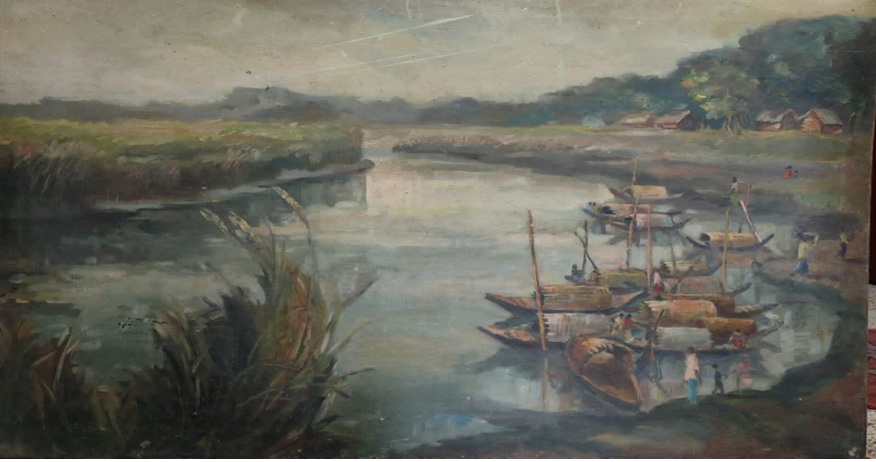
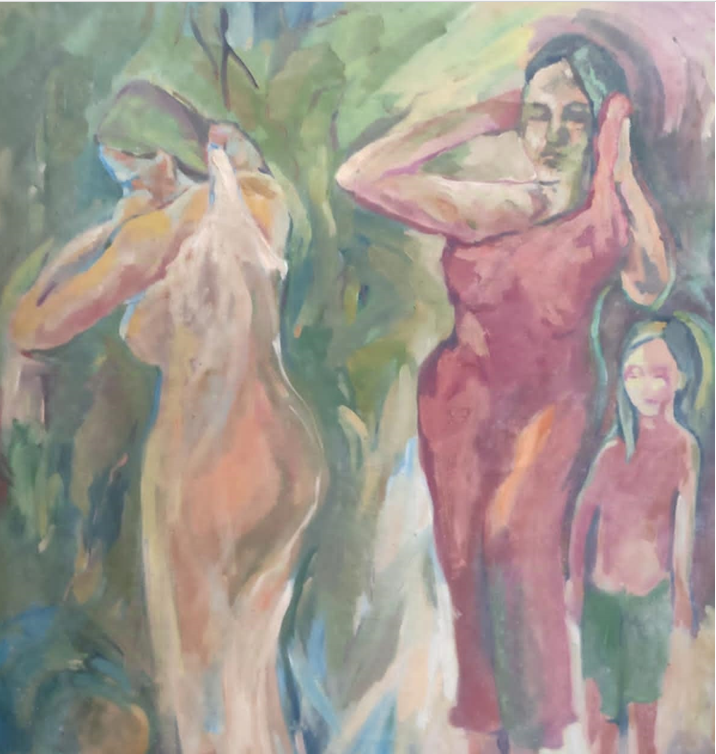
Rubina Anis is the Headteacher of Harimohan Government High School, Chapainawabganj, Bangladesh. She has obtained her honors and Master’s degree from the Department of Arts and Crafts, Rajshahi University.

Rubina Anis is the Headteacher of Harimohan Government High School, Chapainawabganj, Bangladesh. She has obtained her honors and Master’s degree from the Department of Arts and Crafts, Rajshahi University.
First of all, we’re sharing an announcement from contributor Howard Debs about the upcoming virtual course Writing from Atrocity to Healing: A Multi-Genre Virtual Workshop.
This four session virtual workshop will provide poets and writers of all levels, genres, and backgrounds with the tools to write from their experiences with atrocity, the traumas produced by atrocity, and the healing (personally, communally, nationally) your words can make of it. Featuring Ellen Bass, Jacqueline Osherow, Joy Ladin, Geoffrey Philp, Jehanne Dubrow, among others. Moderated by Andrew McFadyen-Ketchum. Four consecutive weekly sessions (January 7, 14, 21, 28 ).
Each session includes content from the forthcoming book The Wounded Line: A Guide to Writing Poems of Trauma (“ethical concerns and helpful craft elements for writing poems [and other writing] that engage with trauma”) presented by the author Jehanne Dubrow, and session related writing prompts and open review of selected flash fiction, poems, etc. as submitted by attendees. Each registrant receives New Voices: Contemporary Writers Confronting the Holocaust suggested readings from which coordinate with the workshop series. Session recordings will be made available to registrants unable to attend specific sessions upon request. Registration fee includes all four sessions. Limited registration closes December 30. Presented by the New Voices Project, a 501(c)(3) nonprofit organization. newvoicesproject.org and you may sign up for the workshop here.
Now for our issue’s theme, Plumbing the Depths. We look into the varied aspects, not always visible at first glance, of people’s interior and social lives, human societies, the natural world, and our artwork, history, and culture.
Chuck Taylor’s story reminds us about the complex layers of each person’s life, that we are more than our most obnoxious moments. Paul Tristram explores everyday human feelings and interactions in his “street poetry,” claiming them as a worthy literary subject.
Gabriel Kang speaks to the important issue of men’s mental health by illustrating men’s struggles passed down through generations. David Sapp delves into Middle American family life in the 1970s through a cascade of shifting perspectives.
Daniel De Culla laments relationships inside and outside of the church which are exploitative rather than nurturing.
Ivan Pozzoni brings a comically psychoanalytic perspective to digital and analog aspects of modern life. Mykyta Ryzhykh illuminates the internal and external destruction of total war with a landscape suffering from PTSD. Alexander Kabishev evokes the displacement of civilians during wartime in his continuing epic of the siege of Leningrad. Muheez Olawale’s dramatic tale of escape and survival highlights the tragedy of human trafficking and the slave trade. Nicolas Gunter evokes the hopelessness of a person displaced and oppressed within a cruel climate.
Daniel De Culla’s fragmented near-death dream vision excoriates the political and economic power structures of the modern Western world. Noah Berlatsky illustrates the grotesque nature of hate and vitriol through his consciously repulsive imagery. Patricia Doyne excoriates the rising tide of racist and anti-immigrant sentiment in the U.S. Jake Cosmos Aller lambastes the political climate of the United States. Howard Debs preserves the words of and speculates along with the hosts of The View, wondering about Trump’s recent victory. Christopher Bernard suggests that America’s unique mix of cultural values and priorities helped to produce a leader akin to Trump. Bruce Roberts registers disgust at Trump’s voice, attitude, and behavior.
Turgunov Jonpolat describes how he stopped his peers from bullying him by reminding them that they were not all that important in life. Ivanov Reyez crafts vignettes of people determined to live and thrive despite the small and larger cruelties of the world around them.
Nuraini Mohamed Usman’s tale of enemies-to-lovers takes place within a secondary school. Ahmad Al-Khatat describes two broken people finding and healing each other in an unexpected love story. Mesfakus Salahin offers his gentle love to someone for whom he cares very much. Lan Qyqualla poetically immortalizes his late wife Lora in his mythical verse. Taylor Dibbert conveys continuing grief over the loss of a beloved canine companion. Kodirova Barchinoy Shavkatovna mourns the loss of her grandfather’s kind and poetic soul. Faizullayeva Gulasal reflects on how her love and respect for her parents helped her get through sheltering in place during the Covid-19 pandemic. Cameron Carter describes a love that inspires him to become a better version of himself.
Harinder Lamba presents a love story between a couple, their baby, and the Earth as they help our planet navigate climate change.
Michael Robinson leans on the poetic voice of Rumi to describe his spiritual intimacy with Jesus. Brian Barbeito evokes the mystical feeling that can come with staring into the deep daytime or nighttime sky as Sayani Mukherjee offers up a sensuous take on fallen leaves.
Sidnei Rosa da Silva gently chronicles a ladybug’s climb up a sand dune as Muslima Murodova relates the tender tale of a beautiful but short-lived butterfly.
Kylian Cubilla Gomez zooms in on bits of nature and culture from unusual angles, cultivating a sense of childlike wonder. Isabel Gomez de Diego’s work accomplishes something similar with scenes of cultivated nature: sheep on a hillside and seaside lookouts. Raquel Barbeito also gets up and close with nature, sketching outdoor scenes as well as a closeup of a person’s eye.

Duane Vorhees’ poetic speakers merge with nature in their own way in his descriptions of passion and indigestion.
Sarvinoz Quramboyeva highlights the beauty of Uzbekistan and its people’s optimism. Nilufar Anvarova celebrates the beauty of her Uzbek village and the kindness of its people while Ilhomova Mohichehra highlights the goodness of Uzbeks. Mansurova Sarvinoz Hassan, an Uzbek writer, relates her educational and professional accomplishments and thanks those who have supported her.
Zafarbek Jakbaraliyev outlines the language and distribution of the world’s Turkic-speaking peoples. Irodaxon Ibragimova relates the history of the Bekobod area of Uzbekistan. Sarvinoz Tuliyeva elucidates the history and importance of Uzbekistan’s Shaikhontohur Ensemble. Dilbar Koldoshova Nuraliyevna highlights the elegance and history of the Uzbek language as Farangiz Abduvohidova explores proverbs in Uzbekistan’s culture and Shamsiyeva Gavhar celebrates the beauty and rich history of the Uzbek language and its integral role in Uzbek culture. Maftuna Rustamova praises the wisdom of the Uzbek constitution.
Z.I. Mahmud draws out themes of nationalism and civilization vs wild nature in his analysis of Ted Hughes’ poetic works. Ari Nystrom-Rice illuminates the sheer force of nature, rainwater crashing into the sea. Kass evokes images of nature and plant life overtaking cities. Olivia Brody revels in melding with the beach, merging with wind and sand and ice plants.
Niginabonu Amirova blusters about the power of wind to transform a day and a landscape. Federico Wardal celebrates the lush landscapes and many talents of emerging Egyptian painter Nour Kassem. Nathan Anderson highlights the pure blunt force of Rus Khomutoff’s new poetry collection Kaos Karma as John Dorsey celebrates the soft and tender melodies of jazz. Jacques Fleury’s poetic mishmash twists and turns syntax around into a kerfluffle.

Joshua Martin weaves biological and mechanical images into his elaborate syntax-adventurous poetry. Mark Young’s “geographies” adjust, alter, and repurpose images and style elements. Texas Fontanella also probes the edges of conscious thought with his stream-of-consciousness text-message dialogues.
Also through a stream-of-consciousness form, Abigail George recollects personal struggles and a lost love in a poetic and descriptive essay. Lilian Dipasupil Kunimasa shares her own journey through poetry, towards balancing compassion for self with that for others. Bill Tope’s short story calls attention to the silent suffering of many with misophonia, sound sensitivity, through its depiction of a person’s quest for outer and inner peace.
J.J. Campbell speculates through vignettes from his own life on our place in the world, among time, history, and other creatures, and whether we are learning and growing as time passes.
Mahbub Alam compares the cycles of life to stops along a train route, as our world continually moves and changes. Through the tale of good clothes hung up and set aside, Faleeha Hassan reminds us not to save our entire lives for some amorphous special occasion.
Richard Stimac comments on the rhythms of life and human experience through the metaphor of Argentinian tango as Sara Goyceli Serifova rejoices in the look and feel of a long-awaited hopeful night.
We hope this issue will help plumb the depths behind the surface of the headlines and wring some hope from the sodden fabric of the world.
“You were born from the Rays of God’s Majesty when the stars were in their perfect place.”
~RUMI
God I return to you in the lights of a star…shining bright with the light of love. Love from the beginning I return without darkness for I have seen the wonders of my soul. The hidden treasure of your spark within me. The world has not covered my soul in sin or emptiness leaving me without you in my heart. Your truth that speaks in me in the wee hours of the morning as the world sleeps forever more. I find my soul among the stars circling the outer rim of Saturn’s moon. I’m that star to the right of your heart. O God never to become dim for you created me to shine forever more.
“When you lose all sense of self the bonds of a thousand chains will vanish…” ~RUMI
Where can I go O God where you do not exist? I have not traveled far enough to not feel your Holy presence within my soul. Delightful thoughts about the beginning of time together. Reaching for the clouds, as I lay in the fields of joy wishing to see the skies once more. Before the clouds cover the moon and the sun fades into the distinct mountains of Vermont. Once we had a conversation, as I sat on the porch wondering about my life. It was a conversation about my beginning without end. My heart listened intently as you spoke of salvation and redemption. Christ the messiah came alive within me. No more doubt nor sin to confuse my aching soul. For I had received the communion of life with these three words: You are forgiven.
Green Hair
Have you ever felt like killing someone? I think most have, maybe four or five times in a lifetime. My number’s higher, maybe twelve times a year. I don’t consider myself a sociopath or psychopath. I don’t know the difference. Is there a difference?
In 2005 I was on an elevator in the Prudential Building, glad to be out of the cold of late February, on my way up to the thirty-seventh floor. The elevator was empty except fore me. It glided silently up at a good clip. I was thinking about how much it would cost to heat this entire building in one Chicago day. Maybe more than I made in one year. The elevator stopped on the fifth floor and a young man got on board. He was skinny, dressed all in black, and his hair was dyed green.
The young man rode the elevator to the seventh floor. When we got there he stepped half way out, leaned his left arm on the door and gave me a big smile. Then he hit all the buttons on the elevator going up to the top by running his fingers across the panel. That meant the elevator doors would open and shut on every floor till I got to the thirty-seventh.
Anger flared through every muscle of my body. I rose up on my toes and slapped the now closed door with open palms. The anger management class had not prepared me for such a sudden show of hostility from a young stranger. When it came to the young, my anger made few distinctions. They seemed egotistical and took their comfortable world for granted. They had no respect for those who had sacrificed to serve their country.
I felt in my left inside suit pocket for the piano wire I’d had since my tour in the Vietnam in 1970. I kept it because Chicago is no longer a safe city. Even in the loop area, this close to Lake Michigan, a person might attempt a robbery. Now I felt immediately that I was justified in killing that smiling green gutter snake.
My plan was to come up behind the guy and strangle him with the wire quietly and quickly. Before that green dude got off the elevator, he was probably seeing as fat and out of shape. No threat to him. Just an old man.
I got off two floors above where green dude got off on the nineteenth floor, took different elevator down to his floor. I walked all the quiet hallways but I could not find him. I opened all the doors on the floor and looked in. Mostly they were law offices. No sign of green hair.
How can anybody be so stupid as to dye their hair green? Must be a lonely, attention-seeking dude. A narcissist. Pathetic. No women will ever love him. Leave green to the trees and plants.
I forgot my job interview on the 37th floor and went back down to the lobby to wait for the green guy. His hair was pasty like a green avocado, only shiny. I waited an hour, trying to look busy on my cell phone, but he never came down. Could the bozo actually have an office in this place? Maybe he had a company that sold hair color for men.
I decided to walk around the area near the lake and then over where the big department stores were, hoping I’d catch sight of him on the street. After an hour I gave up in the cold and ducked into a bar on Wabash to warm up. I was ordering a beer when I look down the long bar I see that the second bartender has green hair and wears black.
“That’s an unusual hair style,” I say to the guy standing next to me at the bar.
“That’s Pete,” the guy responds. “His father owns this place, or did. He died two weeks ago.”
“Well, I guess somebody has to run this dump,” I mumble.
“Yeah, I think the family has to sort it out. Does it go to Pete or to the brother of his dad? His uncle helped run it. The dad died at fifty-five and left no will.”
“I’m not a lawyer,” I add. “I used to sell cars. It seems right this place should go to the son.”
“That’s what the regulars think. We remember Pete when he was a kid pushing a toy truck between the tables.”
“I didn’t play with toy trucks. I had toy tanks, soldiers and fighter jets. My dad was killed in World War 2 at nineteen when I was two. My parents were from Alabama and got married at sixteen. I don’t remember much of my dad.”
“Hey Pete, come down here. This guy’s a lawyer.”
“I said I was not a lawyer.”
“Pete, this guy can help.”
“Great, tell him he gets free beers.”
“Pete, I’m sorry,” I say. “Your friend here got it wrong. I’m no lawyer but don’t mind a few free beers.”
“You look familiar. Haven’t we met? Didn’t I see you earlier?”
“No, I just pulled into town. I live in Wheaton over an hour away.”
“Sorry about the mix-up. Things are always noisy in my bar.”
“No problem.”
“What do you think of my hair? Odd, huh? My customers here can now always spot me.”
“It’s a bit odd by Wheaton standards.”
“I did it for Saint Patrick’s coming up. I thought I’d do more this year than green beer. It’ll give folks a laugh. We can all use some cheering up.”
Green Hair goes to get me a beer on tap. As he walks back toward me with the mug of beer I study his face. Is this the guy from the elevator? He’s the only green hair guy I’ve seen all day.
“Sorry about your loss,” I say. ‘Your dad left you something wonderful, and thanks for the beer.”
“You’re welcome,” the green-haired bartender says. He gives a quick smile as he walks away to help another customer.
don’t touch me please
don’t touch me please
the grenade of death ignites inside me and will not explode
the ruins around me are overgrown with emptiness and others are dying instead of me
these others (for some reason)crave life in a glass of metallic milk
these others are born and die alone, inhaling the smell of milky silence
don’t bother me please
give me your first gift (you never gave me anything)
give me your last gift (I gave you my tears and you didn’t know about it)
death is nothing more than a surprise box
death is nothing more than a nuclear bomb that will tear me to pieces
no need to pick up my pieces from the floor pleaseеееее
splinters of dreams cut the veins of silence in which the clock clicks
countdown and nuclear bomb will teach you how to fuck like in porn
countdown and nuclear dust will teach you water
because the future is water is spit flowing from the wall of a destroyed house
no need
the sun is so in vain that the snow doesn’t melt and the fingers are still dumb
an island of a concentration camp of thought is buried in an ocean of knowledge about the principle of nuclear fusion
no need to study science
after all even I am nobody needs and unknown to anyone
and no one is capable of knowledge while the unfinished house of life is being bombed
the cemetery guard reports:
for the past night in the cemetery:
no one died
no one was resurrected
he looks…
he looks at me with red eyes
he speaks invisibly and inaudibly
he asks and doesn’t know what to ask for
I look at his face and upper body
I look at his torso cut across by a shrapnel
I forget that I have eyes and that I need to breathe
our lips don’t move
we’re talking forever
End of hi-story
1
the first day since the end of world history quietly ended
2
red birds are still silent in the invisible void
red birds peck the grainy despair of the cemetery
red birds knock on the window of a bombed house
3
kittens died inside the belly
mother cat died inside the womb of the planet
4
warmly
coldly
birds
without feathers
without wings
without beak
without eyes
without a body
nothing
nowhere
warm cold of nuclear winter
cold warmth of late autumn
eternal autumn in the joints of the prison
tightness bleeds
5
the cage of reality is torn
forever
NON RIESCO AD INTEGRARMI
Non riesco a integrarmi, ho un disturbo borderline
distribuisco gomitate tipo Greg “The Hammer” Valentine,
nemmeno se mi impegno riuscirò a aspirare al Nobel
deutoplasma irriducibile tra vacche nere d’Hegel.
Non riesco a integrarmi, ho un delirio schizofrenico
rifuggo dalle masse e intingo biro nell’arsenico,
canto, fuori dal coro, come un mitomane a X Factor
disinnescando bombe, spaccio col metal-detector.
Non riesco a integrarmi, ho attitudini da killer,
deambulo tra zombie, stile King of Pop in Thriller,
volando a bassa quota quoto quote di quozienti,
costretto a impacchettare sottotitoli per non-utenti.
Non riesco a integrarmi, ho ogni sorta di fobia
in coda appetisco il verde, come un virtuoso in dendrofilia,
mettendo a fuoco il mondo e sfuocati i tempi con lo zoom,
mi arrendo alla desuetudine della consecutio temporum.
I DON’T FIT IN
I don’t fit in, I have a borderline personality disorder
I give out elbows like Greg ‘The Hammer’ Valentine,
if I don’t apply myself I’ll never be able to aspire to the Nobel Prize
irreducible deutoplasma among Hegel’s black cows.
I don’t fit in, i have a schizophrenic delusion
i hate the people and dip my pen in arsenic,
i sing, outside the choir, like an X Factor mythomaniac
defusing bombs and dealing with a metal detector.
I don’t fit in, i’ve got a killer’s disposition,
i wander between the zombies, style King of Pop in Thriller,
flying at low altitude I quote quotes of quotients,
forced to pack subtitles for non-users.
I don’t fit in, i have all sorts of phobias,
in the queue i crave the green, like a virtuous dendrophile,
setting the world on fire, blurring time with the zoom,
i surrender myself to the obsolescence of consecutio temporum.
IL POLLICE IMPONIBILE
La tassonomia caratterizza l’homo sapiens dalla forma della mano,
non distingue l’ominide della Bibbia, l’ominide del Vangelo, l’ominide del Corano;
l’anatomia moderna s’è imbattuta in una scoperta attendibile:
l’italiano medio è dotato di pollice imponibile.
L’aumento esorbitante dei tassi non comporta una sparizione delle tasse,
nessun sessuologo animale è mai riuscito a uscire dall’impasse,
le tasse aumentano, in caso di abbassamento o crescita dei tassi,
saranno tasse ninfomani, lontane dal desiderio di ribassi.
L’Italia è la repubblica fondata sulle tasse, da Nord a Sud,
tanto che a rimettere le cose a posto ci vorrebbe un Governo Robin Hood,
l’italiano medio, ogni giorno, è in ADE a misurarsi la pressione fiscale,
arrivati al 50% chiameremo l’anatomopatologo a certificare l’embolia cerebrale.
L’Itaglia è terra d’inventori, si mette una tassa sull’ombra delle tende dei locali,
il massimo del cuneo fiscale (presa per il culo) è la tassa comunale sulle centrali nucleari,
che, in bolletta, ti trovi una tassa EF-EN sull’efficienza (?) dell’energia elettrica,
come cazzo riescono a convincerti dell’incoerenza è cosa comica.
C’è la tassa sul televisore, c’è la tassa sulla tassa, d’incostituzionale disappunto,
e scopriamo che la nostra spazzatura, soggetta ad IVA, ha valore aggiunto,
la tassa sulla morte, intesa come certificato di constatazione di decesso,
ragazzi, ditemi voi, se ci fosse stata ai tempi di Yeshua, Lazzaro come sarebbe stato messo.
La tassa sulla morte, maronna dell’Incoroneta, a morire serve un nulla-osta
ostia, il morto deve resuscitare e versare 35€ facendo la coda in Posta,
la tassa sulle invenzioni che non si applica all’invenzione di nuovi tributi
e ti accusano di diffamazione se affermi d’esser governato da una massa di cornuti.
La tassa sugli spiriti, in senso alcolico, la tassa sul rumore degli aeroplani,
il rumore degli aeroplani? Pensa alla tassa sul casino di un concerto degli Inti-Illimani,
c’è una tassa sui gradini, l’imposta comunale sui cani, la tassa sulle cabine telefoniche.
Ma andate a cagare, forse si stava meglio con le stravaganze fiscali borboniche.
THE TAXABLE THUMB
Taxonomy characterises homo sapiens by the shape of the hand,
it does not distinguish the hominid of the Bible, the hominid of the Gospel, the hominid of the Koran;
modern anatomy has made a discovery worthy of belief:
the average Italian has a taxable thumb.
The exorbitant increase in rates does not mean the disappearance of taxes,
no animal sexologist has ever managed to break the deadlock,
if rates are lowered or increased, taxes will increase,
they will be nymphomaniac rates, far from a desire to lower them.
Italy is a republic founded on taxes, from north to south,
for many who would like to put things right, it would take a government Robin Hood,
tthe average Italian is in ADE every day to measure the tax burden,
when the figure reaches 50%, we’ll call in the pathologist to certify the cerebral embolism.
Itaglia, the land of inventors, imposes a tax on the shade of shop awnings,
the maximum of the tax wedge (taking the ass) is the municipal tax on nuclear power plants,,
that, in your bill, you find an EF-EN tax on the efficiency (?) of electricity,
how the fuck do they manage to convince you of the inconsistency is funny.
There’s the TV tax, there’s the tax on tax, unconstitutional discontent,
and we discover that our rubbish, subject to VAT, has added value,
the death tax, aimed at the death certificate,
guys, tell me, if there had been in the times of Yeshua, Lazarus, how they would have put it.
The death tax, Holy Madonna to the Crown, to die gives the green light,
fuck, the dead must resurrect and pay 35 € queuing at the Post Office,
the tax on inventions does not apply to the invention of new taxes,
and they accuse you of defamation if you claim to be governed by a bunch of cuckolds.
The tax on spirits, in the alcoholic sense, the tax on aircraft noise,
aircraft noise? We’re thinking of the tax on the mess of an Inti-Illimani concert,
there’s a tax on staircases, council tax on dogs, tax on telephone boxes.
Fuck off, maybe we were better off with the Bourbon tax extravaganzas.
WWW
Il web è una cosa strana,
la libertà dell’ignorante regna sovrana,
dicevano i latini, dal mento volitivo, della lega anseatica, necesse est navigare,
e ci si trova imbrigliati nella rete come cozze messe a corrente da lampare.
Ci immergiamo, ogni santo giorno, nella melma del World Wide Web
senza bussola, come turisti nomadi intimiditi alla ricerca di un Club Med,
siamo incalliti e spensierati come membri di una neo-avanguardia
imbarcati, veri coatti, nelle cabine della Costa Concordia,
incuranti che a forza di navigare si finisca davanti ad un machete,
nella jungla sadomaso dei webmaster t’imbatti sempre in un webete,
disponibile a imbavagliarti in un rapporto di connessione / sconnessione,
convincendoti, senza fatica, d’esser tu il set da circoncisione.
Questi miei stupidi versi dove andranno mai a parare,
se qualunque palla finisce in rete senza possibilità di verificare,
senza opportunità di criticare, ti saltano addosso in branco, come neo-fascisti,
fasci in fasce con in bocca un biberon da insaziabili etilisti,
davanti all’uomo webete ogni ragionamento cade,
l’aristocrazia del web si incentra sulla marca di De Sade,
«lasciate ogni speranza» o voi che entrate, in blog
se avete il torto di non spartir merende col barone Sacher-Masoch.
La verità è che navigare è diventato un dramma,
senza aver attaccato all’USB del tuo Pc i fili dell’elettroencefalogramma:
chi non ha intuito che il www sia diventato un outlet,
sia condannato a osservar la rete come Boris Beckett.
WWW
The web is a strange thing,
the freedom of the ignorant reigns supreme,
as the voluptuous-chinned Latins of the Hanseatic League used to say, necesse est navigare,
and we find ourselves stuck in the network like mussels in the current of the lamparo.
Every holy day we plunge into the mud of the World Wide Web,
disorientated like intimidated nomadic tourists looking for a Club Med,
tough and carefree like members of a neo-avant-garde,
embarked, real roughnecks, in the cabins of the Costa Concordia,
carefree enough to sail that everything ends up in front of a machete,
in the sado-masochistic jungle of webmasters, you always come across a webheber,
ready to gag you in a connection/disconnection relationship,
by convincing you, with ease, that you yourself are circumcision material.
My silly worms, where will they ever go
if any ball ends up in the net without the possibility of verifying,
no opportunity to criticise, if they fall on you in herds like neo-fascists ,
bundles in layettes with a baby bottle in their mouths as insatiable alcoholics,
all reasoning falls before the webbeast,
the web aristocracy centres on the De Sade brand,
‘abandon all hope’ you who enter here, in blog
if you’re wrong enough not to share tastes with Baron Sacher-Masoch’s.
In truth browsing has become a drama,
without having to connect the USB of your PC to the wires of an electroencephalogram:
who hasn’t guessed that the www has become an outlet,
is condemned to observe the net like Boris Beckett.
EPIMILLIGRAMMA
Non ti devi incazzare se, a volte, ti nomino,
sai, t’ho reso immortale come un «ritratto d’anonimo».
Incide meglio il mio inchiostro che una ciotola di cicuta:
senza che nessuno lo sappia la tua fama si è evoluta.
EPIMILLIGRAMME
You don’t have to put yourself in color if you look at your name,
you know, I’ll make you immortal in “portrait d’anonyme”.
My ink cuts better than a bowl of hemlock:
without anyone knowing your fame has evolved.
MANGIANO VOCI
se hanno carta bianca, i nuovi scrittori che cantano senza Musa
emulerebbero Géricault nella sua zattera della Medusa.
L’arte italiana è diventata un assalto al forno,
sbocciano versi a «cazzo» che neanche i membri di un film porno,
anche nel Poetryweb l’attore si confonde con il montatore,
rigurgitando testi tanto anacronistici da andare in copertina su Le Ore.
La democrazia lirica non deve essere una lirica da due lire,
indispensabile è studiare e non è vietato severamente approfondire
oramai tutti improvvisano, protesizzatisi con un bloc-notes,
come se invece che far cultura doves sero iscriversi a Tú sí que vales.
Per la scrittura sul www dovremmo mettere un test d’ingresso,
vietato toccare la tastiera sotto minaccia di sollecito decesso,
non occorre all’arte tardomoderna, Lucini docet, attempiarsi rivoltelle,
la malattia incurabile d’inizio secolo si chiama Adsl.
THEY EAT VOICES
if they have white paper, the new writers who sing without a Muse,
would rival Géricault in his Raft of the Medusa.
Italian art has become an assault on the pot,
more fulfilled in the ‘brothel’ than the members of a porn film,
so in the Poetryweb the actor is confused with a stallion
full of anachronistic texts fit for the cover of Le Ore.
Lyrical democracy must not be a two-bit lyric,
it is essential to study and it is not forbidden to go deeper,
all of them now strictly improvising, equipped with a notepad,
as if they should sign up for Tú sí que vales rather than culture.
To write on the www we should set up an entry test,
It’s forbidden to touch the keyboard on pain of sudden death,
not suitable for late modern art, Lucini teaches, his revolver at his head,
the incurable disease of the turn of the century is called Adsl.
Ivan Pozzoni è nato a Monza nel 1976. Ha introdotto in Italia la materia della Law and Literature. Ha diffuso saggi su filosofi italiani e su etica e teoria del diritto del mondo antico; ha collaborato con con numerose riviste italiane e internazionali. Tra 2007 e 2018 sono uscite varie sue raccolte di versi: Underground e Riserva Indiana, con A&B Editrice, Versi Introversi, Mostri, Galata morente, Carmina non dant damen, Scarti di magazzino, Qui gli austriaci sono più severi dei Borboni, Cherchez la troika e La malattia invettiva con Limina Mentis, Lame da rasoi, con Joker, Il Guastatore, con Cleup, Patroclo non deve morire, con deComporre Edizioni. È stato fondatore e direttore della rivista letteraria Il Guastatore – Quaderni «neon»-avanguardisti; è stato fondatore e direttore della rivista letteraria L’Arrivista; è stato direttore esecutivo della rivista filosofica internazionale Información Filosófica; è, o è stato, direttore delle collane Esprit (Limina Mentis), Nidaba (Gilgamesh Edizioni) e Fuzzy (deComporre). Ha fondato una quindicina di case editrici socialiste autogestite. Ha scritto/curato 150 volumi, scritto 1000 saggi, fondato un movimento d’avanguardia (NeoN-avanguardismo, approvato da Zygmunt Bauman), con mille movimentisti, e steso un Anti-Manifesto NeoN-Avanguardista, È menzionato nei maggiori manuali universitari di storia della letteratura, storiografia filosofica e nei maggiori volumi di critica letteraria.Il suo volume La malattia invettiva vince Raduga, menzione della critica al Montano e allo Strega. Viene inserito nell’Atlante dei poeti italiani contemporanei dell’Università di Bologna ed è inserito molteplici volte nella maggiore rivista internazionale di letteratura, Gradiva.I suoi versi sono tradotti in francese, inglese e spagnolo. Nel 2024, dopo sei anni di ritiro totale allo studio accademico, rientra nel mondo artistico italiano e fonda il collettivo NSEAE (Nuova socio/etno/antropologia estetica).
Ivan Pozzoni was born in Monza in 1976. He introduced Law and Literature in Italy and the publication of essays on Italian philosophers and on the ethics and juridical theory of the ancient world; He collaborated with several Italian and international magazines. Between 2007 and 2018, different versions of the books were published: Underground and Riserva Indiana, with A&B Editrice, Versi Introversi, Mostri, Galata morente, Carmina non dant damen, Scarti di magazzino, Here the Austrians are more severe than the Bourbons, Cherchez the troika. et The Invective Disease with Limina Mentis,Lame da rasoi, with Joker, Il Guastatore, with Cleup, Patroclo non deve morire, with deComporre Edizioni. He was the founder and director of the literary magazine Il Guastatore – «neon»-avant-garde notebooks; he was the founder and director of the literary magazine L’Arrivista; he is the editor and chef of the international philosophical magazine Información Filosófica; he is, or has been, creator of the series Esprit (Limina Mentis), Nidaba (Gilgamesh Edizioni) and Fuzzy (deComporre). It contains a fortnight of autogérées socialistes edition houses. He wrote 150 volumes, wrote 1000 essays, founded an avant-garde movement (NéoN-avant-gardisme, approved by Zygmunt Bauman), with a millier of movements, and wrote an Anti-manifesto NéoN-Avant-gardiste. This is mentioned in the main university manuals of literature history, philosophical history and in the main volumes of literary criticism. His book La malattia invettiva wins Raduga, mention of the critique of Montano et Strega. He is included in the Atlas of contemporary Italian poets of the University of Bologne and figures à plusieurs reprized in the great international literature review of Gradiva. His verses are translated into French, English and Spanish. In 2024, after six years of total retrait of academic studies, he return to the Italian artistic world and melts the NSEAE Kolektivne (New socio/ethno/aesthetic anthropology).
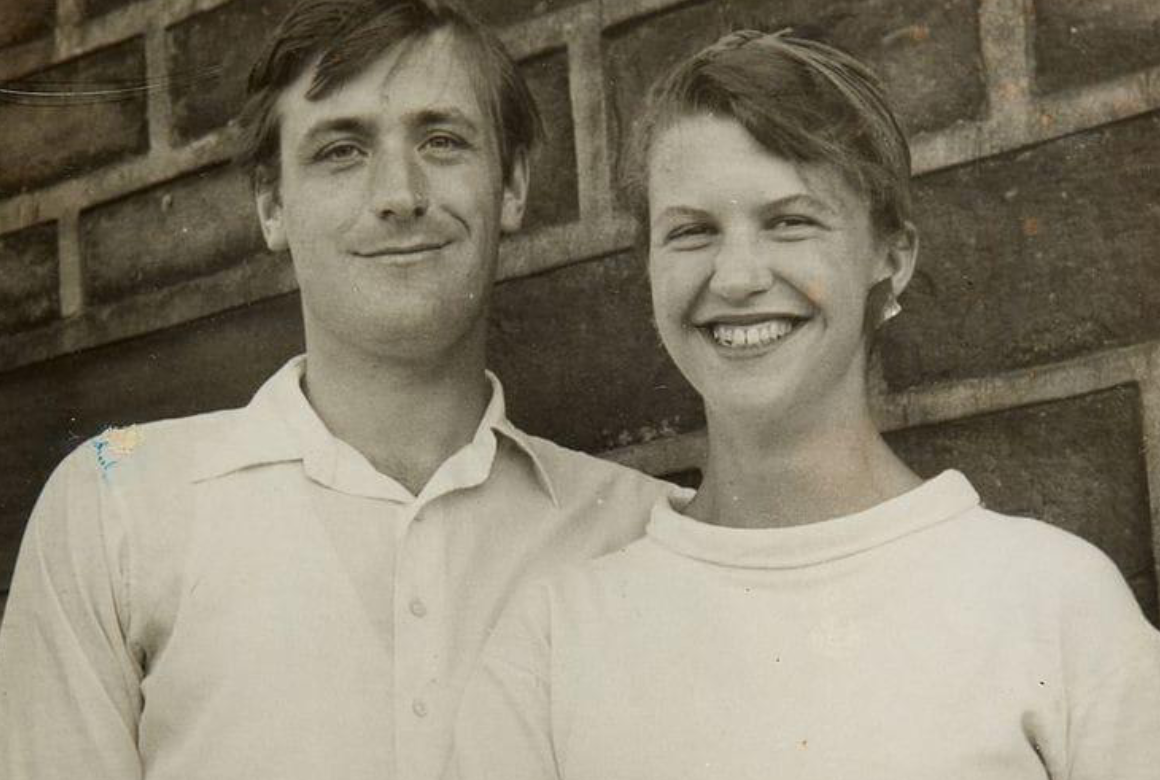
Examine a close reading of Songs of the Crow and Hawks Roosting by Ted Hughes in terms of critical commentaries.
In Songs of the Crow and Hawk Roosting Yorkshire native poet laureate Ted Hughes explicates the fraternity of nature by the amnesty toward their habitation, niche, mindless instincts and ferocity. These alien creatures nevertheless station themselves in the abodes of the human psyche. The whole of the countryside Yorkshire is a dwelling of mourning in funebrial of World Wars I and II. Thus “Hawk’s Roosting” is a hawk’s dramatic monologue of hawkishness,
exhibiting murderous instincts, malicious vivaciousness and manic egoism, infernal ruthlessness, precarious hubris, perilous arrogance, maleficent coldbloodness and gothic tyranny.
Hughes at his most disposition exhibited the aura of being the poet of claws and cages: Jaguar, Hawk, Falcon and Crow, mythologizing and psychologizing anecdotal memorabilia through penchant of restorative memory. Mythic or symbolic and elegiac or confessional poetry crafted by Ted Hughes are exemplified thus with Coleridgean vision and Wordsworthian candour.
Existence of the stark predatory personae of the hawks’ is emblematic of animalistic savagery and cannibalistic bestiality bereft of remorse and empathy in case of Hawk Roosting. The primitive and instinctive nature of its cold existence are further metaphorically represented within “the allotment of death” as implied by the superpower of “hooked beak” and “hooked feet”.
The futurity of nihilistic existentialism in the havoc and upheaval wreaked by the post World Wars allegorically critiques this satirical motif. Furthermore decadence and dehumanization along with
the fall of the legacy of Western civilization becomes the harbinger of the Hawk spirited personae espoused by the poetic voice. Harshness and ghastliness of the poetic voice examines the satiric scathing and incantatory conjuring of large scale nuclear annihilation, anarchic apocalypse and massive environmental cataclysm. Crow’s life and songs is an exposition of human hubris as an ecofeminist project in the vein of the tragic and mythic in the anthropocene.
That poetry consists of phrases that are soul feeding verses as declaimed by Seamus Heaney fruitfully resurrects in Ted Hughes’ Crows Song and the Hawk Roosting too. The poet laureate
remythologizes communion of heaven and earth resembles iconoclastic atonement and visceral bloody crucifixion. crows’ nailing of heaven and earth together/ So man cried with God’s voice and God bled with man’s blood… Thus life exemplified by crow song is an amoral but extraordinarily volcanic force in the aesthetic eloquence of darkness being lightened and speechlessness being speechified. Nonetheless traumatic memorabilia from the Great World
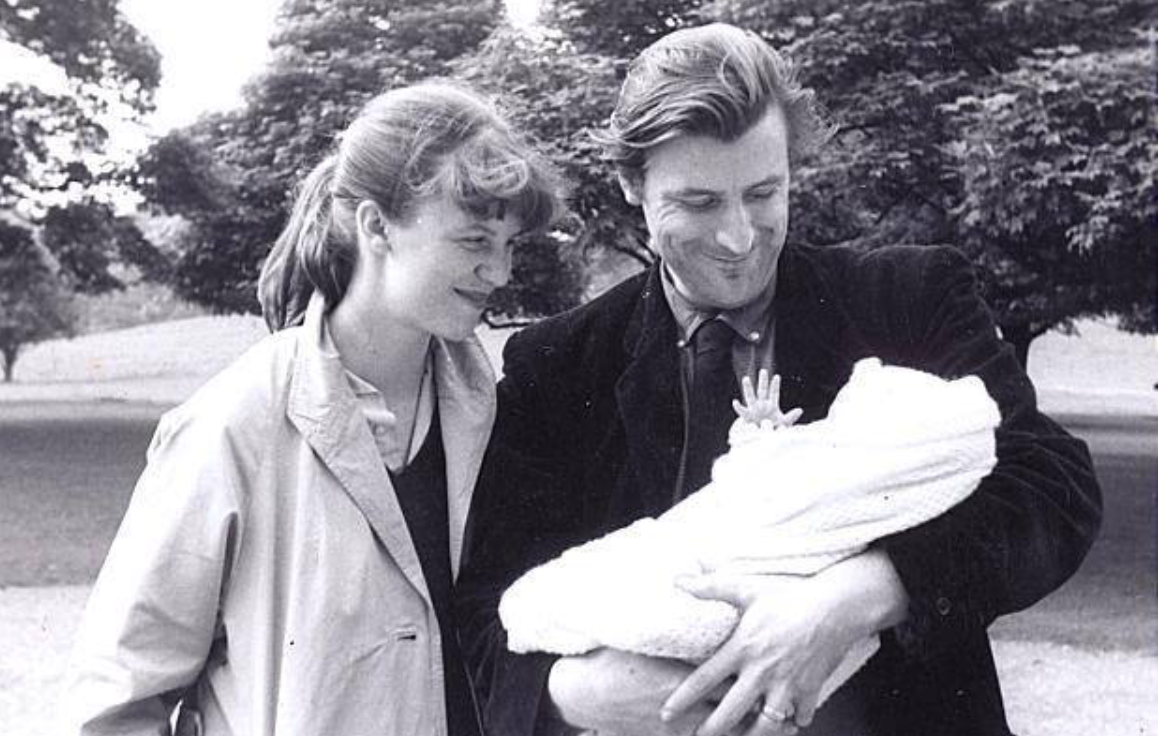
Wars I and II and Sylvia Plath’s suicidal death by the gas stove psychically embroils the cauldron of fantastic narrative poetry
‘Crows Song’ and ‘Hawks Roosting’.
Hughes’s re- mythologization of Crows after all symbolically
manifests inimical indifference of obliviousness embedded in human nature throughout a demythologized world.
Hughes like New Moderns re-enchants the contemporary historical socio economic and cultural milieu through ancient, antique, atavistic and primordial ballads, myths, legends, epics, folktales and fairytales into the British Isles and Britannic legacy. A wild destructive London night and a banging blasting ferocious love masculinizes the lovemaking by libidinal urges of Plathian eroticization. In this scenario, the penis envy enmeshes the metaphorical symbolization of dominance and power in the poems. The Hawks Roosting propounds the American symbolist spirit of the nationalist bird evoked by proud roosting posture and the image of the strong talons.
Further Reading
A History of Modern Poetry Modernism and After David Perkins
.