Short story from Sherzod Artikov

Following the dream

Suddenly I woke up. It was morning. Someone was calling me in a loud voice that came from the street.

“Uncle Nurmat,” I greeted as I opened the gate and saw my neighbour dressed oddly.

 “Me… me…” he said hurriedly. “I have been calling for you for a long time. It’s freezing cold.  Let’s go inside.”

Uncle Nurmat was seventy years old, a very thin and small man, none of the hair on his head had fallen out. He lived as a beggar. His wife had died many years ago, leaving him alone with his children. Except those two daughters, who occasionally visited him, there were no relatives to take care of him.

He was an actor who had played only minor roles throughout his life, a mediocre man whose dream of embodying Shakespeare’s characters on stage had turned into an obsessive desire.  This man, whose only significant role in the theatre was Bobchinsky in “The Government Inspector”, was sincere, free of the inherent stubbornness of older people, good-natured and energetic. At that age, he had nothing left to ask of life, and there was nothing to complain about fate. But for some reason, despite forty years of experience, he did not feel confident on stage, and because of this, they say, he could not play the role of the old King Lear in Shakespeare’s famous play.

“I rehearsed a lot yesterday, my neighbour,”  he said, running into the room ahead of me because of the cold, warming up by the stove.  “ It didn’t work. It did not fit. At that moment I said to myself: how can I rehearse like that, in the evening? I have to rehearse in the morning, waking up early. I think that’s the right decision. Because last night I repeated the monologue of the wretched king in the last scene four times. It was unsuccessful. And this morning the rendition of your humble servant was much better.”

As he said that, he rubbed his hands together.

 “May I sit on the chair? “ the neighbour continued.

 His body seemed warming up, and he moved away from the stove.

“ Look, I was sitting like that. Not upright, a bit hunched over, because that’s how King Lear sits. He’s old, exhausted. His hands are always shaking. That’s why he can’t hug his daughter’s dead body tightly. What’s more, he opens his eyes wide, not wanting to believe it is lifeless.”

He opened his eyes as he wished, pulling out a badly crumpled piece of paper from his jacket’s pocket. Finally assuming the position of King Lear, he began to recite a sorrowful monologue, glancing at the piece of paper.

“I have some shortcomings to work on,” he said as he finished his monologue. “Mostly I’ll have to work on this last scene. That’s the hardest part.”

He got up from his chair, walked over to me and, looking around coyly, whispered:

“Even  great actors could barely perform that last scene. I have to get serious about the monologue and learn it. Until I carry written monologues with me? If I go back to the theatre today or tomorrow, there is no way I will read the monologue on a piece of paper.”

He rubbed his temple and took a deepbreath.

“I have to solve this problem. I had better go to home.”

He hastily expressed his gratitude to me for watching his rehearsal and clutching the monologue sheet in his fist, he ran out of the room.

 After he left, I went outside, warmly dressed. I spent the whole day working in the city library.  Flipping through books, I gathered information for my research paper on Latin American literature. When I returned home in the evening, I met uncle Nurmat again at the gate.  He was banging his fist impatiently at the gate. He was dressed as he had been a couple of hours before.

“Ah, you’re not at home?” he said when he saw me.

“I went to the library,”” I answered, pointing to the books.

“I went to the theatre today,” he said, ignoring the books. “I wanted to talk to the director about going back to work. I waited outside his office for a long time. But he did not come through. Tomorrow I will go again. I’ll tell him I’ve decided to go back to work: I’ll play the role of King Lear.”

 When I passed his house the next day, the window to the street opened with a crack of the frame, and uncle Nurmat looked out.

“ My neighbour,” he shouted, waving his hand. “  I met the director last night: he came. I told him of my intention. He listened to me attentively and spoke flatteringly of my return. But apparently the job has been postponed for a long time because, he said, there is no vacancy in the theatre at the moment. He said he would let me know by phone as soon as there was a vacancy.”

For the next three days, uncle Nurmat didn’t come out to see me. And when I finally met him, he looked very annoyed.

“Scoundrels, scoundrels,”he repeated incessantly.

He sat by the stove, as usual. He was gesticulating a lot as he spoke.

“My daughters are here,” there was a note of rage in his voice that was uncharacteristic of his character. “I told them I was going back to the theatre, but they didn’t approve of my idea. They said I was old and could not work as before. They said I couldn’t work now. No, that’s not going to happen! It’s the right time to play King Lear. And my age is right. King Lear was about seventy years old.”

Suddenly he perked up, pacing the room from side to side with his hand behind his back.

“You saw it, didn’t you?” he said, stopping suddenly in front of me. “You have seen that I can play King Lear, that I have deeply studied his state of mind. You heard with your ears how expressively I read the monologue. And they have not even seen or heard. The daughters grieved my soul by saying ruthless words.”

I looked up, distracted by the descriptions of Mario Benedetti’s portrait. It was one part of my academic work.

I couldn’t work when uncle Nurmat was so nervous. At this time the water in the electric kettle boiled.  I brewed some tea.

 “Tea raises blood pressure,” said uncle Nurmat.

He wasn’t thirsty and put the cup on the windowsill.

“Uncle, maybe your daughters are telling the truth,” I said as I drank the tea all the way down. Then I looked sadly at the rest of the tea that was left at the bottom of the cup. 

Uncle Nurmat looked at me sadly.

“They don’t know anything.”

This is where I used to rent a place to live. Visits to my parents were sometimes deferred because of work at the institute, as science was time-consuming. Since I took time off from my work at the department, I now have the time to visit them more often.

“ Tomorrow I am going to the village,” I said when I sensed that uncle Nurmat had calmed down a little. “I’ll visit my parents, for two or three days, maybe a week.”

He nodded, as if to say okay.

“ By then, the director of the theatre will have called me.”  

I stayed in the village for a couple of weeks. The cold days of January seemed even colder there. I continued my research work without leaving the house because of the cold.  The days were boring, and I translated Benedetti’s stories into Uzbek. A heavy snowfall occurred the day I returned to town. It was knee-deep in snow. The roads were slippery. Not only was it dangerous to walk, but also to drivea car. We were moving so slowly that it seemed as if the taxi speedometer wasn’t working because of the slow speed.

When I got out of the car near my house, I noticed an ambulance near uncle Nurmat’s gate, in which the driver was not moving; he huddled up on the steering wheel. After a while, a paramedic came out of the house with a suitcase of medical instruments in his hands, and sat down on the front seat. The carriage drove slowly up the road. After settling the bill with the taxi driver, I went to uncle Nurmat’s house. When I entered, his eldest daughter Zarifa, who was just getting water from the well, greeted me. I inquired about her affairs and health, then entered the house. Uncle Nurmat was lying in his bed staring at the ceiling. His head was covered with a white bandage.

“Yesterday he had been very drunk and slipped in the snow,” said Zarifa. “ He hurt the back of his head.”

I sat down on a chair beside the bed, putting my things away.

“The director hasn’t called me from the theatre yet,” said uncle Nurmat when he saw me.

There was a short silence. I looked around the room. The stove was unburned, a leaning cupboard with two dozen books in it, a sprung bed and an old chair. There was an old telephone set on the window sill, an empty bottle of wine beside it, a pile of sheets and used syringes lying scattered about. The room was so cold.

“My neighbour,” said uncle Nurmat anxiously, seeing that I had  brought wood from the yard for the cooker. “Take a look at the telephone, is the wire broken?”

“No, it’s all right,” I said  glancing at the phone.  I poked the matches and lit the cooker.

“Oh, well,” he said with great satisfaction, reassured by my answer. “If the director calls, the phone will ring.”

 Soon the stove was heating and the wood was crackling. Warmth was spreading in the room. Zarifa must have seen the smoke from the stove and came into the room to get warm.

“ I have memorized by heart all the speeches and monologues of King Lear,” said uncle Nurmat as his daughter went out into the yard, warming up.

He could not shake his head because of his injury. So he swivelled his eyes as he spoke.

“ However, there is no call from the theatre. Waiting everyday. There is no news.”

 Uncle Nurmat soon fell asleep, apparently the paramedic added sleeping pills when he gave the anaesthetic shot. Uncle Nurmat’s youngest daughter Zamira went to the windowsill as soon as she entered the room and tore the scattered sheets to shreds. When  finished, she sat down on the edge of the bed where her father lay.

“You must go to the hospital, without any arguments,” she said, approaching uncle Nurmat as he woke up.

Uncle Nurmat looked at her in surprise then at his eldest daughter who had brought tea into the room.

“I don’t want to go to the hospital. I’ll be getting a call from the theatre soon.”

The daughters shook their heads when they heard his words.

“They won’t call,” said Zamira, with a deep groan. “Do you know why they won’t call you? Because,  they don’t need you. There are dozens of actors in the theatre who can play the part of King Lear. And they’re all more talented than the others.  The director won’t give you the part; he’ll give it to them. You weren’t given the lead role when you worked there; do you think they’d give it to you now?”

“My sister’s words are right,” Zarifa, the eldest daughter, raised her voice from the doorstep. “All your life you have dreamed of playing the role of King Lear. Much of your life and youth has been spent on this dream. But it did not come to pass; it was not your destiny. Now you have grown old… You are no longer of an age to run in the footsteps of a dream.”

 Uncle Nurmat sighed heavily, clutching the edge of the bed with all his might.

“You… both of you… step out of the room.”

 After they left, he lay quietly, not taking his eyes off the door. When he spoke, I couldn’t differ if he was talking to himself or to me.

“My life passed not following a dream, but in the hassle of caring for my daughters. All my colleagues came to the theatre in the morning cleanly dressed and combed, while I came in old clothes with my unshaven beard for weeks because I didn’t have enough time to embellish myself. I took over the daily care of my daughters because of my wife’s illness. I took care of them, washed them, fed them, took them to kindergarten and school; did homework with them when they were sick, stayed with them in the hospital for a few days. Because of that, I couldn’t work at the theatre as I had dreamed of doing. I was also talented. But it took a long time to look after my daughters. When putting on a play at the theatre, I used to get reprimanded by the stage director many times because not only I couldn’t  perform the role allotted to me perfectly, but even couldn’t memorise character texts. I almost didn’t work on myself, like others. I didn’t read books, didn’t develop speech. Twenty-four hours a day I thought only about daughters. And they stopped giving me roles. In the eyes of the stage director, I gained a reputation as an inept actor, unfit for any role, completely irresponsible, and I was dismissed, bypassed in the distribution of roles before a performance. I played nothing for months. I was assigned roles only occasionally and unexpectedly, but they were minor roles in small, unpopular productions, episodic, with two or three lines.”

Uncle Nurmat was silent, staring dejectedly at the telephone. Tears stood in his eyes and, accumulating, ran down his cheekbones.

“ My life has never been following a dream,” he said, closing his eyes.

The wood in the stove must have burned out by now, for the heat from the stove had diminished considerably. I brought another bundle of firewood from the yard.  As I was heating it the door opened, and the paramedic whom I had seen that morning appeared on the doorstep.

“We tried to take your father to the hospital,” he said to Zamira, excusing himself. “But he would not go himself.”

“A man becomes so capricious when he gets old,” replied the daughter, glancing embarrassed at the bed where her father lay. 

The two men carefully laid uncle Nurmat on a stretcher. He did not resist. He didn’t even open his eyes.

 I went to the window, standing alone for a while in the centre of the room. Scraps of sheets on which King Lear’s monologues and lines had been written scattered across the window sill, some lying beside a bottle of wine and a syringe, others behind a telephone.

“ I felt like ventilating and tidying the room a bit.”

 Seeing Zarifa standing on the threshold, I went out into the corridor. I stood there pensively, leaning against the wall. Suddenly the phone rang.  After a while I heard Zarifa’s voice picking up the receiver.

 “ Have you hospitalized father? I’m airing the room, it smells everywhere.”

Translated into English by the author

Autobiography

Sherzod Artikov was born in 1985 in the city of Marghilan of Uzbekistan. He graduated from  Fergana Polytechnic institute in 2005. He was one of the winners of the national literary contest “ My Pearl Region “ in the direction of prose in 2019. In 2020, his first authorship book “ The Autumn’s Symphony “  was published in Uzbekistan by publishing house “Yangi Asr Avlodi” . In 2021, his works were published in the anthology books called “ World Writers “ in Bangladesh,  “Asia  sings” and “ Mediterranean Waves “ in Egypt, “Emerging horizons” in India, “ Healing through verses” in Canada in English language.  In 2021, he participated in “ International Writers Congress “ which was organized in Argentina , in the international literature conference under the name “ Mundial insurgencial cultural “ dedicated to Federico Garcia Lorca’s life and work , in “ International Poetry Festival “ in Tunisia, in “ International Poetry  Carnival “ in Singapoore and in the First International Proze Festival in Chile which was held under the name “La senda del perdedor”. 

This year he’s awarded “ Global Peace Ambassador “ by Iqra Foundation,  “ International Peace Ambassador “ by World Literary Forum for Peace and Human Rights,  “ Certificate of friendship “ and other certifications by “Revista Cardenal” in Mexico.  Currently,  he is the literary consultant  of the cultural website of Pakistan “ Sindh courier “, the representative and delegate in Uzbekistan of the literature magazine of Mexico ” Revista Cardenal “ and the literature and art magazine of Chile “ Casa Bukowski “.

His works were  published  in several magazines and newspapers of Uzbekistam. Then translated into Russian,  English,  Turkish,  Serbian,  Slovenian,  Macedonian,  Spanish,  Italian,  Polish,  Albanian,  Romanian,  French,  Greek,  Hebrew,  Portuguese, Swedish, Bengali,  Arabic,  Chinese,  Indonesian,  Persian ,Urdu and Nepali languages .

Besides,  his works were published in the literary magazines, newspapers and websites of Russia, Ukraine, Turkey, Montenegro, Serbia, Slovenia, England, Germany, Greece, Italy, Spain, Romania, Poland, Israel, Belgium, Albania, Macedonia, Sweden, Kazakhstan, Bangladesh, Pakistan, China, Saudia Arabia, India, Indonesia, Iraq, Jordan, Syria, Lebanon, Yemen, Palestine, Iran, Nepal, Nigeria, Egypt, Morocco, Algeria, Peru, Bolivia, Argentina, Colombia, Chile, Venezuela, Brazil, USA, Mexico, Costa Rica, Guatemala , Nicaragua, El Salvador.


Poetry from Jerry Durick

Ledge

Stepping out on the ledge

this many floors up

puts things into perspective.

The people become ant size

scurrying about

the rich, the poor

the happy, the sad

appear the same from up here.

Their cars and trucks become

matchbox size toys yet again

to play their parts.

From up here their stories

take place in your imagining

clashing, crashing, crushing.

The violence in you plays out.

Up here the world becomes

yours.

The wind, the slant, the sun

flashing on windows

the distant traffic sounds

the stray plane going away

are yours to use

as background for the tale

you’ll tell. Icarus unappreciated,

suddenly Superman, a minute is

passing – the man you launch into

the afternoon,

a story they will read carefully,

claiming they saw you all along.


 Accidental

It’s not hard to guess what’s going on

when there’s a couple of police cars,

an ambulance and a firetruck blocking

the intersection. You see people moving

about, saying things you can’t hear, but

there doesn’t seem to be any hurry in

what they are doing. Someone is lying

in the street, the center of attention, but

now there’s very little to do for him or

her. All that’s left is to clean up and move

on, some measuring and some questioning.

That’s all that’s left of whatever happened.

In the end this is just a pause in your day,

one you will mention just in passing when

you get home. It probably will not make

the evening news, but if it does, you’ll say

something about seeing all that commotion

when you were coming back from groceries.

There’s a body in the road, was a body in

the road, an interruption, a pause in your day

and it really wasn’t hard to guess what was

going on – things like this happen all the time.


Credits

When the day is finally done

we should roll the credits

for this low budget blockbuster

we are living: first the main

characters and who played

those roles, the big time players,

wives and doctors and the one

or two friends we still have left,

then the minor characters and

those background extras who

played and pushed their way

into our day. After that we need

to quickly run a complete list

of directors and producers, their

associates and assistants, whole

gangs of support folks, key grips,

make-up and costuming, the whole

list, stunts and special effects. Yes,

the list is long and perhaps boring,

but people like to be remembered

and credited with what they did. And

during all that we should play theme

music, something classical, Handel

or Beethoven, big dramatic stuff

that will stay with our audience,

something they can hum to themselves

as they walk out of the dark, empty

theater of our day.

J. K. Durick is a retired writing teacher and online writing tutor. His recent poems have appeared in Literary Yard, Black Coffee Review, Literary Heist, Synchronized ChaosMadswirl, Journal of Expressive Writing, and Highland Park Poetry.

Synchronized Chaos July 2021: Small People, Vast Universe

Welcome all to July’s issue of Synchronized Chaos Magazine! This month the submissions highlight the wonder, danger, beauty and complexity of the world around us.

Anthony Vernon kicks us off with a short piece about a child’s awe at the night sky.

Hongri Yuan’s poetry, translated by Yuanbing Zhang, connects with a timeless imaginative world beyond Earth.

Dust, gas and stars against the black night sky.
Nebula (public domain stock photo) from the CC0 community https://www.publicdomainpictures.net/en/view-image.php?image=212714

Sushant Thapa looks to the sky, showing how all of us, homeless people included, are part of life on the same planet.

Jack Galmitz’ parable encourages ecological conservation while inviting us to consider how much thought and decision-making agency we imagine non-human life to have. Chimezie Ihekuna’s poem calls out both the precarity and the joy of living on Earth.

Marjorie Thelen ponders rural American life: being dwarfed and amazed by expanses of space and time, working hard to maintain one’s lifestyle, realities and stereotypes of the social climate, and the complex ways farmers and ranchers relate to the ecosystems and the animals they raise.

Physical map of our planet.
Public domain image from Dawn Hudson here: https://publicdomainpictures.net/en/view-image.php?image=86455

Lazlo Aranyi’s poetry evokes the ancient wisdom of the Tarot while Jaie Miller writes of dream states, memory and destiny. Alan Catlin drawn on both older and newer history and culture as metaphors for his stream of consciousness work.

Robert Thomas looks at WWII through his father’s experience as a bombardier and tail gunner. Steven Croft, a combat veteran himself, reflects on more recent armed conflicts from the point of view of ordinary soldiers and civilians, past and present. Susie Gharib poignantly demonstrates the effect of economic sanctions on civilians through pieces that combine reminiscence, grief, and nostalgic elegance.

Jeff Rasley depicts current conditions at Wounded Knee, South Dakota, a Sioux reservation where people work and honor their culture and eke out a living in creative ways despite extreme poverty. This is an excerpt from his upcoming book America’s Existential Crisis: Our Inherited Obligation to Native Americans.

Patricia Doyne contributes two poems on urgent American social issues: gun violence and the environment and climate change.

Mahjabeen Rafiuddin and Bianca Stewart both review Michael Robinson’s recently released poetry collection From Chains to Freedom, about the pain and resilience of the Black male experience in the US.

Various silhouetted people raise fists and march with signs.
Public domain image from this site: Reclaiming Social Justice – or Was There Ever Any in the WB-6? – The Berlin Process

Zara Miller explores the genesis and character arcs of villains and heroes. Frankie Laufer’s work also explores narrative, with an ode to the experience of reading, yet then shows how our emotions can outweigh the stories we tell ourselves about our relationships.

In the second installment of his Ph.D. thesis, Z.I. Mahmud probes Charles Dickens’ personal history and how it could have inspired parts of his novel David Copperfield.

Christopher Bernard also continues his Ghost Trolley story, heightening the adventure for ‘children and their adults.’

Ian Smith’s poetic speakers look out over panoramas of water and sand, remembering their books and travels. Kahlil Crawford’s piece follows a single man through a modern metropolis, showing his individual struggles and experiences participating in public art and culture.

Ivan Jenson writes of the inner loneliness and complex, shifting identity that can come as part of the human condition, while Abigail George recollects a past flame within a meditative piece on creative inspiration, family and romantic love, womanhood and mental health.

Terry Tierney reviews Virginia Aronson’s new poetry collection Hikikomori, about modern-day people in Japan who have chosen to withdraw from society out of feelings of inadequacy and shame, a preference for solitude, or a combination of those reasons.

Silhouette of a woman reading on a pier at sunset or sunrise. She has a ponytail and her book in front of her. Seagulls fly behind her.
Woman reading, public domain image from Mohammed Mahmoud Hassan https://www.publicdomainpictures.net/en/view-image.php?image=264941

Anthony Ward describes the responsibility of jury duty, the heavy weight on his character’s conscience when he realizes that he isn’t sure about a life and death decision.

Mark Young’s visual art pieces harness contrast as an artistic device: vibrant and subtle colors, defined and fuzzy lines and shapes juxtaposed. He incorporates English words as a pictorial rather than a communicative element, encouraging us to see the letters themselves as part of the crafted picture.

The universe, even the world inside our own minds, can seem huge and overwhelming. Yet we each have a place here, and we can certainly assert that we belong and celebrate our joy when we find our place.

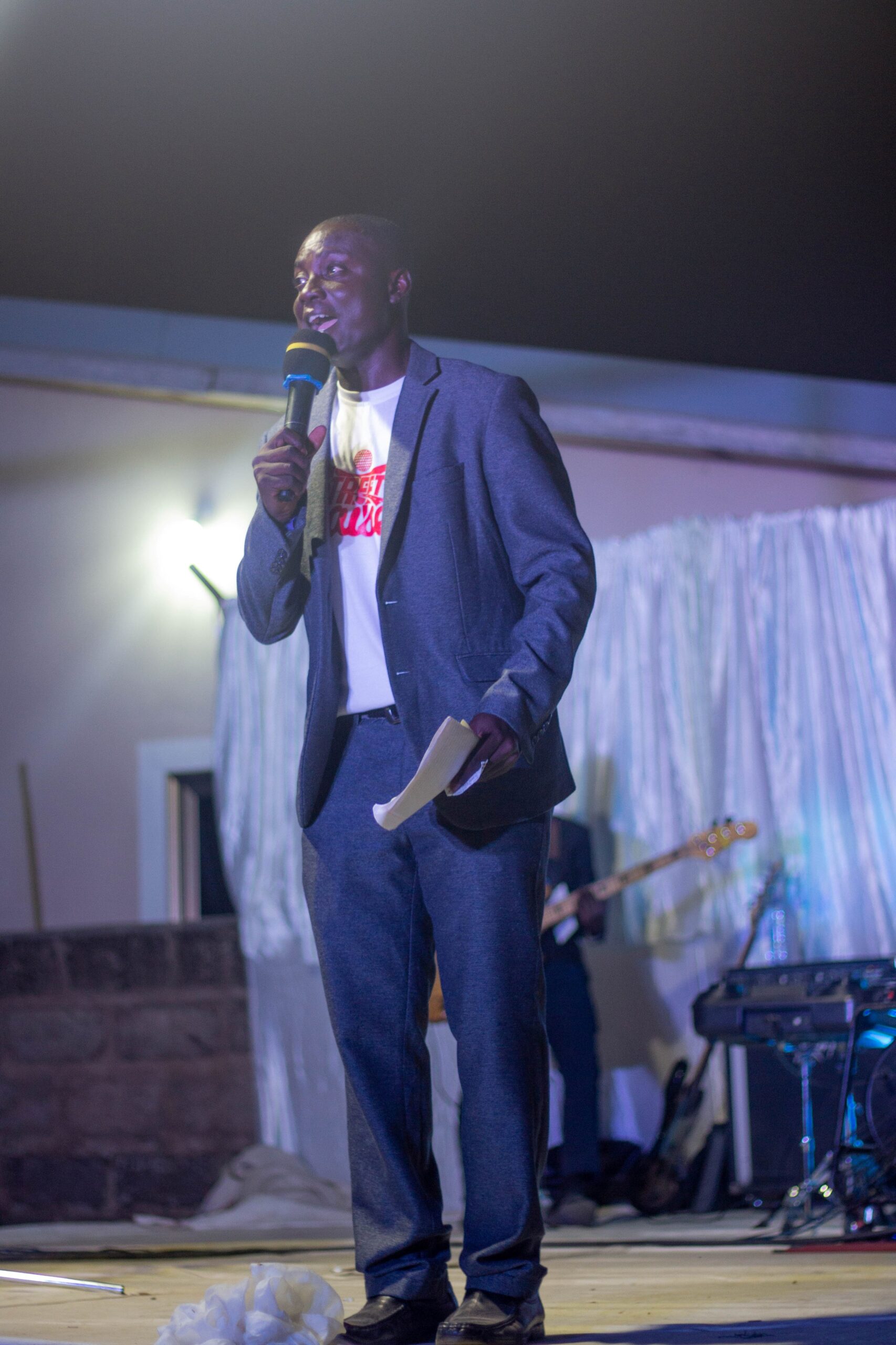
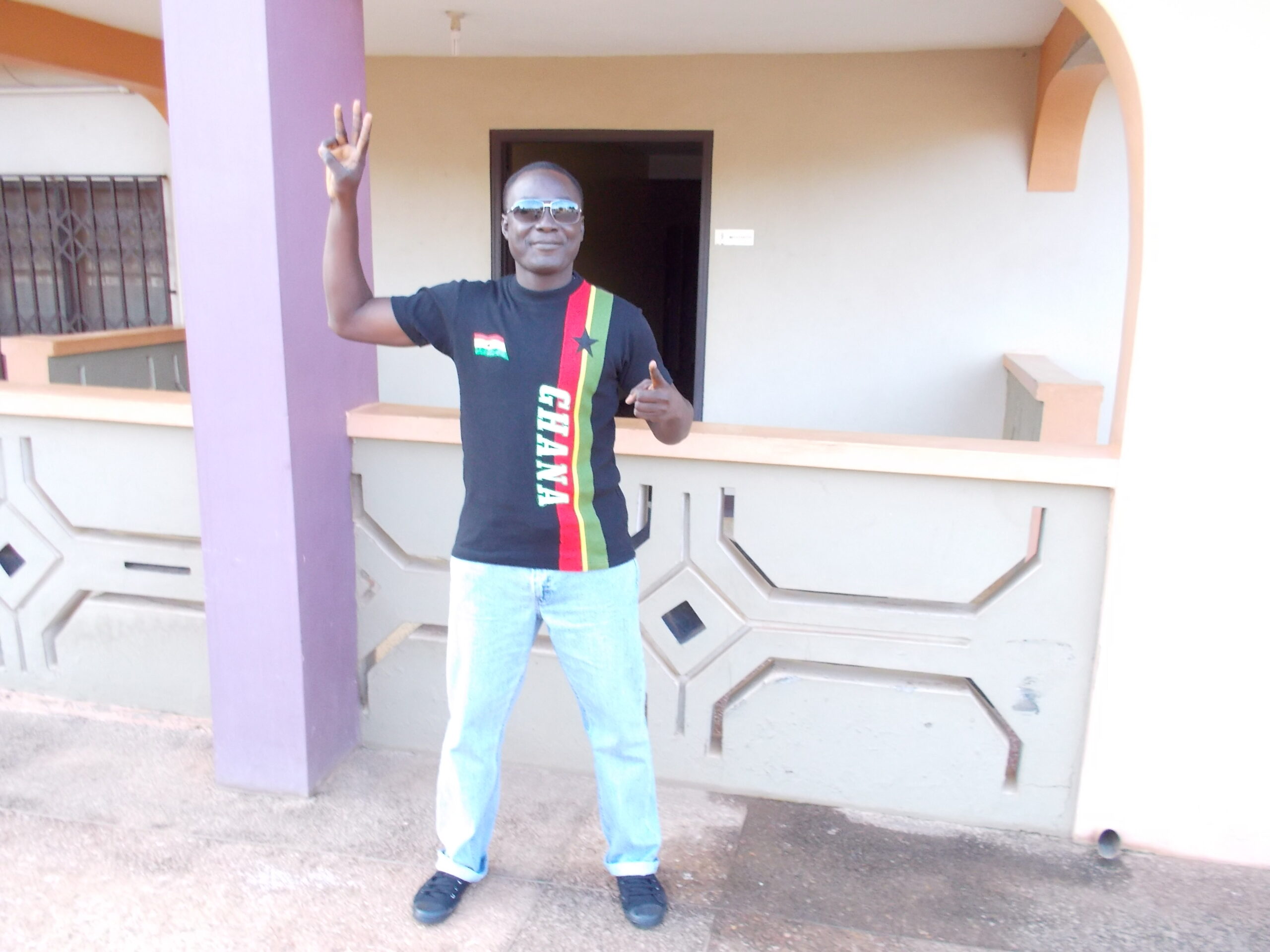
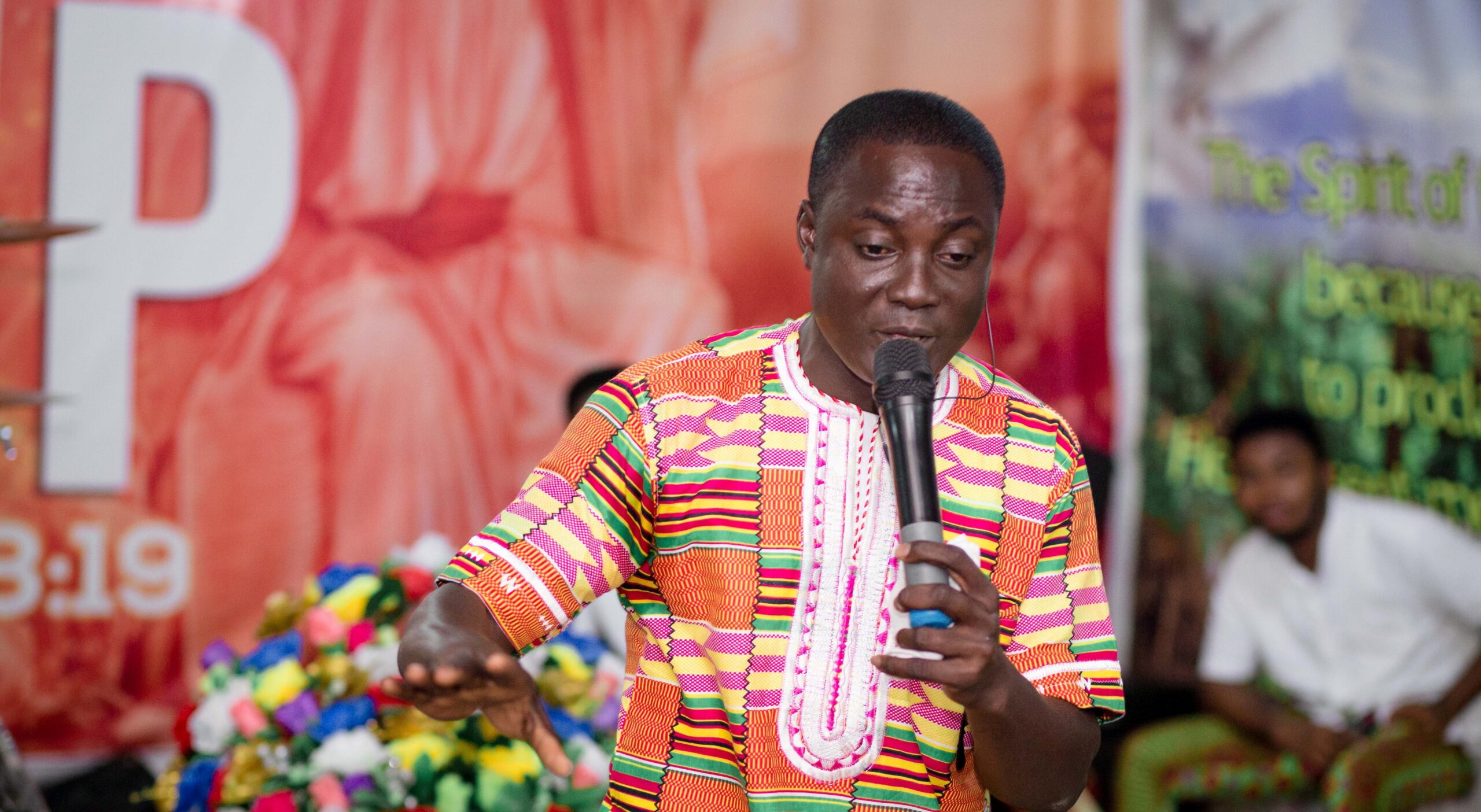
Ike Boat puts himself forward as a spoken word artist with a personal biography and several still shots of himself performing work in different styles. He also reviews Dennis Mann’s children’s book Mr. Pee Pee.

Sheryl Bize-Boutte crafts an unconventional love story, where two vastly different human beings recognize a common bond.

Person holds up a translucent blue puzzle piece up against city lights in the night sky.
Public domain image from Gerd Altmann: https://www.publicdomainpictures.net/en/view-image.php?image=370153

And our individual lives and choices can matter.

Mahbub’s pieces are poems of life, about a willingness to love and live in the world wherever we find ourselves.

Chimezie Ihekuna’s spotlighted screenplay One Man’s Deep Words focuses on a professor who finds his own intellectual and personal voice.

Sarita Sarvate sends an excerpt from her upcoming memoir Leaving the Cuckoo’s Nest, about leaving an arranged marriage and creating a new life for herself in a new country.

We hope that this issue will inspire you to seek out and find your own artistic and creative voice and to read and learn from the many ideas, cultures and values presented here.

Excerpt from Sarita Sarvate’s memoir Leaving the Cuckoo’s Nest

What is in a Name?

By

Sarita Sarvate

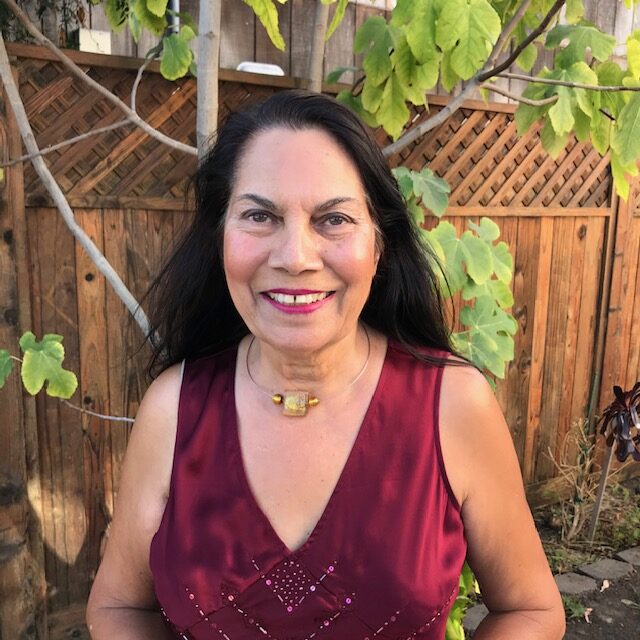
Middle aged South Asian woman with a large shiny golden necklace and a burgundy top standing in front of a fig tree and a fence in a yard.
Author Sarita Sarvate

It is my wedding day! And I am sitting in the inner sanctum of the wedding tent worshipping goddesses I feel no affinity with. It is 1973 now and I am studying for a Ph.D. in Physics. Why then am I following such antiquated rituals?

Through the wooden grill, I watch the activity in the wedding canopy. 

Dressed in a dhoti and Nehru shirt, my father Dada rushes to the entrance. Behind him, aunts line up to sprinkle guests with rosewater. My mother Aai stands in a corner, making no attempt to help in the preparations. Since her nervous breakdown over a decade ago, she has mostly been bedridden.

As I face the goddesses I strain to recall my fiancé’s face. I can only remember him as a blurry figure at the end of the parade of men I was exhibited to during the last year; the dressing up in my finest sari, the bringing of the tea tray to the in-laws, the visitors’ inquisitions about my education, but more importantly, about my housewifely skills.

Am I getting married just to avoid the humiliation? 

Flanked by his brother Vasant and sister-in-law Savita, my fiancé Sharad walks into the wedding canopy. His parents, brothers, and sisters follow. 

This is my husband, I tell myself. But he does not look like a man who could be my husband. My body does not stir at his sight.  

A few months earlier, Sharad’s brother, Vasant, had arrived at our gate. “I asked for the smartest girl in the locality,” he said. “And everyone gave me your name.” He was an executive civil engineer in Bhopal, he told us, and had just returned from a sabbatical in the US. His aunt lived in our neighborhood. His younger brother, who worked as a textile engineer in Mumbai, wanted to marry an intelligent girl and go to America as soon as possible.

It all sounded so very exciting. 

He asked about my Ph.D. and about my debating competitions. He did not talk of rolling chapattis for a hundred people or matching astrological signs.

A few days later, Dada and I traveled to Bhopal and stayed with a cousin. The following evening, we walked to Vasant’s flat and sank into a sofa, facing an American TV, which, in 1973, still awaited transmission.

Dressed in a nylon sari and a sleeveless blouse, Vasant’s wife Savita brought the tea tray in, bearing a Mona Lisa like smile.

The boy, Sharad, entered the room. He had a sharp nose, thin moustache, and trim figure. In a full-sleeve white shirt and brown slacks, he looked appealing. I could not gauge his physique but I was counting on meeting him again. 

He talked of the textile research he was doing at an institute in Mumbai. I wondered why I was meeting him here under the watchful eyes of his relatives instead of in Mumbai where we could have gone on a date.

“Are you interested in going to America?” he asked. 

What a silly question. Who would not want to go to America? 

Sharad’s father was a humble man in white pajamas and a khadi shirt. “You should have a registered marriage,” he said to Dada. “No need to spend money on a wedding.” 

Dada beamed.  

“See what good people they are? They don’t even want a dowry,” Dada said as we walked back. “The boy has a company flat. You won’t have to bother with the in-laws. He might even go to America. But you shouldn’t count on it.” 

But I was counting on it. Everything was falling into place, I thought. 

Holding a chrysanthemum garland, I walk to the bohla -the wedding platform – and stand behind the saffron-colored wedding cloth two priests are holding up. I can sense Sharad’s presence on the other side of the fabric. 

Aunt Shobha nudges me forward. I bow. Priests chant the mantras. I am about to link my destiny to the man standing on the other side of the cloth. I would be his, not only for this life, but for the next seven incarnations.  

The trouble is, I can’t quite recall the exact moment when I agreed to the marriage.

After we returned from Bhopal, Sharad’s aunt, who lived in our neighborhood, arrived at our door. Circling an oil lamp around my face, she said, “You’re engaged,” and put a sari in my lap.

I was taken aback. I could not quite recall the exact moment when I had made the decision to marry. Rather, the decision seemed to have been made for me.

“You’re arranging Aruna’s marriage to a boy I haven’t even met?” Aai said to Dada after the woman had left. Aruna was my birth name.

“I want to see him again,” I said, wondering why Sharad hadn’t attended the engagement in person. I planned to go to Mumbai for my Ph.D. work in any case and could easily meet him there. 

Dada wrote to Vasant. He replied that Sharad would be in Madras for a technical conference and would not be able to meet me.

 Returning from Mumbai, I found the house buzzing with wedding preparations. “Didn’t they ask for a registered marriage?” I asked. Dada explained that his brothers had pressured him to have a formal wedding.

The next day, a letter from Sharad arrived, asking for the dowry of a scooter. Dada paced the yard, up and down, up and down, his cheeks hollow, his eyebrows furrowed. “Where am I to get a Vespa now? I will have to pay at least six thousand,” he said.

 “I don’t want to marry a man who asks for a dowry,” I said.

 “The boy’s family’s spending nothing,” Aai said, coming out of the kitchen and sitting on the divan. “They asked for first class train tickets for twenty people. They asked us to print two hundred invitations too. Who ever heard of the bride’s father printing invitations for the bridegroom?” 

 “Dada doesn’t know how to play the power game,” Prakash whispered in my ear.

“If we say no now, people will think the boy rejected you,” Dada said. “They will malign your character. No one will marry you.” 

“I don’t want Aruna to marry into such a family,” Aai said.

“I have invited all of my relatives,” Dada said. “How can I back out now?” 

“He is spending all his savings on the marriage and the scooter,” Aai said. “He will be retiring in February. What will we live on then? Prakash hasn’t even finished college.”

Dada raised his palm to indicate shut up.

Something snapped inside me at that familiar gesture. “Don’t ever do that again,” I said. “You repressed her all of her life. And now you are repressing me. You care more about what people think than what I think.”

Dada stared at me.

“You say you support women’s liberation. But you don’t. You like controlling women. You are controlling me. And you controlled your wife all her life. Which is why she went crazy.” 

Dada crumpled into his chair. “You don’t know anything. You don’t know what struggle it was for me to keep you and Prakash alive after your mother’s breakdown. So many times I thought of leaving her. But I felt sorry for you kids.” 

My arms and legs, my whole body, began to shake.

“And now you think of me as a dictator? You, whose tiffins I filled and uniforms I washed?”

Holding his face in his hands, he began to sob. 

The universe seemed to crumble around me at the sight of his tears. I had never seen Dada cry. He had been the one person who had always stood by me, who had tended to my every need.

I reached out to take his hand. “I will marry whoever you want,” I said. “But please don’t cry.”

Kuryat Sada Mangalam, the priests sing the finale. People throw colored rice on our heads. The holy cloth is removed. I peer into two timid eyes. This is the stranger who asked my parents for a ransom. His downward gazing eyes and slack demeanor do not compute with the hostile act he has perpetrated. How do women surrender to husbands who have demanded dowries? I cannot. My heart and soul are rebelling against this man. Every cell in my body is asking me to run away, like Walmiki, the ancient sage, who, after being coerced into an arranged marriage, had fled the wedding tent, and after taking refuge in an Ashram, become a seer and a scribe. 

The only flight I am capable of is a flight of the soul. It leaves my body now, and sitting on a wooden beam at the top of the canopy, watches the wedding rites. 

Aunt Shobha nudges me forward. The shehnai breaks into a merry tune. I put the chrysanthemum garland around Sharad’s neck. He puts a garland around my neck. Everyone claps. Sharad takes my hand and we begin the saptapadi -the seven circles – around the holy fire. 

The bridegroom’s palm, I note, is soft and clammy.

In Hindi films, the heroine circles the holy fire accompanied by the villain who has coerced her into the marriage. But just as the bride and the groom are about to take the seventh step, the hero appears, shouting, “Stop the wedding!” 

Is there a precise moment at which a Hindu wedding becomes irrevocable, I want to ask the priest? Or is it a myth that Bombay filmdom has concocted in imitation of Hollywood, where the lover invariably makes an appearance before the bride says I do? 

I take the seventh step. I gamble away my life. I am married, forever and ever. To a man I do not love.

Female cousins arrange banana leaves on the floor and draw colorful rice powder designs around them. Guests sit down. But no one eats. It is customary for the bride to initiate the feast by putting the first morsel of food into the groom’s mouth while rhyming his name in a lyric.  

“Say it in English if you want,” Vasant says.

Sitting by Sharad’s side, I pick up a piece of jilebi from his plate. “Smashing the atom and unleashing the particle is no miracle compared to the marriage of Aruna to Sharad the oracle.” I thrust the sweet into his gaping mouth.  

I have never felt more foolish in my entire life. 

Sharad and I sit on a sofa, accepting gifts. “What a good looking boy you have found your daughter,” someone says to Dada. I look sideways at Sharad. With his sharp nose, pointed chin, curly dark hair, my husband is handsome I suppose. Why then does he stir nothing in me?

As evening approaches, I brace myself for the farewell ceremony. Brides throw their arms around their mothers and sob hysterically during this ritual. Weddings become funerals. Even men weep.

Aai stands catatonically in a corner, her lips moving silently to some inner voice. Dada hovers at the edge of the canopy. My parents have never embraced me. They would not begin now, in public. Prakash stands among a group of friends, staring at me with large sad eyes. He would have to cope with our fragile parents single-handedly from now on.

But I cannot react to his plight. I cannot afford the luxury of emotion.

I sit down to face a plate of rice grains. The bridegroom will now write the bride’s new name in the rice. In our community a bride is given, not only a new surname, but a new first name too. Like a Mafioso in the witness protection program – Mario Puzo’s Godfather has recently hit the bestseller lists – her identity is completely erased.

Sharad scribbles a word in the grains.

“Sarita,” the priest reads.  

This morning, I woke up as Aruna but tonight I became a Sarita.

More about Sarita Sarvate and where to find more of her writing here: http://new.saritasarvate.com

Ike Boat reviews Dennis Mann’s children’s book Mr. Pee Pee

Book Review RevelationsBRR

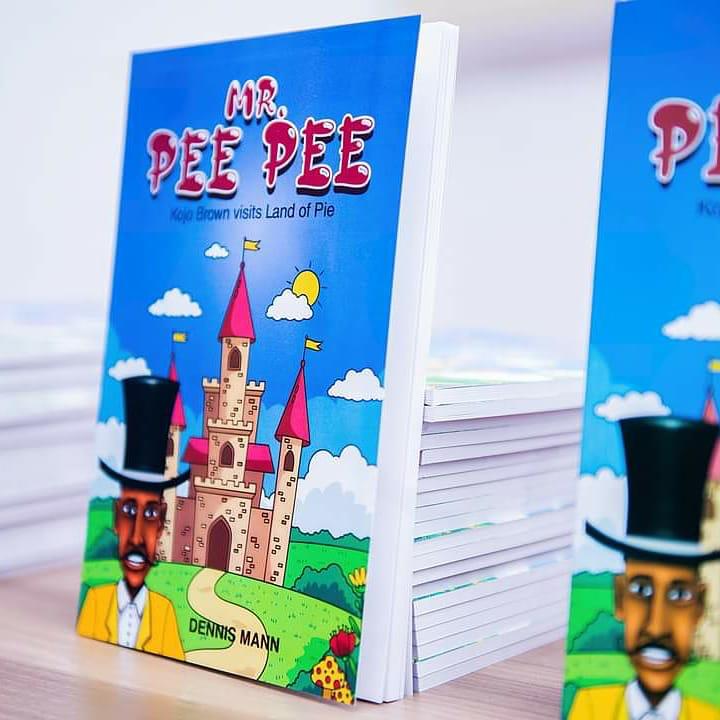
Book cover, red, green, light blue. Title, Mr. Pee Pee, is in a red bubble font and there's a man with dark skin and a black top hat standing in front of a castle on a grassy hill on a sunny day.

Book Title: Mr. Pee Pee

Book Author: Dennis Mann

Hello Reader,

                        Let me take you on a roller coaster ride through the memory lane of BRR journey. Thus, some weeks ago I re-established communication contact with Mr. Dennis Agyeman, popularly known by his professional pen-name Dennis Mann. Apart from his career as an author, he’s a reputable Banker with in-depth knowledge about the financial sector coupled with the world of Forex Trading and the Crypto-System spheres across the globe. Undoubtedly, he’s been described and identified as a man of compassion with heart of generosity as well as integrity. He’s such a brilliant devoted and committed Christian man with Godly character in most of his inter-personal business dealings in both the creative writing and money-making financial sectors, be it local or global.

                        My first time phone conversation with him commenced when I was in Takoradi, Western Region of Ghana, thus a couple of years ago whilst the Manager of Amanful Digital Library & Learning Arena which is abbreviated ADLLA. If my memory serves me right, someone came to study and research at ADLLA then upon conversation his name came into equation so I had his phone contact number. Indeed, it about six years ago! Aside, thankfully going through a note-book I found his contact number and discerned right away to get in touch with him. Of course, his invitation to Prayer Breakfast and Business Networking program organized at Pleasant Place Church in Spintex, Accra brought about positive thoughtful, insightful and delightful conversation on the aftermath. It’s heart-warming and welcoming moment bring with his better-half and kid onboard his car. Oh, once again, am so grateful and thankful for the lunch which subsequently became my dinner! LOL, I can’t forget the book club reading and speed-dating event we attended over the weekend at seemingly garden-like venue of Dzorwulu in Accra, Ghana (West Africa). It’s a whole new experience for me, as a couple of Vlog 233 and other interactive video was recorded whilst there and onboard his car to and fro the event place.

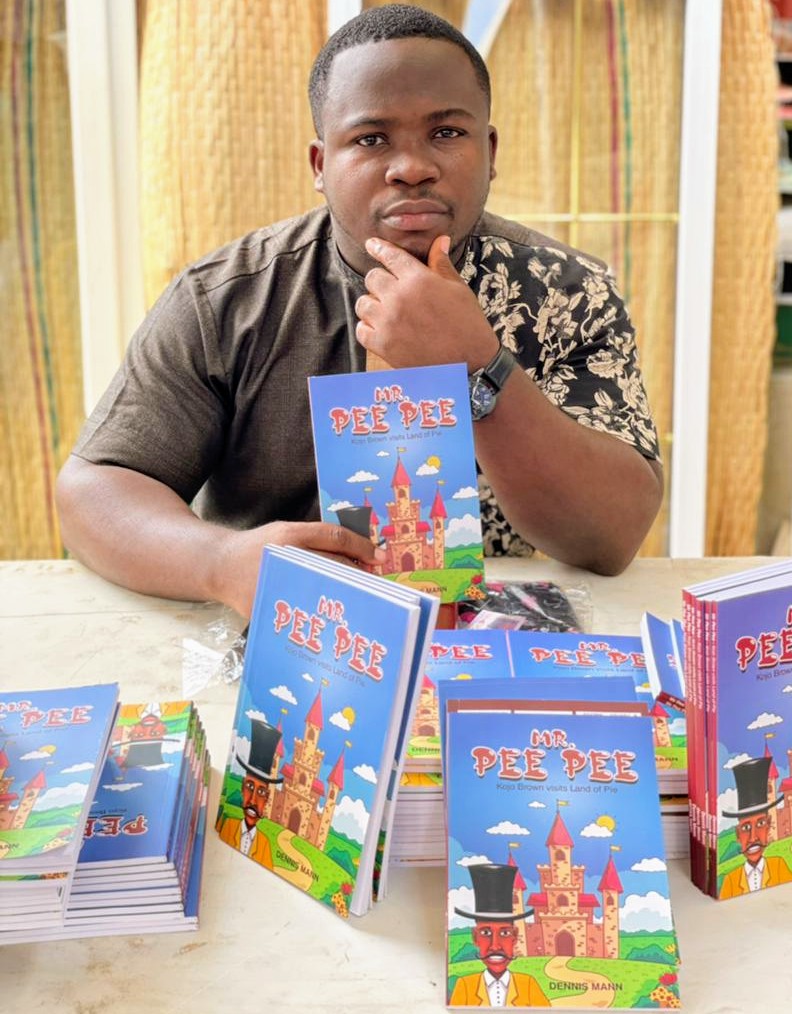
Young Black man sitting at a table in front of a pile of Mr. Pee Pee books.

                        Quite significantly, in this writing as Arti-Blog I bring you the Book Review RevelationsBRR which I spent about two weeks reading and recording his maiden kid’s book titled Mr. Pee Pee even by posting and promoting on our People Of Extraordinary TalentP.O.E.T Africa Whats-App group-platform. Factually, it one of the best kids book I’ve ever done Read Aloud SessionRAS on. The following happens to be three (3) reasonable personal professional observations in relation to Mr. Pee Pee and characters he out-lined in the chapters of its contents.  I. Easy-To-Read (ETR),        II. Easy-To-Understand (ETU), III. Easy-To-Buy (ETB).

  1. Easy-To-Read (ETR):  Factually, it’s in clear simple every-day English sentence and easy to read in terms of word pronunciation. Beside, soft diction for kids growing their vocabulary to the mind’s absorption. Of course, pages and chapters to make the whole book easy to read by children.
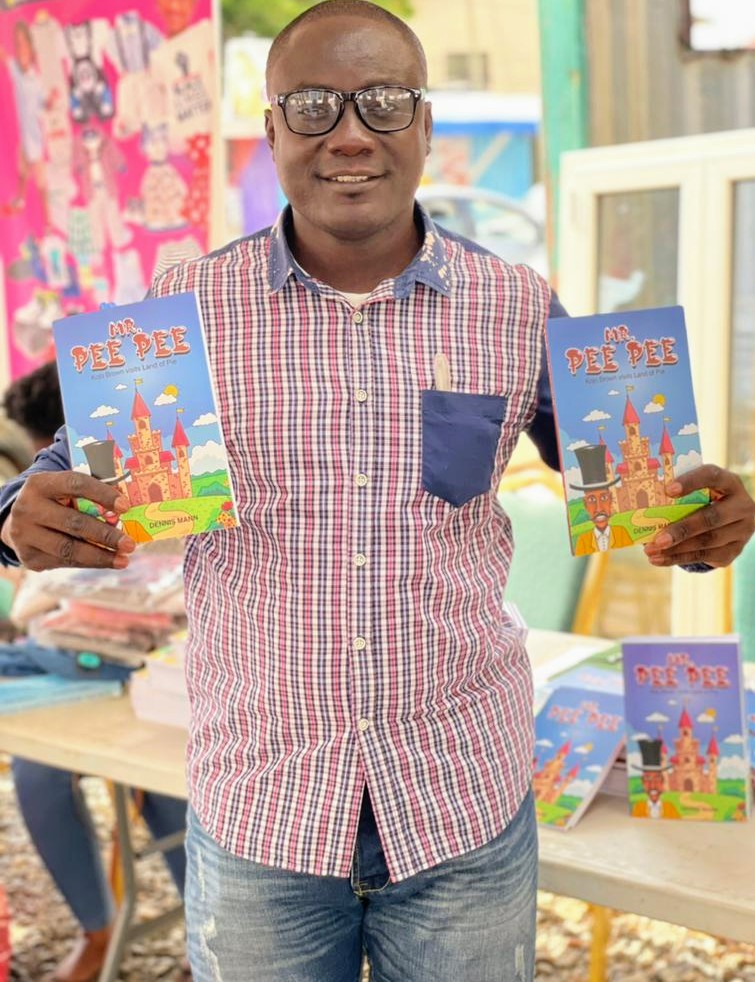
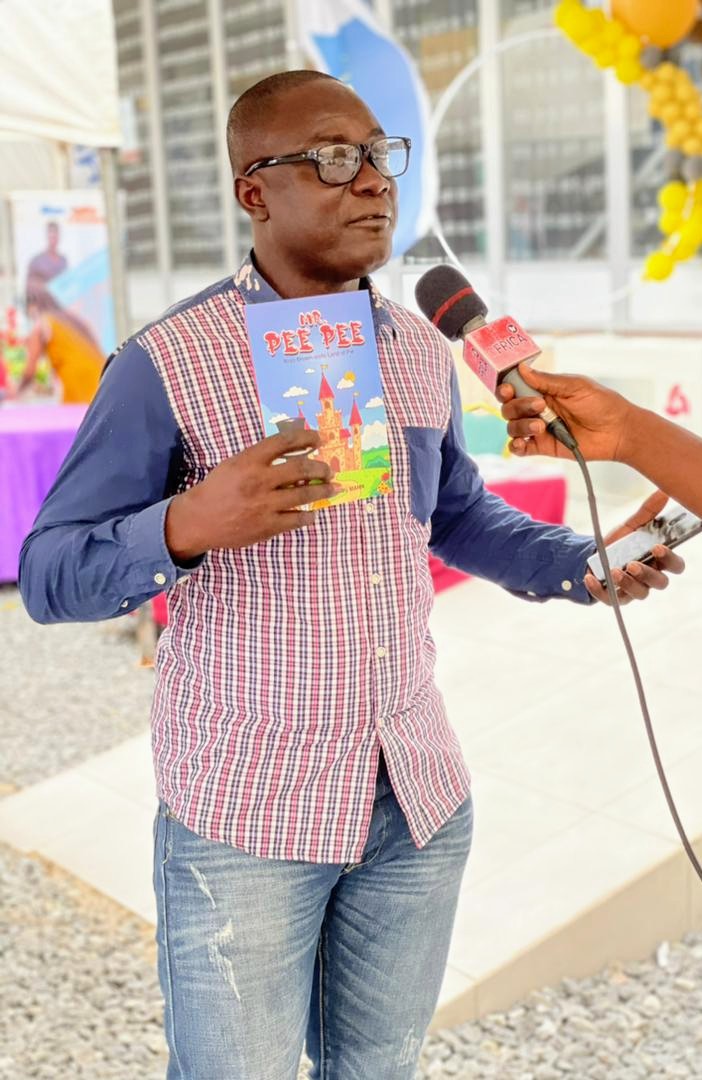
Young Black man with glasses and a plaid top and jeans holding some Mr. Pee Pee books.
  1. Easy-To-Understand (ETR): Definitely, it’s so lovely to fathom in terms of understandability. Thus, in view of how characters and images show in the pages to bring about it understanding being prime purpose of author Dennis Mann. Come to think of reading suspense, it’s equally easy to capture and picture with imaginative thought processing revelations to understand.
  1. Easy-To-Buy (ETB): Affordably, it’s not expensive to get in terms of purchasing price being such a beautiful kid oriented book with nice pictorial chapters. I recommend and suggest that you get a copy or copies to your child, friend and families. Kindly, use the following Amazon web-link to buy online: https://www.amazon.com/Mr-Pee-Kojo-Brown-visits-ebook/dp/B096HNK4N3
Stack of Mr. Pee Pee books.

It’s worthy to state in this Arti-Blog that Dennis Mann has good vision and purposeful mission for kids in Ghana and across the globe. Hence, he’s the Founder, President and CEO of Wide Reading Among KidsWRAK  non-governmental organization which seek to inculcate the habit of reading among kids in various communities in Ghana as well as across the continent of Africa and beyond. It also hopes to have Patrons and Partners come aboard so as to carry-out its literary charitable functions, thus donation of books to rural kids of school going age.

                  Facebook Page: Wide Reading Among Kids

Author being interviewed by a reporter with a mic on Mr. Pee Pee.

Kindly, get in touch with the Author via below contact details:

Email Address: authordennismann@gmail.com

Phone Number: +233 247 654 113

This Book Review Revelation as Arti-Blog written by Ike Boat (Synchronized Chaos International Magazine) Contributor & Promoter In Ghana, West Africa. Email: ikeboatofficial@gmail.com Whats-App Contact: +233 267 117 7700, Alternative Number: +233 55 247 7676

Poetry from Patricia Doyne

FLAG  in the CROSS-FIRE                

(based on art by Andrew Kong Knight) 

Andrew Kong Knight’s work can be viewed here:

Social Commentary – Fine Art Painting – Andrew Kong Knight | Flickr

White stripes.  Red stripes.                  

Red blood drizzles down                       

on bystanders and gang-bangers,         

night clubbers and school kids.             

The right to bear arms.                    

“When they shot through our windows,”

says the seven-year-old,

“my Mom put me in the bath tub.

She said, ‘Keep your head down!’

I was okay,

but my cat’s ear got shot off.”

The right to bear arms.

In my own quiet neighborhood,

there was a rash of thefts—

from cars, from closets, from garages… 

Only one thing stolen:  guns.

Think of that–  most of my neighbors

own handguns, shotguns, or rifles…

Only one guy is a hunter.

Do they think the British are coming?

No. These days, it’s Columbine and drive-bys,

snipers in rush-hour traffic,

gang pay-backs, drug wars, shoot-first cops,

or psychos with assault rifles, and a grudge.

Red stripes.  White stripes.

Bullet holes punch through the flag,

and the flag bleeds.

Bleeds until the pursuit of happiness

becomes the pursuit of more prisons,

the pursuit of gated communities,

the pursuit of walls to keep out

those who are loud, needy, angry, or different.

Too often, happiness bleeds away…

leaving life and liberty

as empty as spent shells.  

Copyright 9/16  Patricia Doyne 


PROGRESS:  A  PLANET’S  PERSPECTIVE

 Our planet is home to disaster

 as well as grand leaps and smooth take-offs.

 Chains of plot-twists build to cataclysm:                    

  an errant comet wipes out dinosaurs;

  continents stretch out, split up, regroup;

  earth’s axis tilts, and ice age turns to furnace;

   volcanoes spit up islands, bury cities.

   Thunder and destruction, then rebirth.

   Our planet stages riotous mutations.

    Sea water creeps ashore on its own legs,

     breathing that noxious poison: oxygen.

     Soon life has many branches: some with roots;

     some with shells and backbones, even wings.

     The new world sings of progress:  bipeds rule.

     Brains congratulate themselves on ways

      to use the planet’s bounty, make it work.

      Fossil products fuel a billion engines.

      Charged particles empower telephones,

       then telemarketers and robocalls.

       The internet explodes with “likes” and hackers.

        Water becomes more valuable than bit-coin.

         As rainforests burn, we prize the air we breathe,

        and try to market trips to outer space.

         On our rich planet, labels are updated.

          Polyester?  Now “performance fabric.”

         Plastic shoes and handbags?   “Vegan leather.”

          Pesticides are sold as “high-yield sprays.”

           Designer food-crops?  Call them “GMO’s.”

            Even designer kids are now for sale.

           But we can’t spin some side-effects of progress.

            Countless species wiped out, habitats lost

             for profit.  Ice cap melts. The oceans rise.

            Climate warms.  The ozone layer thins.

            Wildfires rage. Groundwater drains.

             Pollution poisons water, soil, and air.

             Plastic fills up oceans and our cells.

             A murmur of compassion for the planet

             is drowned by shouts to keep stockholders happy.

             The worried few recycle, use less, save,

             buy wisely, limit waste.  But all these folks

             use gas to get to work.  Electric cars?

             Electricity’s developed in gas turbines.

             The fuel we burn for transport, heat and light,

             the steaks and burgers raised on cattle farms

             rebound and undercut our planet’s health.

             Greenhouse gases trap heat, hold it in,

              setting the timer for catastrophe.

              Our stewardship of earth has not gone well.

              Doomsayers rage and wrangle, casting blame.

              Yes, always there’s rebirth: a new age dawning.

              But what comes next may fill us with dismay.

              If Mars has water, was there ever life there?

              We’re sitting, right now, on the cusp of change.

              Glacially slow, the wheel begins to turn.

              Copyright 6/2021           Patricia Doyne

Photography from Ike Boat

Ike Boat

Professional Biography – Pro-Bio

Pro-Bio – Ike Boat #IB

Growing Up Story – GUS: His life, like the metamorphosis stage of an African butterfly going through lots of dramatic changes thought him tremendous things, both negatives and positives. It all started on the suburban street of Amanful Westin Takoradi, Western Region of Ghana where he mingled and entangled in a life-style some described as being ‘Gutter-Snipe’ or seemingly ‘Ghetto-like’. Thus, both lowly and highly cherished characteristics of a boy with futuristic ambitions in relation to his passion of every-day life. He’s a teenager with heart for reading, writing and reciting what he later termed as ‘Read Aloud Session – RAS’ for short. Thus, literally or meaning his solitary moment he picks a story book, newspaper or magazine and hides himself at a backyard or close-door to read aloud like communicating in front of audience coupled with gesticulation and sensation in an atmosphere of loneliness. Factually, learning new things and sharing ideas became his hall-mark.

Well, as the saying goes “All works and no play, makes jack a dull boy”, viz he sometimes played on sandy pitch football with some neighbors and subsequently played for his primary and junior secondary school football teams. Academically, he’s brilliant and good in lots of subjects hence won the hearts of head teachers to become school prefect in both primary and junior secondary levels respectively. Needless to say, ups and downs as well ‘Doubting Thomases’ of the hood never stopped or bothered him, as he focused in turning his passion to profession in the Arts global industry. LOL, one of his comical growing up character during his early child-hood days of life as a boy, he combined ‘Crying tears with bathing water’ often-times when he’s asked to bath and come for his meal. Well, if this were Scripture in the book of Psalms, I’ll state ‘Selah’ literally ‘Pause and Think’. So, this GUS happens to be a mixed bag of nostalgia about the Ike Boat chap as it brings to fore deeper things yet to come in his creative arts life-style.