
GRIEF

Life is so precious, and death is a thief.
Your absence has gone through me,
Like a thread through needle.
How much more can my weary heart bear?
When you decided to leave me without a words.
You have stung me with your departure.
When you knew my soul depends upon your nurture.
I have been lost in a fog,
Too much burdened with sorrow,
My life without you will never be the same,
But you have chosen the path without wavering,
How do I grieve with empty arms and a head filled with echoing memory?
Memory that will never be erased,
I cannot see you with outward eyes again
But you are out of my sight, never out of my mind.


Abdulquadir Ibrahim Worubata
Artwork from K.J. Hannah Greenberg

My paintings and digital paintings have graced two galleries, served as covers for more than half of a dozen publications, and been incorporated, alongside my poetry, in in One-Handed Pianist (Hekate Publishing, 2021). These days, I party with the imaginary hedgehogs I met in midlife, write about the foibles of parenting, teach online courses to emerging writers the world over, and deign to use color and shape to express feelings. There may not be anything new under the sun, but Granny can share with youngins various ways to secure their bonnets. After all, exposure to feral ideas remains important.
Literary festival hosted by contributor Abdulloh Abdumominov

INTERNATIONAL UZBEKISTAN AND INDIA LITERATURE FESTIVAL

Organizer: Noel Lorenz (India)
Abdulloh Abdumominov
(Uzbekistan)

- Rajabov Muxriddin  (Uzbekistan)
- Marjona Yoqubova (Uzbekistan)
- Hakimov Feruz  (Uzbekistan)
- Altinay Tilegenova (Uzbekistan)
- Muhitdinova Dildora  (Uzbekistan)
- Jo'raqulova Mashhura  (Uzbekistan)
- Behzod Gapparov (Uzbekistan)
- Umirzakov Zarpulla  (Uzbekistan)
- Tashtemirova Nodira  (Uzbekistan)
- Mansurova Aziza  (Uzbekistan)
- Bo'ltakov Tursunqul  (Uzbekistan)
- Noel Lorenz  (India)
- Pankhuri Sinha (India)
- Perwaiz Shaharyar (India)
- Deepti Shakya (India)
- Deepika Sinh (India)

Thank you so much to the participants!

The festival was attended by participants from both countries. The festival was organized by Noel Lorenz to further develop the culture of the two countries. At the festival the friendship between the two countries was further strengthened.
Synchronized Chaos May 2022: Members of the Universe
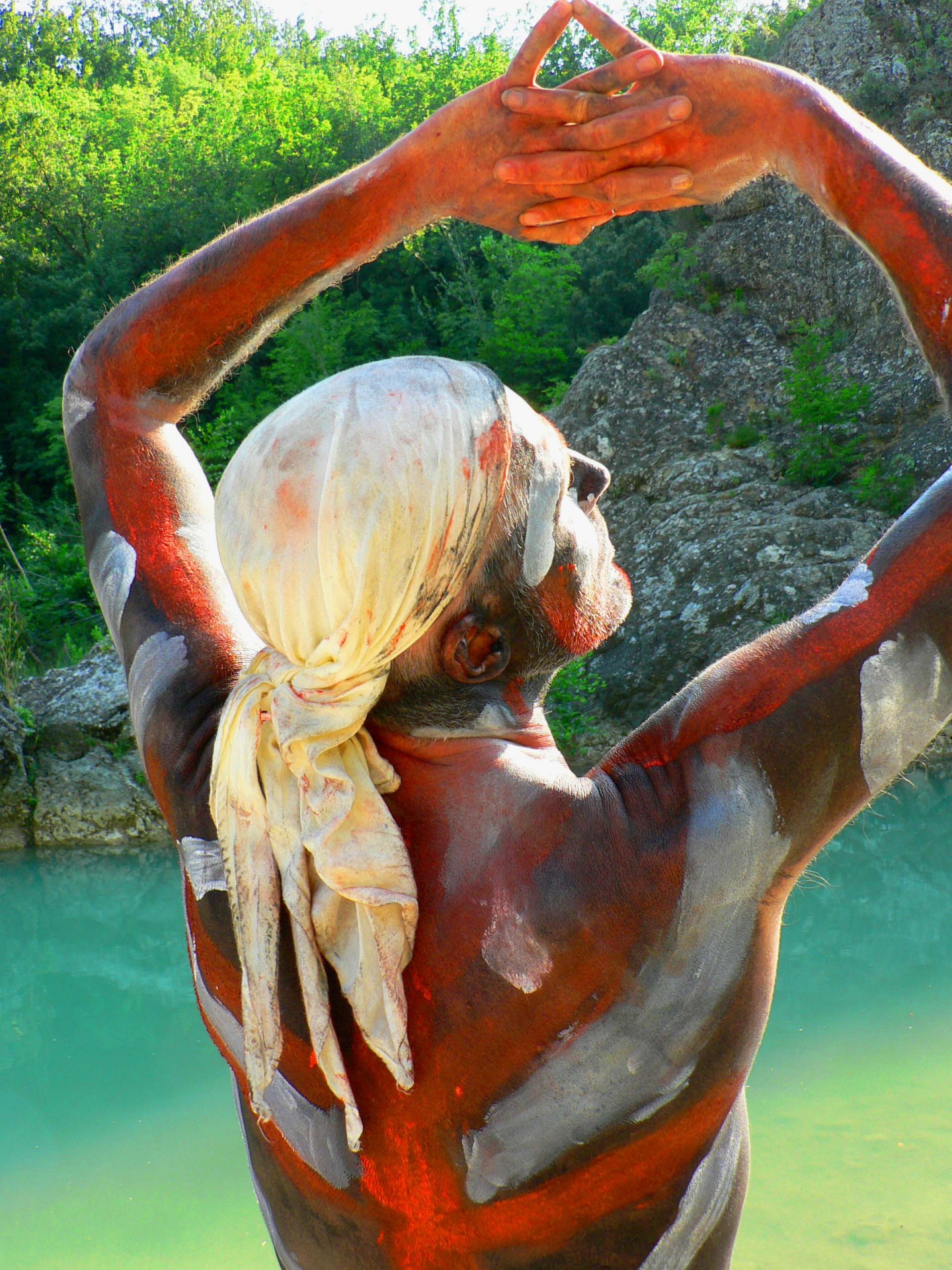
“Look up at the stars and not down at your feet. Try to make sense of what you see, and wonder about what makes the universe exist. Be curious.”
– Stephen Hawking
“When you reach for the stars, you are reaching for the farthest thing out there. When you reach deep into yourself, it is the same thing, but in the opposite direction. If you reach in both directions, you will have spanned the universe. ” – Vera Nazarian
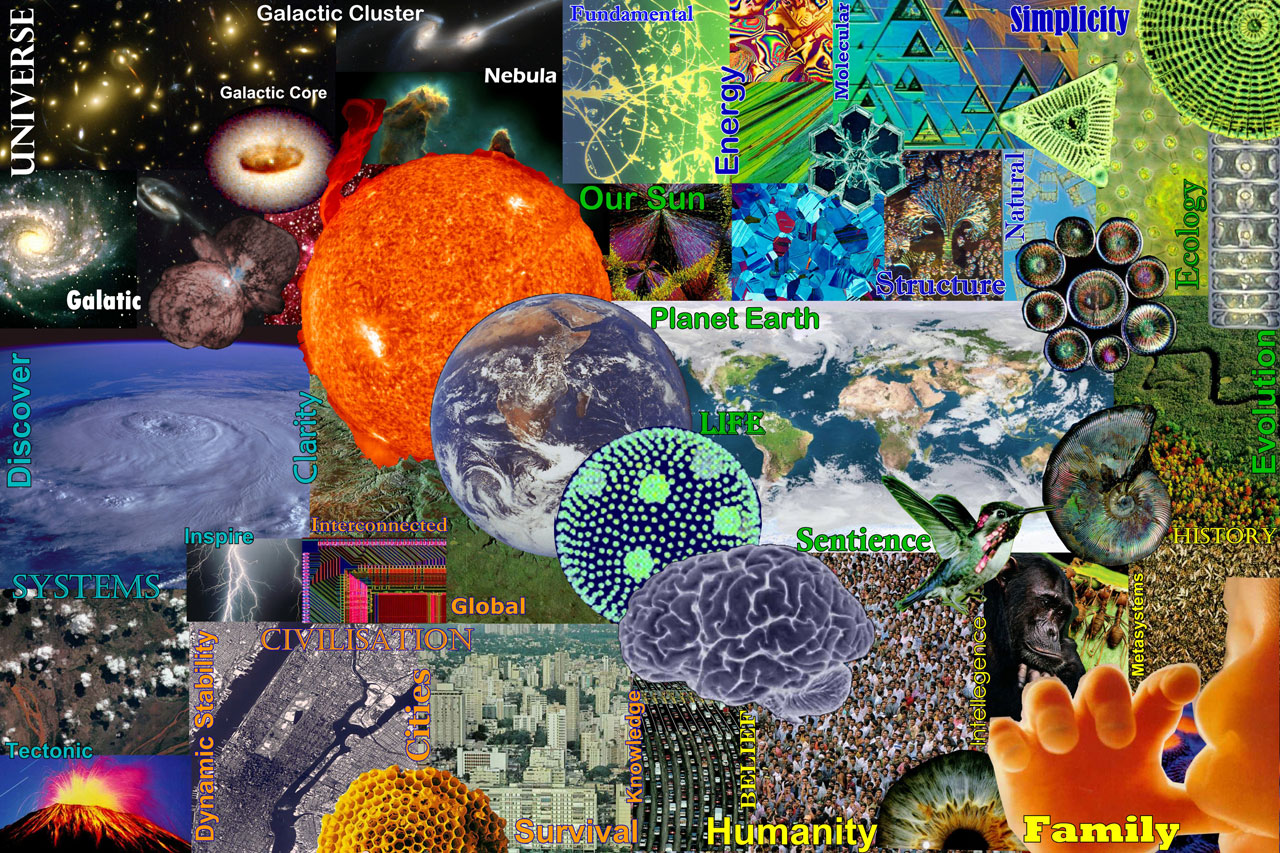
This month we explore what it means to be a member of the universe. We are one part of a larger whole, a resident of a vast world beyond ourselves, but we belong here just as much as anyone else.
Writers and artists this month convey the large human and natural worlds in which we find ourselves, and how we integrate that reality into our lives.
Fabio Sassi’s technicolor images meld together artifacts of modern life: product names, advertising, and technology.
Terry Tierney, in an interview on his recently published historical novel Lucky Ride, describes how his characters’ lives intersect with both the specific history of the 1960s and broader human experiences. He draws on road trips as both reality and metaphor, looking at how travel and a change of scene helps when we attempt to make sense of our lives.
Michael Robinson writes of the spiritual redemption he finds through Easter and his Christian faith.
Umar Yogiza evokes the shadows of death and grief (as well as the title of our publication) in his poetry, which explores the dislocation of personal and public loss. J.J. Campbell evokes disillusionment on a smaller, yet still personally relevant scale, with faith, with romance, and with his own body. Peter Cherches explores mortality and the limits of our creative imaginations with whimsy.
Susie Gharib contributes poems of imagination. Her speakers indulge the worried speculations of a creative mind and highlight their determination to carve out the independence to maintain that state.
Cortney Bledsoe writes of shaky mental health and grief and the various stratagems by which we keep ourselves alive. Mark Young evokes our confinement within the mystery of our existence, where different forms of knowledge are our means of escape.
“The goal of life is to make your heartbeat match the beat of the universe, to match your nature with Nature.” – Joseph Campbell
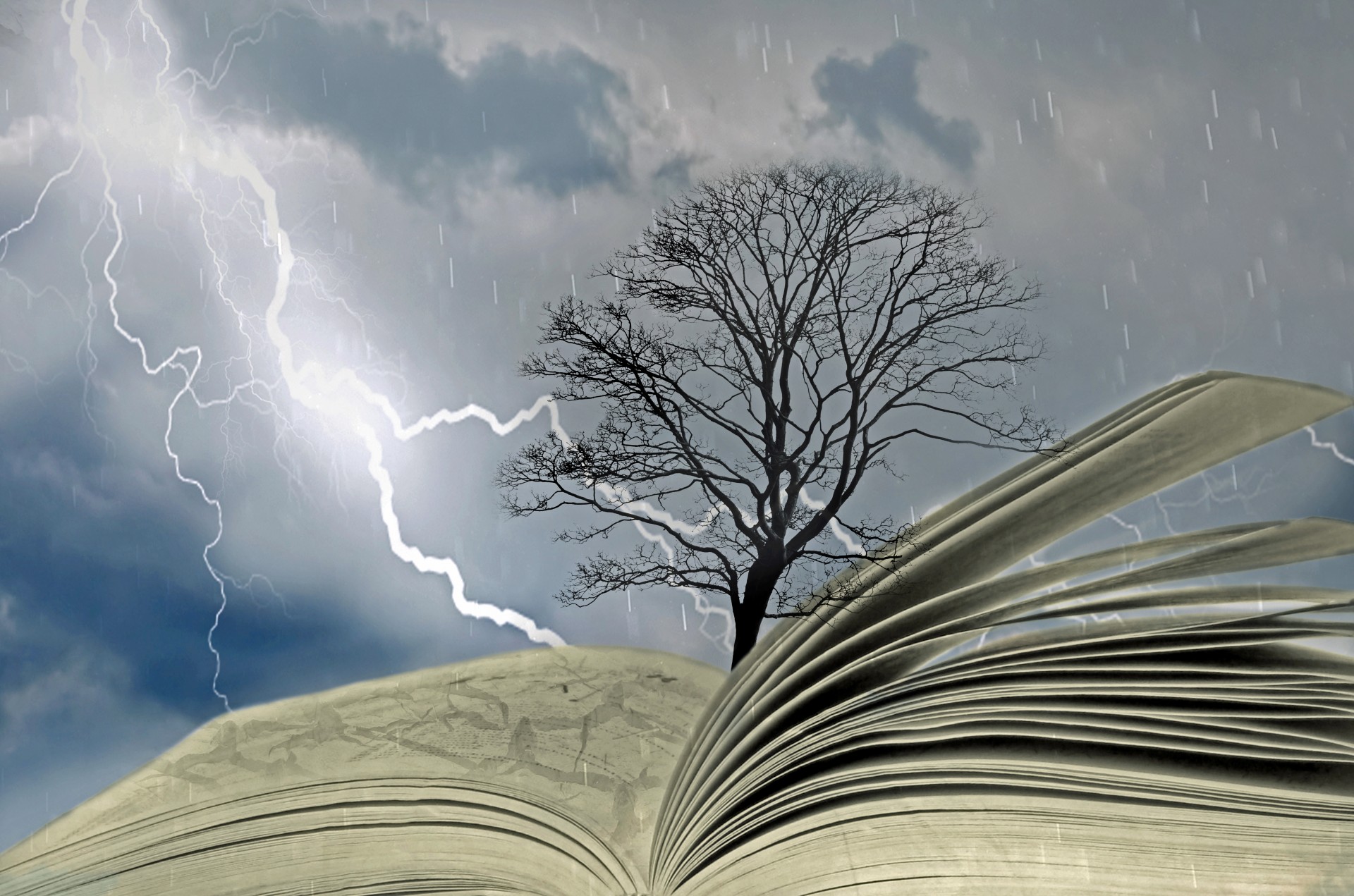
Mahbub’s poetic speakers highlight how they are connected to the broader natural universe. We all experience birth and death, we all are physical creatures.
Chimezie Ihekuna’s essay urges humanity to work together with nature to improve overall health as a means of addressing pandemics.
“Kindness keeps the universe fastened into place.” – Maureen Joyce Connolly
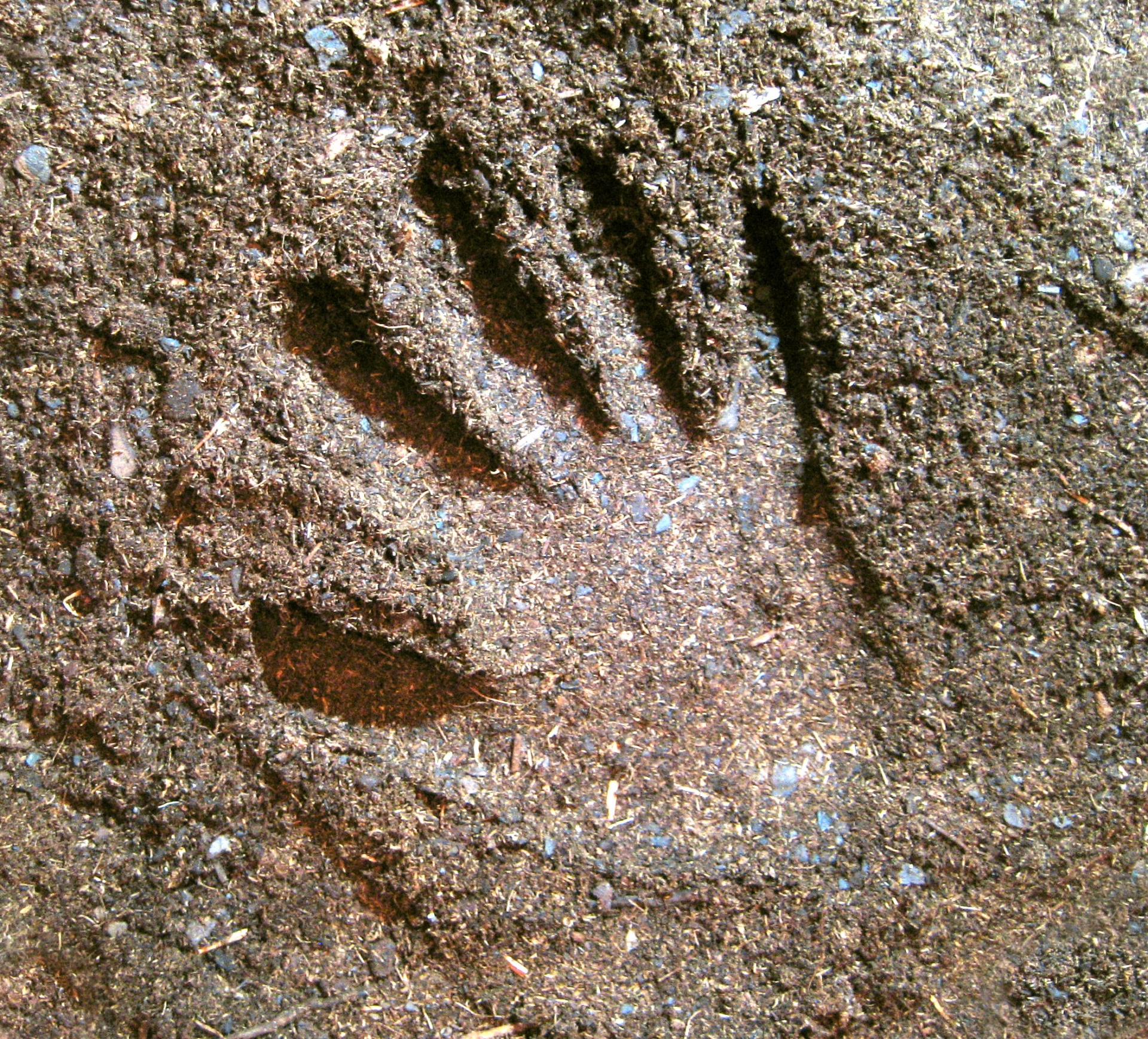
Poet, musician, and DJ Ike Boat describes his project to feed homeless children in Ghana.
Abdulloh Abdumominov writes of the seasons, creative writing, family – all aspects of life that can be preserved and celebrated when we have international peace.
J.K. Durick’s speakers speculate into the lives of others: an elderly woman who dies while on a walk, tornado survivors on the news, Chekhov characters, aware of the limits of their imaginations.
Santiago Burdon’s visual poem depicts a woman worn down and bled dry by the harshness of city life. Mike Zone’s anti-hero Roadrunner character takes on real evil: coyotes perpetrating human trafficking in the desert.

Steven Hill’s consciousness expands at night until he grows to encompass many voices beyond his own: Ukrainians, Chinese forced labor survivors, Rohingyas, Black people experiencing racism in the United States.
We hope that this issue will broaden readers’ points of view to encompass the worlds around them. Thank you very much for reading and for opening up to the wider world within our international publication.
Vignettes from Peter Cherches
Thingin’

	Thing one says to thing two, “Let me tell you a thing or two.”
	Thing two says, “Do tell.”
	Thing one tells. “Two things were thinging when the phone rang.”
	“Aren’t you going to answer that?” thing two asks.
	Thing one ignores thing two and continues telling. “Thing one picked up the phone. ‘Hello?’”
	“Thing,” the voice on the line said, “let me tell you a thing or two.”
	“‘Do tell,’ said thing one,” thing one says.
	The voice continued. “‘The voice continued,’ thing one said,” thing one says.
	“What did the voice say?” thing two asks.
	“I can’t say,” thing one says.
	The voice continued.
	Thing one continues.
	Thing two tunes out.
	Thing one signs off.
	The voice continues.
	“Do tell.”


If Only

	It, to all appearances. It could be mistaken for. Warm to the touch. Just the other day. Hard to find these days. Only when nothing else. It was, she remembered. Could it be? Hard to find in these parts. She remembered, back in college. How long had it? If you touched it with the tip of your tongue, you could taste it. But that was. If only. If only.


Planned Obsolescence

	There once was a thing that could foresee its own obsolescence. A seer, this thing, a foreseer. They say humans are the only creatures that are conscious of their own inevitable death, but what about things? And are they even correct, those who say that among all earth’s creatures, only humans are aware of their own mortality?
	People have consciousness, but things? I can foresee my own mortality, I guess you could say my own obsolescence. When we speak of “planned obsolescence” we’re speaking of things, not people, yet surely we can apply the term to people, wouldn’t you say? We, the people, are aware of our own planned obsolescence.
	As for the thing that could foresee its own obsolescence, I am that thing, writing this thing.

The Book I Imagine


	I’m imagining a book I’d like to write. I imagine a shape. Shapes. I can almost hear the loud parts, and the quiet ones. I imagine pages, more than I’ve ever written before. Tension and release. Hot and cold. I imagine what it would be like to read the book I’m imagining, sometimes gripping, sometimes confusing. Elusive. Slippery. A laugh here and there. A sky full of unfamiliar constellations. But no plot. No characters. Those I can’t imagine. There are limits.


The Blend

	I had forgotten how delicious this coffee was. I don’t know what compelled me to buy this particular blend again after so long. Monday used to be a sad thing, back to work. Retirement fixed that. I love Marvin, but that mischievous cur chewed up my reading glasses, and now I can’t get on with that book I was reading, Survival for Dummies. Yeah, the coffee’s great; I haven’t had this blend in years, used to be my personal custom blend, three-quarters Kenya Double-A and a quarter French Roast Mexican Altura. Delicious. We used to drink it together, she and I. I haven’t had it since she left.
Peter Cherches has published five collections of fiction and creative nonfiction since 2013, most recently Masks: Stories from a Pandemic. Called “one of the innovators of the short short story” by Publishers Weekly, he’s also a jazz singer and lyricist. He’s a native of Brooklyn, New York.
Poetry from Michael Robinson
Devotion of Faith


There was a purpose for the Stations of the Cross.

Good Friday night he carried a cross on his back.

A night of darkness when he was crucified alone.


Easter Sunday recognition of life given for me.

God's affection to reunite my soul lost to him

Jesus' deliverance for my soul suffering alone


Faith restored a soul which lived in misery.

Fear of death was conquered by Jesus’ death

Life eternal to live among the stars of heaven.
Poetry from Susie Gharib
At the Witching Hour

My witching hour is not past one, or two, or three.
It could be any time of the night or day.
On a dark, moonlit, or sunny stage,
my contemplation unlatches a gate
through which each ghost or demon parades.

He that denied the visionary type of dream
little knew how we remain in our sleep awake
and commune with the dead, the living,
the little, and the great.

At the witching hour, I bandaged the injured arm of a friend
who lived on a different continent.
I saw the wave that galloped and gaped
to swallow the coasts of distant states,
and I prayed
in churches whose locations remain vague,
simply because they’re not replicas
of what my subconscious portrayed
of past events.

Lady Penrhyn

“In a very ugly and sensible age, the arts borrow, not from life, but from each other,” Oscar Wilde.

I stand before Lady Penrhyn, the convict ship
and think of Turner and Stevie Smith,
of Joan transported into a sheet
on a no-return, perennial trip.

What would I find on Wainewright’s board?
Did he leave behind a poet’s scrolls,
some portraits he hid from the world,
or the poison he wore in his ring?

Would I find his victims’ ghosts,
or innocence appealing to a misguided mob
who loves to chew on human flaws
since slander has always been the mode
with which uniqueness is destroyed?

[Inspired by Thomas Griffiths Wainewright’s painting Lady Penrhyn, Stevie Smith’s poem “Deeply Morbid”, and Oscar Wilde’s essay “Pen, Pencil, and Poison”.]


Benighted

They have terrorized the marrow of your eyes,
so you stream music to ward off the evil at my side,
your warning that no savior will arrive,
and we’ll perish, as we lived, quite wide apart.

Your firmly-closed lips
can never reproduce that characteristic smile,
which has made you immortalized
in a child’s mind.

The pallor of your face is the shroud
that will obscure the sun and every star
from my sight
for as long as I am alive.

I view your picture,
the electronic guide.
It will bear no fingerprints,
no scent,
or a trail into the past,
just another mirage
in a life that was benighted from the very start.

Abominate

I know now why the placid sea
brings into my eyes a wealth of tears:
that untainted blueness
is now what I cannot attain.

They have tarnished my heart
with unremitting enmity.
Their implacable hatred
has seeped into my brain
and forgiveness is no longer
my salient trait,
for now I abominate
their abhorrent names.

Weird

I admit that I have earned the epithet weird
for taking my little dog for a stroll three times a day –
a dog I adopted and snatched from a cage,
whose nose had borne the brunt of the penal cane –
when I should have been smoking the hubble-bubble with friends,
complaining about the vapidity of everything,
or rather flirting with a man who spits on the street
a hundred and sixty-eight times a week!

I admit that for you I must be very weird,
for befriending my inanimate books,
abandoning a species who chews on news
that specializes in slander and ridicule,
that reduces the living to hilarious cartoons.

Better be a weirdo,
the object of your churning tongues
than an empty-headed parrot
with a polluted mouth.