
First, an announcement. Our regular contributor Rui Carvalho invites readers and contributors to submit poetry to the next annual Nature Writing Contest.
Our contest, Nature 2025-2026, is a new opportunity that we, as organizers, create to reach the rest of the world. Every Contest is a challenge for authors participating and to people that make it happen. This year we invite all authors to write poetry about:
(i) Flowers;
(ii) Trees and wind;
(iii) Water;
(iv) Nature Conservation;
(v) Turtles;
(vi) Love for people and nature;
(vii) Hope and Happiness.
Rules and submission information here.
Now, for this issue. There are moments when the world seems to be asking a single question in a hundred different languages: What will we carry forward?
We inherit bodies and cities, languages and technologies, griefs and gardens, family stories and national histories. We inherit wars we did not begin and forms of love we did not invent. Yet inheritance is never merely passive. Each generation must decide what deserves preservation, what requires transformation, and what must finally be left behind. Across this extraordinarily varied collection of poetry, fiction, essays, criticism, interviews, visual art, and scholarship, that act of choosing becomes a common human task. Whether the subject is artificial intelligence, flowers, domestic violence, potatoes, punk zines, cybersecurity, mothers, jazz, education, or death itself, these contributors ask what remains when the world changes—and what we can make from what remains.
Soumen Roy provides an apt beginning by imagining life as something crafted, chiseled as though we ourselves were sculptures. Mistakes and struggles do not disqualify us from beauty; they become part of the material from which the work is made. Lan Xin approaches the same resilience through love, refusing the idea that love exists only when another person gives it to us. Love can be chosen and preserved inwardly, becoming one of the forces that keeps the soul alive. Biswanath Kar’s blue butterfly similarly makes the fragile beautiful: its delicate form becomes an emblem of the poet’s own longing soul. And Brian Barbeito raises flowers beyond decoration, making them a bridge between cultivated and wild existence, humanity and divinity, ordinary perception and transcendence.
Dilxiroj Yangiboyeva’s dream poem also finds meaning in flowers and in caring for others, while Christina Margeti uses natural imagery to turn grief and longing into something elemental and enduring. Toya L. Walker expands this ecological language into a philosophy of regeneration. The garden’s cycles of growth, decay, and renewal become instructions for living: if we want life to continue, we must care for its conditions, including our bodies and relationships. Nidia Amelia García reminds us who performs some of the most literal forms of this work, honoring the farmers and peasants whose labor feeds the world.
Yet what we cultivate is not only biological. We cultivate minds, skills, institutions, and futures. Madina Mirzayeva looks toward Uzbekistan’s youth and the role they can play in digital education. Ibragimova Bikajon Ergash qizi examines technology’s transformation of the Uzbek potato industry, while Sherzod Suvonov considers how accounting knowledge and artificial intelligence might modernize Uzbekistan’s financial and tax systems and prepare professionals for a data-driven economy. Suvonov also approaches AI from another, more intimate direction, demonstrating that personality and communication style are genuine dimensions of artificial-intelligence design rather than superficial additions to technical performance.
Zihad Hossain Rafi traces the development of cybersecurity in Bangladesh, and Boymurodova Feruza Jumanazar qizi turns toward medical science, describing microscopic and genetic methods for diagnosing parasitic infections. Abduxafizova Sitora Farxod qizi reminds us that preparation for the future happens socially as well as technologically: volunteering is real formative work, developing responsibility, dedication, discipline, and teamwork. Shodmonova Aziza Sherzod qizi brings that process into university life by examining the inevitable distance between what students imagine higher education will be and what they actually encounter there.

Technology, however, can never completely describe the world it measures. Al Pal’s poetic triptych exposes the gap between digital representation and physical reality. GPS, heat maps, and CAPTCHAs attempt to classify experience, but the messy street refuses to become identical with its data. Mark Young’s five poems extend this suspicion into a suite on dislocation, probing the distance between what things actually are for and what a distracted culture takes them for. The absurdity of contemporary metrics becomes another kind of estrangement.
This is why books, language, art, and cultural memory matter so urgently. Hasanova Manzura argues that books are not simply entertainment but vessels carrying accumulated human wisdom from generation to generation. Dilnura Qurolova similarly insists that Uzbek literature deserves an international readership because a national literature ultimately contributes to humanity’s shared story. Orifova Feruzabonu makes the stakes even more explicit: preserving the Uzbek language is a responsibility of its speakers because a nation’s continuity depends upon the survival of its tongue. Munira Shermamatova answers that challenge with a generational pledge, taking up the responsibility of carrying her nation’s values outward into the wider world.
Menda Vreto takes us still deeper beneath formal records, suggesting that the truest archive of a people may not be an archive at all. It is what passes from heart to heart, including what existed before anyone thought to name it. Imène Daoud explores this mystery from inside language itself, presenting poetry as an experience of discovering and inhabiting words while simultaneously being inhabited by them.
The handmade archive matters too. A.J. Iwasa defends punk zines precisely because their personal, imperfect, human-scale materiality preserves something mass culture cannot easily reproduce. Alex S. Johnson, interviewing Carol Queen, likewise treats the counterculture and its writers as a living lineage requiring conscious remembrance, particularly at a historical moment when AI may flatten distinctions and erase cultural history. Remembering becomes resistance.
Ri Hossain complicates that duty by reminding us that preservation must not become uncritical mythmaking. His re-examination of Sukanta Bhattacharya challenges the familiar image of a solitary teenage Bengali literary genius, arguing that this reputation was politically constructed. Dr. Jernail Singh Anand approaches literary inheritance differently, seeking renewed prestige for epic poetry by locating it within fiction while claiming for it fiction’s most elevated, passionate, imaginative possibilities. Dr. Fernando Martinez Alderete looks toward the beginning rather than the accumulated canon, affirming childhood and a humane philosophy of education grounded in love, optimism, hope, and faith in the future.
Art itself repeatedly becomes a way of carrying experience through time. Frederick Schardt hears Lee Konitz playing jazz on a Broadway morning and discovers an image of the artist’s spiritual path: disciplined surrender to craft becoming an avenue toward freedom, grace, mercy, and charity. Elsewhere, Schardt celebrates the uninhibited voices of older people as the soul of a caring community. Poet and painter Timothee Bordenave, in his interview with Eva Petropoulou Lianou, similarly demonstrates how personal suffering can be folded into decades of creative practice, with tradition and innovation coexisting and art functioning both as catharsis and quiet moral communication.
William Crawford achieves transformation visually through intense color, dramatic geometry, and unusual perspectives that turn ordinary urban structures into abstractions. Sofia Fountoulaki’s painting moves toward a different visual register, suggesting a quiet inward gaze toward a glowing horizon. Thomas Fink makes the physical arrangement of words inseparable from their meaning, fracturing language across a pipe-shaped form so that reading becomes an act of assembly.
Sometimes art must assemble what history has shattered. Jerrice Baptiste joins poetry and visual art in explorations of ancestral memory, resilience, and reclaimed heritage. Ashiqur Rahman asserts the hopes, dreams, and very existence of the exiled Burmese Rohingya community. Dr. HC Rozalia Aleksandrova joins prayer, Bulgarian patriotism, and artistic creation, wrapping her homeland imaginatively in a canvas of love and entrusting its fate to God.
But love of one’s inheritance need not become rejection of the wider world. Abdullayeva Sarvinoz Aktamjon kizi considers globalization and youth culture and argues for a balanced middle path. That balance—between inheritance and openness, memory and transformation—runs throughout this collection.
It becomes especially urgent when the inheritance is violence.
Eva Petropoulou Lianou issues a fierce appeal for peace against the greed that produces war. Xhuli Spahiu answers from the level of everyday conduct, arguing that peace is constructed from below, one compassionate act at a time, and that these acts constitute our real legacy. Shannon Scoates and Lucille A. LaRoche turn toward children, reminding us that the young inherit emotional wounds from wars and disasters created by adults and that adults therefore bear responsibility for helping them heal.
Duane Vorhees examines what violence and power do to culture, poetry, and ordinary human beings—and nevertheless keeps singing through ghazals, puns, and collage. Sandip Saha moves among exhaustion, ambition, and career success before satirizing the supposedly righteous anger that perpetuates cycles of religious violence. Deepika Bhatnagar addresses both tyrant and victim with the conviction that wrongdoing does not ultimately escape consequence.
Delsa López Lorenzo transforms the writer-activist into a contemporary knight-errant, someone willing to turn the supposed madness of caring too much into moral combat against injustice. Rezauddin Stalin, translated by Ashraf Chowdhury, invokes myth to envision the awakening of women and the gradual eclipse of inherited masculine supremacy, imagining a movement from imbalance toward greater equality while refusing to pretend that transformation comes without cost.
The struggle against violence also enters the home. J.L. Orango’s poetic sequence examines how language, society, and passive witnesses can enable domestic violence and how survivors negotiate its presence in everyday life. Abigail George responds with a raw cry against domestic and intergenerational trauma, demanding that someone finally speak and interrupt the cycle. Ermira D. Ifandi shows that violence need not always be loud: the silent treatment itself becomes destructive, turning home into a ransacked emotional space and transforming the speaking “I” into an “other.”
Sana Jangeer Hamad therefore makes reclamation crucial. Trauma may be real, but another person’s interpretation of that trauma need not become the survivor’s final definition. Milena Pčinjski carries this reclamation into defiance: the woman who was once trampled now demands that the world kneel and learn. Priyanka Neogi likewise refuses brokenness as a permanent identity, making inner resolve an act of resistance.
Sayani Mukherjee’s struggle is subtler but related: how can one be formed by heritage, inherited faith, and other people’s expectations without becoming merely a character in somebody else’s story? Adamu Muhammad Ja’agi approaches the question through identity, family, gender expectations, and language, exposing the pain of being erased or denied by others. Anja Sekulić discovers identity through care when the caretaker suddenly recognizes herself in the person she is trying to save.

Reema Salman Hamza asks what remains possible amid both public and private grief. Her answer is not denial but transcendence: one keeps singing, stitching, and gathering light even as the world continues to break. Raida Jarjes’ review of Faleeha Hassan’s Forty Years of Snow similarly finds poetry moving beyond catastrophic events toward their echoes, allowing restraint and silence to transform the residue of loss into understanding.
Richard Dulgheriu’s triptych dwells within quiet suffering, masculine endurance, and the lonely dignity of people carrying burdens they rarely articulate. Milka J. Šolaja turns toward the moral aftermath of speech itself—the guilt and spiritual reckoning produced by words spoken in anger or ignorance. Elmaya Jabbarova gives alienation a refrain: the burden of feeling misplaced in the world coexists with dignity and a longing for something more authentic.
Stephen Jarrell Williams enlarges personal disconnection into civic catastrophe. His city falls not because an outside enemy conquers it but because its own inhabitants cease to care about one another. Community, the poem implies, can die before its buildings do.
And yet community can also be recovered through the smallest human pleasures. Christina Chin’s haiga captures the simple happiness of a night shared with girlfriends. Her tan-renga with Paul Callus and Andrew Brindle’s collaborative work move in different intimate directions: the former balances composure during danger against the cold that remains after violence, while the latter allows human and dog to speak almost as one, two lives settling into a shared, unhurried rhythm.
Graciela Noemi Villaverde locates the ultimate sanctuary in the mother: origin, inexhaustible love, and the place to which the self imaginatively returns in order to become whole. Egamnazarova Shahina similarly discovers that memory turns ordinary experience into treasure. Winter awakens longing for summer, but beneath seasonal nostalgia lies something deeper—the remembered warmth of childhood and family.
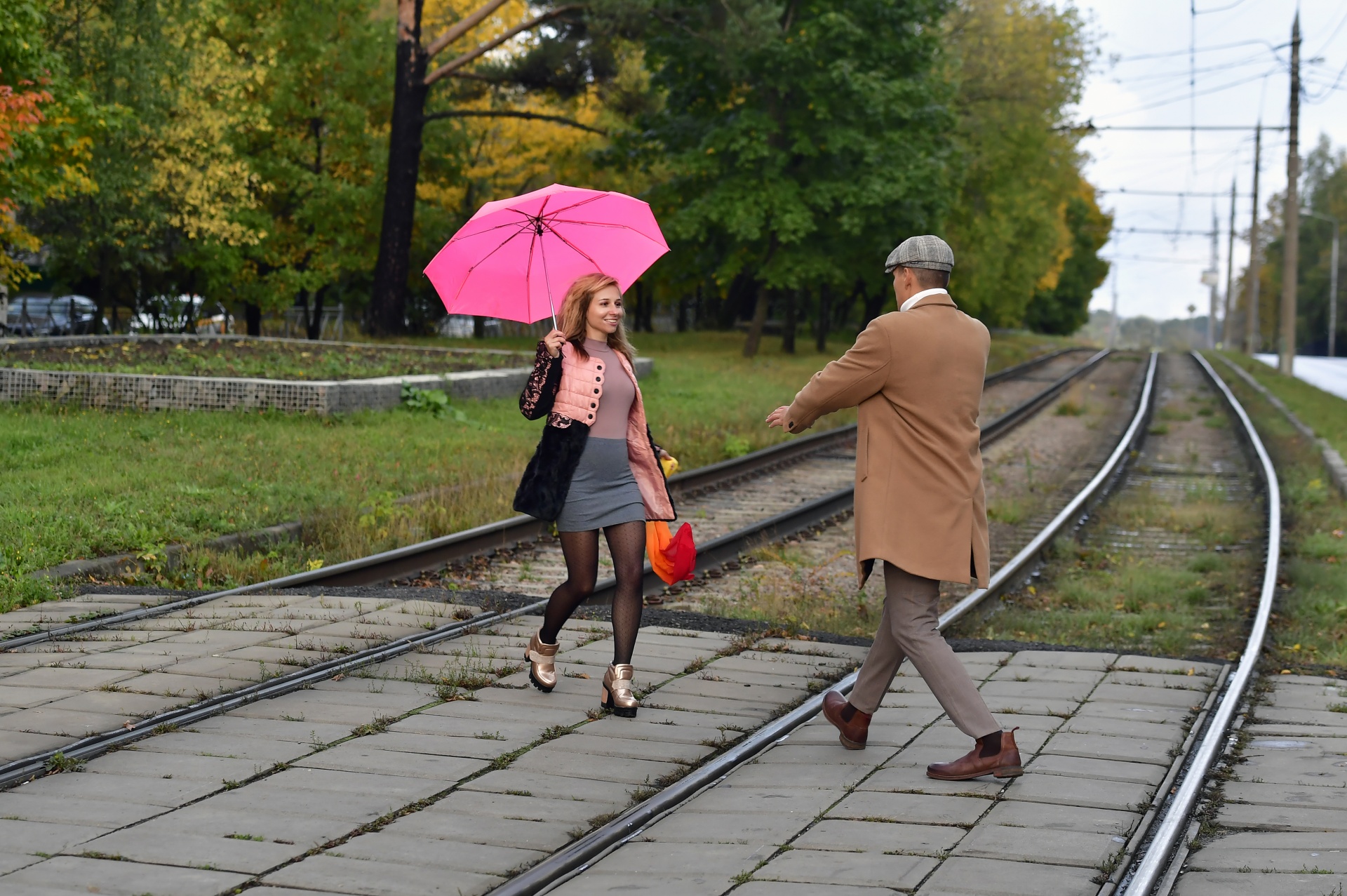
Yeon Myung-ji’s remembrance of her strong, earthy aunt is more difficult. What remains is a “taste,” a fierce vitality inseparable from shame over an ending marked by loneliness and neglect. Memory here refuses simplification; love must carry both celebration and remorse.
Bill Tope takes another route into remembrance through tragicomedy. A grandmother’s funeral, revisited through the consciousness of the nine-year-old the narrator once was, becomes both grief and absurdity. Gregg Norman pushes mortality further into the comic grotesque: death comes for everyone, but it may arrive through circumstances so mundane, absurd, or anachronistic that solemnity itself becomes unstable.
Mooch Simon responds to death by refusing its power to terrorize. Mortality, historical violence, grief, and depression can be acknowledged without being allowed the final word; grief itself can be transformed into legacy. Shah Jehan Ashrafi reaches a related truth through satire, skewering arrogance, conspicuous wealth, and self-importance by invoking the great equalizer: none of them survives death.
Usarova Shirin Orif qizi therefore asks us to measure life differently. Wealth disappears; deeds remain. Kindness, integrity, and goodness become the true inheritance. Mesfakus Salahin’s speaker acts on this principle by taking pride in poverty when poverty is the consequence of choosing integrity and authenticity over worldly advancement. Shahzoda Habibullayeva finds another antidote to endless striving in gratitude: happiness begins when we stop chasing long enough to notice what is already present.
Türkan Ergör offers a similarly contemplative ethic. Echoing Ecclesiastes, she recognizes that life contains different seasons for different actions and reminds us of the necessity of pausing, praying, reflecting, and choosing. Hong Ngoc Chau’s poems arrive at acceptance through time, hardship, loss, and change, discovering peace and gratitude within rather than in circumstances that can always be taken away.
Isaac Dominion Aju pushes inwardness toward the sacred: the Divine is within, the story is within, and bringing inward truth into the world can heal both the individual and a fractured society. Allison Grayhurst builds an entire spiritual autobiography from this relationship between inward mystery and ordinary life, finding love, memory, suffering, survival, faith, and the wonder of existence in everyday objects and beloved people. Nazzira Nezzar similarly celebrates the protected interior sanctuary that the poet creates and inhabits.
But inwardness is not necessarily peaceful. Mesut Şenol imagines interior life as perpetual weather, winds that refuse to stop as reality continually dissolves toward dream. His poems arrive not at mastery but surrender. Salimeh Mousavi turns inner haunting into literal haunting through a story of a young mother pursued by lifelong fear and despair.
Love, too, occupies every point between sanctuary and haunting. Saeed Koushan writes of the love that was forbidden or never pursued yet becomes permanently incorporated into identity. Matt D. Ivansky explores unrequited love, sacrifice, and the painful wisdom of releasing what cannot be possessed. Tanja Ajtic mourns a love that ended without explosion: tenderness simply passed into silence.
Anwar Rahim’s three poems inhabit the point at which language fails before the ache of love and loss. Valentina Pavlović uses deceptively simple archaic language to explore love, absence, and the price paid for wisdom. Katica Protić asks one of separation’s hardest questions: when people who once shared a life encounter one another again, can they truly recover each other—or even recognize the people they have become?
Vesna Malović Petrović gives love another form entirely: elemental force, overwhelming and uncontrollable, destructive yet somehow worth the devastation. Alan Patrick Traynor places longing inside a church until sacred desire and human desire become impossible to distinguish. Jacques Fleury’s “Bull Riding” turns desire toward bawdy humor, using masculine camaraderie and the metaphor of bull riding to explore a closeted or forbidden attraction between working men and the thrill of crossing a boundary.

Alan Catlin’s dense allusive cycle moves further into transgression, bringing murder mysteries, pornography or “blue movies,” and literary and cinematic canons into collision. Here art does not purify experience so much as investigate the unstable boundary between culture’s respectable surfaces and its forbidden fascinations.
Marjorie Thelen returns us to the city, but to a city in which people seek stillness. Her works, linked by a single New York afternoon, search for human connection inside overwhelming urban noise. Abin Roychoudhury’s Kolkata is far less serene: a living, wounded creature in which mythic history and fractured modernity occupy the same streets.
Perhaps that is the condition of the world represented throughout this collection: multiple times occupying the same street.
The past remains inside the present. The dead remain inside memory. Old languages encounter artificial intelligence. The handmade zine survives beside digital culture. Gardens teach lessons to technological societies. Ancient epics demand recognition in contemporary literary categories. National traditions seek global audiences. Violence is inherited, but so are compassion and resistance.
Mahbub Alam captures this contradictory persistence beautifully: human existence is imperfect and impermanent, grief and memories of bloodshed repeatedly return, and still we grow toward sunlight, awaken love, and rise toward beauty. Karimova Maftuna Erkinovna’s tribute to her father gives that rising a personal model: survival is not merely enduring the fall but rising beyond the people and circumstances that attempted to break us.
And perhaps this is also what the poet does.
Frederick Schardt’s jazz musician plays. Duane Vorhees keeps singing. Reema Salman Hamza gathers light. Delsa López Lorenzo fights with words. Imène Daoud inhabits them. Jerrice Baptiste retrieves ancestral memory through image and poem. Faleeha Hassan’s losses survive in their echoes. The punk zinester keeps making something by hand. The farmer plants. The volunteer serves. The scientist diagnoses. The teacher believes in the child. The student discovers that reality is more complicated than expectation. The survivor refuses someone else’s definition. The mother remains a refuge. The old speak freely. The young inherit languages and decide whether they will carry them forward.
Even the apparently smallest acts therefore participate in the collection’s larger question.
What do we carry forward?
Not everything.
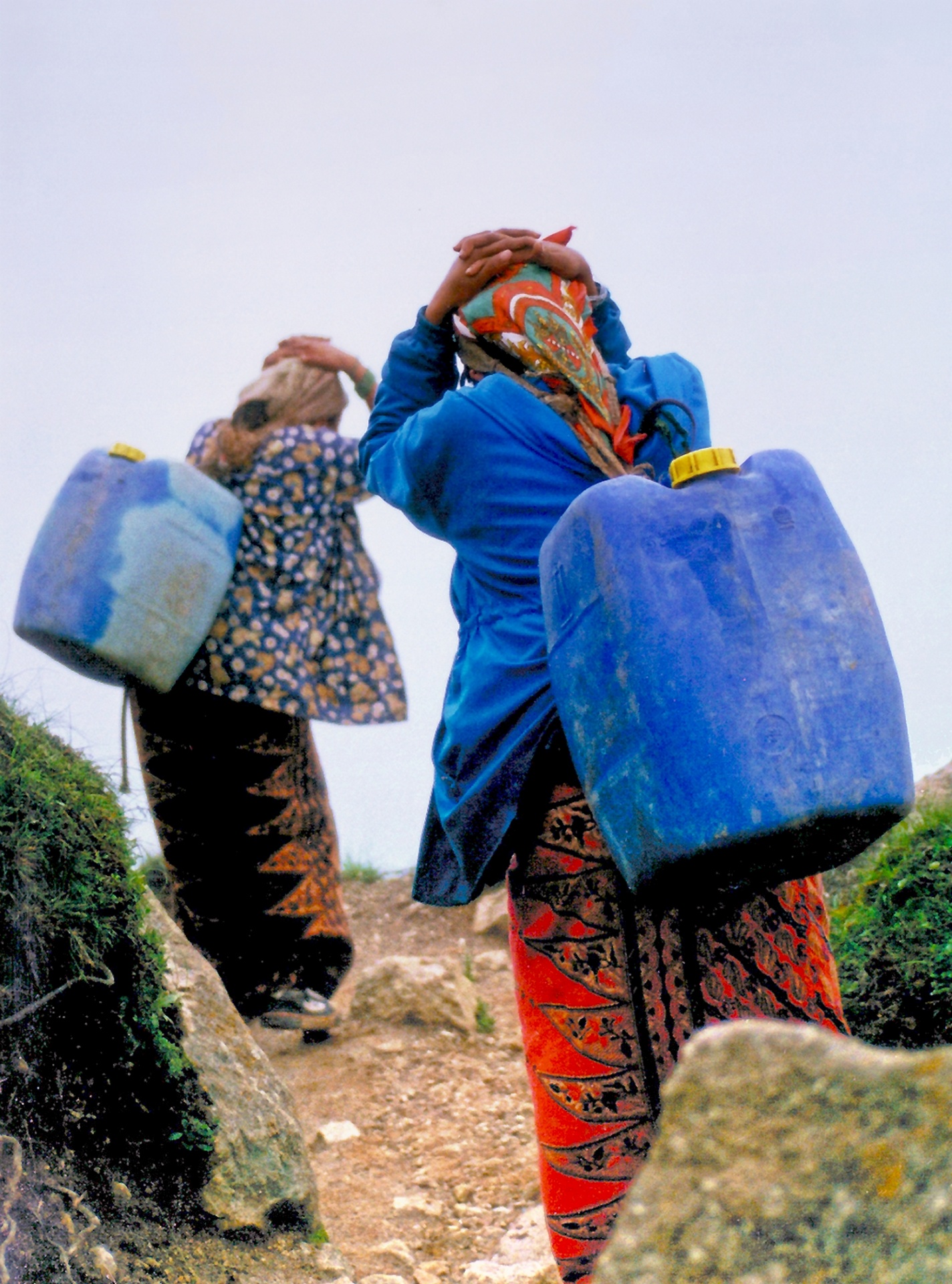
We need not carry tyranny, cycles of domestic violence, religious hatred, arrogance, neglect, inherited gender supremacy, or the silence that permits suffering to reproduce itself. Some inheritances demand interruption rather than preservation.
But we can carry languages. Stories. Books. Memories. Craft. Compassion. Cultural lineages. Scientific knowledge. Gardens. Friendship. Humor. The dignity of labor. The wisdom of elders. The imagination of children. The voices of displaced peoples. The courage of survivors. The inconvenient handmade artifact. The strange poem. The difficult truth. The blue butterfly. The sound of jazz on a Broadway morning.
And we can carry love.
That may finally be the deepest thread joining these radically different contributions. The world these writers and artists describe is neither stable nor safe. It contains technological upheaval, displacement, war, ecological fragility, violence, grief, estrangement, mortality, and forgetting. Yet it also contains people continually making meaning from what threatens to disappear.
Life is carved, as Soumen Roy suggests, from imperfect material. We do not receive a finished sculpture. We inherit the stone and the marks already cut into it.
What happens next is our work.