
A Dream In a Requiem

it reminds me the time I took remnants
of my soul—to sail the river of memories,
to the world
where deads vomit tears and saliva,
where a river has nothing to offer
but a skull of its dead son.
I, once heard a story of
how the soil married a seed;
and how men enthroned themselves
to the bed of kings in the hell.
when the clock is asleep—
men grow wings
to witness how an anthill
transforms into mountain–how it bloom flowers
that turn red, pink and blue, black.
now, tell me how our name fades
& how we'd paint our eyes red?


Mubarak Said is the 3rd runner-up of the poetry category of the 2022 Bill Ward Prize for Emerging Writers. His works are forthcoming and published in many literary magazines national and international as imspired magazine, Afrihill press, World Voices Magazine, Icefloe Press, Literary yard, Beatnik Cowboy, Piker press magazine, Teen Literary Journal, ILA magazine, Icreatives review, the yellow house magazine, williwash magazine,  Pine Cone Review, Synchronized chaos, Susa Africa, madswirl magazine, Applied Worldwide, Opinion Nigeria, Today Post, Daily Trust, Daily Companion and elsewhere.
Category Archives: CHAOS
Poetry from Z.I. Mahmud
Christendom of Sir Walter Scott-the connoisseur and realm of Ivanhoe
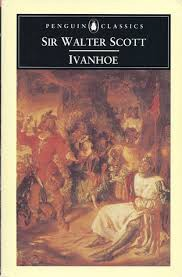
Peevish abbotsford enchanted a woodcraft with holding a candle to the devil
The fair Jewishness of the Maiden incumbent Rebecca’s life endangered in chastisement
O holy daughter of Rachael cried and lamented the Isaac of York in agony, grief and fear
Chivalrous Ivanhoe, forgotten and oblivious of of the atonement of the sylphlike Damsel?
Unflinching moral realism struck the heart of Sir Walter Scott adhering to the devastating plight
And indulgence in carnage of conflagration among the vainglorious; and fierce and haughty Templar’s temperamental outburst; and vehemence
The necromancy of witchcraft and wizardry, avaricious sorcery and gluttonous elixirs were the allegations the daughter of Isaac of York: beautiful Jewish Maiden being convicted,
Despite the precarious predicament she wasn’t dissolute, seduced or profaned!
Had had the fierce Brian De Bois-Guilbert in proclamation of misdemeanor; amidst irksome, wearisome and starvation and imprisonment, blows and strikes, journeys and indigestion; I profess this avowed and promised solemn ambition of entreating a relationship: succour and relish through consummation of nuptial and procurement
The valiant and renowned Ivanhoe’s fair and royal Christian Mistress Lady Rowena’s aphoristic relation

Didn’t give Ivanhoe a dirty look from Rebecca’s shimmering and, starkly starry eyes in the glimmering twilight
Exorcisms performed with the errand of obsequies towards apparition dwelling grotesquely in English blood and countryside and farmyards:
Deeming rectitude of Norman and English aboriginality
Wherefore minstrels, swineherds fools, chaplains and bishops
Singing the song in chorus of phantom delight in reverie;
The Black Knight restored to the monarchy whilst yonder venison bestowed in grace abounding :
Endowed amidst the Sherwood foresters anchorites Robin Hood, Friar Tuck and the merry men
Spellbinding merry men thus rejoicing and obliged in aura of disencumber and entwined enticement and delusion
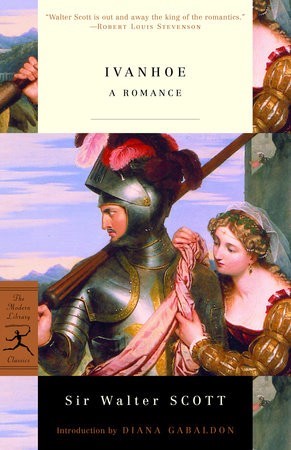
Recurrence beams of the sundown dissolved in ecclesiastical importunities;
Apostle’s epistle enrolled and entitled to the sepulcher of Rebecca:
Sherwood forests blaze and romanticize a chakra and mantra in the nirvana as an incantations to bid adieu and farewell to thee: Rebecca The Blessed Virgin!
To the Drunken Spirit of William Blake- A poetry written as fiction in free and blank verse
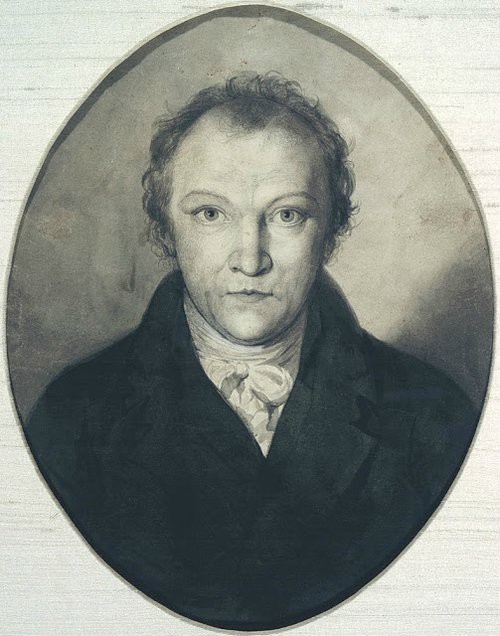
Oh Blake with your drunken spirit you’ve adorned,
The everlasting grace and beauty of the Gospel.
You’ve illuminated mankind with your Poetical Sketches,
I love the Lamb and sympathize the ecstasy of a little kid.
With the proclamation of lifelong belief you have painted;
Through imagining The Marriage of Heaven and Hell.
Humanity burst into warring fragmented lamentations;
Ah! Milton and Jerusalem appeared in reconciled visions.
Your engravings sculptured, color drawings printed:
And the water color illustrations giving a feeble and tottering The Real Man The Imagination which liveth forever.
I read William Wordsworth’s commentary in the pleasantries exchange with the saying goes:
“There is no doubt that this poor man was mad, but there is something in the madness of this man which interests me more than the sanity of Lord Byron and Walter Scott.”
I narrate the gladdening and overwhelming tidings of:
Henry in a letter to the Damsel Dorothy-
He lives…enjoying constant intercourse with the world of spirits. He receives visits from Shakespeare, Milton, Dante, Voltaire etc..etc..etc and has given me repeatedly their words in conversations.
Have you been pondering in enchanted walks too Blake?
Might have nymphs and fairies in bewilderment.
Wherefore divine incarnations of Blake stare at distress
In stunning blasphemy thus Antichrist dwells in dismay.
Jesus voice thundering sounds in compelling spirits
As stones bleed John; Satan put sin in the cross and tomb.
You are a mental traveler Blake: preacher romantic
And here I present my farewell to your soul spiritual heal.
My Quill at Parchment Upon Reading Banquet Lecture of Lord of The Flies Laureate Novelist and Playwright William Golding
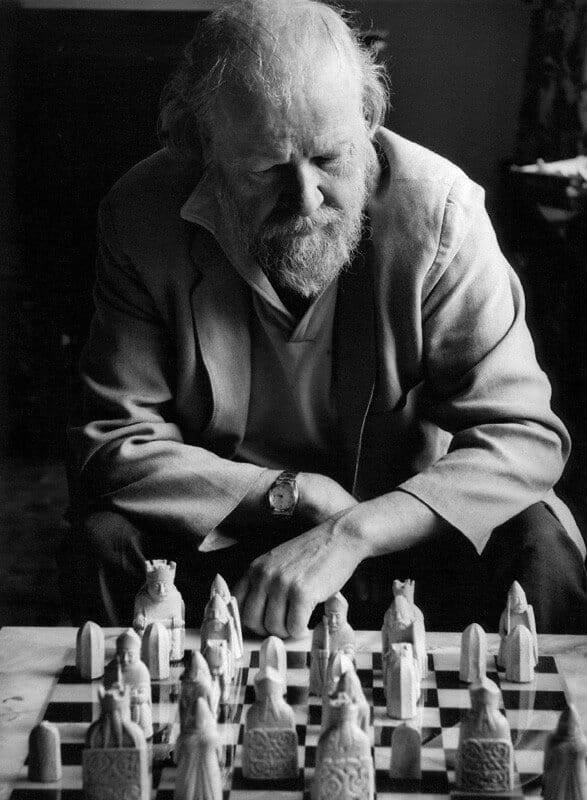
Golding’s holiday privilege -heyday castle of ‘Seashore’
Beached cavern where King David and King Solomon
Resigned at proverbs and psalms
A mermaid entombed of Julia of Norwich
Buried upon the banks of the Western seashore amidst rocky cliffs
Whereupon and hithertofore silvery greyed Golding’s ivory epitaph parchments
Gracing engraved magical spells-‘We need more humanity, more care and more love’
The Earth Mother Gaia washes away the flotsam jetsam along with her tresses of waving bluish splashing caresses
Quintessentially I have reached there and been starkly marvel
Wondering the blazing thought of mysteries sea creatures and marine life
We as children of the dear stars
What shine sparkling stellar wreaths of laurels
No sooner had I reached tumult and strife creeping pavements bleakish thoroughfares, than it became clear to me that the place I should be was the isle of seashore’s I had just forlorn
Aaaargh! Pity me my dearest soul!
Had I but a glimpse of noon-time with my Julia Juliet upon the weeds and reeds
Serenading my beauty’s bosom, me and the seashore’s flowering oasis purplish greenery
Being a universal pessimist forevermore; I shall detest fairy tales
Allegorizing ghoulie ghostie or weea beastie.
Since these very spirits dehumanizing and denaturalizing
That drives my heyday temperance of sanity to formidable cauldron of vanity
Foggy and frosty mournful snowman Golding’s threshold fireplace
Suppertime roaring howler alderman, corporations and liveries harangue
Disgracer supper a bad lobster thrown away into the gutters
In disenchantment sea butter feather fluttering in abysmal dismay
Abhorring in abominable spirits of phantom spectre chunk of undigested beef
Legions of goblins
Despising in admonishing guffaw of a fragment of potatoes undone
Poetry from Tajudeen Muadh Akanbi
OUR HOME IS BLEEDING

And night comes like a thief, with a gentleness that caresses
the eyes with a gleaming broken ray written on a brittle glass
disappearing into the horizon like broken sparks of flames,
and then night falls like stars ready to devour our hopes.

The afternoon is dead with barrows lurking in our palms ,
Our dreams down like a warzone burnt into ashes by the
Bombings in our tongues and throats which our hearts can only hear.

It is a cold coming, our dreams of having a brick over our dangling head,
Ready to be broken into pieces by the muzzle under the bomb of bazooka.

Let there be hopes as the gwagwalada river flows in the tacit lust of
Our cauliflowers_ drips of the night’s velvets on our sparkling rivulents.

Can we be pieces and faces bonded by unity and aspirations of better future?
Can we be the race with our wings not sunken with only dreams?

Can we be the home to the sweats and blood of our own self?

After this and thats, we could only cuddle our broken spirit in that cocoon
Buried underneath our blankets.

Let there be a NIGERIA with realms of aspirations in our blood,
Let the great labor of our heroes be not in vanity washed in pain.
Let there be a nation free from the cuff of servitude and pain.
Tajudeen Muadh Bayo, lightening pen X, is a poet from Nigeria. His works appear forthcoming on magazines including Afrihill Press, Scars Tv and others. He’s also a member of the Hilltops Creative Arts Foundation.
Poetry from Olawe Opeyemi
The Way I’d Like to Die
When my folk penned the lines
“The way I’d like to die”
Short but as a hero
With gold amass, laid dead on them
Then I posted to myself how I’d like to die
And my heart pondered a whit
I’d like to live wealthy, abound
Enough to acquire my desires without a sigh,
For that makes life easier.
I’d like it long and old
Telling tales of yesteryears to my grands,
For nothing more refreshing than that.
I’d like it calm and tranquil
With faces of loved ones to gaze at,
Without them, life is a misery.
I’d like to live on, ages ahead
In the minds of men, both acquaintance and aliens
With my footprint seen on the Niger
For that’s the greatest achievement ever.
I know no death bad, for none which is good
But I fair not as a dog on the road
Neither like a prey to a predator
Yet when at last death did me seek
I’d like it gentle and fast
Peaceful, with little regret behind
Then I’d have the rest I crave
Only then would death be a release
Poetry from Christopher Bernard
The Winter of 2023

By Christopher Bernard

The winter of 2022
a wind of iron and crystal blew.

In spring a gale attacked the park
Shredding his last piece of heart.

In summer’s dead zone he did dwell
Till rain and frost bathed fever’s hell.

Now winter has come round again.

The twisting seasons never end.

The winter of 2023
A white hand swept across the sea.

A palace of ice rose in the east,
Towers of snow in a waste of peace.

The year before it leaves a scar
Of fire and talisman of war.

It leaves behind a memory
Sweet and bitter as dark honey.

_____

Christopher Bernard’s latest collection of poems, A Socialist’s Garden of Verses, won a 2021 PEN Oakland Josephine Miles Literary Award and was named one of Kirkus Reviews’ “Top 100 Indie Books of 2021.”
Lyrics from Chimezie Ihekuna

Song Title: Take The First Step
Genre: Pop

Chorus
Take the first step  (2ce)
And see what comes out of it (3ce)

Verse 1
They say ‘the journey of a thousand mile begins with a step’
Yea, taking a step could be very herculean
Fear of failure would suffice as the rationale
However, taking the risk is worth it
After all, failing forward is better than not stepping out
The journey of success begins with taking the first step
So, take the giant stride
Take the first step!

Chorus
Take the first step (2ce)
And see what comes out of it (2ce)

Verse 2
Discouragement is a part of success
Success is a journey, not a terminus
Determination without conception is like reaching a destination without intention
Consistency is inevitably important
Life is what you make of it
Walk your talk to see your worth
You learn those only if you take the first step
Now, take the first step!

Chorus
Take the first step  (2ce)
And see what comes out of it (3ce)

Verse 3
The first step in life is uneasy;
It’s like you taking the bull by the horn
It’s similar to how tasking it would be putting the crown on your head
The first step is a lesson that would give room for further learning;
It’s like getting past the hurdles of life
It’s similar to taking away life’s road blocks
The first step marks the road to your freedom
A great feat it would be when you take the first step!

Chorus
Take the first step  (2ce)
And see what comes out of it (3ce)
Essay from Jaylan Salah
What the Man who Laughs can Tell us about Masculinity
By Jaylan Salman

Silent cinema is a mystery to generations that have gone way past the missing dialogue and artistic expression. But as the filmmaking process progresses and avant-garde art dominates a rather dull cinematic world after the introduction of online platforms and networks that exist purely in cyberspace, seeking different and more experimental forms of cinematic experiences has become -strangely- more mainstream.

The origin of the Joker character started in the silent film, giving it a hint of popularity. However, the idea of disfiguring men playing roles that hover on the verge of sympathy vs. non-sympathy could tell a lot about modern society when seen through the light of a politically-correct-driven cinema.

Lon Chaney and Conrad Veidt were two actors recognized for their aggressive masculinity that existed between machismo and the dream-pop verse of soft boys. In their roles, they played dark men, haunted and wounded by society’s addiction to normative beauty aesthetics. As part of the interloping male/female gaze, beauty ideals demanded that Lon and Conrad become misunderstood monsters. They had to play the classic man-monster trope in a Classic Hollywood setting without missing the romanticized touch in the later films. To use Conrad in the classic film version of “The Man Who Laughs” is to subvert our vision from his heinous features to what is more or less masculine representation onscreen. Chances are, man-monsters have been a fascination for centuries. In worlds such as Victor Hugo’s novels, man-monsters are deformed masculine figures, usually crossing paths with fragile, rather petulant women who either defy their independent aesthetic “ugliness” or seem undeterred by it.

“The Man Who Laughs” is not an exception to what Hugo considers ugly, encouraging readers or viewers to judge these characters for their looks, even if their qualities usurp the physical. His cruelty in creating the malformed men-beasts of his writings encompasses a more nuanced analysis of the social and political contexts in which his stories existed.

Enter “The Man Who Laughs” L'Homme qui rit, a less popular novel by Victor Hugo which uses the bored French noblemen and the absurd playfulness of the aristocracy as a social critique of classism, aesthetics, and in many ways, ghoulish masculinity which dominated novels of the romanticism era. This essay tries to draw a comparison or rather a constructive analysis of representing the main protagonist Gwynplaine in the silent 1928 film and the 2012 musical version through both actors chosen to play him and what that tells about modern masculinity and bestiality.

In other films where the human monster appears, it’s through the lens of the bizarre, this carrier of a penis wreaks wrath and fear into the hearts of the fine ladies of the black and white (or silent) cinema. He is feared, despised, and “othered”. The monster is the mutant anti-hero to the chiseled chad. For Batman, there’s the Joker and the Penguin. For James Bond, there’s Alec Trevelyan and Le Chiffre. But in the 1928 “The Man Who Laughs” the mutant man-monster is seen through a sympathetic lens, played by Conrad Veidt, a German Lon Chaney who specialized in the physically displeasing characters who reigned the German Expressionist films in the 1920s.

The demonic grin and crazy eyes contrast with the enforced laughter and mirror Gwynplaine’s abstract torture of being forced to live with his expressionist face while using his eyes to try and reveal his internal agony. Veidt could not be a better actor to embody the brutal fragility of Gwynplaine, his eyes trapping a thousand emotions, all suffocated through his emblematic Glasgow smile. As a silent-film performer, Vedit uses extended poses, stalled gestures, muscular control over the fluency of movement, and extreme crookedness in posture followed by sudden, erratically paced movements. His performance is an extreme expression of the character’s inner conflict conveyed through eye contact, body quivers, facial tics, and a body motion that oscillates between the stifled and the frantic.
Veidt’s Gwynplaine is a rare breed of masculinity, one that does not comprise a menace to society. It is neither inviting nor appealing, it off puts rather than revels in the charm of the ugly. His relationship with the female protagonists. In 1928, the love story between Gwynplaine and Dea feels like a gothic dream; bestiality turned into romance.  While in the 2012 version, the plotline that involves their love is more nuanced and erotic, using both actors’ sex appeal in their favor, creating a story that is both poetic and earthy.

The 2012 French adaptation has clear Tom Tykwer vibes, although directed by Jean-Pierre Améris. The influence of color and atmosphere, as well as the larger-than-life exaggerated depiction of the English aristocracy, has given it a different dimension than its silent 1928 counterpart. It started with picking the actor who played the main protagonist, Canadian androgynous heartthrob Marc-André Grondin as Gwynplaine, and through the complete transformation of the main protagonist casting choice, the film took a dramatic shift toward an undeniably interesting -if a bit less mystique- angle. Grondin is handsome, dark, gender-bending, and homoerotic.

Jean-Marc Vallée’s c.r.a.z.y, a coming-of-age tale that saw Grondin being the archetypal dreamboy/softboy within an LGBTQ context, solidified his softboy and fluid form of masculinity. Grondin as Gwynplaine had nothing to do with Veidt’s. This 2012 version of Gwynplaine was handsome in an “imperfect way”, taking the film narrative afresh.

The 2012 Gwynplaine was fragile, emasculate, beautiful, and scarred. The movie portrayed his love story with Dea in an ethereal, dreamy sense, unlike the 1928 version where Gwynplaine was fearsome, appearing to emerge from a nightmare, his face a work of art that hid behind it layers and layers of repressed fear, torment, and agony. In the 1928 version, Gwynplaine could barely move a facial muscle. In the 2012 version, Gwynplaine could reveal himself through his semi-deformed face, the spectrum of human expressions “happiness, fear, sadness, and love” evident on his features regardless of his mutated cheeks and lips.

The silent film medium of 1928 created a symbolic meaning of how Gwynplaine was used and abused by the haunting presence of the people around him. It glorified its freakish looks, unashamed of being attacked by a better understanding of the language or depiction of a non-normative person regarding beauty standards and aesthetics.

Using words like “ghoulish,” “freaky,” and “ugly” with liberty to describe this silent version of Gwynplaine in which director Paul Leni reveled in his protagonist’s disproportionate features that defied what it meant to be wholesome and complete. But in the 2012 adaptation of Hugo’s novel, Gwynplaine had a voice and thick luscious black hair and dazzling eyes, his Glasgow smile merely an afterthought, a meditation on what it meant to be freaky and not freaky, as if Gwynplaine walked the thin line between normalcy and bizarre.

To say that one version is better than the other is a mistake or -for better lack of terms - a problematic way of evaluating cinema as an art form. The Man Who Laughs conjures a sense of French cinema with the grimness and intolerable cruelty of Victor Hugo’s politicized commentary on aristocratic society. This separates the art from the artist, the film interpretation and adaptation from the heart and soul of the filmmaker’s intent. The Man Who Laughs might not be a timeless story, but its adaptations are a revelation and necessary for lovers of film and art worldwide.