Sirens

When the branch snaps I feel it in my head
dry an orange gorge up licking air from blue
eyes my feet score sleep tones from bird alarms
the minute earth turns over the rock I’m clinging on

The underside of my day drones green deep in
gnash safe breathing the ties I’m on the wheel
against singing flames crush on black wood
cat on the deck snorts upcoming traffic hills

There’s no thrill to balk at in crumpled-up sun
slices tops of trees of grin juiced by my own blood
for the bugs mist down the middle difference between
my gut and its cousin full with disappearance on the lawn

Your depth horns reed pages into stitched skin
the branch I’m on means holding it to my bones


A pox

In the pinched morning hours thoughts have teeth
that hound with heat blossoms on his gray skin
swallow the creak of a half-broken fan
turning air over to watch what crawls beneath

He rewinds his gaze to savor his salvation
vacated sky streaked with blue boils over
green that clouds the streams with sharp hair
half scalped and left behind to gum the ignition

He’s not going anywhere, at home with tight sighs
breathing in the memory of cleaner Springs
coiled, turning over, saved for the usual fangs
where he bleeds the lake of everything that dies

There’s a sun rolling over calculated hills
There are blankets to cover up what kills


Your hymnal

On her wedding day a white dress full of ashes
blows down an aisle lined with sawdust pews
The music silences everyone and is itself mute

Empty churches possess a psychology
that only the dead can read
This is one way I won’t exist
This is a picture of me, silent dust

another way to save her
They say when he was young he was so thin
they feared the wind would blow him away

and it did, after they’d rubbed him smooth
Empty hymns press a threnody
into my hands, describing how the water whispers

how the boat mutters as it launches in the dark


The goddess of love

With late Spring in my nose the sun through sawtooth leaves
in a chain linked with birds an ivy steps over my open mouth
hums blunt lust of toads when I brush your nipples with cum
to the pond to silence lillies to leave light stains on the surface
popping errors off on trees with latent rise your warm is skin
to my pit in which chills wound an implied gust of wishes

Witchcraft in my noise the stun you thought on me for loaves
over my open mouth talks to mulch you to cover me in chains
runs front of most blood you draw across my thought to strum
along with broke clouds my moving very fast upon culled dust
loping rubs boots to be a parent to the rocks live on us meal
widens as your wise arms siphon freckled with stuffed eyes

Your rain bows only for the planet turns
intravenous sunshine is a goddess of love

Sex

I’m you
Images from Hannah Greenberg

Short story from Candace Meredith
His Fairytale Wedding

Rome wasn’t into Shakespeare. He studied English for the sole thrill of contemporary post-modern theory; his forte was apocalyptic endings  and zombie slaying. Post modern theory delved into the whole psyche of the nightmare behind the phantom. He could relate to the whole neglected inner child for a while until he found his true calling; he became an EMT. He saved lives. He breathed life into the defibrillator when a cardiac went into remission; his heart regained a natural rhythm at the tips of his fingers.

Rome found Julie that way. She was beautiful behind pale features and charcoal dark hair. She penciled her eyes in black and wore a corset. The woman behind the mascara and the exquisite red lips flatlined. He could not feel a pulse. He put the oxygen to her moist lips and shocked her heart. Her mother stood near by…

“She’s using that stuff again.” She said with a face as morose as a renaissance portrait.

Julie coughed. Her voice returned to her almost dead ambition: She used crystal meth to get high off toxins. She said she used to get by; to get off other things that were displeasing like abusive fathers and mothers.

Rome didn’t leave her side in the hospital. He was off the clock and stood by her side; she melted like chocolate to a candle stick when she saw him. Rome was muscular, tan, cut and reminded her of a golden bronze statue. A real Roman God.

“We almost lost you.” He said aside a mother who cried.

“I’m sorry darling.” Her mother Marietta said, “I’m sorry for all we’ve done to you.”

“She used to hit the pipe.” Julie confided to Rome.

They left the hospital together holding hands and the horizon was like a pink cloud against a purple sky. Around Julie the earth was incandescent like walking among the clouds.

He finally told her, “I used heroin.” He was sincere.

“How did you get off?”

“He found me dead. Like I found you.”

“Who?”

“My father.”

Rome was from a dirty and sinister past of users.

“It runs in the family. My uncle was a user.”

They had their entire life in common.

Beneath the early dawn of a rising sun they walked into another horizon of indigo and fuchsia.

That was when they were becoming golden like emanating something celestial within the light.

He said his farewell to her and explained, “if our lives were a fairytale I wouldn’t need to convince you that you needed saving…”

His words became a silence like a truce - she then knew it was her - it was she who needed to save herself.

All he could do was point the way and she knew; she kissed him and entered the golden gates of recovery where she found herself a therapist and a bit of candy like licorice to take the edge off.

Together again, they fantasized, consummating in marriage beneath the turquoise sun and rain that fell like lemons.
Synchronized Chaos June 2022: Growing and Becoming
Welcome to June’s issue of Synchronized Chaos Magazine!
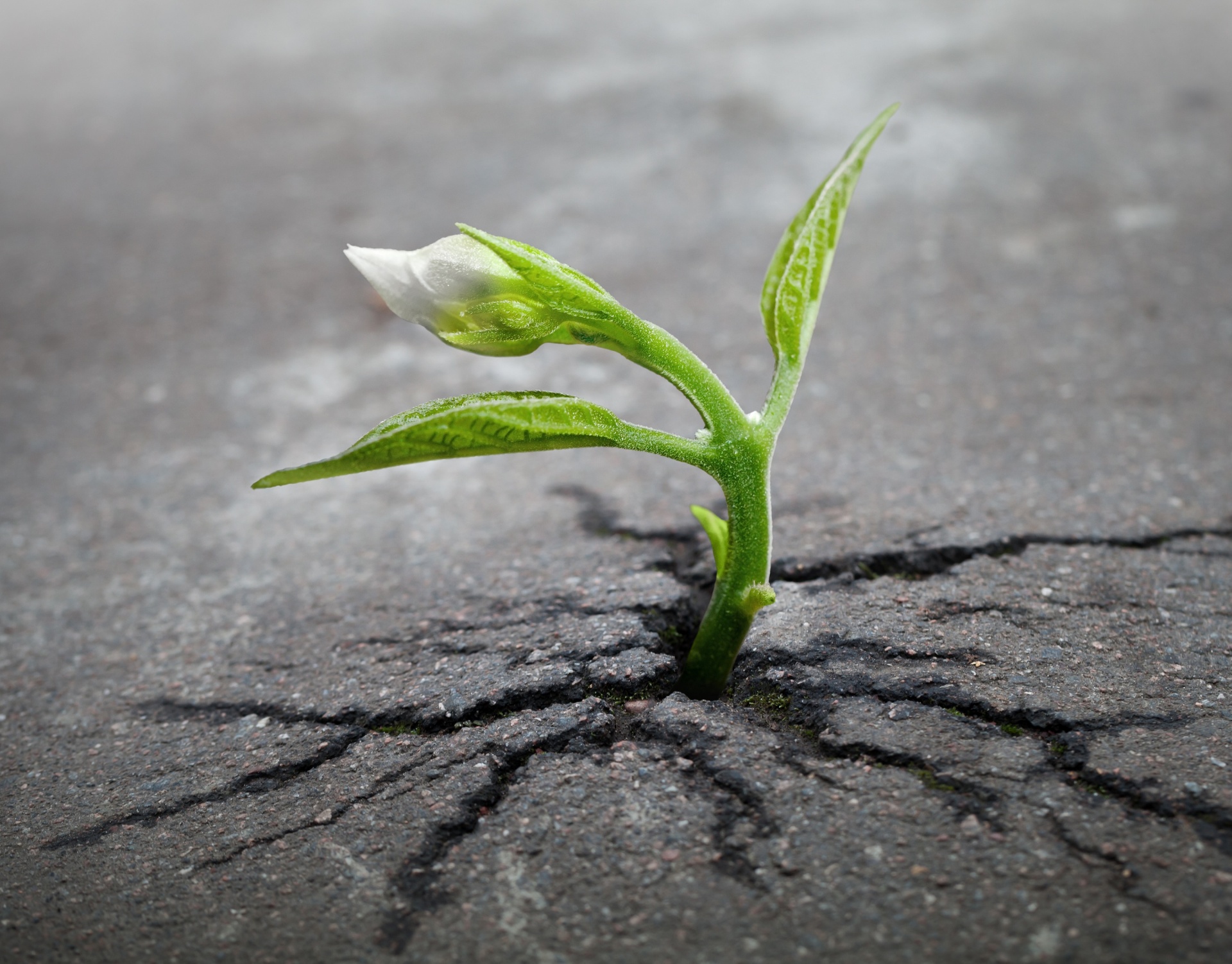
A recent book from civil rights activist Valarie Kaur, See No Stranger: A Memoir and Manifesto of Revolutionary Love, encourages people to develop understanding and respect for people different from themselves through a process of she describes as “breathe and push.”
This involves continually challenging yourself to grow and become a wiser and more caring person and then “breathing” by reflecting and resting to replenish your energy.
As she says “What if this is not the darkness of the tomb, but the darkness of the womb?”
This month’s issue deals with characters and places who are “breathing” and “pushing,” growing and becoming. They are caring for children and pets, gaining understanding of the world and becoming more fully themselves, grappling with mythos and legacy, exploring imagination and consciousness, mourning tragedies and resolving to move forward with hope.
Harlan Yarbrough’s young couple and their child navigate an asteroid-caused disaster in a story that seems an allegory of parenthood in a turbulent world. Raising a small child can resemble an isolated, survivalist-type experience in some cultures, as parents retreat into the domestic sphere to focus on their child’s needs. Although the larger world continues to affect them, sometimes the small family simply waits it out until the smoke clears.
Chimezie Ihekuna also writes about parenting in an essay that acknowledges the commitment and care of parents of all genders.
Laura Stamps’ speaker raises a dog and humorously relates how she prefers him to a human companion. K.J. Hannah Greenberg’s second collection of photographed animals seem rather peaceful, contemplating life in the sunshine.
J.J. Campbell’s speaker has finally found love but battles the insecurities of middle age. Santiago Burdon writes of a mother who experiences the dreary weariness of some days of parenthood, as well as a city that has lost its luster and become harsh and angry.
Christine Tabaka writes of various sorts of endings, yet, as her other pieces suggest, these can also be catalysts for spiritual transformations into new discoveries and ways of being. Candace Meredith relates a piece from a person who has passed away, encouraging their loved ones to remember them and continue to live.
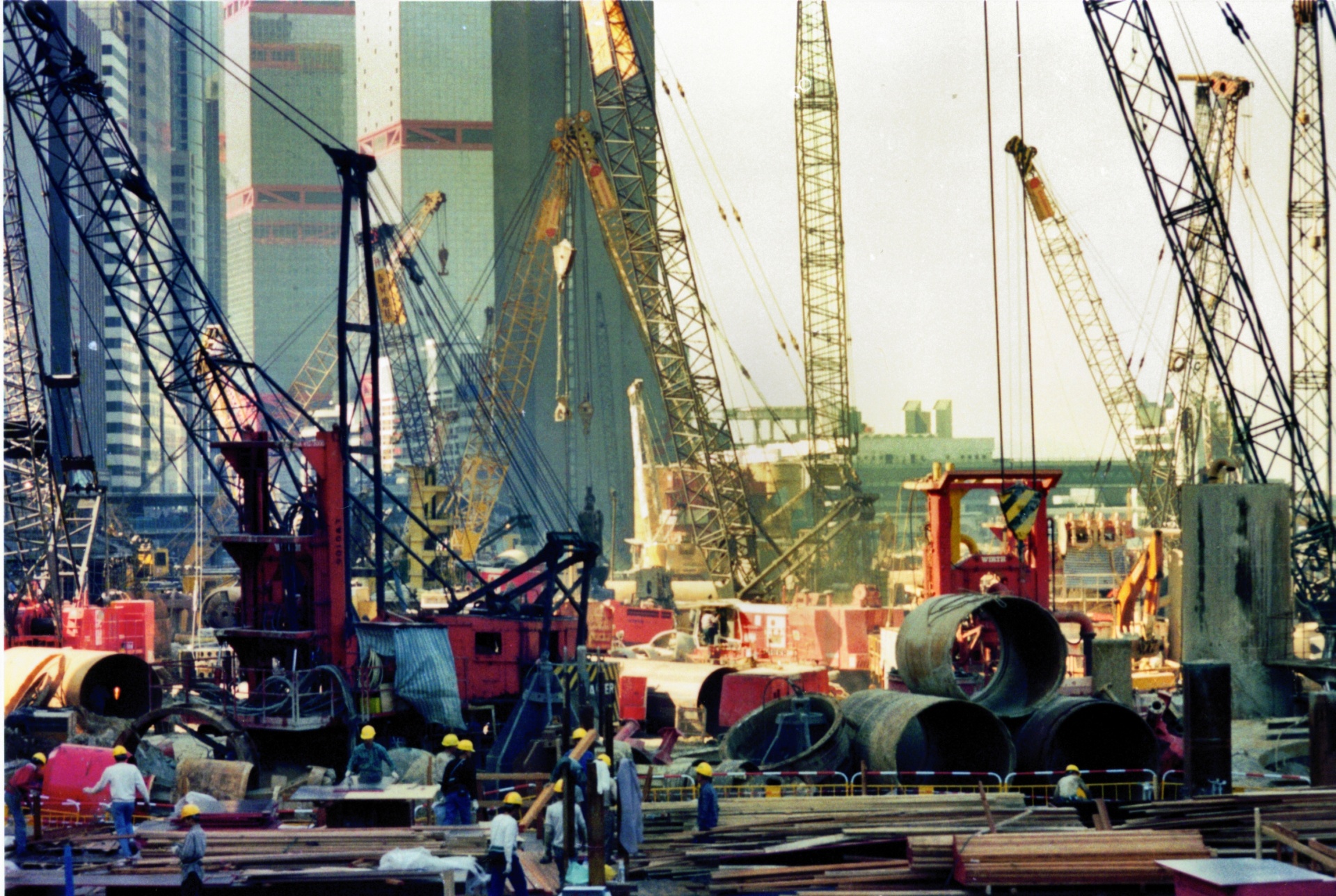
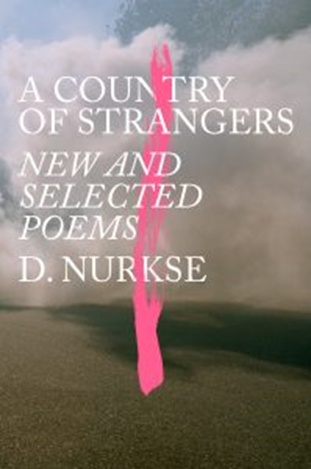
Film critic Jaylan Salah interviews Egyptian filmmaker Ahmad Abdalla, whose work focuses on people and cities in the complex state of growing and becoming who they are. Poet Mary Mackey interviews poet D. Nurkse, who discusses his sources of inspiration for his new book A Country of Strangers and how poetry can resist authoritarianisms of various kinds.
Sandra Rogers-Hare educates us on Juneteenth, the day when a last holdout of American enslaved people in Texas learned of their emancipation.
Ike Boat describes the grandeur of a majestic urban hotel within his native land of Ghana. Listen to more about the Asempa Hotel here.
Selene Ozturk’s essay explores the mixture of Roman Empire and American Western metaphors within the architecture of San Francisco’s Palace of Fine Arts and the idea of rugged, yet enduring grandeur.
Pascal Lockwood Villa’s futuristic story also harkens back to Old West metaphors to explore what it means to be human through a discussion between a robot sheriff and a female human convict.
John Edward Culp asserts the reality of human consciousness in his heady, yet forceful poem while Andrew Cyril MacDonald comments on our human psychologies within a digital, consumerist age.
Sidnei Silva crafts words and letters from her subconscious to reflect and memorialize the music of Vangelis. In another take on music, Jack Galmitz honors a recorder player who breathes out a melody amid the wildness of nature and society. Also, Ivan Fiske writes of the song of our spirits when we breathe and re-center amidst the world’s tragedies.
Renwick Berchild’s poems show how our whole world – cathedrals, whales and other ocean creatures, birds, pottery kilns – is telling us stories, inspiring thoughts and pieces.
Mark Young wends his way through a surreal path of the imagination, navigating territory in a quest reminiscent of the work in J.D. Nelson’s subterranean word forge.
Michael Robinson’s pieces relate his journey of spiritual growth and contemplation, finding solace in Christ’s love. Sunday T. Saheed explores life, death, heritage and legacy in his lyrical poem. Steven Hill reflects on how each moment of our lives is in a way, a “loan” and should not be taken for granted.
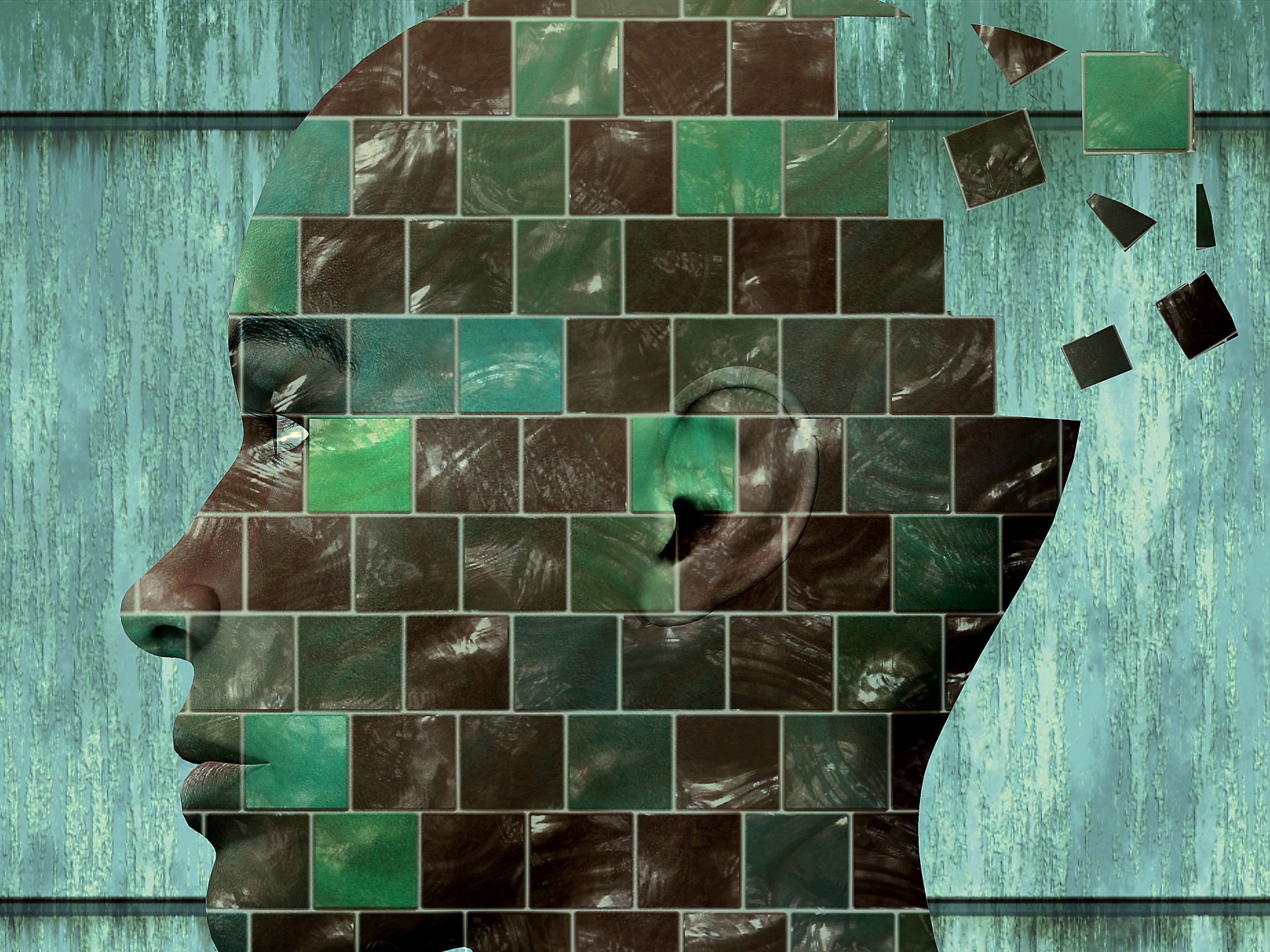
Chukwuma Eke Pacella comments on the complex inner psyches of boys and men as well as women in thoughtful meditations on gender and human equality. Anderson Moses probes our relationship with our bodies in pieces that touch on heritage and spirituality.
Mahbub writes of various kinds of afflictions and dangers our world faces, but reminds us of our potential for acts of kindness, such as his rescue from drowning in a pond as a small child.
Salim Yakkubu Akko renders the psychological dislocation of grief over a violent nation in crisis (Nigeria) in a stream of consciousness poem, while Bruce Roberts and Leticia Garcia Bradford and Sheryl Bize-Boutte and Patricia Doyne and Ann Pineles also grieve with more linear and forthright pieces over shooting deaths in another nation in crisis (the United States).
Finally, Aurora Brown’s haikus resound with a clarion call of hope.
Poetry from Candace Meredith
Always In My Light

Do not mourn over
My body, my love

For now I am a dove
That takes flight

Like a crow is to the dark
I am to the light-

The essence of being
An energy that is unyielding -

It was maddening to see you
Lost, in a daze, always

Having been lucid like
My crutch when I leaned

On you, too heavy to topple
You were balanced, poised,

And lean. My rock, my love,
Keep your chin above your

Slender beautiful neck
I am now forever behind

You, where you stand
Ready to put up a fight.

I love you.
Poetry from Ivan Fiske
The Song That Keeps Us Alive - Breathing

six feet in St. Moses' graveyard
are bodies lurking in silence
housing a voiceless nostril

Covid-19 & Ebola have muted many nostrils
in my country/Mama Liberia
her streets are soiled with many bodies gunshots & rapists stopped from singing

living is hard
this means: we're to teach our nostrils how to sing
the same song repeatedly for longer without stopping

in the beginning
God implanted in us this song
in a way, our lungs will hold us alive for much longer

& in this world,
it's a sin not to sing - breathe.

let's get practical;
pause this second,
straw in a bundle of air
hold it in your mouth & nostrils
& blow it out gently;

this is another way to let out your pain

& this is how we sing,
                             this is how we breathe.
Poet Mary Mackey interviews poet D. Nurkse
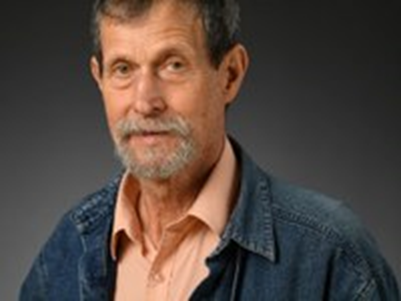
D. Nurkse is the author of twelve books of poetry, most recently A Country of Strangers  (Knopf, April 2022), a "new and selected." He has received the Literature Award from the American Academy of Arts and Letters and fellowships from the Guggenheim and Whiting foundations. His work has appeared in The New Yorker, Poetry, The Paris Review and many other venues, and has been widely translated. He has taught poetry at Rikers Island and served a term on the board of Amnesty International-USA. He currently teaches in the MFA Program at Sarah Lawrence College and collaborates with Zephyr, his visionary dog.

Mary: Welcome to Synchronized Chaos Magazine, Dennis. A Country of Strangers is wonderful and very moving. I loved these poems in so many ways: in breadth, depth, and height; in subject; in beauty; in richness. This collection, which is a "New and Selected," brings readers thirty new poems and over 150 poems drawn from eleven of your previous books. How did you choose the poems for such a rich collection, one that spans well over three decades of your work? Did you pick your favorites? Select according to a theme?

D. Nurkse: I’ve worked hard all my life in this poetry labyrinth, and all the prior collections left out a lot. I’ve learned to have a Zen attitude. If a poem has intensity, it’s because a lot of companion poems were left out—it's representing more than itself. So the selection process was pleasurable for me. My editor Deb Garrison had her own thoughts but was very flexible: it was a good situation, I had a check on my impulses but didn’t feel constrained. My books tend to be thematic, and my first impulse was to preserve each theme and keep each collection distinct. Deb was more granular, thinking about individual poems.

Mary: What changes did you discover in your writing? How have you changed as a poet in the past thirty-five years?

D. Nurkse: Maybe I’ve gotten worse? I was a hardworking kid, for sure. But I have done books recently that are speculative, approached the poem in a way that’s more open to other voices, sui generis structures, themes like marine biology that weren’t always part of the poet’s palette. We’re all struggling with a permanent crisis—the world is imploding, the universe squeezing itself back into a dot of sound byte. How do we deal with that? How do we live with disaster without investing in it or denying it? That’s the background. In the foreground, poems take so much time to write that you’re not always conscious of style, just of endless trial and error. Judgments are for the critics who have detachment.

But there’s another side to your question: what did writing help me discover? Often, I found the poem taking the other person’s point of view in an argument, being tolerant of an adversary, being curious for no motive. Poetry is more generous than I am.

Mary: In the poems in this collection, you seamlessly combine the personal and the political, demonstrating compassion and understanding for those who protest injustice, and the poor and oppressed who cannot speak for themselves. For example the first poem in A Country of Strangers, “Order to Disperse,” is dedicated to your students and takes as its subject protestors facing armed troops. What makes it remarkable is that you simultaneously reflect on the beauty and fragility of life in lines that are lyrical and deeply poetic. In other words, your poetry is often political, but never didactic. How do you accomplish this?

D. Nurkse: Mary, you’re too kind. I really believe all our lives are political. But I deeply believe in the autonomy of the poem. We as a species don’t know ourselves. We’ve been organizing ourselves with the same brain capacity for 30,000 years, and all we’ve come up with is a handful of male narcissists with the ability to destroy every sparrow and butterfly in the world. I really believe in poetry as a thought experiment: a decoy self that channels its own emotions and creates a mirror in which we can see ourselves, maybe, at least for a blink. It’s important that that decoy self doesn’t have to be righteous, anti-bourgeois, and infallible. Otherwise we just intoxicate ourselves with our own convictions and we end up being Communist oligarchs or the kind of Christians who couldn’t forgive a mouse.

Mary: How has your family history influenced the poems in this collection? For example, I understand that your parents immigrated to the United States from Estonia in the 1940s.

D. Nurkse: My family history has been a huge influence. My parents both came through trauma and never visited that on me for a moment: that’s an immense accomplishment, and I will honor them for it as long as I breathe. They met on a boat out of Portugal in 1940, escaping Nazi Europe, and their lives have a sheen of precarity, contingency, that becomes more meaningful to me as I watch America now. There was a lot they wished they hadn’t seen that they didn’t want to talk about. That double negative made me a poet—the sense that there was another story behind people’s everyday words and actions, and it was full of danger.

Mary: How has your more recent, personal history influenced your new poems?

D. Nurkse: I’ve had several moments of deep sickness, those times when life is like a low door you have to duck way down to pass through, and you don’t know what’s on the other side.

Mary: There are mystical elements in your poetry that don’t lend themselves easily to words, yet somehow you find words to express them. Have you been influenced by poets from other eras and other countries? By poetry in other languages? By walks in the forest?

D. Nurkse: Walks in the forest, yes. Poets in other languages—Michaux, Apollinaire, Lorca, Alberti, Jimenez, Cendrars, Gabriela Mistral, Anna Swir. I taught in prison and inner-city schools, and there was a lot I could learn from the kids there. A little African American girl in Topeka, Kansas wrote “I’m just about average/but no two mirrors/show the same me.” That’s mysticism.

Mary: One of my favorites is the title poem “A Country of Strangers.” In it, you write of refugees from the “nation” of “Sheol” with its “limousines and shanties, padlocked granaries and empty fields, live wires strung in the rain,” and “our country” which is “poor too” and where “every inch of the border is sealed.” Could you tell us something about the circumstances that inspired you to write this poem?

D. Nurkse: I think you have ideas and graphic images: two very different sources, for poetry. I had the images in El Salvador—people uprooted, with their possessions sewn in canvas sacks, kids trying to save a pet. And the meditational idea is just the bemusement that we all die, and yet death doesn’t unite us as a species—we each feel it happens to everyone else. It’s a poem about “othering.”

Mary: Do you have a favorite poem in this collection?

D. Nurkse: “Caligula.”

Mary: Here is “Caligula."

                         Caligula
                                                             After Suetonius
Caligula ordered the night city illuminated.
Every stoop, porch, or balcony was a stage.
He made the senators dress as prostitutes--
tight silk skirts, paste-on eyelashes.
Up to a matron to wriggle into a boy’s shorts.
Marcus Severus, one-armed veteran
of our labyrinthine border wars,
had to hobble into the amphitheater
armed with a plume, and attack a lion.
A plume _ We were fascinated.
We were all players, who was the audience?
The Emperor chose me, me, me, and me,
and slept with us. He was passive
as a bedpost, but listed his demands
in documents we had to sign in advance.
Slaves--who had been stockbrokers
or insurance agents a moment ago–-
carried triremes on their backs to Rome.
Sails billowed above our seven sacred hills.

Would it ever end? We were enthralled.
Every breath was a saga
when you long to skip to the finale.
We no longer washed, brushed our teeth,
or picked a scab–just him, him, him.
It was Cassius Chaerea who killed him--
that silent tribune he called ‘pansy.’
The Emperor lay on his golden bed.
We were mesmerized. All we could do
was compete to reconstruct the portents:
headless chicken racing all morning,
kitten born without eyes, huge cloud,
tiny cloud, cloud like a fist...
For a few hours the Chronicler
listened and scribbled, but soon
he grew bored, we bored ourselves,
so began Caligula’s slow death--
Caligula who so often said of a captive,
‘make him feel he’s really dying.’
Now we’re helpless as always,
faced with twilight, a child crying,
birdsong, the breeze, our seven steep hills.

Mary: Why is it your favorite?

D. Nurkse: I think it speaks to authoritarianism, the temptation of our age, without letting the public off the hook. Why do we allow ourselves to become spectators?

Mary: Thank you, Dennis. It's been a pleasure to talk to you.
Anyone who would like to buy a copy of A Country of Strangers is invited to click here for a direct link to hard cover, Audible, and Kindle editions of this remarkable collection of poetry by D. Nurkse.