
a football party
at a house across the street—
yellow moon grows full


chickpeas & brown rice . . .
a spider climbs down a thread
to investigate


leaves are blown from trees—
the driver with a flashlight
asks for directions


in the chicken coop
a few mice scurry away . . .
the cold autumn wind


bare tree silhouettes
against the cloudy night sky—
the dog sniffs dead leaves


crescent moon at dusk—
the squirrels’ nests are revealed
in the bare branches


-------------


bio/graf

J. D. Nelson (b. 1971) experiments with words in his subterranean laboratory. His poems have appeared in many small press publications, worldwide, since 2002. He is the author of ten chapbooks and e-books of poetry, including Cinderella City (The Red Ceilings Press, 2012). Nelson’s poem, “to mask a little bird” was nominated for Best of the Net. Visit http://MadVerse.com for more information and links to his published work. His haiku blog is at http://JDNelson.net. Nelson lives in Colorado, USA.
Category Archives: CHAOS
Short story from Fernando Sorrentino
There’s a Man in the Habit of Hitting Me on the Head with an Umbrella

(Spanish title: Existe un hombre que tiene la costumbre de pegarme con un paraguas

en la cabeza)

(Translated from the Spanish by Clark M.
Zlotchew)

by Fernando Sorrentino

There’s a man in the habit of hitting me on the head with an umbrella. It makes exactly five years today that he’s been hitting me on the head with his umbrella. At first I couldn’t stand it; now I’m used to it.

I don’t know his name. I know he’s average in appearance, wears a gray suit, is graying at the temples, and has a common face. I met him five years ago one sultry morning. I was sitting on a tree-shaded bench in Palermo Park, reading the paper. Suddenly I felt something touch my head. It was the very same man who now, as I’m writing, keeps whacking me, mechanically and impassively, with an umbrella.

On that occasion I turned around filled with indignation: he just kept on hitting me. I asked him if he was crazy: he didn’t even seem to hear me. Then I threatened to call a policeman. Unperturbed, cool as a cucumber, he stuck with his task. After a few moments
of indecision, and seeing that he was not about to change his attitude, I stood up and punched him in the nose. The man fell down, and let out an almost inaudible moan.

He immediately got back on his feet, apparently with great effort, and without a word again began hitting me on the head with the umbrella. His nose was bleeding and, at that moment, I felt sorry for him. I felt remorse for having hit him so hard. After all, the man wasn’t
exactly bludgeoning me; he was merely tapping me lightly with his umbrella, not causing any pain at all. Of course, those taps were extremely bothersome. As we all know, when a fly lands on your forehead, you don’t feel any pain whatsoever; what you feel is annoyance.

Well then, that umbrella was one humongous fly that kept landing on my head time after time, and at regular intervals.

Convinced that I was dealing with a madman, I tried to escape. But the man followed me, wordlessly continuing to hit me. So I began to run (at this juncture I should point out that not many people run as fast as I do). He took off after me, vainly trying to land a blow.

The man was huffing and puffing and gasping so, that I thought if I continued to force him to run at that speed, my tormenter would drop dead right then and there.

That’s why I slowed down to a walk. I looked at him. There was no trace of either gratitude or reproach on his face. He merely kept hitting me on the head with the umbrella.

I thought of showing up at the police station and saying, “Officer, this man is hitting me on the head with an umbrella.” It would have been an unprecedented case. The officer would have looked at me suspiciously, would have asked for my papers, and begun asking
embarrassing questions. And he might even have ended up placing me under arrest.

I thought it best to return home. I took the 67 bus. He, all the while hitting me with his umbrella, got on behind me. I took the first seat. He stood right beside me, and held on to the railing with his left hand. With his right hand he unrelentingly kept whacking me with
that umbrella. At first, the passengers exchanged timid smiles. The driver began to observe us in the rearview mirror. Little by little the bus trip turned into one great fit of laughter, an uproarious, interminable fit of laughter. I was burning with shame. My persecutor,
impervious to the laughter, continued to strike me.

I got off —we got off— at Pacífico Bridge. We walked along Santa Fe Avenue.

Everyone stupidly turned to stare at us. It occurred to me to say to them, “What are you looking at, you idiots? Haven’t you ever seen a man hit another man on the head with an umbrella?” But it also occurred to me that they probably never had seen such a spectacle.
Then five or six little boys began chasing after us, shouting like maniacs.

But I had a plan. Once I reached my house, I tried to slam the door in his face. That didn’t happen. He must have read my mind, because he firmly seized the doorknob and pushed his way in with me.

From that time on, he has continued to hit me on the head with his umbrella. As far as I can tell, he has never either slept or eaten anything. His sole activity consists of hitting me. He is with me in everything I do, even in my most intimate activities. I remember that
at first, the blows kept me awake all night. Now I think it would be impossible for me to sleep without them.

Still and all, our relations have not always been good. I’ve asked him, on many occasions, and in all possible tones, to explain his behavior to me. To no avail: he has wordlessly continued to hit me on the head with his umbrella. Many times I have let him have it with punches, kicks, and even —God forgive me— umbrella blows. He would
meekly accept the blows. He would accept them as though they were part of his job. And this is precisely the weirdest aspect of his personality: that unshakable faith in his work coupled with a complete lack of animosity. In short, that conviction that he was carrying
out some secret mission that responded to a higher authority.

Despite his lack of physiological needs, I know that when I hit him, he feels pain. I know he is weak. I know he is mortal. I also know that I could be rid of him with a single bullet. What I don’t know is if it would be better for that bullet to kill him or to kill me.

Neither do I know if, when the two of us are dead, he might not continue to hit me on the head with his umbrella. In any event, this reasoning is pointless; I recognize that I would never dare to kill him or kill myself.

On the other hand, I have recently come to the realization that I couldn’t live without those blows. Now, more and more frequently, a certain foreboding overcomes me. A new anxiety is eating at my soul: the anxiety stemming from the thought that this man, perhaps
when I need him most, will depart and I will no longer feel those umbrella taps that helped me sleep so soundly.

Fernando Sorrentino
http://www.fernandosorrentino.com
fersdelaakd@gmail.com

Clark M. Zlotchew
clark.zlotchew@fredonia.edu
Poetry from Aisha MLabo
HUNGRY FIRE

Here is a debutante
Burning on a hungry fire
That is sparkling and searing
Chewing the nerves in her chest
Gulping the blood in her spleen
Though not satiated
The fire is hissing like the sound a snake might make
Symbol of hungriness written on the wall of her hub
Designed by blue flames
She feels the hungry fire burning and burning
The fire to flow like water that flows in the ocean
The fire to glow like a candle that glows in the dark
The fire to sparkle like freshly fallen snow that sparkles in winter
This fire is felt not seen
I feel hungry fire burning in me too.

Aisha MLabo writes from Katsina,Nigeria,and is a Law student of Umaru Musa Yar'adua University Katsina Nigeria.
Poetry from Emdadul Hoque Mamun
Paris the touch of OomphDr. Emdadul Hoque MamunOh Paris!your sparkling of light yoursNobility draws me like a drug alwaystowards you, the impersonation slender aspectAnd its hypnotic appeal to put me to sleeplessnight, Your drunken drinks continue to mesmerize myself in the land of dreams.I feel the touch of your Love and I am Enjoying this sinking, And Drown willingly,Your young ladies Plump breasts soakedin red wine, find out Juicy taste of genitaliaTo swimming in the lake of love! You are the cityof sex, you are the city of taste, I know your arethe Pilgrimage of all Art and Literature. All theglittering beauty that bears is on you body youLike a fantasy city my lover! Your acridity ofOomph touch me and and drug me from thedistance of thousand of miles. The pride of Eiffel Tower, Paris Gate, Bastille Fort, Night Clubs,Being lost in the story at the sleepless night cafe, By the Sipping champagne Creation poetry of a Poet,If God give me the option,What do you want? Paris or Heaven?I will put Paris ahead.Here is everything in life receipts are hidden.Paris is your tasteI am still spending sleepless nights in hope, evergreen Paris,keep me in your touch to get the touch of Love and Oomph.
Art from Thomas Riesner
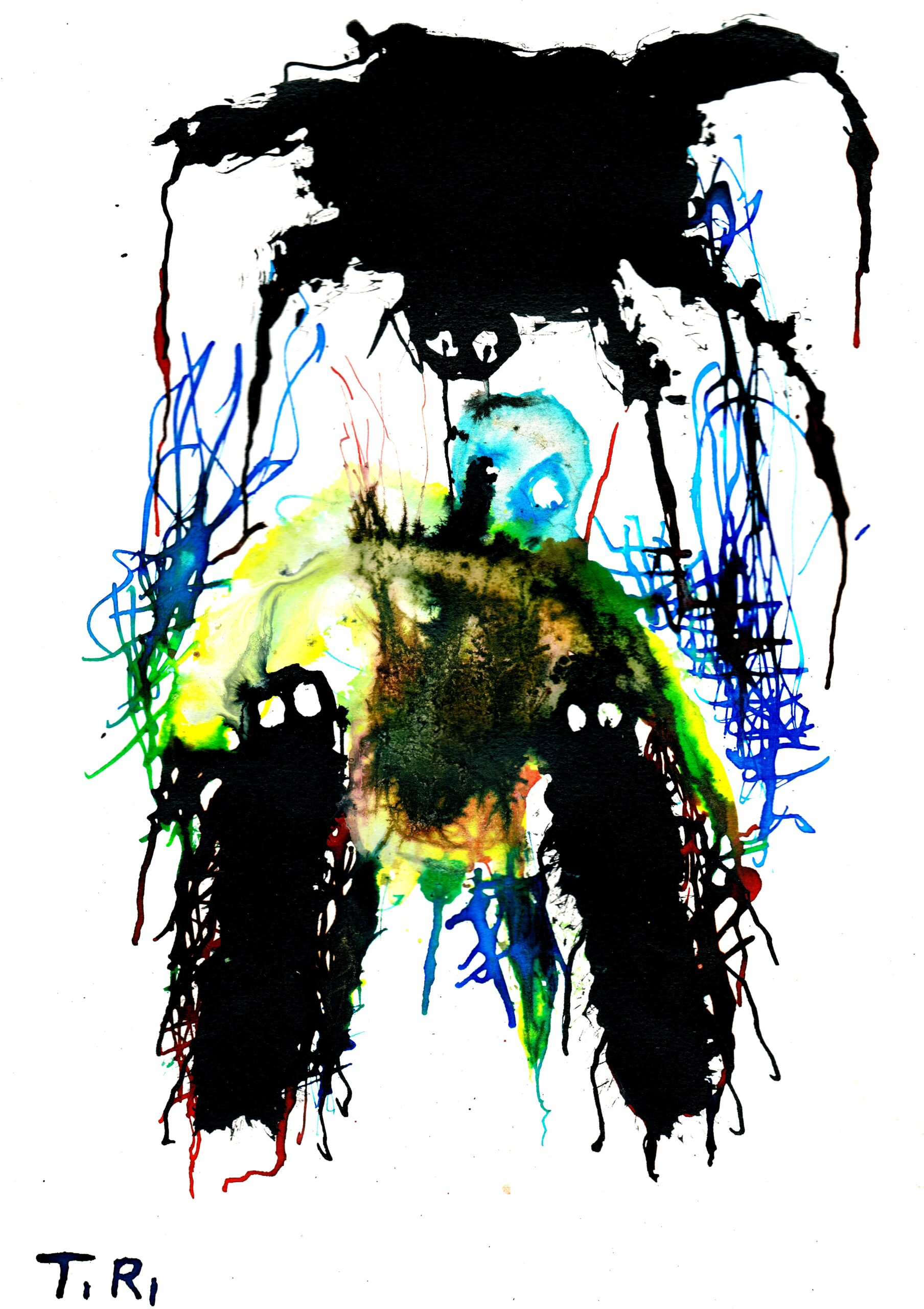
Danger from Heaven
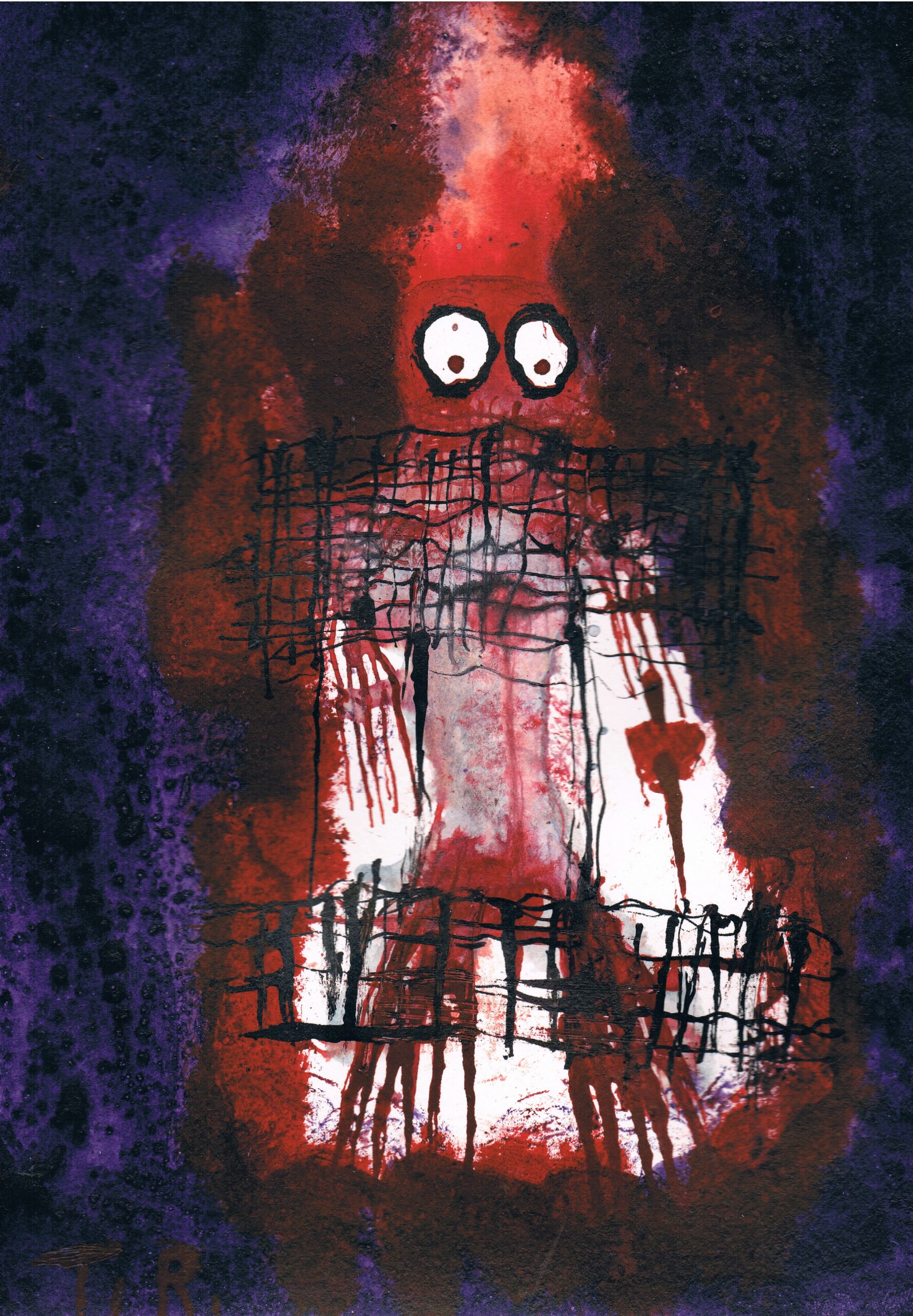
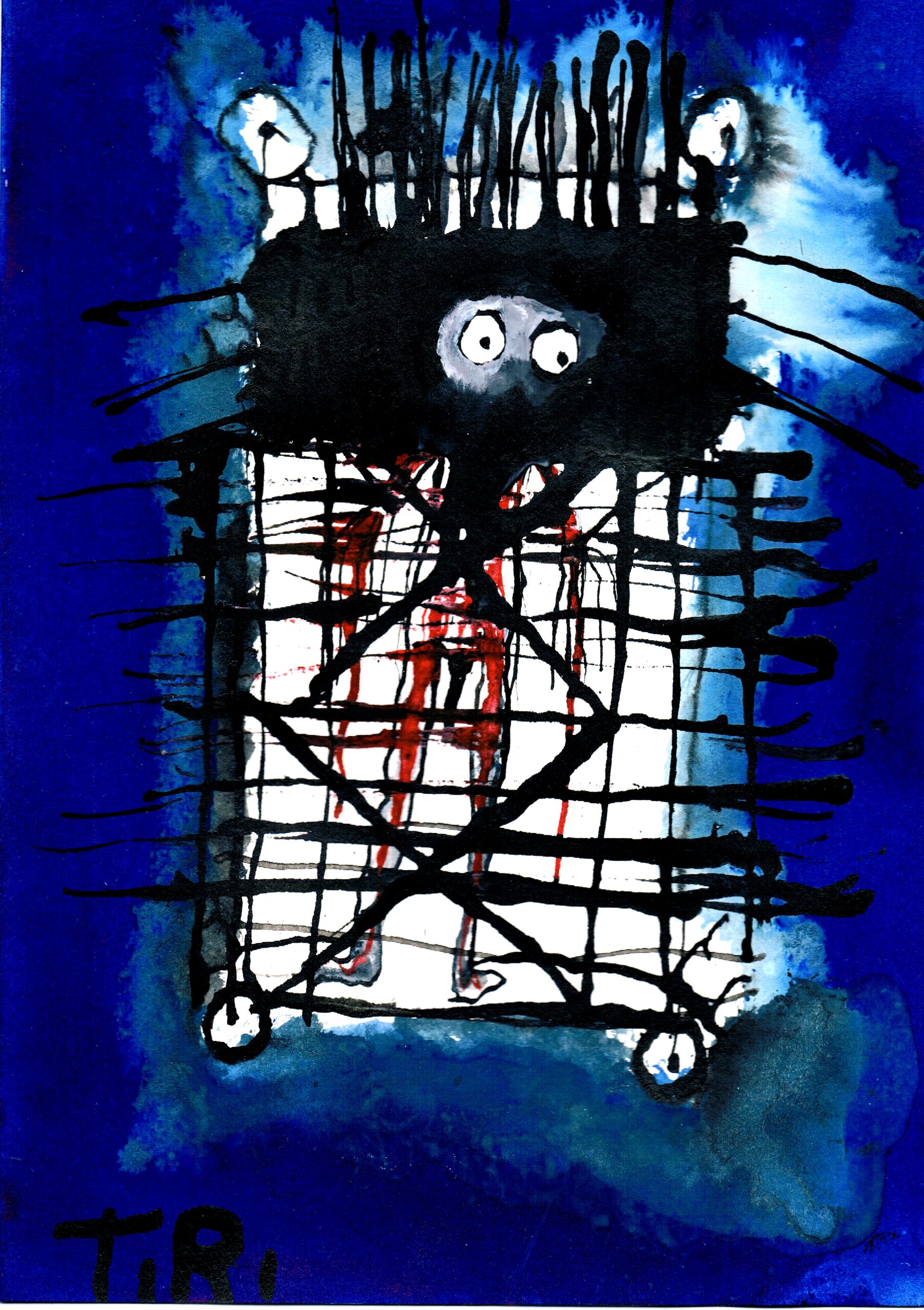
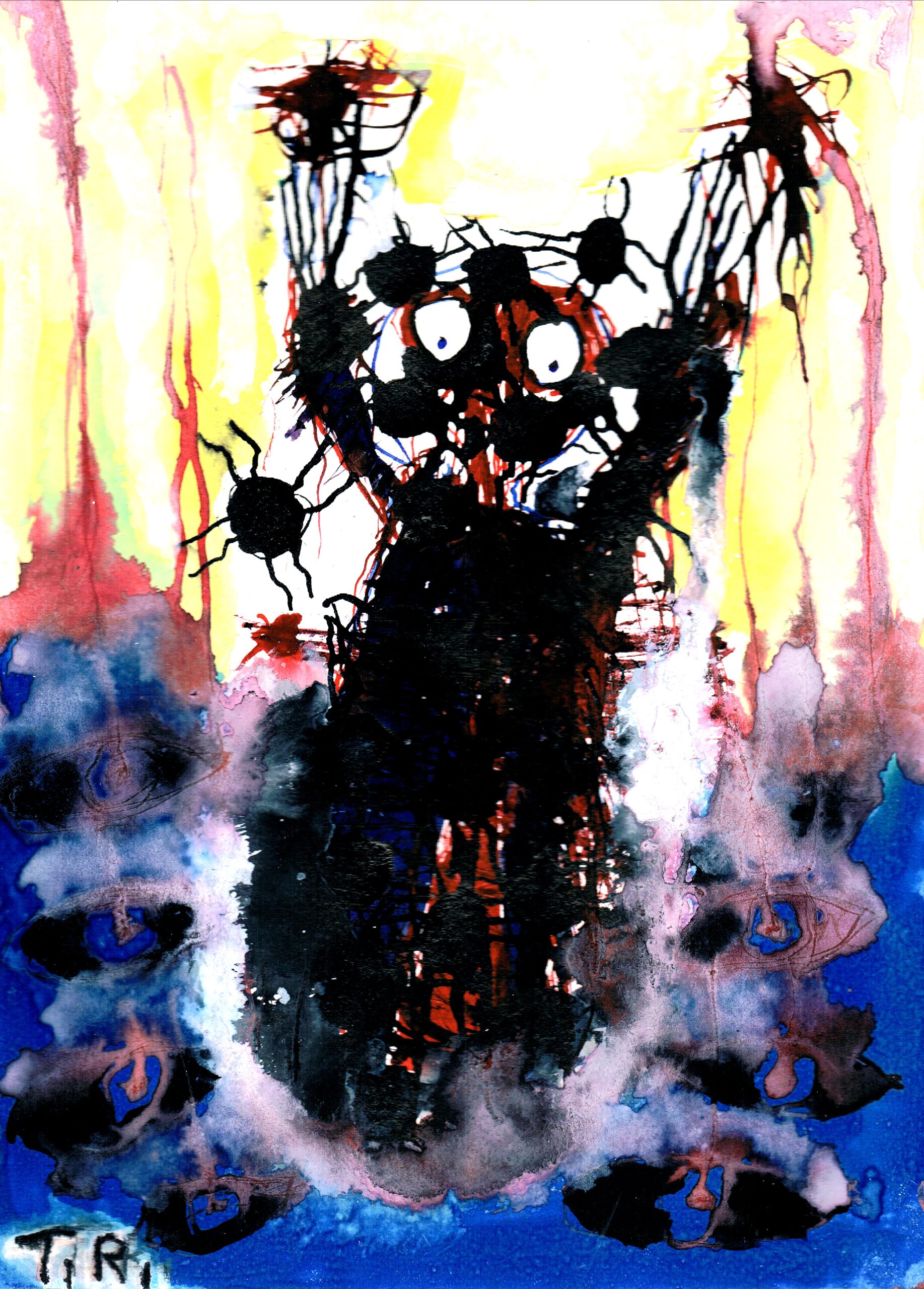
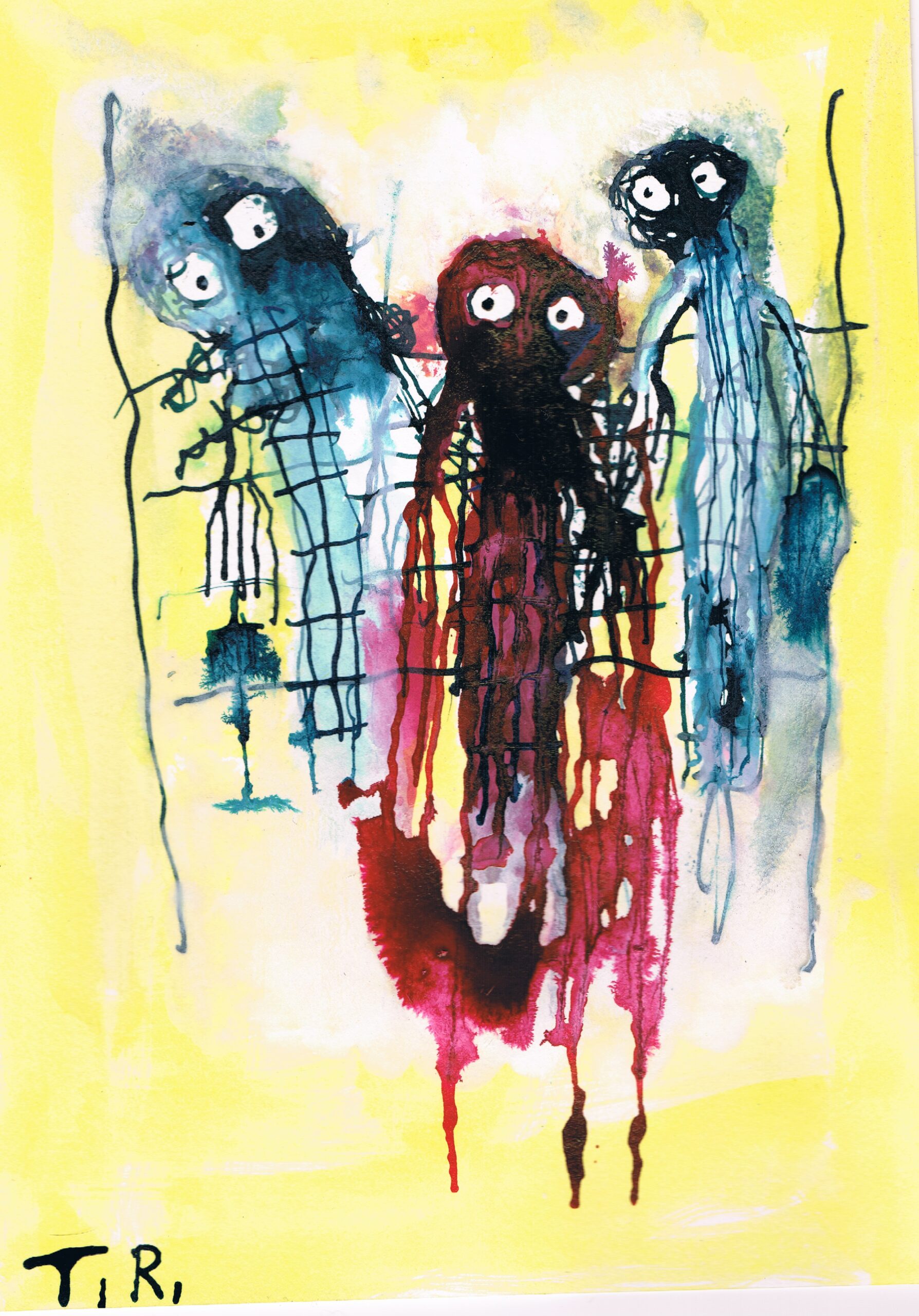
I was born in Leipzig in 1971 and I still live here today. Already in elementary school I often painted "abstract "instead of the given concrete drawing. I later retained this style or changed it to "abstract figuration." painted a lot at home, always without professional guidance, I didn't have any specific role models. When I start a picture, I only have a certain idea, but often something completely different emerges. I would describe myself as an outsiderart artist.

Width:30 cm
Length:41cm

All painted on Paper with ink

https://www.facebook.com/thomas.riesner.de
http://www.thomasriesner1.wordpress.com
Synchronized Chaos Mid-November 2022: Strength and Vulnerability
Welcome to November’s second issue of Synchronized Chaos Magazine!
First of all, we encourage you to come on out to Metamorphosis, our New Year’s Eve gathering and benefit show for the Revolutionary Association of Women of Afghanistan and Sacramento’s Take Back the Night. This will take place in downtown Davis, CA, at 2pm in the fellowship hall of Davis Lutheran Church (all are welcome, we’re simply using their room as a community space). 4pm Pacific time is midnight Greenwich Mean Time so we can count down to midnight.
The theme “Metamorphosis” refers to having people there from different generations to speak and read and learn from each other, challenging us to honor the wisdom of our parents and ancestors while incorporating the best of the world’s new ideas in a thoughtful “metamorphosis.” We’ve got comedian Nicole Eichenberg, musicians Avery Burke and Joseph Menke, and others on board as well as speakers from different generations.
Second, our friend and collaborator Rui Carvalho has announced our Nature Writing Contest for 2022. This is an invitation to submit poems and short stories related to trees, water, and nature conservation between now and the March 2023 deadline. More information and submission instructions here!
This month, our issue focuses on themes of strength and vulnerability.
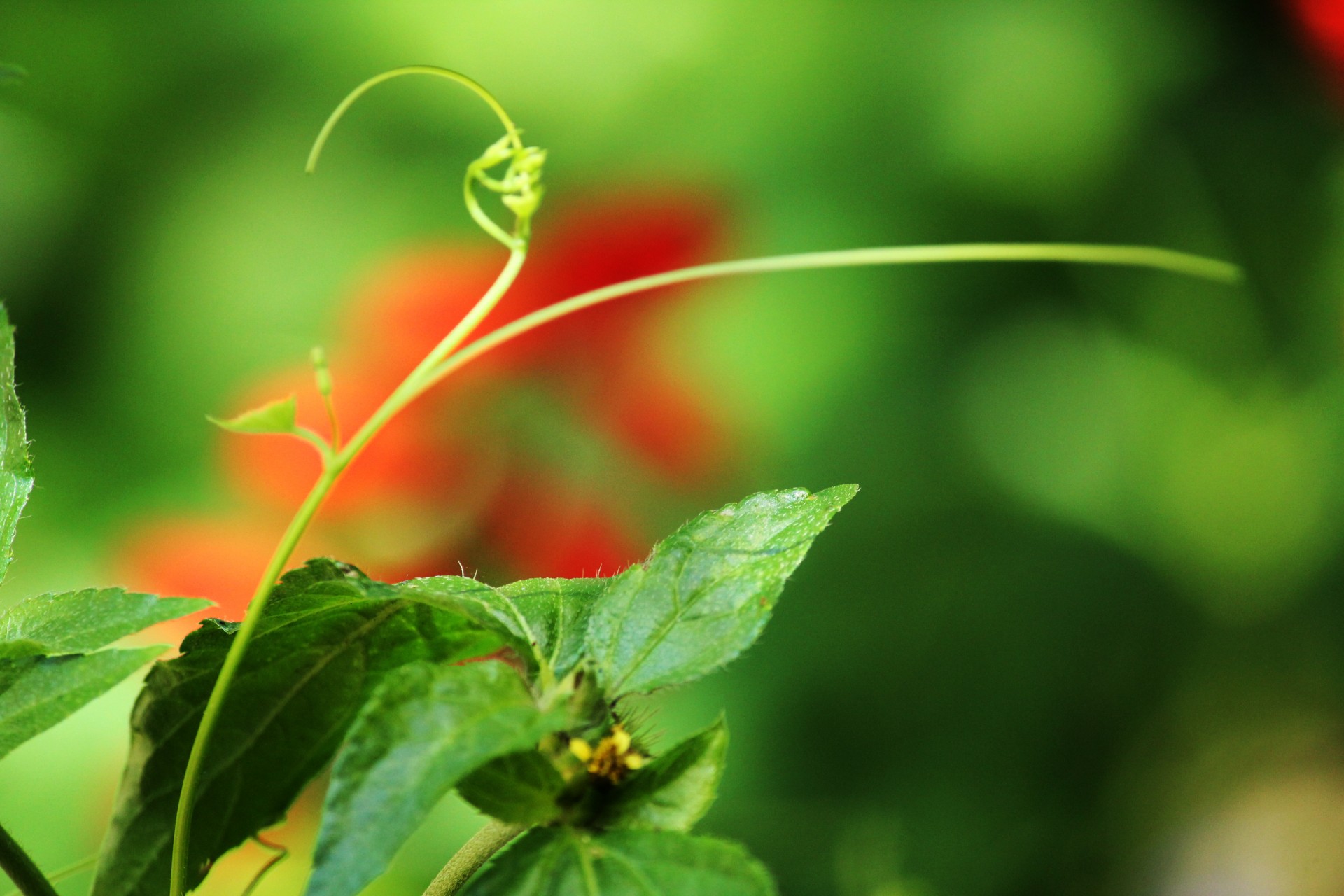
Sreya Sarkar’s piece exemplifies this theme, comparing women protesting for change in Iran to the tendrils of a vine. While tendrils may look weak, they can eventually tear apart greater structures and claim a space.
Many other contributors draw upon nature for inspiration.
Channie Greenberg photographs staircases in different locations, many of which are becoming overgrown and reclaimed by plant life. J.D. Nelson creates small poetic snapshots of natural scenes.
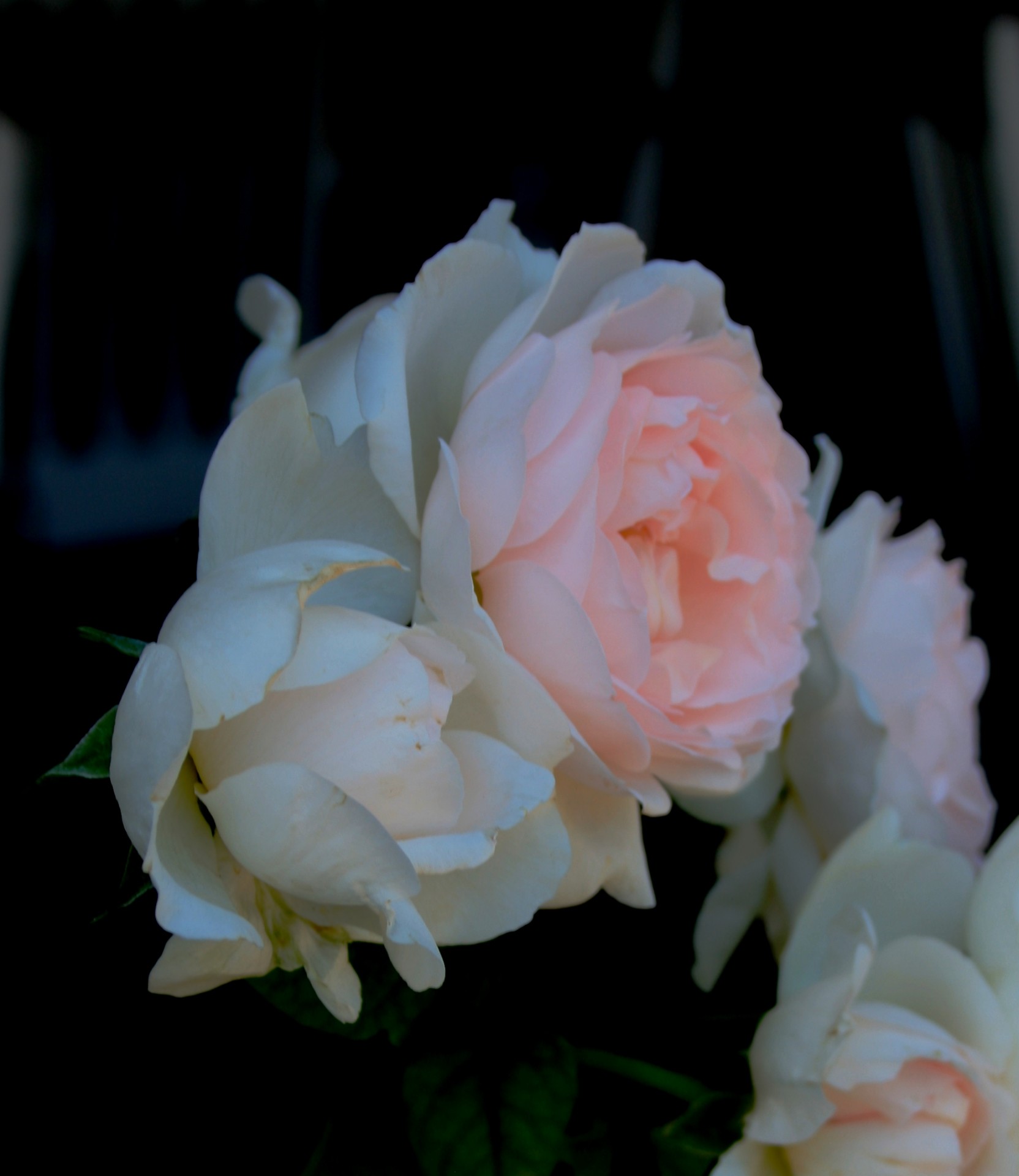
John Culp probes the nature of love and intimacy through sharing his feelings about a rose in a vase on his windowsill. Mesfakus Salahin plumbs the depths of human emotion and bodies of water. Debarati Sen poetizes about poetry through floral metaphors while observing the change of seasons into fall.
John Grey writes of love and nature and incorporates modern science and climate change into old style pastoral poetry. Jim Force interposes haiku onto photographs of cracks in the sidewalk, places where the vulnerability of physical materials shows through despite our intent in their construction.
J.D. DeHart writes of nature, virtual reality, and his quest to figure out who he is and how he can most effectively live as a teacher and mentor.
Other pieces are more fanciful, yet still touch on the complexities of our world and our natures.

Bill Tope depicts a wild acid trip in psychedelic detail, yet suggests the dreamer is aware is experience is unreal.
Alan Catlin looks to his mysterious and foreboding dreams for inspiration, recollecting a conversation with a recurrent personage. Fernando Sorrentino depicts a friendship between a researcher and a mythical animal, suggesting coexistence with nature.
Nathan Anderson mixes up characters and text on the screen for artistic effect. Christina Chin and Uchechukwu Onyedikam create a collaborative haiku set, playing off each other to build scenes of nature and human culture.
Daniel De Culla’s earthy, risque piece entertains with bawdy humor.
Some pieces address personal and historical grief, loss, and remembrance.

Andrew Cyril MacDonald evokes scenes of mausoleums in his work, structures fading into memory along with their occupants. Naziru Sulaiman mourns his recent ancestors lost to a war of aggression, bringing them back the only way he can, in poetry.
Santiago Burdon presents a brave child who uses logic to confront his parents’ prejudice against Jews. Bill Tope presents a scene of raw suffering in a Nazi concentration camp. Cora Tate relates a tragic tale of a community leader who sought peace only to die from law enforcement brutality.
J.J. Campbell’s poems portray stagnation and the long shadows of trauma. Santiago Burdon shows a drug abuser turning to substances to distract himself from the desolation caused by his addiction.
Chris Butler’s short story highlights the trauma of sexual violence. This act strikes hard enough at the personhood of both victim and perpetrator that it colors their views of everything in the world surrounding them.
Other writers look at the social, emotional and psychological ways we can struggle or find our power.
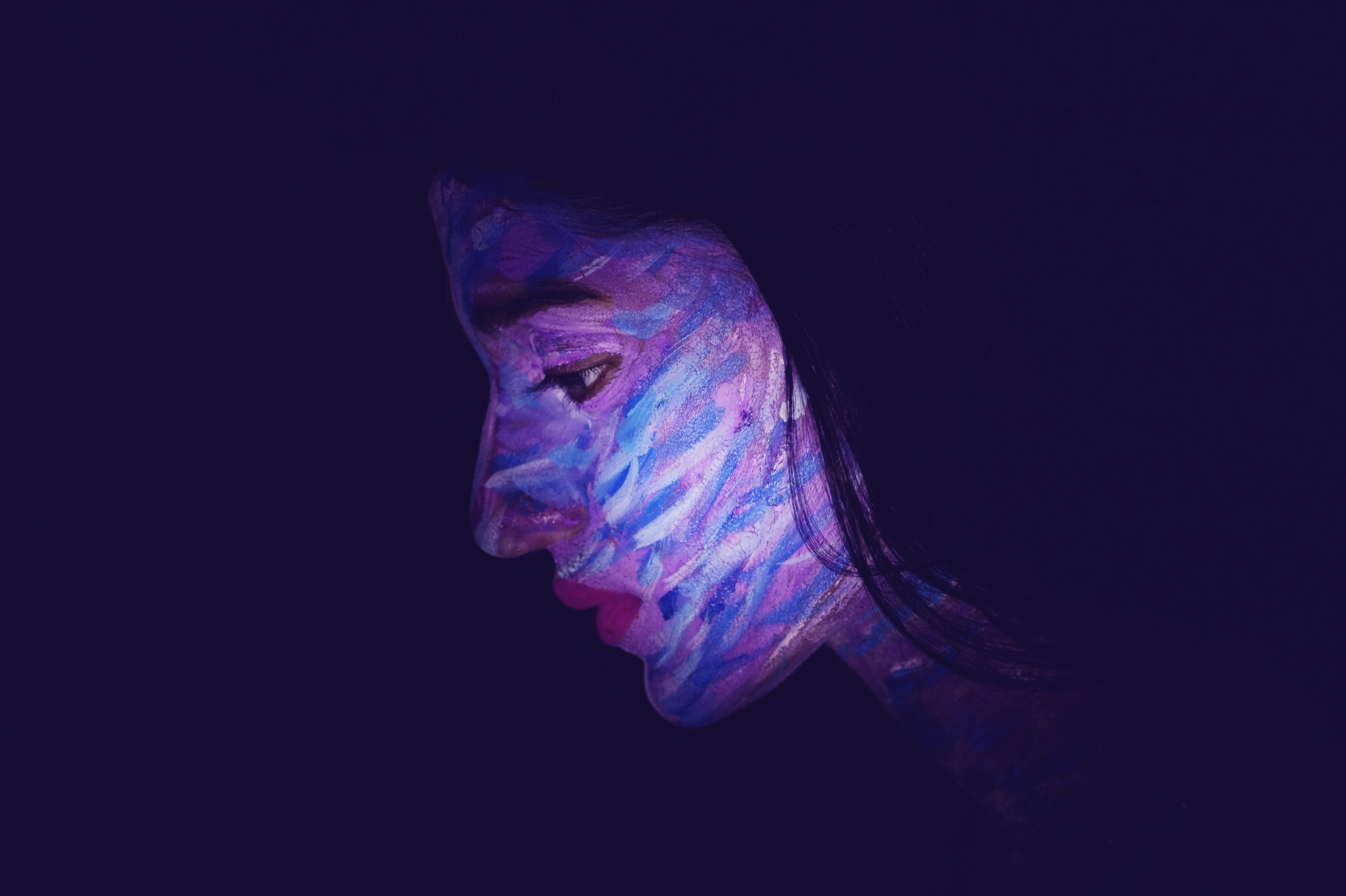
In another piece, Sayani Mukerjee explores the cultural mythos of women as simultaneously beautiful and dangerous in a modern way, using metaphors from human society along with the natural references.
Jaylan Salah critiques our harsh criticism and disgust for women in film or popular culture who have “issues” or public meltdowns. She suggests that feminism has tried so hard to make women appear confident and competent that it has become difficult for women to acknowledge the human weaknesses that make us all real people.
Oona Haskovec wrestles with the human tension between loving our bodies and wanting them to change. Lorelyn Arevalo’s sensual poems convey the physicality of emotion, whether love or self-hatred. Amirah Abdulrahman mourns the limits of poetry to express feelings and change reality.
Vyarka Kozareva illuminates the drama hidden within ordinary life: clothing, birthday parties, holiday decorations. Chimezie Ihekuna continues with his semimonthly Christmas countdown.
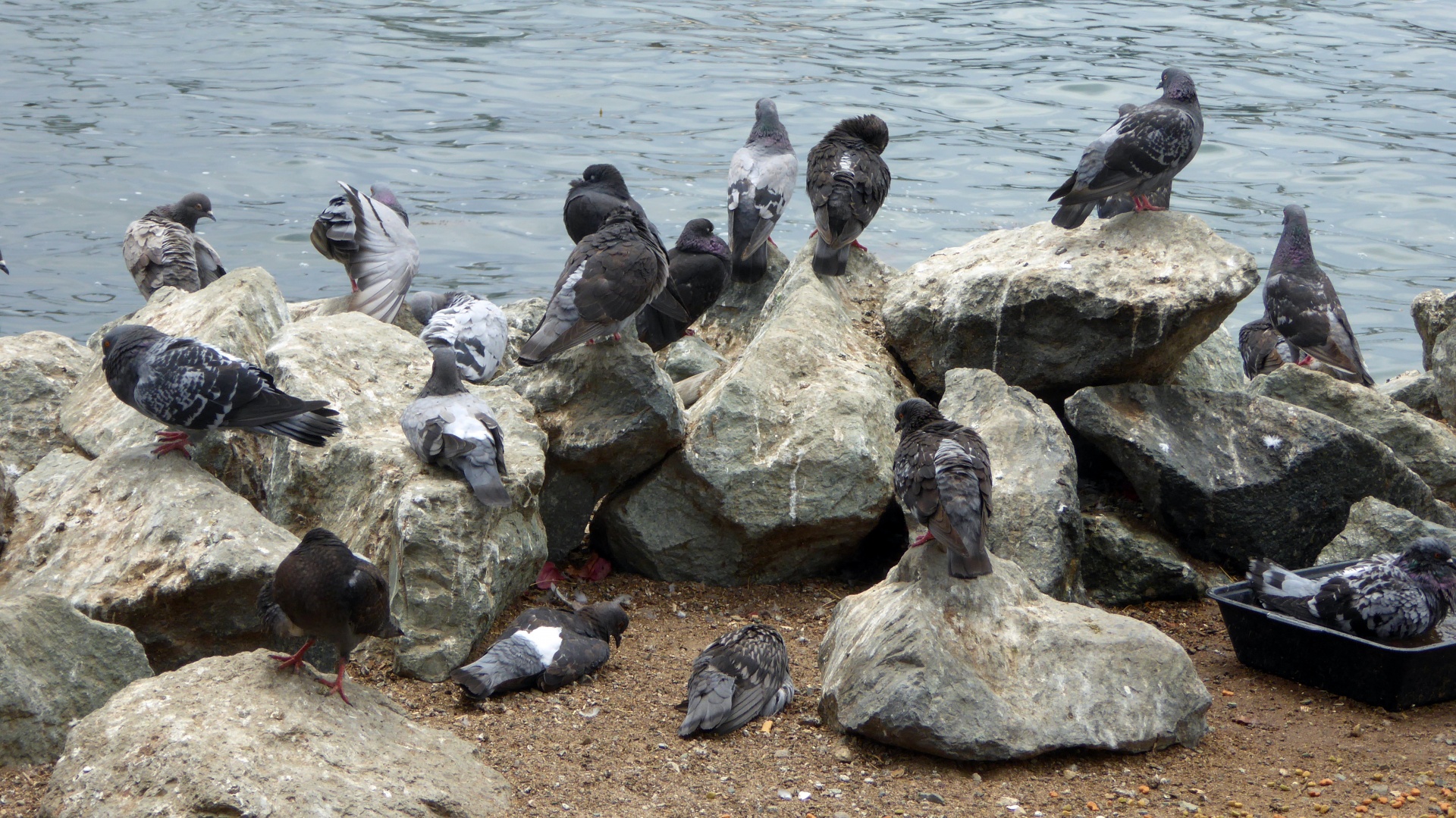
Chris Daly’s readable, humorous poems about workaday life, taxi driving, and pigeons in San Francisco also capture the everyday, this time as something to enjoy.
We hope this issue will be a source of reflection, growth, and pleasure now and in the weeks to come.
Poetry from Amirah Abdulrahman
AM NOT A POET

Don't call me a poet,
I cannot write the pain that flows through my veins
Nor draw the chains handcuffing my body

Don't call me a poet,
I'm afraid to use my blood as ink and my skin paper
Tangled in this life too
A slave to my emotions.
Afraid to let out my voice
which unwittingly quivers when I speak.

Don't call me a poet
Because I cannot make out words of letters
I therefore personify my sorrow
Though I pen my own story
I cannot give myself a happy ending

So, don't call me a poet.

Amirah Abdulrahman. (JAWAHIR'S PEN)