Poetry from Mickey Corrigan


 Florida Man Rampage 
 Florida Man 
 lives in the Keys
 listens to loud music
 alone.
 Florida Man 
 gets worked up
 to loud music
 alone.
 Florida Man 
 goes outside
 throws a stone
 guardian angel
 from the garden
 through the window
 of his house.
 Florida Man 
 stabs the tire
 of his car
 watches it go flat.
 Florida Man
 uproots 
 a for sale sign
 thrashes it 
 until it splinters,
 hits a metal mailbox 
 with the signpost
 until it crushes,
 crushes flat.
 Florida Man
 pauses, waits
 for the arrival
 of the local police.
 Music and masturbation
 he explains
 make him 
 feel like
 destroying stuff.
 Florida Man 
 goes to jail
 where there will be 
 more
 of what he already had
 at home
 alone.


 Florida Lawyer Disbarred For Harassing Law Firm
 Fresh out of law school 
 the new associate
 worked for six years
 before being let go.
 He could not let go.
 A restraining order 
 was filed.
 So he backed up 
 a Ford F250
 to the front entrance 
 to the firm
 yanked off the doors
 ran in and robbed
 his former office:
 a safe, a server, a key
 to the storage unit
 for two office chairs
 and an AR-15.
 He could not let go.
 So he created a website
 with the name of the firm,
 held shareholder meetings
 at 4 a.m.
 with the only other shareholder: 
 his twin brother. 
 This disbarred lawyer
 will not let go.
 
  
 Florida Man Arrested For Felony Theft Of 66 Rolls Of Toilet Paper
 I do my job, I clean the mess
 you leave behind not caring
 about hotel floors, hall carpets
 trash cans full of empties, full
 condoms, vomit in baggies
 roaches, chewed gum, crumbs
 and spills, I wash lobby floors
 your dirt, filth, germs that kill
 I want to stay home, my family
 needs food, medicine
 toilet paper
 ran out so I wheel a garbage can 
 out a back door
 with a Hefty full of rolls, roll
 them out to my work van, toss
 them in the back, fringe benefit
 hazard pay, it's just paper
 I clean up
 your mess 
 yet I get
 reported, arrested, charged
 with theft from a public lodging facility
 a third degree felony, man
 come on, what about the rooms
 full of cheating spouses
 boozers, drug boosters, liars
 the senators who made a killing
 on the stock market response
 to inside news and polls
 rise for men who shit gold,
 all I get 
 is more woe and no 
 decent place
 to go.
 
  
 Florida Man Selling Mansion Pays To Get Rid Of Buyer
 A Mediterranean style mansion 
 more than 20,000 square feet.
 She wanted to buy it, said
 she'd been looking for years.
 A home theater and 14 waterfalls
 on 16 wooded acres.
 She said she had the money
 proof of funds from a company
 that loaned her billions.
 Nine bedrooms, 13 baths, an entertainment wing
 a pub, poker room, music lounge.
 Said she'd pay $9.75 million 
 if he threw in
 the Jimi Hendrix guitar, 
 the Muhammad Ali gloves.
 A pool with a rope bridge
 a water slide, swim-up tiki bar.
 Days before closing
 she sued him
 so he couldn't sell
 to anyone else
 she had no funds
 a house in foreclosure
 a history of bankruptcies.
 He paid her $300K 
 to go away
 from the estate he'd built 
 as a luxurious respite
 from the stress of doing business
 in Florida:
 a sunny place
 for shady people. 

Originally from Boston, Mickey J. Corrigan writes tropical noir with a dark humor. Novels include the mystery pandemic tale Songs of the Maniacs (Salt Publishing, 2014), Project XX about a school shooting (Salt Publishing, 2017), and What I Did for Love, a spoof of Lolita (Bloodhound Books, 2019). The Physics of Grief puts the fun back in funerals while taking a serious look at the process of mourning (QuoScript, UK, 2021).
Poetry from Aloysius S. Harmon

ELEGY FOR MY OLD-TIME LOVER.___

you arrived in the rainy season, later came our kisses during the cold July nights
i remembered the rainy days
& the fire you lit in my body 
when you crawled into my chest making the joints in my bones restless in ecstasy.

our bodies, like the doorknob during a winter night .tight and cold- 
//
Starring at the image on the wall ,i remembered you left me a memory to cuddle one every morning; maybe with my tears spilling through my smile 
/then, in the autopsy that carried you in the dust/ & in the cloud where you are; or heaven that gets you close to God,
perhaps you will be back in the early sunrise; Outside my window, to paint the walls in my room with songs, like you used to.


Aloysius S. Harmon
Writer/ Poet
Monrovia, Liberia 

Synchronized Chaos July 2021: Small People, Vast Universe

Welcome all to July’s issue of Synchronized Chaos Magazine! This month the submissions highlight the wonder, danger, beauty and complexity of the world around us.

Anthony Vernon kicks us off with a short piece about a child’s awe at the night sky.

Hongri Yuan’s poetry, translated by Yuanbing Zhang, connects with a timeless imaginative world beyond Earth.

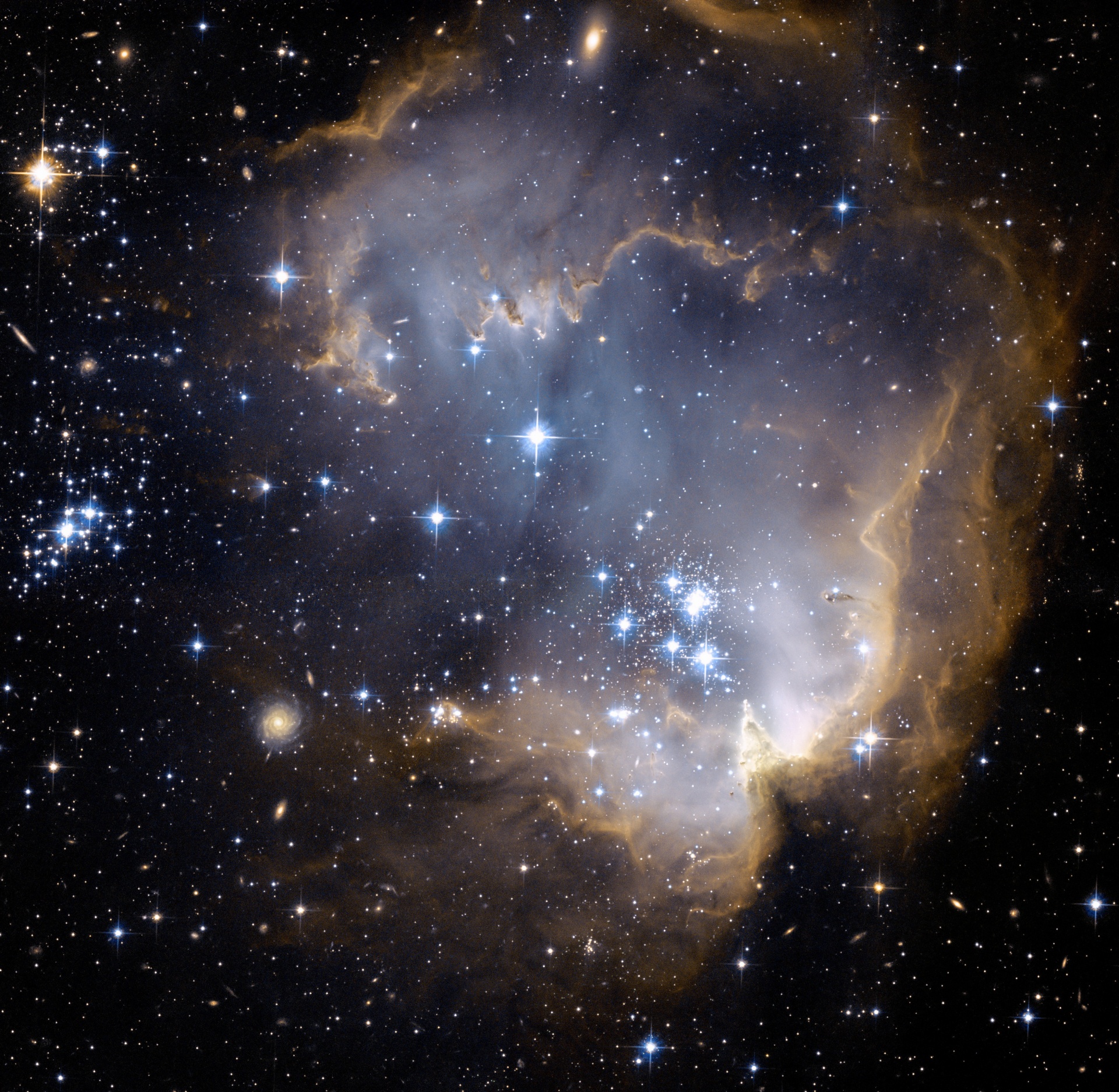
Dust, gas and stars against the black night sky.
Nebula (public domain stock photo) from the CC0 community https://www.publicdomainpictures.net/en/view-image.php?image=212714

Sushant Thapa looks to the sky, showing how all of us, homeless people included, are part of life on the same planet.

Jack Galmitz’ parable encourages ecological conservation while inviting us to consider how much thought and decision-making agency we imagine non-human life to have. Chimezie Ihekuna’s poem calls out both the precarity and the joy of living on Earth.

Marjorie Thelen ponders rural American life: being dwarfed and amazed by expanses of space and time, working hard to maintain one’s lifestyle, realities and stereotypes of the social climate, and the complex ways farmers and ranchers relate to the ecosystems and the animals they raise.

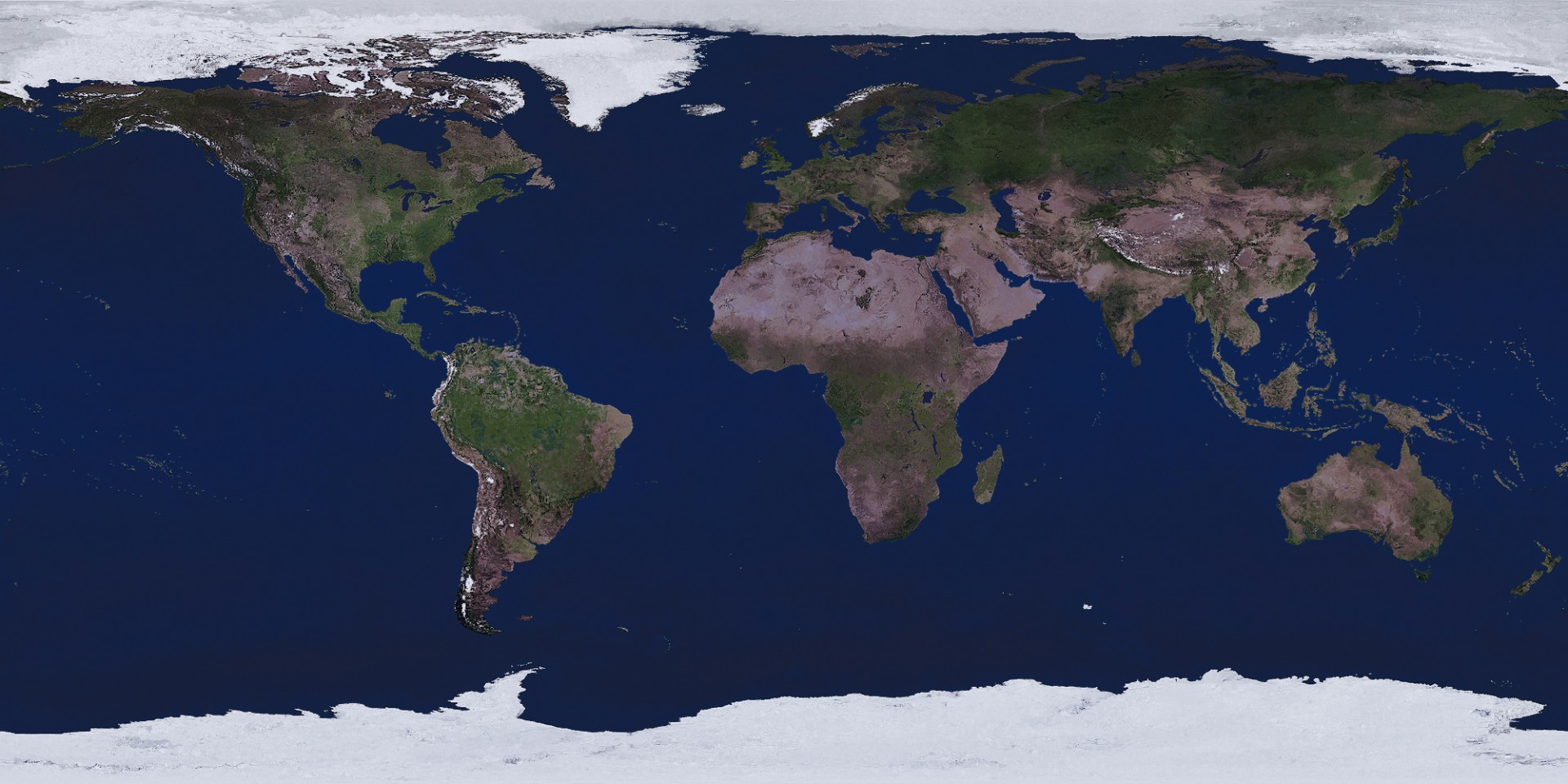
Physical map of our planet.
Public domain image from Dawn Hudson here: https://publicdomainpictures.net/en/view-image.php?image=86455

Lazlo Aranyi’s poetry evokes the ancient wisdom of the Tarot while Jaie Miller writes of dream states, memory and destiny. Alan Catlin drawn on both older and newer history and culture as metaphors for his stream of consciousness work.

Robert Thomas looks at WWII through his father’s experience as a bombardier and tail gunner. Steven Croft, a combat veteran himself, reflects on more recent armed conflicts from the point of view of ordinary soldiers and civilians, past and present. Susie Gharib poignantly demonstrates the effect of economic sanctions on civilians through pieces that combine reminiscence, grief, and nostalgic elegance.

Jeff Rasley depicts current conditions at Wounded Knee, South Dakota, a Sioux reservation where people work and honor their culture and eke out a living in creative ways despite extreme poverty. This is an excerpt from his upcoming book America’s Existential Crisis: Our Inherited Obligation to Native Americans.

Patricia Doyne contributes two poems on urgent American social issues: gun violence and the environment and climate change.

Mahjabeen Rafiuddin and Bianca Stewart both review Michael Robinson’s recently released poetry collection From Chains to Freedom, about the pain and resilience of the Black male experience in the US.

Various silhouetted people raise fists and march with signs.
Public domain image from this site: Reclaiming Social Justice – or Was There Ever Any in the WB-6? – The Berlin Process

Zara Miller explores the genesis and character arcs of villains and heroes. Frankie Laufer’s work also explores narrative, with an ode to the experience of reading, yet then shows how our emotions can outweigh the stories we tell ourselves about our relationships.

In the second installment of his Ph.D. thesis, Z.I. Mahmud probes Charles Dickens’ personal history and how it could have inspired parts of his novel David Copperfield.

Christopher Bernard also continues his Ghost Trolley story, heightening the adventure for ‘children and their adults.’

Ian Smith’s poetic speakers look out over panoramas of water and sand, remembering their books and travels. Kahlil Crawford’s piece follows a single man through a modern metropolis, showing his individual struggles and experiences participating in public art and culture.

Ivan Jenson writes of the inner loneliness and complex, shifting identity that can come as part of the human condition, while Abigail George recollects a past flame within a meditative piece on creative inspiration, family and romantic love, womanhood and mental health.

Terry Tierney reviews Virginia Aronson’s new poetry collection Hikikomori, about modern-day people in Japan who have chosen to withdraw from society out of feelings of inadequacy and shame, a preference for solitude, or a combination of those reasons.

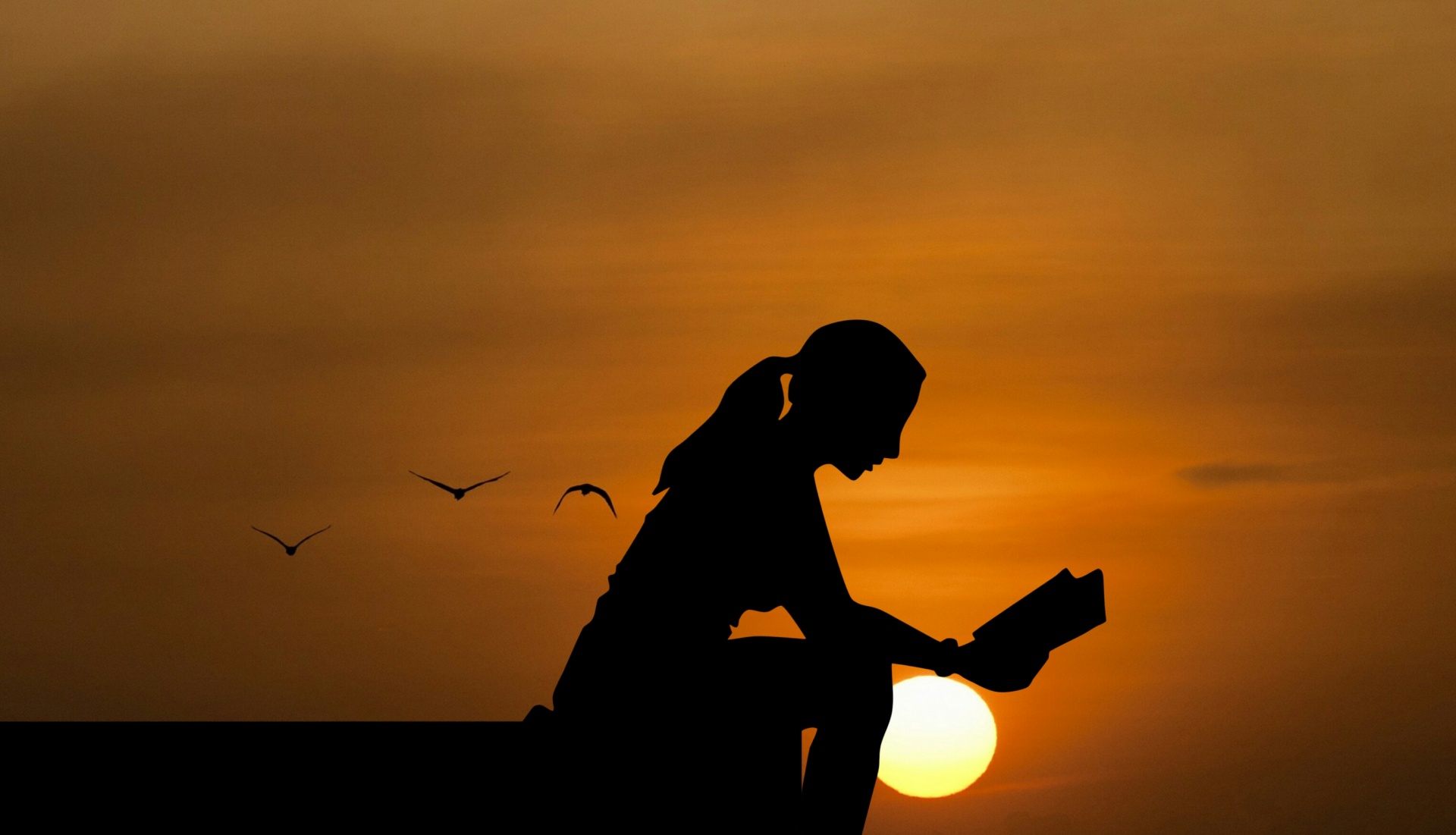
Silhouette of a woman reading on a pier at sunset or sunrise. She has a ponytail and her book in front of her. Seagulls fly behind her.
Woman reading, public domain image from Mohammed Mahmoud Hassan https://www.publicdomainpictures.net/en/view-image.php?image=264941

Anthony Ward describes the responsibility of jury duty, the heavy weight on his character’s conscience when he realizes that he isn’t sure about a life and death decision.

Mark Young’s visual art pieces harness contrast as an artistic device: vibrant and subtle colors, defined and fuzzy lines and shapes juxtaposed. He incorporates English words as a pictorial rather than a communicative element, encouraging us to see the letters themselves as part of the crafted picture.

The universe, even the world inside our own minds, can seem huge and overwhelming. Yet we each have a place here, and we can certainly assert that we belong and celebrate our joy when we find our place.

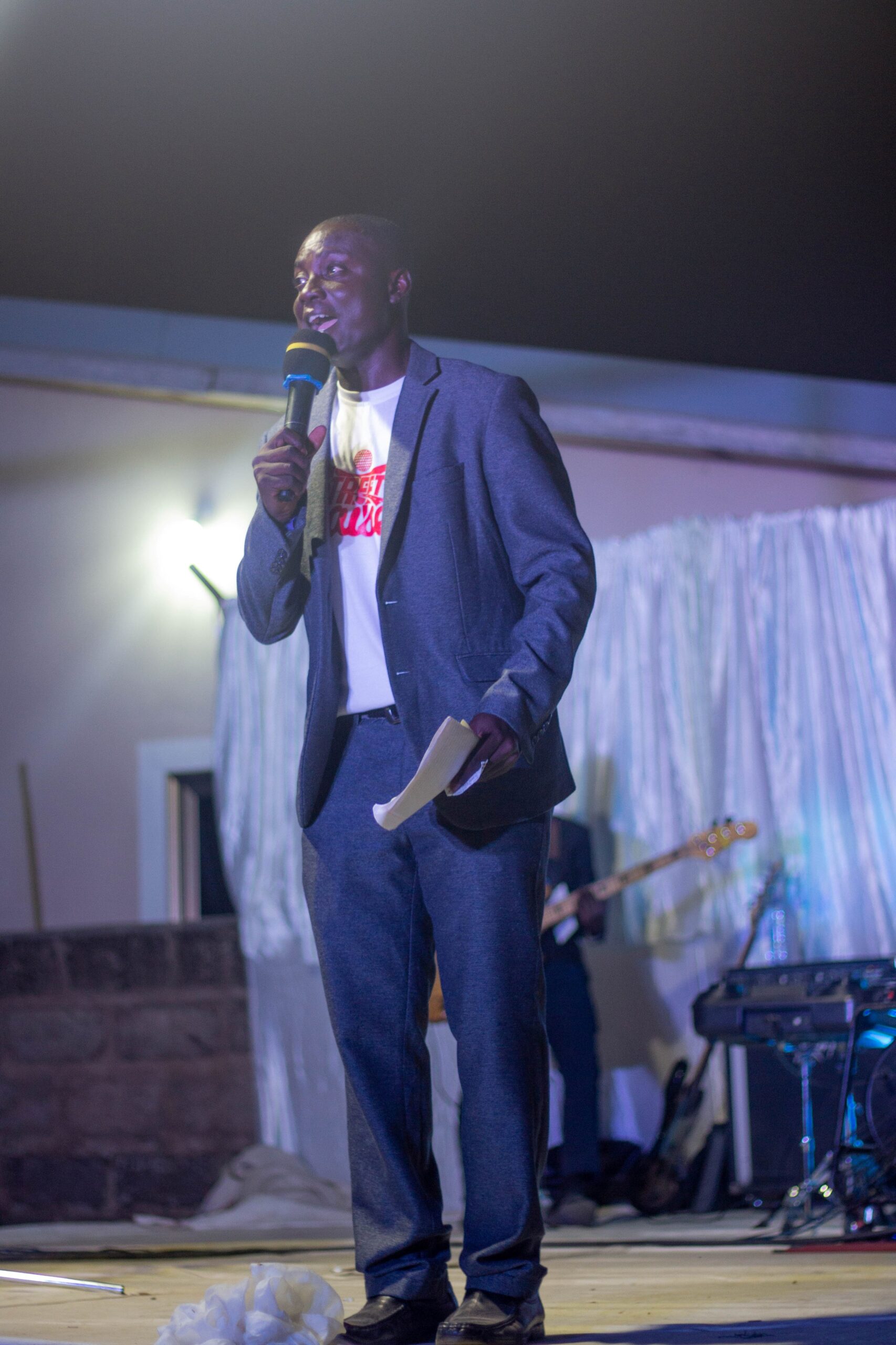
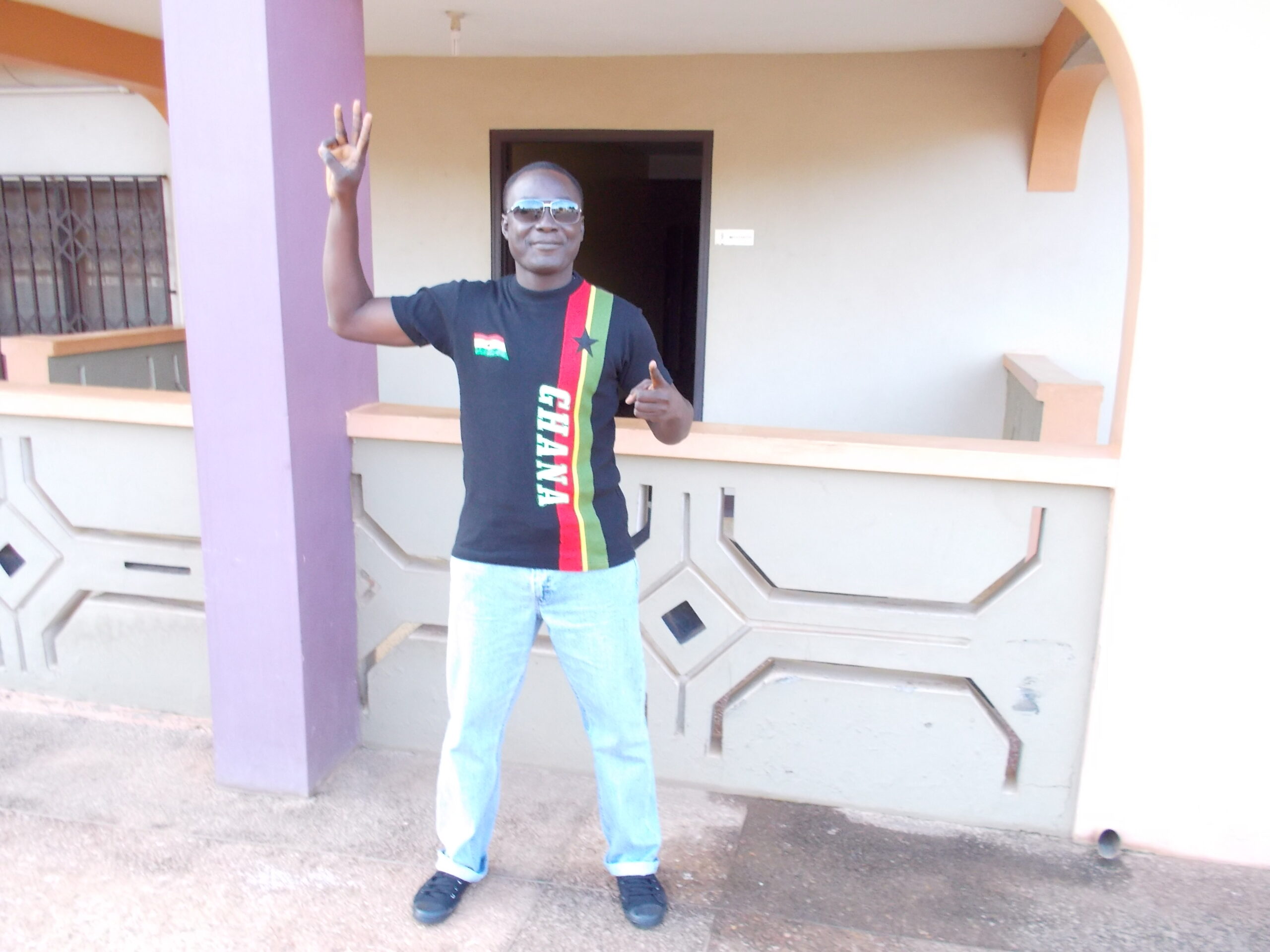
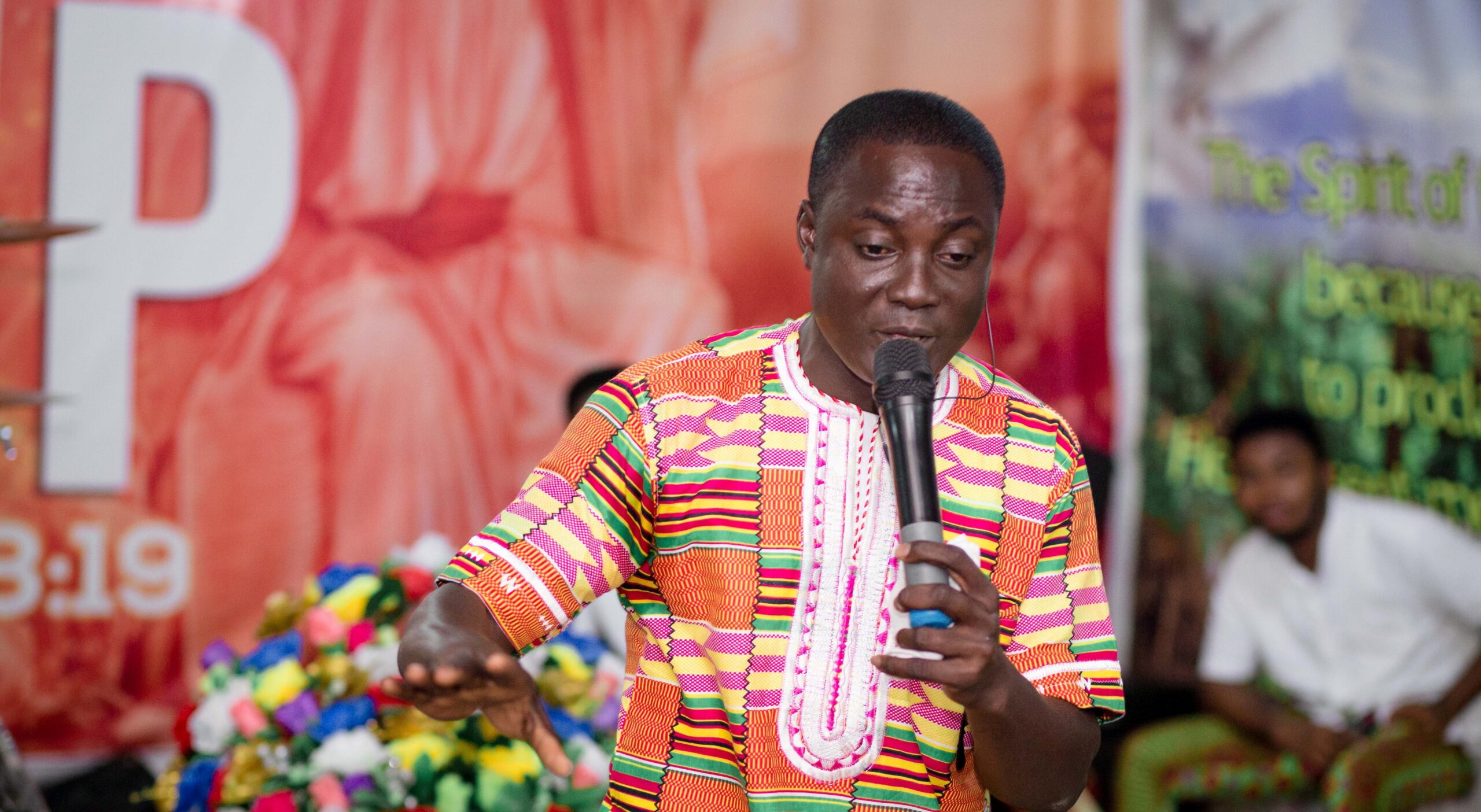
Ike Boat puts himself forward as a spoken word artist with a personal biography and several still shots of himself performing work in different styles. He also reviews Dennis Mann’s children’s book Mr. Pee Pee.

Sheryl Bize-Boutte crafts an unconventional love story, where two vastly different human beings recognize a common bond.

Person holds up a translucent blue puzzle piece up against city lights in the night sky.
Public domain image from Gerd Altmann: https://www.publicdomainpictures.net/en/view-image.php?image=370153

And our individual lives and choices can matter.

Mahbub’s pieces are poems of life, about a willingness to love and live in the world wherever we find ourselves.

Chimezie Ihekuna’s spotlighted screenplay One Man’s Deep Words focuses on a professor who finds his own intellectual and personal voice.

Sarita Sarvate sends an excerpt from her upcoming memoir Leaving the Cuckoo’s Nest, about leaving an arranged marriage and creating a new life for herself in a new country.

We hope that this issue will inspire you to seek out and find your own artistic and creative voice and to read and learn from the many ideas, cultures and values presented here.

Poetry from Steven Croft

 
 Sky Burial
  
 Soldiers all heard the stories, folklore of the shaped-
 charge monster, unbeatable IED, flipped an Abrams
 on its back, the fable goes, until it's like they're
 waiting for it, for today, for the sudden protean
 flower of sand and flame, what a second before
 was the lead vehicle -- now a rain of shrapnel
 against bulletproof glass of Humvees that follow,
 now a fiery-dark windstorm blowing up a desert floor.
  
 The long second where one's intake of breath stops
 for an under the breath "God," a place where you
 can only watch, in the long second before radio talk
 between vehicles, frantic security halt, bracing
 for secondary IEDs, possible complex attack, in
 that second I imagine three soldiers calm like yogis,
 shamayim all around in the sudden sky, I wonder
 is it a journey to nowhere -- in the long second.
  
 The recovery team, later, finds nothing, not a piece
 of skin, no bones, nothing to ship home, come back
 with a pretzel-shaped steering wheel they show
 to officers around camp.  And I think, these three
 are burned into the desert now, a Shroud of Turin,
 never going home – home, where a memorial service's
 beauty of flowers is nothing to say goodbye to –
 nothing to cling to but a folded flag.
  
 Home, where memory of a face, sound of a strong
 voice, are offered as a gift to eternity, grief stopping
 speech, silently -- the idea of a place where loved ones
 continue to be loved needed to let a heart keep beating,
 let lips open to mouth a silent "goodbye."


 Widow 
  
 One of the peaceful places in Kabul, outside
 the grounds around Embassy Row, an open
 stretch of grass, a few trees, and chalk-colored
 stones, was my convoy's frequent lunch stop,
 pulling the Humvees under the limbs of cedars.
  
 We'd eat the spicy lamb meat, rolled fajita-like
 in naan bread, then rolled up in the flowing script
 of a daily newspaper and bought by our interpreter
 from his street-vendor cousin, in the shade
 and sound of songbirds.
  
 The first day there I was glad to stop in this quiet,
 away from the ripe stone street channels of sewage,
 the congestion of busy markets and honking horns,
 past an Afghan checkpoint that kept out most traffic,
 but as Americans we could go anywhere,
  
 So, I watched the eager sergeant major who'd
 been commanding this Kabul patrol for two months
 unroll the food he was unafraid to eat, in this quiet
 of cedars, wondered if the paper's stories were Pashto
 or Dari, looked at the hazy mountains that ring the city,
  
 And at the woman in full blue burqa that billowed up
 in gusts of wind as she sat in the high green grass opposite
 the dirt road from us alone.  After a while the interpreter
 took a lamb bolani from the unrolled paper on the hood
 to her, and an arm appeared from the burqa to take it.
  
 So I asked who she was, and Hashem said she's a widow,
 her husband was an Afghan soldier killed in an outlying
 province.  The next day we fed her again, and I asked
 why she sat here, and Hashem said, "to beg."  The soldiers
 who patrolled let her stay because of her army husband.
  
 And the next day I wanted to ask where she went nights,
 but part of the purpose of lunch was the mission brief
 by the sergeant major for the rest of the day, so I just
 wondered as SGM Sanchez talked about itinerary
 and ammo counts,
  
 Imagining a mudbrick house where she was barely
 tolerated by relatives, driven out in the day to beg
 in her blue ghost costume, seen on every woman
 outside the city, but less so here in Kabul.  Every day
 for a month she was there.  One day she was gone.


 Late Friday Night at the VFW Bar
  
 When beers become gradients of time, gradually
 taking good-natured men at a corner table back
 like years from baseball scores and current politics,
 loosening stories from those lives that led them here,
 to the days when their hearts were full of darkness.
  
 An Iraq vet recalls firecracker sounds of small arms fire
 from windows, the flip flop clomping of tank treads
 as it pulled up and wound its turret, its round devouring
 a building's walls, turbaned men thrown like dolls, falling
 with collapsed masonry over the sandy street.
  
 A Vietnam vet tells of sudden ambush in a delta fertile
 with green trees and rice paddies, unloading magazines,
 afterwards finding his spent casing sprinkled over a buddy,
 and when he kneeled down to brush them off, saw
 his own reflection in his stilled friend's staring eyes.
  
 These are men who can conjure violent figures,
 in nightmare worlds where all options seem bad,
 where no parables are found that guarantee survival,
 only heroes that may have saved a buddy's life
 to die themselves in a mutilation of any happy ending.
  
 Last call, and they rise from their stories, glancing
 at the American flag tacked to the wall beside a reflective
 Michelob sign, and it gives some relief, some meaning
 as they head for the door under the red exit sign, outside
 to lead normal lives and keep terrible secrets.


 The Ironised Voice of the Soldier's Ghost, 500 Years
 After His Desertion
  
 "A skeleton was discovered with sword and knives under the old
 Dubingiai bridge in Lithuania's Lake Asveja. Scientists with Vilnius
 University examined the body and said that the person was male and
 died in the 16th century, though they don't yet know why he died."
 --November 12th, 2020
  
  
 I expected to lie down in battle by the bodies of men, the dark
 folding me as death already folded them.
  
 Bemused by the play of light on ripples I tripped awkwardly
 on the bridge, my inner eye looking for my heroic future.
  
 The shock of the cold water was like a klaxon cry as my armor sank me
 into this ethereal world.
  
 These five hundred years below water, only fishermen's boats appeared
 disappeared by day above in the distance.
  
 At night, well above me pinwheels of stars spun their ancient patterns,
 But in the gloom I never saw them.
  
 Mourner's eyes be pools of sorrow for loyal knights who die
 for the kingdom, unlike these eager eyes that now pick and measure.
  
 With what is left of me I tell you my pain was not in death or drowning
 but that no blow flies came to buzz and whisper:
  
 "You are dead on the field of battle" -- embarrassment my pain,
 like the water it still saturates me.


 June 4, 1937
  
 Picasso adds the last thing to Guernica
 a light bulb gives unity to chaos:
 bodies bend and bruise
 wrack and burn
 scream at the sky
 sword broken
 baby dead
 arms outstretched
  
 The highest figure the bull
 still on its feet
 tail floating
 like Luftwaffe
 in the sky above
  
 People forever trampled in firebomb winds
 of shrapnel, Basque victims
 of other people's wars
  
 A light stays on forever
 lest we forget


A US Army combat veteran, Steven Croft lives happily on a barrier island off the coast of Georgia on a property lush with vegetation and home to various species of birds and animals. His poems have appeared in Liquid Imagination, The Five-Two, Ariel Chart, Eunoia Review, Anti Heroin Chic, Synchronized Chaos, and other places, and have been nominated for the Pushcart Prize and Best of the Net. 

Photography from Ike Boat

Ike Boat

Professional Biography – Pro-Bio

Pro-Bio – Ike Boat #IB

Growing Up Story – GUS: His life, like the metamorphosis stage of an African butterfly going through lots of dramatic changes thought him tremendous things, both negatives and positives. It all started on the suburban street of Amanful Westin Takoradi, Western Region of Ghana where he mingled and entangled in a life-style some described as being ‘Gutter-Snipe’ or seemingly ‘Ghetto-like’. Thus, both lowly and highly cherished characteristics of a boy with futuristic ambitions in relation to his passion of every-day life. He’s a teenager with heart for reading, writing and reciting what he later termed as ‘Read Aloud Session – RAS’ for short. Thus, literally or meaning his solitary moment he picks a story book, newspaper or magazine and hides himself at a backyard or close-door to read aloud like communicating in front of audience coupled with gesticulation and sensation in an atmosphere of loneliness. Factually, learning new things and sharing ideas became his hall-mark.

Well, as the saying goes “All works and no play, makes jack a dull boy”, viz he sometimes played on sandy pitch football with some neighbors and subsequently played for his primary and junior secondary school football teams. Academically, he’s brilliant and good in lots of subjects hence won the hearts of head teachers to become school prefect in both primary and junior secondary levels respectively. Needless to say, ups and downs as well ‘Doubting Thomases’ of the hood never stopped or bothered him, as he focused in turning his passion to profession in the Arts global industry. LOL, one of his comical growing up character during his early child-hood days of life as a boy, he combined ‘Crying tears with bathing water’ often-times when he’s asked to bath and come for his meal. Well, if this were Scripture in the book of Psalms, I’ll state ‘Selah’ literally ‘Pause and Think’. So, this GUS happens to be a mixed bag of nostalgia about the Ike Boat chap as it brings to fore deeper things yet to come in his creative arts life-style.

Dr. Bianca Stewart reviews Michael Robinson’s poetry collection From Chains to Freedom

From Chains to Freedom: A Journey of Freedom for the Black Man

Review by Dr. Bianca Stewart, MD

Mr. Michael Robinson’s published work, “From Chains to Freedom: A Journey of Freedom for the Black Male” is a beautiful depiction of the intricacies of race relations that is effortlessly executed in Mr. Robinson’s distinguishable style. His work is provocative yet, delicate. As a black woman, his work is raw, unfiltered, and in so many ways, comforting. “From Chains to Freedom” takes the reader on a journey of the resilience of the African American race from the Mother Land to Jim Crow and to Modern America.

He draws inspiration from Langston Hughes’ “Suicide Note” in his “Seas of Freedom on the Horizon” where he articulates the torment of the slave trade and speaks of death not as an enemy but as an old friend — “In the sky ahead the horizon calls, Calling him by name each day they sail. On a night when the moon had receded, And all was sleeping, the sea took him in.”

“Beginning of Grief” and “Crosses for Black Men” recounts the trepidation of the Jim Crow era — remembering the “when the light of the burning cross casts a shadow” and how, even now, “Four hundred years later, a rope still waits…”

In spite of it all, “From Chains to Freedom” is work about peace and hope. In “Midnight with God,” Mr. Robinson reminds us that “A desire for freedom has not been banished from his invocations” and leaves us with a message of “Some Place Special” “…where the sun speaks to the moon, While the mountains listen to the wind’s singing…” “A shooting star streaks across the sky.”

From Chains to Freedom is available directly from Michael Robinson, please contact him at mjrobinson@rollins.edu

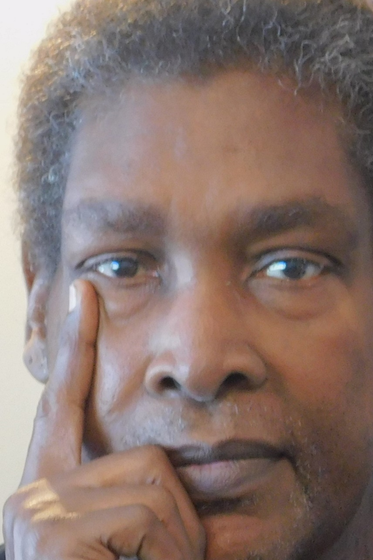
Middle aged Black man with short hair and brown eyes. He's got a hand on his chin and is facing the camera.
Poet Michael Robinson

Poetry from Patricia Doyne

FLAG  in the CROSS-FIRE                

(based on art by Andrew Kong Knight) 

Andrew Kong Knight’s work can be viewed here:

Social Commentary – Fine Art Painting – Andrew Kong Knight | Flickr

White stripes.  Red stripes.                  

Red blood drizzles down                       

on bystanders and gang-bangers,         

night clubbers and school kids.             

The right to bear arms.                    

“When they shot through our windows,”

says the seven-year-old,

“my Mom put me in the bath tub.

She said, ‘Keep your head down!’

I was okay,

but my cat’s ear got shot off.”

The right to bear arms.

In my own quiet neighborhood,

there was a rash of thefts—

from cars, from closets, from garages… 

Only one thing stolen:  guns.

Think of that–  most of my neighbors

own handguns, shotguns, or rifles…

Only one guy is a hunter.

Do they think the British are coming?

No. These days, it’s Columbine and drive-bys,

snipers in rush-hour traffic,

gang pay-backs, drug wars, shoot-first cops,

or psychos with assault rifles, and a grudge.

Red stripes.  White stripes.

Bullet holes punch through the flag,

and the flag bleeds.

Bleeds until the pursuit of happiness

becomes the pursuit of more prisons,

the pursuit of gated communities,

the pursuit of walls to keep out

those who are loud, needy, angry, or different.

Too often, happiness bleeds away…

leaving life and liberty

as empty as spent shells.  

Copyright 9/16  Patricia Doyne 


PROGRESS:  A  PLANET’S  PERSPECTIVE

 Our planet is home to disaster

 as well as grand leaps and smooth take-offs.

 Chains of plot-twists build to cataclysm:                    

  an errant comet wipes out dinosaurs;

  continents stretch out, split up, regroup;

  earth’s axis tilts, and ice age turns to furnace;

   volcanoes spit up islands, bury cities.

   Thunder and destruction, then rebirth.

   Our planet stages riotous mutations.

    Sea water creeps ashore on its own legs,

     breathing that noxious poison: oxygen.

     Soon life has many branches: some with roots;

     some with shells and backbones, even wings.

     The new world sings of progress:  bipeds rule.

     Brains congratulate themselves on ways

      to use the planet’s bounty, make it work.

      Fossil products fuel a billion engines.

      Charged particles empower telephones,

       then telemarketers and robocalls.

       The internet explodes with “likes” and hackers.

        Water becomes more valuable than bit-coin.

         As rainforests burn, we prize the air we breathe,

        and try to market trips to outer space.

         On our rich planet, labels are updated.

          Polyester?  Now “performance fabric.”

         Plastic shoes and handbags?   “Vegan leather.”

          Pesticides are sold as “high-yield sprays.”

           Designer food-crops?  Call them “GMO’s.”

            Even designer kids are now for sale.

           But we can’t spin some side-effects of progress.

            Countless species wiped out, habitats lost

             for profit.  Ice cap melts. The oceans rise.

            Climate warms.  The ozone layer thins.

            Wildfires rage. Groundwater drains.

             Pollution poisons water, soil, and air.

             Plastic fills up oceans and our cells.

             A murmur of compassion for the planet

             is drowned by shouts to keep stockholders happy.

             The worried few recycle, use less, save,

             buy wisely, limit waste.  But all these folks

             use gas to get to work.  Electric cars?

             Electricity’s developed in gas turbines.

             The fuel we burn for transport, heat and light,

             the steaks and burgers raised on cattle farms

             rebound and undercut our planet’s health.

             Greenhouse gases trap heat, hold it in,

              setting the timer for catastrophe.

              Our stewardship of earth has not gone well.

              Doomsayers rage and wrangle, casting blame.

              Yes, always there’s rebirth: a new age dawning.

              But what comes next may fill us with dismay.

              If Mars has water, was there ever life there?

              We’re sitting, right now, on the cusp of change.

              Glacially slow, the wheel begins to turn.

              Copyright 6/2021           Patricia Doyne