
Afterglow Theorem:
Let 1 equal you and 0 equal the void.

0 + 0 = 0
0 - 0 = 0

0 + 1 = 1
1 + 0 = 1
1 - 0 = 1

1 - 1 = 0
0 - 1 = -1

     Q.E.D.


Jazz Warmups:
Tortured yesterday means tortured today
only if you write it.

The more guttural the scream
the more intelligible.

Sam Shepard serving Nina Simone ice cubes
for her scotch: this is my thesis.

Oblivion obscurity christs still air—
everything's a target for revenge.

All heavens are alike
each hell's a hell its own way.

No one notices
a diamond among diamonds.
Splash in some horseshit.


Toro bravo:
I see a pair of ruby lips
I ignite.

My nostrils blast smoke.
I charge.

Hundreds of banderillas
regal me

yet I remain
standing.

Love, please—
if you won’t

deliver the final blow
let me.


Brooks Lindberg lives in the Pacific Northwest. His poems and antipoems appear in various publications. Links to his work can be found at brookslindberg.com.
Category Archives: CHAOS
Poetry from Christopher Bernard
The Singer in the Café

She stood, a tall half-child, thin as a breath,
a face as white as a cloud at noon,
a profile cut from polished shell.
I saw there was something strange in her eyes.

She bent over her guitar’s neck,
carefully picked out a form of sound
in which she placed her voice as far
as nearness is when love is found.

It was as though she had lost nothing.
Polite,
she did not insist. She offered free
what she had found in the warm night:

a thing as small as it was bright
in the forgotten light of her desire,
a shy truth tempered in
a dark fire.

At the end, she bowed, smiling radiantly
toward the rising waters of applause,
then, bending down, after a quiet pause,
from the floor, raised her white cane carefully.


Footprints in the Sand

On the rumpled beach
two perfect prints
where a little girl briefly stood,
with a hint of defiance
in the angle
of the delicate hollows
perfectly delineated among diminutive dunes
smeared like sandy paint
with a palette knife.
And then she dashed away.
But Robinson missed his Friday,
and I kick myself for my typical absent-mindedness.

They would have made a perfect photograph,
those small prints on the beach:
a poetic composition
rich with symbolic meaning
to frame and hang above a mantle
or in a discreet hallway.
But the only camera I brought
is the one that darkens this page.

I smell clam shells, ozone, wood fires.
I see beachcombers like scattered crumbs,
the evening turn the sun into woven glass.

And kick myself again
as I am immersed in the shadows of the night.

And I imagine her say,
that young girl where she pauses,
or perhaps she just thinks it:
How far does the horizon go
beyond the edge of the sea?
There, there I’ll go! . . .
before jetting off in her madcap
dash across the sand.
_____
Christopher Bernard is an award-winning poet, novelist and essayist. His collection The Socialist’s Garden of Verses won a PEN Oakland Josephine Miles Award and was named one of the “Top Indie Books of 2021” by Kirkus Reviews.
Poetry from Tohirova Husnova Nurillo
The Measure of Precision
In the realm where science meets the sky,
Where numbers dance and theories fly,
Metrology stands, a guide so true,
To measure the world in shades of blue.
It charts the stars, the time, the space,
With precision and a steady grace,
From quantum realms to cosmic light,
It seeks to capture the infinite’s might.
In every tick of time’s own hand,
In every grain of shifting sand,
Metrology’s lens, so sharp and clear,
Unveils the truths that we hold dear.
It measures moments, wide and small,
From towering heights to the ocean’s fall,
With instruments of steel and gold,
It tells the tales that science tells.
From temperature’s rise to pressure’s fall,
It gauges the earth, the sea, the sky’s enthrall,
In labs and fields, its quest unfolds,
The universe’s secrets, in its grasp, it holds.
With every gauge and every scale,
It weaves a tapestry that never fails,
To bridge the gap from thought to fact,
In a world where precision is an unbroken pact.
So here’s to metrology, so wise and grand,
With its compass guiding every hand,
In the dance of data, it leads the way,
Unraveling mysteries, day by day.
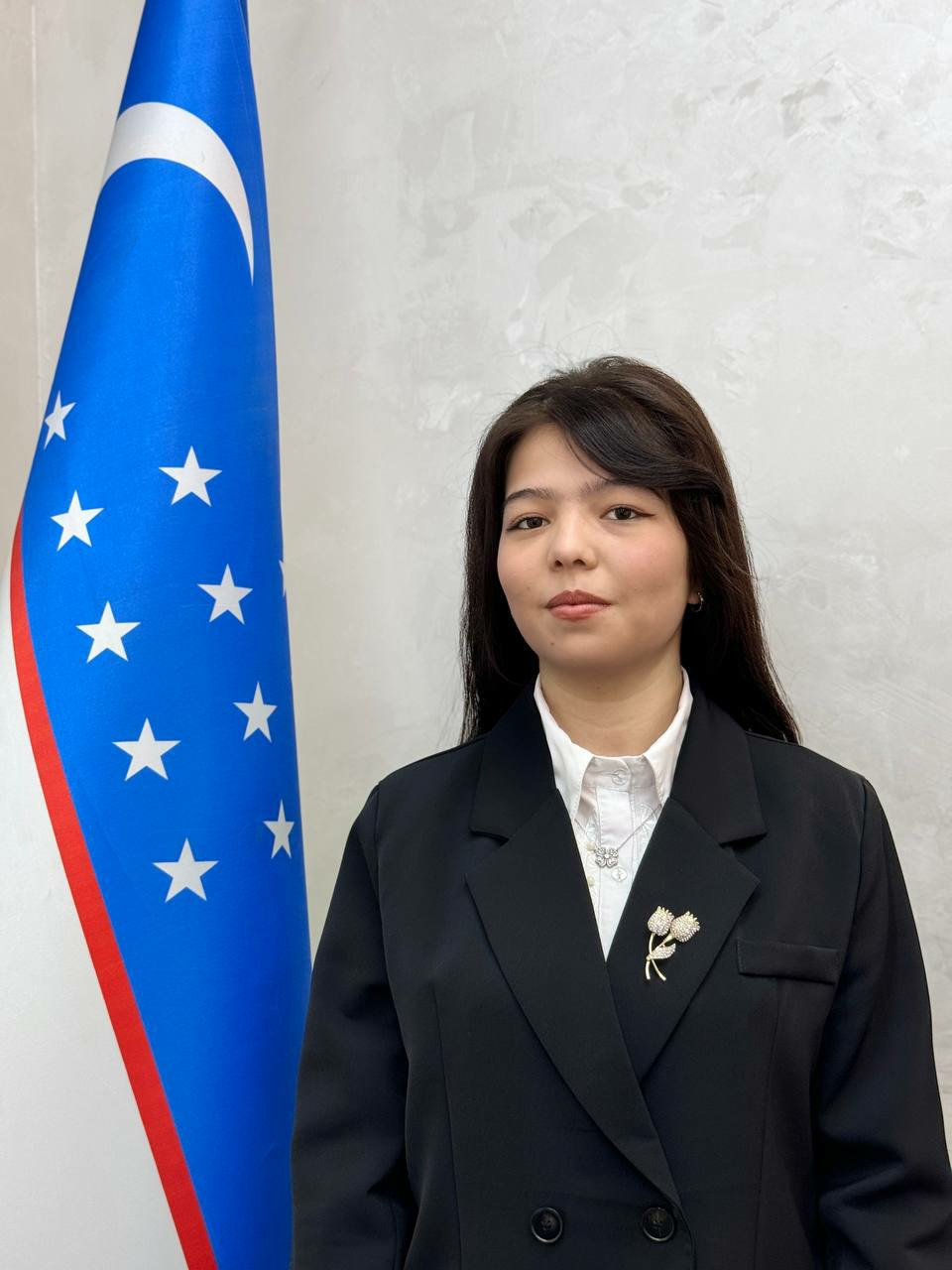
Tohirova Husnora Nurillo qizi was born on November 14, 2003, in Parkent district of Tashkent region. She is a third-year student at the Tashkent Textile and Light Industry Institute. She is a member of the XDP party, a leader of the Youth Academy, the author of 10 articles and theses, a winner of the “Golden Pen Award 2024,” and a recipient of the “M.A. Xadjinova Scholarship.”
Drama from Mykyta Ryzhykh
To be or not to be

Harry: Hey guys, did you hear what happened? They say people have locked themselves in their houses because of something called a virus.

Larry: Hmm, such a strange way to avoid us. I thought they just moved.

Bob: Perhaps they got too bored and decided to take an extended vacation inside their houses. I would also do this if I had houses.

Harry: Okay, enough about people. Let's discuss what we will do with this junk. There, there's a piece of pizza on the floor. Anyone hungry?

Larry: No, thanks. I recently had a hearty lunch of leftover sandwiches. But what about building yourself a “cockroach empire” here?

Bob: The idea makes sense. We can create our own state, where every cockroach will have the right to free food and housing.

Harry: Yes, and we can force all the grasshoppers to give us massages and the flies to clean up after us. This is what I mean by comfort!

Larry: What about our flag? We can make it from broken plates and broken tables.

Bob: Yeah, and our anthem will be heard from the noise we make as we trudge through the cafeteria. "Ta-ta-ta-crawling empire! Ta-ta-ta-crawling empire!"

Harry: Oh yeah, that sounds like a plan! And when we rule the world, we will forbid everyone to hide from us under our feet. Now we will rule over them!

Larry: And all our decisions will be made according to the cockroach principle. If at least two of us like something, then it will be the law!

Bob: And finally, we will announce the day when we will gather all the cockroaches in the world under our rule, and then we will finally be able to say that we are the true leaders of this planet!

Harry: Yes, we will be great and terrible! We will... um... some cockroaches with world-wide ambitions!

Olin: Hey guys, you won't believe what I just found out!

Harry: Well, what did you find out, Olin?

Olin: Humanity has disappeared!

Bob: What? Disappeared? Like this?

Olin: I've searched the entire kitchen, and there's not a single sign of people. They are not there, as if they never existed!

Larry: Good! Now no one will stop us from building our cockroach empire!

Harry: That's right, we're free! Now we can rule over this world as we want!

Olin: What if... what if they come back?

Bob: Let's not think about it. We are here now and we need to enjoy our time!

Harry: Olin, let's have fun! After all our efforts, we got this whole world!

Olin: But think about it, guys. What does this mean for us? We are building our empire on the ruins of human civilization, but what will happen when it faces reality?

Harry: What do you mean, Olin?

Olin: What I mean is that humanity disappeared, leaving behind only a destroyed world. We may inherit their place, but what will we inherit? Their mistakes, their shortcomings, their vices?

Bob: Well, if they disappeared, then they must not have been as perfect as they thought they were. We can do better!

Olin: But what if their disappearance is not just the end, but the beginning of a new era? We have witnessed the end of one civilization, but it is not guaranteed that we will become the architects of a new one.

Larry: You make it sound like it has some deep meaning, Olin. We are just cockroaches, what contribution can we make?

Olin: We can become memory keepers. We can study human history to avoid their mistakes. We can create a new world based on respect for nature, solidarity and wisdom.

Harry: But how can we do this? We're just cockroaches, crazy creatures running around on the floor.

Olin: Hey guys, have you ever thought about the meaning of our lives?

Harry: Of course, Olin. I always ask myself this question when I see a slice of pizza that I want to eat.

Larry: And I think about the meaning of life when I'm climbing walls and trying to find a new shelter.

Bob: I prefer to consider the question of the meaning of life while lying on my back and looking at the ceiling. Especially when it's covered in my footprints.

Harry: Maybe you should all shut up, I'm trying to think!

Larry: So what, you always have to think? Nobody cares about your thoughts, Harry!

Bob: Come on guys, calm down. We all need to cooperate to survive in this world.

Olin: Yes, idiots! Why can't you just work together like normal cockroaches?

Harry: Who are you to tell me, Olin? Do you think you're the best?

Larry: Calm down, Harry, you're not the only one here who has something to say!

Bob: Are we really going to have to listen to this circus every day? We must find a way to resolve our differences peacefully.

Olin: You're right, Bob. We're all in this together. Let's learn to respect each other and seek compromises.

Harry: Okay, maybe I went too far. Sorry guys. Let's look at all the options and choose the best course of action.

Larry: Yes, sorry, Harry. Let's make our cooperation more harmonious.

Bob: Great, guys. Now that we are on the same page again, let's find a way out of this situation together.

Harry: Hey guys, let's play a game of "Who said it?"

Larry: Cool idea! I am the first! "I've never eaten lunch out of a trash can."

Bob: It's Olin! He's always so picky with food.

Olin: Wrong, guys! It's you, Larry! Do you remember when you tried dumpster pizza last month?

Larry: Oh yeah, exactly! Okay, it's your turn. Who is next?

Harry: You know what, guys, I think it's time for us to end this game. The game is already starting to get boring.

Larry: I agree, Harry. This game is becoming more and more predictable.

Bob: Yes, and I'm no longer interested in guessing who said what. Maybe we should come up with something else for fun?

Olin: I completely agree. Let's come up with something new and exciting. We don't want to be bored, right?

Harry: Hey guys, what if I told you something? You'll never guess what it will be.

Larry: Well, Harry, let's hear your unexpected story.

Harry: You know, actually... We're all actually mice!

Bob: What?! This is impossible, Harry! We're cockroaches!

Olin: Wait, guys, maybe he's right. I remembered how I once accidentally found a bag of cheese and couldn’t figure out where it came from...

Harry: And so, I noticed that we all have tails and big ears, and we all run around in the dark so often...

Larry: But... but what about all our adventures and conversations? It can not be true!

Bob: What if this is all just part of our collective hallucination? We might just be rodents in a laboratory!

Olin: Anything is possible, guys... Damn, what's all the noise? Is there a cat sneaking here?

Director: Hello guys. Glad to see all of you.

Harry: Oh, hi John. What's happening?

Director: Well, I have to tell you something a little strange... Remember when we started experimenting with a new way of rendering characters?

Larry: Yes, of course. But what does this have to do with us?

Director: Well, you see, we used it on all of you.

Bob: What? So, we... we're not real cockroaches?

Director: Of course, all of you are real actors. And the performance was so realistic that I forgot that you were playing the roles of cockroaches.

Olin: So what is this place? We were sure that this was our refuge.

Director: Actually, it's a scene. We built it specifically. And all of you have been used here for many years in our productions.

Harry: So we were on stage the whole time?

Director: Exactly. And I must say that you played your roles perfectly, Harry.

Larry: It's... it's a little strange, but also surprising at the same time.

Bob: So all our adventures, our struggle to survive... it was all just part of the show?

Director: Right. And I want to say that you all did a great job, Bob. Your acting was so realistic that even I began to believe that you were cockroaches.

Olin: Well, it was still a fun study in the end.

Director: So, what do you think, do you want to continue playing your roles or maybe move on to something new?

The cockroaches exchanged glances before one of them replied with a smile:

Harry: Let's continue playing. But this time, let's add even more drama and action. I am confident that we will be able to impress the audience even more.

Director: Wonderful! Then let's start rehearsing the new act. And remember, now the adventure is just beginning!
Excerpt from Regina Lawless’ book Do You
Ripping Off the Band-Aid

Remember the roller coaster of emotions you felt as a kid when you fell off your bike or did something else to earn yourself a scrape wor- thy of a Band-Aid? I remember falling off my bike and skinning my knee more than once as a child.

At first, I felt the rush of pain as my knee hit the gravel, followed by the burn of peroxide once my mom began to patch me up with her first aid kit. Then, after we both blew on it, I felt the cool relief of the Neosporin and a Band-Aid to protect the wound so it could begin to heal.

In some ways, grief was like skinning my knee. After the initial pain and shock, I covered up the wound after the funeral with pleas- antries and a return to daily life in an attempt to heal. But just like wearing a Band-Aid, at some point, you need to rip that thing off and expose your wound to the air so it can finally scab over and fully heal. I had been dealing with my grief on a surface level up to that point, only allowing myself to know the depths of my heartache. It was finally time to excavate my sorrow and bring my pain to the light. I decided to join the Young Widows Grief Writing Workshop and braced myself for the necessary healing that only spilling my emotional guts could bring.

Our group’s first virtual meeting was on November 8, 2021. Five of us shell-shocked widows assembled on Zoom, and Joan quickly introduced herself and explained how each session would work. We would start with a short poem or writing excerpt and then be given
about twenty minutes to write how we felt about the writing, followed by each person sharing what they had written with the group.

Before Joan gave us the writing prompt, she asked each of us to introduce ourselves. It was awkward enough to meet for the first time online. Add the fact that each of us had lost our spouse within the last year, and you could cut the anxiety with a knife. Thankfully Joan had run these groups for a while and did a wonderful job holding space, including silence, for us to begin to open up.

The introductions were as painful an ordeal as you would expect. All five of us widows were in our forties, and each of us had kids. In comparison, I felt lucky only having one child who was now a teen- ager versus the other women struggling to piece together their lives while also caring for one or more children under the age of twelve.

Even though my situation was slightly different, for the first time since Al died, I felt truly seen and understood. Some of the women had a spouse die from illness, having to experience the added pain of watching their husband suffer for months before passing away. A couple of the women were like me, having their significant other stolen in an instant.

After our round of introductions, it was time to complete the writing prompt. The assignment was deceivingly simple. Joan asked us to free write for twenty minutes, using the phrase “This grief is ”
followed by a description of our feelings. I grabbed my purple-and- gold embossed journal and proceeded to bare my soul. Oh boy, here goes nothing . . .

This grief is debilitating.
This grief is insidious. It seeps into every thought, every move, and every breath in my lungs.
This grief is selfish. It won’t allow me to take my mind off it and comes back with a vengeance at the slightest hint of joy.
This grief is sad. More sad than I’ve ever felt in my life, and

I’m scared to feel this way for the rest of my life, but I’m terrified to let it go.

This grief is lonely. I don’t know how to connect with others sometimes because they don’t understand the magnitude of my loss. This grief is haunting. It fills my nights with thoughts of him.
With longing and regrets and desires to wind back time to have our love all over again.
This grief is awful. It sucks the life out of you and makes you wish you were dead.

This grief is a part of me. Like a scar I’ll never get rid of or a wound that won’t fully heal.
This grief is surprising in its depth and complexity, and magnitude. It swallows anyone and anything in its path.
This grief is special because it’s shaped by the love I had for him.
That’s why I cling to the grief some days in remembrance of him.
This grief is necessary to honor my pain and my experience. I need this grief if I ever hope to deal with the terrible thing that happened to me and my son.

This grief is confusing. Some days I can talk about Al and laugh, and other times if I catch a glimpse of his picture out of the corner of my eye, I’m enveloped in tears.
This grief is strange that way. No rhyme or reason. No predict- able pattern or warning. It’s just raw, primal emotion of a love lost and a heart broken in two.
What comes of this grief? I hear it wanes over time, but at this stage, I’m skeptical if it’ll ever go away.

I looked up from my journal after reading my piece to the group and was instantly comforted by the all-knowing eyes of other women who also had been thrust into the rotten club of widowhood.
For the next twelve weeks, I showed up to our grief writing group faithfully. Some days I dreaded attending because I knew during the
session the pain of my own loss and the loss of the other women in the group was inescapable. The fact that my grief was inescapable in these meetings was the unexpected gateway to my healing.

Poetry from Bruce Roberts
I Dare You!
The challenge,
Spoke my cousin,
Is for me, a practiced poet,
To write a positive poem
About Trump.
“Huh?” I gasped,
Write something positive
About the pathological liar?
The lifelong crook?
The egotistical egotist?
The defiler of our democracy?
Hmmmm!
But then it dawned on me—
I never liked George Bush,
But when compared with Trump,
He seems a shining star.
So thank-you, Donald.
You are so bad,
You made even Bush seem good.
THE LAST ELECTION
When Trump speaks to crowds of Christians,
He claims to be a Christian,
Because apparently he thinks
They’re dumb enough to believe him.
HUH? BELIEVE HIM?
Believe the nonstop liar?
The universe’s most immoral citizen?
He who follows Hitler’s theory
Of THE BIG LIE—
The bigger the lie, the more you tell it,
The more your audience
Will believe you!
So he’s promised gullible
Christians
If they vote for him,
It will be their last election,
Their last need to vote—
EVER!
Now for those who find it hard
To drag themselves to the voting booth,
This may sound good!
But for anyone with a brain,
The implication explodes
Into HUGE letters
that dominate the sky
like July 4th fireworks:
HE’S PLANNING NEVER TO LEAVE OFFICE;
HE WANTS TO BE
A DICTATOR!
Believers in a moral man
Who gave his life for his people
Need to understand this!
That just might change their vote!
Synchronized Chaos’ Second July Issue: Like a Flowing River

Our regular contributor, prose writer Jim Meirose, invites Synchronized Chaos readers to review his two upcoming books. He will send PDFs to people who will provide at least 50-75 word blurbs in their blogs or on Amazon/Goodreads.
About his books:
Audio Bookies (Being published by LJMcD Communications) – Audio book creators take on recording a book which begins absorbing them into its bizarre fictional world.
Game 5 (Being published by Soyos Books) – Very experimental piece involving the efforts of residents to rejuvenate a community in decline.
************************************
Now, for this month’s issue, Like a Flowing River.
This month’s contributions reflect how life may have ups and downs, smooth and rough patches, but mostly just keeps going.
Mahkamov Mahmudjan’s piece gives us our title. Mahkamov reminds us that life is like a flowing river, where we have influence but don’t control everything.

Jessica Barnabas Joseph reminds us that becoming who we are can be a journey. Mashhura Ziyovaddinova illustrates that the journey of life matters as much as our destinations. Wazed Abdullah presents a rhythmical ode to the constant ticking of time.
Alex Johnson’s poetry collection Flowers of Doom, reviewed by Cristina Deptula, explores times of change with a mixture of awe and repulsion.
Hillol Ray describes the stability and comfort he finds in his personal and intimate spirituality and how it’s developed and informed by his mixed-race heritage. Michael Robinson speaks to the solace he has found in his faith over many years. Stephen Jarrell Williams’ work addresses being lost and found again through faith and the love of family.
Muslima Rakhmonova reflects on the support and encouragement she receives from her family and on how families can both keep children secure and empower them to build their futures. Abdamutova Shahinabonu’s short story reflects the deep love and respect between fathers and their children, even as the children become young adults and leave to pursue their dreams.
Rizwan Islam evokes the joyful spirit of family celebrations of his birthday. Nigar Nurulla Khalilova offers up a son’s lament over separation from his mother. Habibullayeva Madinabonu grieves over the passing of her mother. Abrieva Umida expresses deep respect and caring for her mother. Amimova Zebiniso rejoices in the love of her family. O’roqboyeva O’roloy G’ulomovna expresses her tender love for her mother.
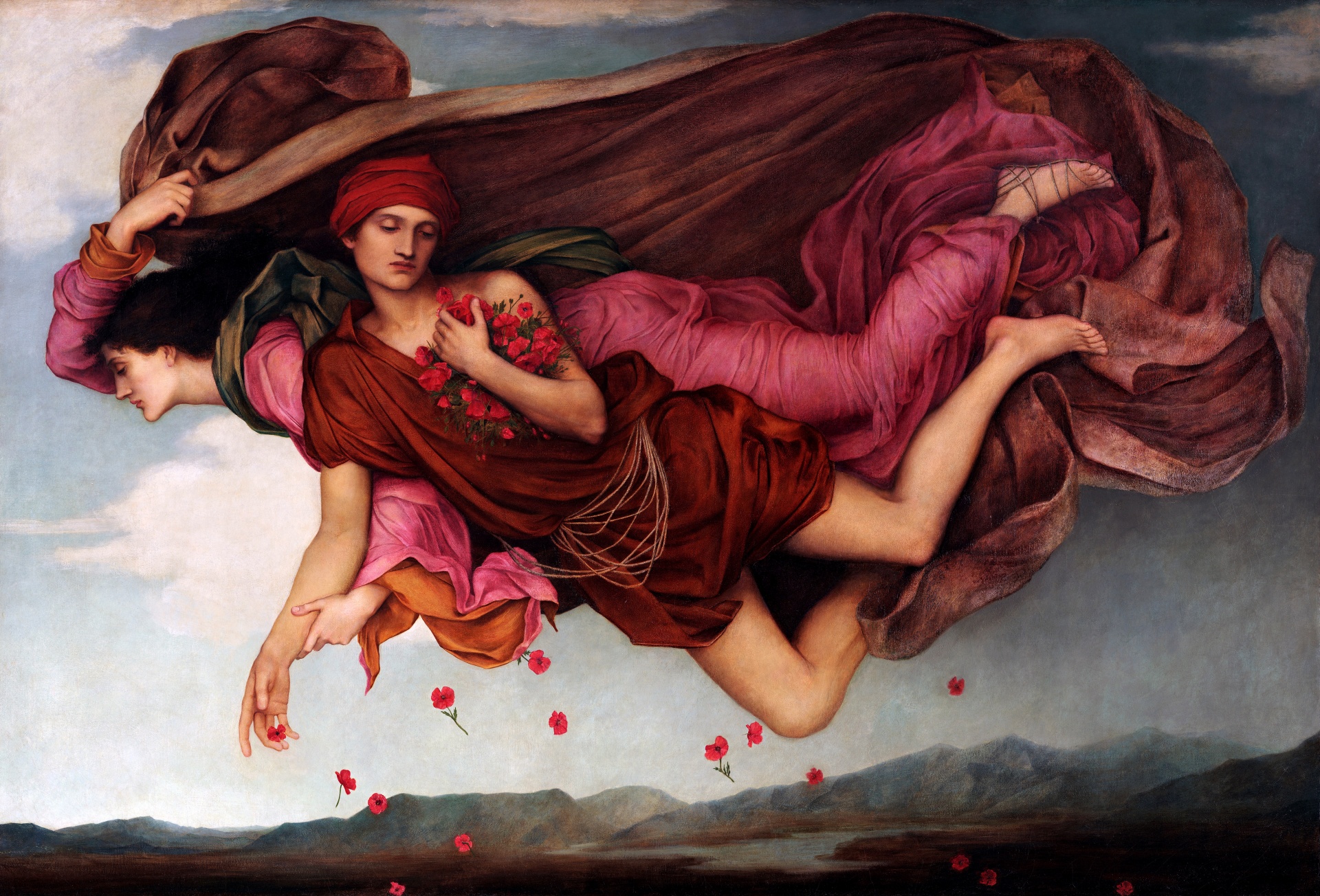
Brian Barbeito finds mythic beauty in Mother Nature, in industrial areas and even a truck collision, as well as in spring flowers and colorful fungi. Naeem Aziz outlines the life cycle, diet, and ecology of the praying mantis. Turdaliyeva Muxarram conveys the simple and colorful joy of flowers. Azimjon Toshpulatov laments the passing of the warm and flower-strewn spring. Aliyeva Matluba fashions images out of natural seeds and materials while Abdulazizov Dovudbek’s home economics paper reminds us when we should let go of stored food. Daniel De Culla crafts a myth about the creation of fish and the constellation Pisces.
Tuyet Van Do’s haiku points to the uncanny mysteries of nature and the paranormal. Nahyean Taronno continues his ghostly tale of trapped spirits and children in a haunted manor. Audrija Paul illuminates the destructive power of rain during a flood and crop-destroying storm. Praise Danjuma evokes the wildness and majesty of nature with a piece on a large and scary night-flying bird. Avery Brown presents a moment of narrative tension as futuristic cowboy characters in his novel Blood and Loyalty skirt one potential conflict to race towards another.
Lidia Popa’s piece reminds us of the mystery and wonder of poetry. Dilnura Rakhmanova poetizes about love, writing, and tulips. Kylian Cubilla Gomez’ photography captures moments of color, surprise, and interactions with the natural world. Isabel Gomez de Diego’s photography draws on themes of nature, history, and the wonder of childhood. Kande Danjuma reclaims the joy and wonder of her childhood. J.D. Nelson peers at life like a child glancing up at labels they can’t quite make out on a top shelf in his monostich poetry. Emeniano Somoza likens the moon to a lonely child drifting through the treacherous school hallways of space.
Luis Berriozabal speaks to loneliness, aging, and the power of words in his poetry. Duane Vorhees’ poetry probes themes of sensuality, romance, writers’ block and the timeless Mideast conflict.
Dilnoza Xusanova outlines the literary contributions of Erkin Vahidov to Central Asian and world literature. Abdunazarova Khushroy poetizes on the beauty of the Uzbek language. Ibrohim Saidakbar highlights the humane spirit and literary legacy of Central Asian writer Gafur Gulam. Otaboyeva Ominakhon examines Mark Twain’s use of satire in his literary works. Noah Berlatsky spoofs errors in proofreading in a humorous piece.

Ziyoyeva Irodakhon reviews the contributions of great Uzbek teacher and writer Abdulla Avloni to Central Asian and world scholarship and pedagogy. Salomova Dilfuza makes suggestions to help people optimize their learning. Guli Bekturdiyeva offers best practices for how educators can design syllabi. Abdusamatova Odinaxon offers recommendations on the best use of interviews as a tool for sociological research. Burikulova Shakhnoza remembers an inspirational teacher who motivated her to set high goals and work towards them. Sobirjonova Rayhona praises the dedication of her favorite teacher.
Axmatova Shakzoda outlines the unique opportunities and hardships of student life. Aziza Karimjonova Sherzodovna highlights the accomplishments of Uzbek students and scholars and the greatness of the nation.
Adiba Shuxratovna reviews Hossein Javid’s drama “Amir Temur” and outlines how the play highlights the nation-building work of Amir Temur through depicting both political and domestic moments of his life. Aziza Saparbaeva depicts a dramatic moment in the life of medieval Central Asian leader Tamerlane. Marjona Kholikova outlines the accomplishments of various historical Central Asian military and political leaders.
Adiba Shuxratovna’s poetry extols the virtues of the new Uzbek constitution and its respect for human rights. Mamadaliyeva Aziza celebrates Uzbekistan’s rich history and its present and future promise. Eshbekova Xurshida Anorboyevna evokes the mythical beauty and grandeur of Samarkand while Dr. Reda Abdel Rahim reminds the world of the archaeological treasure of Egypt’s Royal Tombs of Tanis and encourages us to preserve and study them. Graciela Noemi Villaverde expresses her pride in Argentina’s history and flag.
Ruxzara Adilqizi’s poetry celebrates her love for nature, her partner, her country, and her heritage. Mahbub Alam flies into the sky at sunrise on the wings of love. Elmaya Jabbarova draws on classical references to convey the intense experience of having a lover stare into one’s eyes. Maja Milojkovic finds gentle and poetic love in a garden. Mesfakus Salahin speaks to the emotional and spiritual union of a couple in love.

Lilian Dipasupil Kunimasa speaks to the futility of hiding one’s emotions. Usmonova O’giloy whispers poetry about the gentle grace of her dreams. Paul Tristram crafts vignettes of human experience from a large-hearted and compassionate place. Taylor Dibbert’s poetic speaker points out a detail that speaks to the depth of his mourning for his departed dog and thus the depth of the love they shared.
Alan Catlin’s poetry reflects the fragmented thoughts of memory and grief. Vernon Frazer adorns paper with shapes and shades of color and words in various fonts at precarious angles. Mark Young’s images play with shape and color and seem to almost represent various objects.
Nosirova Gavhar relates how music can serve as medicine for the human spirit. Sayani Mukherjee describes the sensations and images she experiences listening to classical music.
Joe Byrd’s new novel Monet and Oscar: The Essence of Light, excerpted this month in Synchronized Chaos, gives us a look at the groundbreaking Impressionist artist through the eyes of his gardener.
Sterling Warner evokes atmosphere, time, place, and memory with his poems on the Midwest, fungi, flora, and fauna, and the overzealous self-diagnosis made possible through pharmaceutical commercials.
Christopher Bernard critiques neoliberal philosophy for breaking down social order with its emphasis on one’s rights to the exclusion of one’s responsibilities to respect others.
Dr. Jernail S. Anand urges us to set aside extravagant philosophizing and simply live our lives. Santiago Burdon satirizes those who carry their principles beyond the point of reason with his piece on a vegan vulture.
Heather Sager takes joy in gentle, quiet moments of middle age, even as she feels off kilter and knows her body and life are slowing. Roberta Beach Jacobson’s haiku expresses observations on human nature taken from ordinary and surprising moments of everyday life.
Hillol Ray wonders about the future of humanity, if our compassion and solidarity can grow and develop alongside our technology. Mashhura Usmonova decries people who obsess over their phones to the detriment of flesh and blood relationships.
Faleeha Hassan urges others to recognize her common humanity although she’s in a traditional Muslim head covering. Bill Tope’s essay traces the changing attitudes towards the LGBTQ community in America over the past 60 years. Z.I. Mahmud outlines how Amrita Pari illustrates the isolation and longing of a queer woman in a modern city in her novel Kari. Jacques Fleury reviews a production of “Witch” at Boston’s Huntington Theater and reflects on how witches can represent those treated as “others” by modern society for various reasons.

Mykyta Ryzhykh speaks to the horrors of war and the destruction of innocence and the environment. Gozalkhan Samandarova highlights the indiscriminate destruction often caused by war and urges humans to work for peace. Bill Tope’s story highlights the senseless terror of a school shooting by portraying an incident from a child’s perspective.
Ana Bogosavljevic reminds us that even great pain and evil will not last forever and can be outlasted with patient goodness. Shaxzoda Abdullayeva takes joy in her current life and her hopes for the future, as David A. Douglas celebrates the power of community and kindness to overcome despair.