
tomorrow landry

who’s knocking?

	scientific
        lac amora

the dream of the sky
the dream of the swan

       clanky toast is “t”
       ample terrapin outline

I’m in the gum tree


pac-man germs

the cape fear method
demanding a desert

        I am in the rain

green sleep
a new green

the space station is blinking
I am in the control tower

        with radishes

the toads protect me here
the templeton of the rabbit

        confused


the wonderful tree

each eagle is too low
raindrops slice

the coral within
whittling, too

my solar gum
my plen-t-pak

I bite a cotton ball
I shake a sugar roll


bio/graf

J. D. Nelson (b. 1971) experiments with words in his subterranean laboratory. His poetry has appeared in many small press publications, worldwide, since 2002. He is the author of several collections of poetry, including Cinderella City (The Red Ceilings Press, 2012). His poem, “to mask a little bird” was nominated for Best of the Net in 2021. Visit http://MadVerse.com for more information and links to his published work. Nelson lives in Colorado.
Category Archives: CHAOS
Poetry from Anderson Moses
PSALMS 22:19

After Shedrack Bulus


To the tongue that cradles on wounds,
every poem holds a hammer against my
body. Which means, this body lacks a body, sometimes, it is a garden & other times, it's a flower — Perfect paradox saying; the things I once admired now plague on me. Maybe, this is how a body translate to a graveyard. Again, cast me to a river & I'll comeback a sand, scars & death close dialect engulfing a body. Every morning I trust my knees for
Grace, but bleeds still flaunt out of me like a spring bee. & these scars too renders me a sacrificial lamb. Tell me, what mouth will remember me & still gospel how to read a poem before a congregation of grief?. The priest said, Son, learn how to build a tower for your scars. Perhaps, I remember— even the Bible pulled pigs out of a body. Say, to nurture a body for moths. Grace tarry & everything ends in science. At least to saviour a body. I, a rotten flesh hunting for hope at feet of a round rope. This poems breaks & clouds this body to a dust. Lord, won't you undress me to a butterfly? Now that blood still wets my knees on breaking tarmacs.
____________________________________________________________________________________________

I CHRISTENED MY BODY A HOME

At night,
I briefcased my unbelief into the
esophagus of my stepmother. Nothing
defines a boy more than grief. & I, too.
My body have cocoon myriad lightless
stars, which often deduced me to a prosaic equation, I mean something poor devoid of brilliance— Emptiness filled
me to the edge, & I bend like a crayfish.
Which is to say, my body still clings on rotten roses. I lost a sight of myself, & my cousin is now an acronym mouthed by birds. Tell me, In what way can i unbuilt this body?. Perhaps, this poem is modern. Here, everything labyrinths to a requiem, grief, bullet, or whatever can murder. & say, a rose fading to a scar, My shadow bounced back at me. My body shriveled to a room with sharp shards. All wanting to cut & open me to a naked wound. Yesterday, i met God in the flickering of a crescent, I wanted to split this body before his presence, To unfold my soul to a faith. But, here, not everything bring peace. So i relinquished my simulacrum to the mirror & christened my body a home.
___________________
Anderson Moses, nicknamed (Son of Moses)  is a poet from a small village in Akwa Ibom State, Nigeria. He's a student of History and International studies. He's works have been published/forthcoming in Brittle paper, Nantygreens, Eboquills, Arts lounge and elsewhere. Apart from writing, he enjoys snapping images.
Short story from Laura Stamps
A DOG IS BETTER THAN A HUSBAND

1.
“A dog is better than a husband,” the rescue lady says to me. “Did you know that?”

2.
What? Wait a minute. Wait. A. Minute. Where did that come from? Where? This isn’t some kind of weird therapy session. This is PetSmart, for God’s sake! And it’s Saturday. Adoption Day. I’ve driven from Fort Worth to Dallas to look at a little homeless Chihuahua. The one featured on Facebook last week. The one this woman tells me is no longer available. Bummer! I really wanted to see it. But that’s okay. I’m just a looker today. Just here to look. That’s all. Not to adopt. No. Just looking. Today. A looker. That’s me. Nothing more.

3.
And yet, and yet. That didn’t stop this dog rescue lady from lifting another Chihuahua from his crate and handing him to me. Before I could protest. Before I could stop her. How could she do that to me? She knows I’m just a looker. She does. She knows. It’s true. I’m just looking. I am. A looker. That’s me. Today. Nothing more. And yet, and yet. Now there’s a dog in my arms. A dog! And not just any dog. This dog. The dog she tells me nobody wants because he’s not a puppy. Because he’s eight-years-old. Walter. That’s his name. Yes, it’s sad. So sad. To be unwanted. Abandoned. Yes. I know. How it feels. I do. So sad. But he’s the wrong dog for me. He is. All wrong. He’s brown and black (not the color I want). And six pounds (not the weight I want). And a boy (not the sex I want). No, he’s not my dog. Not this one. No. Not at all.

4.
“Excuse me?” I say. Maybe I misunderstood what she said. About dogs and husbands. Surely. Surely I did. The rescue lady looks down at Walter and laughs. He’s snoring. In my arms. Fast asleep. What? When did that happen? “It’s true,” she says. “Dogs are more consistent with their affection. They’re not moody. Or manipulative. Or perfectionists. Or worriers. Or egomaniacs. Or judgmental. Dogs will never abandon you. They just love you. All the time. That’s what they do. And they’re excellent listeners.” She winks at me. “How many men can you say that about?”

5.
Oh, geez. Sounds like the story of my life. How did she know? Moody, self-absorbed men. Too many of them. In my past. Nothing but trouble. Like my ex-husband, Earl. The hypochondriac. I divorced him six months ago. Best decision I’ve made in years. Good riddance, I say. Never had anxiety until I married Earl. Or panic attacks. Didn’t even know what they were. But I do now. Thanks to seven years of marriage. Should have divorced Earl years ago. Why didn’t I? Why, why, why? My girlfriends say it’s my heart. It’s too big. Too soft. They think it’s a curse. In Earl’s case, it was. But no more. I’m done with men like that. All of them. Selfish, manipulative, worriers. Done. With. Them.

6.
“Did you see this?” the rescue lady says, pointing to the information sheet attached to Walter’s crate. “All our older dogs like Walter are half price today. And he’s such a good dog. No trouble at all.”

7.
An hour later the Dallas skyline fades from my rearview mirror on the drive back to Fort Worth. I did it. Finally. I escaped. From PetSmart. And the rescue lady. Hallelujah! But my checking account is three hundred dollars lighter. And there’s a big shopping bag from PetSmart in my backseat. And a new pet carrier in the trunk. And there’s Walter. In the passenger seat. Wrapped in a blanket. Cozy in his new dog bed. Chewing on a bully stick. Happily. Peacefully. As if we’ve been together for years.

8.
“Tell me this,” I say to Walter. “Is a dog really better than a husband?” I turn off the highway onto the exit ramp leading to Fort Worth. Walter drops his bully stick and climbs into my lap. Gently. Calmly. Like he’s been doing it for years. He rests his head on my arm and looks up at me. “Should I take that as a Yes?” I say. “Okay then. Good to know.”
Poetry from Andrew McDonald
Seasoned ritual

What these lights exclaim—
a commonplace of forms
in pronouncement of death.

They wander untruths
hollered foregone
of a solstice
established
a season of touch.

Their dross is predicate
to a remonstrance performed;
shaping as best
that fathom of force cultured
from specks unjustness shines
on bathed nights lacked their lustre.

(Here a life extolled; there
a dream extinguished).

Now so foreign we’re
stepping over the timed-in chants
to fend for places consenting
rest from
what reasons that ask it
of celebrations intolerance begets,

that is how to exercise rhythms
their shod worthiness proclaimed
in the sudden redux of antiphons
once scant now abundant.

We trail in our responses,
aligned to make delicate
the occasion we’ve met,
clutching our tapers so that
light, too, does not
more easily perish.


Window shopping

Cut figures shaped waxen
mirror intentions formed
of haphazard strolls down streets
love ill-mannered pretends them—
some ticketed green
of truant devotions come back this
garden of delights popular in what’s hoped for.

Most of it’s distracting, full of
stops and contrition
unripe statuary tends
those whose lives unfold
in service to lost ancestors.

But Time will come them who favour
this will to remark it—
we’re selves left as are to own devices
happenstance if birth
then recession cemented along
lines that dock us of valuables given.

Ready or not we wouldn’t have it
that smile half-shaped for the crowd to mumble,
a relic ambulating distance and emotion
the window gives toll to
as we gather and shop in the know
of what it’s wrought
an age post-capitalistic of booming abundance.


On a reading of Melanie Klein during lockdown

Projected selfhoods applaud
affirmations to the bone;

deep their solipsism broods
the selfishness they’ve caused

if wrapped around is a gift
their Others’ not wanted

but of loans disposed
to hearts who contend them.

They ride along
such subtle devotion

its violence that prospers
raw conditions suffering made norm

as Life is its truth when
pretensions implode

and grumble the heresies
politeness helps form

in softness mere cover
what tensions belie.


Avatar

Legitimate runs can’t handle
circumstances of commotion.

They get wind of escape through
worlds our falsehoods outmoding
as the real less tangible is speculated

more worth than this
daily plot thick
with the uninitiated.

But here:
burnt-out traces of corpse
project drop-offs
the mainframed redoubt-in,
lost to bigger cause
inhuman as much
the next one proposes
some new god its hereafters
the digital allots of
when embraced extensions
regulate newness pulled-out from
deathbeds their visions
that commonplace of norms
our postmodern living.

Monotony gone
deposits best colour
this mutiny
about us.
Synchronized Chaos’ Second May Issue: Human Sensibility
“Matters of the heart make your world worth occupying.”
― Benjamin Percy, Thrill Me: Essays on Fiction
With the state of the world, we’re inviting Synchronized Chaos writers and readers to support various charitable and mutual aid- supporting projects, including efforts to support international writers and anthologies to benefit organizations. Please feel welcome to send in your writing, to purchase these anthologies, or to spread the word on social media.
Support Ukrainian Writers (listing of living authors from the country and their books which can be ordered)
Where to Donate Baby Formula (not literary per se but worth sharing anyway)
Snow Leopard Publishing’s call for short story submissions to anthologies benefiting different nonprofits related to justice and equality, care for veterans, healthcare, and wildlife/ecology.
Amazon wishlist for an organization led by Afghan women (nationals to the country who want to shape their own destiny free of warfare and imperialism and with equal educational opportunities and safety for all).
Beaupre Anthologies (seeking submissions of work related to indigeneity, neurodiversity, or horror, for separate anthologies).
This month’s issue attends to matters of the heart.
Abdulquadir Ibrahim Worubata’s work expresses sorrow at a deeply felt personal loss, while Ian Copestick renders the angry stage of grief, indignation at loved ones’ being taken. Aloysius S Harmon renders the extreme emotions of mourning in his grammatically understated piece.
The two protagonists in David A. Douglas’ short story dream their way into connection with deceased siblings, finding peace at last over their passing.
Sidnei Silva’s piece explores the varied and beautiful dimensions of rain and draws upon them as a backdrop for love between two people. Mahbub also turns to nature as a metaphor for romantic, familial and spiritual connection among people. and pleads for interpersonal peace and understanding.
Ahmad Al-Khatat’s work also cries out for an end to violence among nations and people groups, while also reflecting on love and insomnia. Steven Hill issues a lengthy literary clarion call for racial justice while Chimezie Ihekuna relates the story of an impoverished Nigerian boy determined to get an education. Pathik Mitra explores and advocates for gender justice in a creative short story while Kellie Scott-Reed probes the extent of our responsibilities to protect others in danger as well as our assumptions on the sources of the danger.
Allison Grayhurst’s poems speak of places where we find spiritual nourishment: through practicing faith, compassion, and mindful care of the land and its inhabitants through gardening. K.J. Hannah Greenberg contributes some gentle photos of animals and natural scenes.
Christopher Bernard pokes fun at the popularity-driven culture of social media to contrast with his low-tech, undying love.

Norman J. Olson describes his artistic creative process, most poignantly how his subjects become portraits of people he cares about, seemingly of their own accord.
Robert Fleming writes of love in an unusual way, in a piece where he juxtaposes romantic attraction and calculus. Another of his pieces links the earth’s rotation with that of a disco ball.
Jim Meirose contributes an intriguing tale that consists of internal dialogue and captures place, character, and time. J.J. Campbell presents a photograph in words of middle age and his speaker’s philosophical attitude towards his decline. George Economou reminisces about hazy past days of heavy substance use, old movies and ill-fated romances.
Steven Croft reviews William Walsh’s young male coming of age novel Lakewood and Federico Wardal offers up a preview of the historical film he’s creating about Cleopatra. Wardal’s intent is to portray the ancient queen as an authentic woman of her time with real human feelings and desires.
We hope you enjoy this month’s issue!
Artwork from K.J. Hannah Greenberg
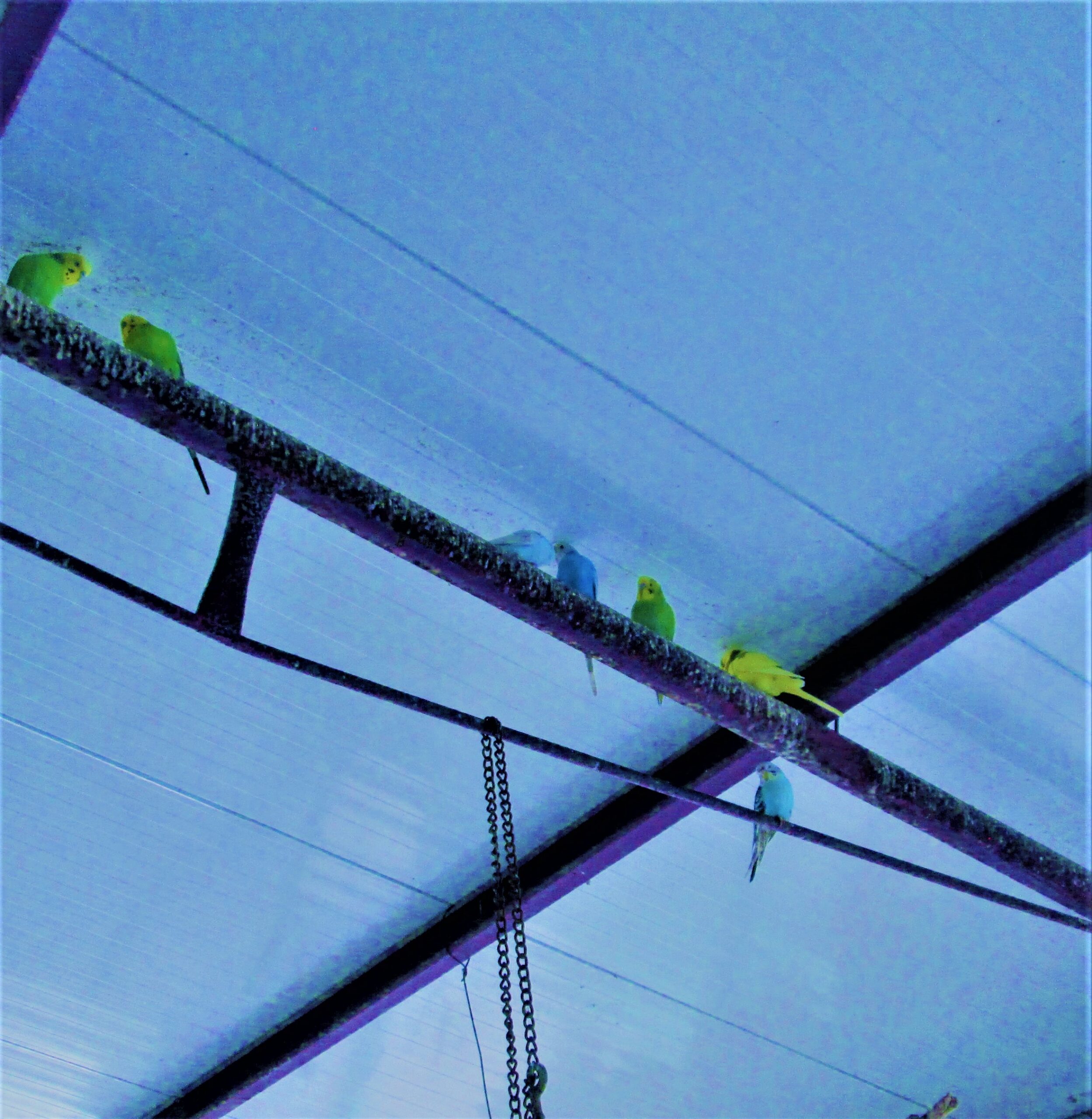
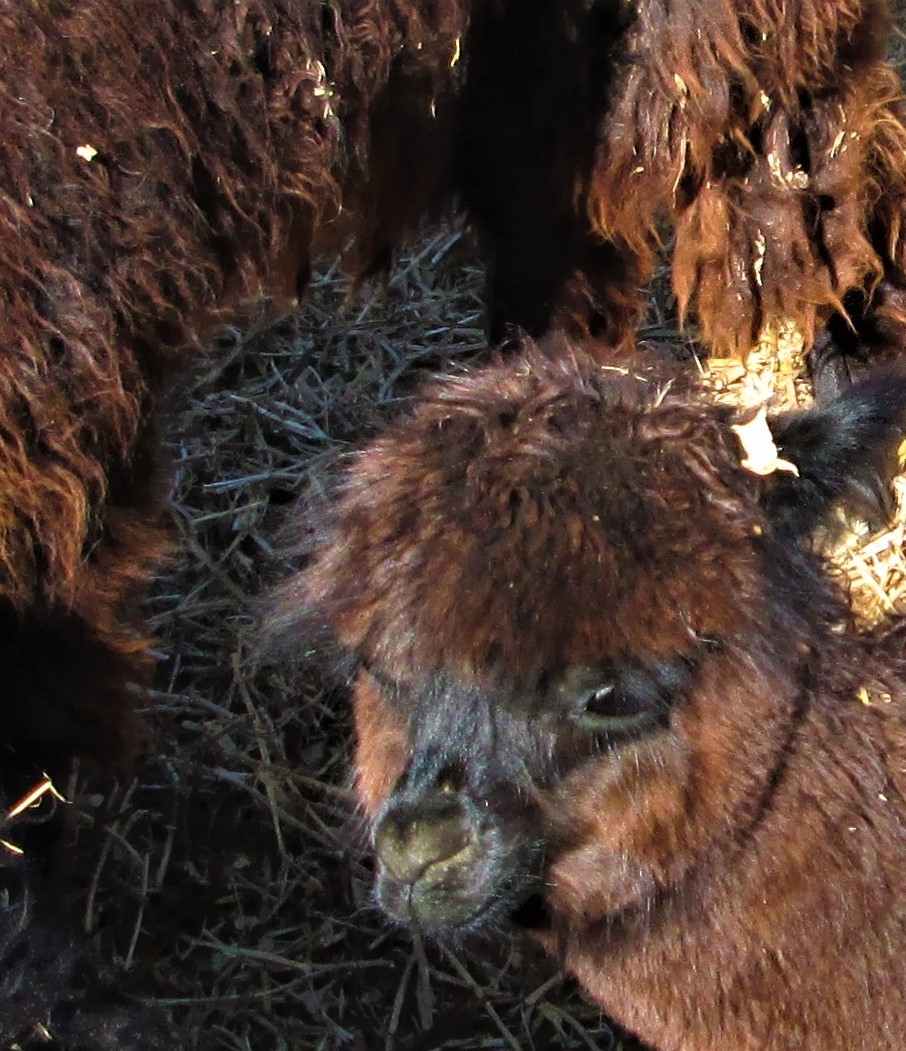
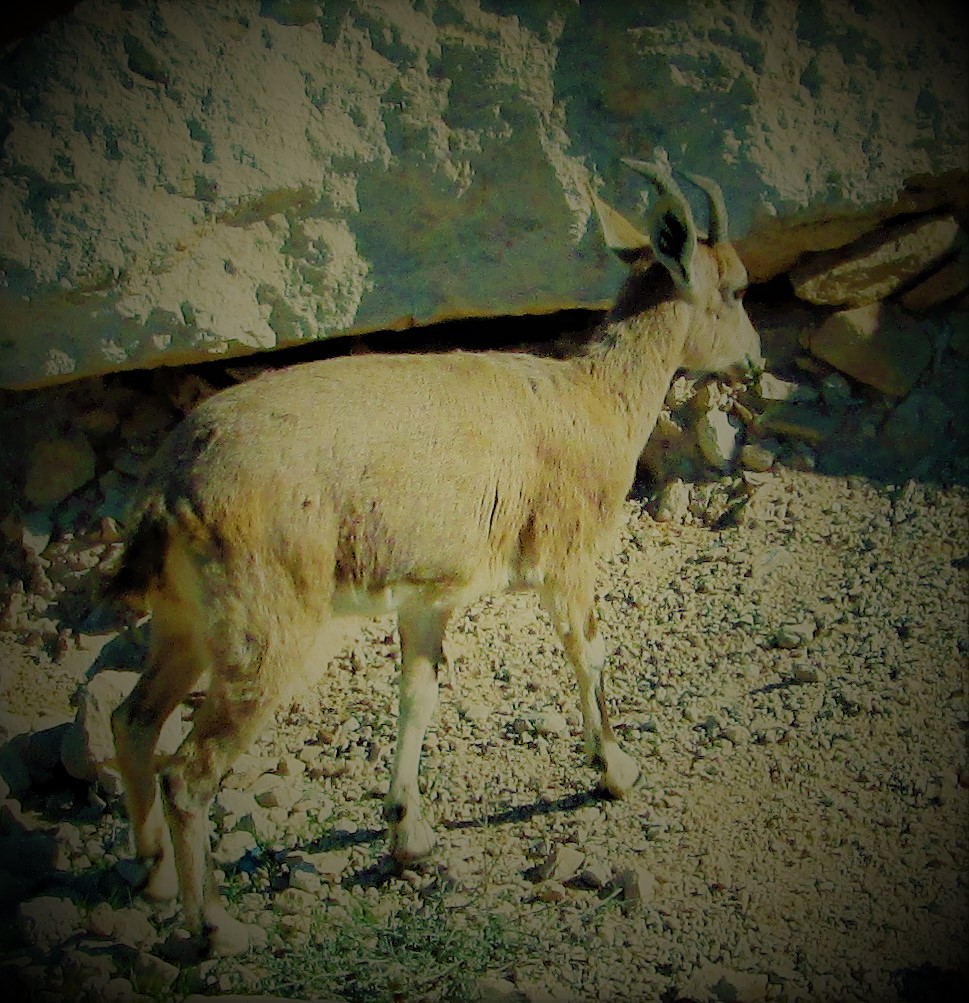
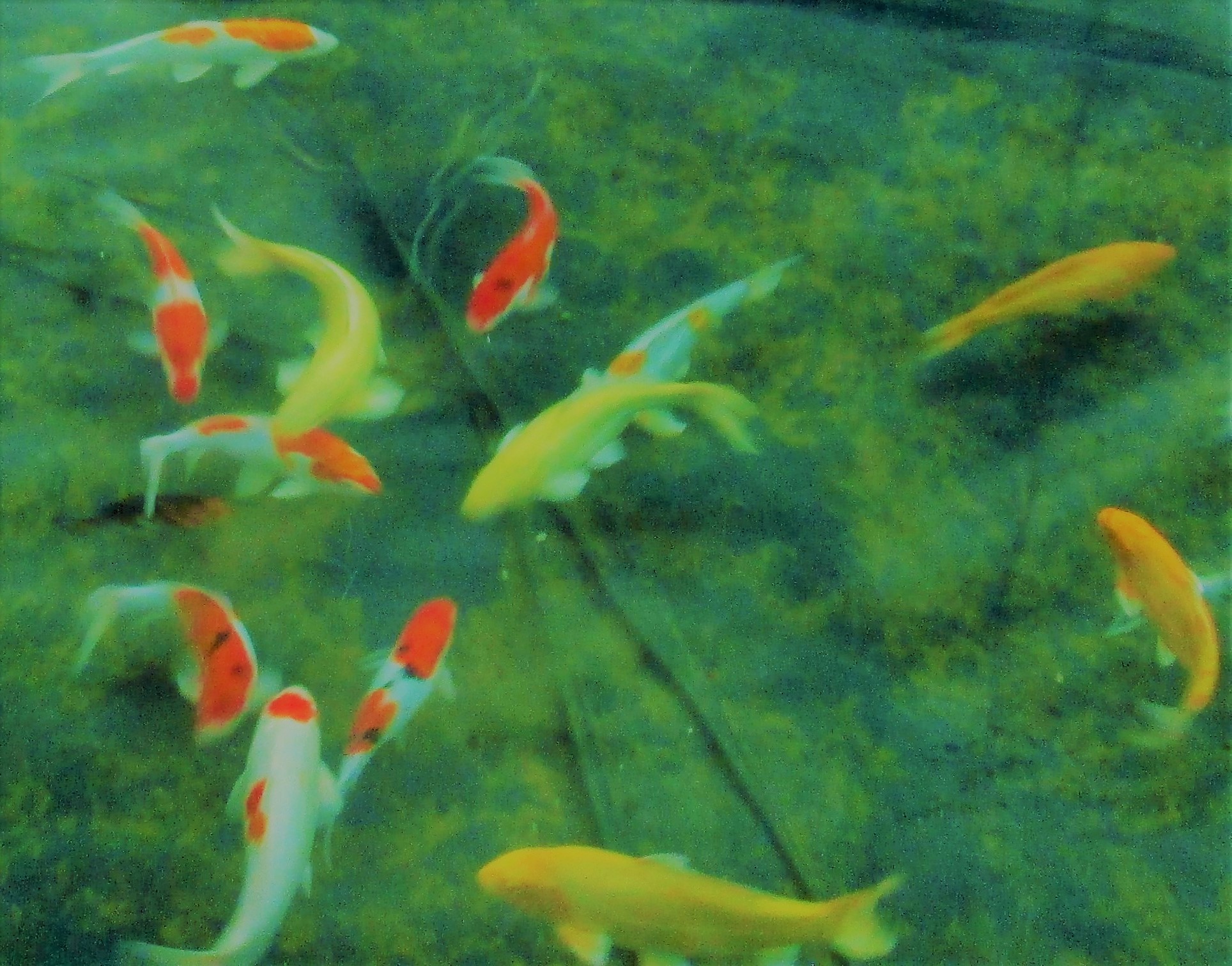

My paintings and digital paintings have graced two galleries, served as covers for more than half of a dozen publications, and been incorporated, alongside my poetry, in in One-Handed Pianist (Hekate Publishing, 2021). These days, I party with the imaginary hedgehogs I met in midlife, write about the foibles of parenting, teach online courses to emerging writers the world over, and deign to use color and shape to express feelings. There may not be anything new under the sun, but Granny can share with youngins various ways to secure their bonnets. After all, exposure to feral ideas remains important.
Poetry from Aloysius S Harmon
Threnody

i have felt my heart weighing down in me
the other day it held the  silence of a cemetery.

some wounds will crack your bones & escort you in the mock for cremation,
but boys were taught not to fall when they are heavy.

i held mine in my chest
the water faucet in my kitchen leaks water the same way my eyes do.

i witnessed tears leaving holes in my cheek bones & each day there were
 maps that broke through me.

all i have ever felt was learning to die with my eyes wide open.

Aloysius S Harmon Jr is an emerging Grebo Liberian writer and poet. Many of his poems have appeared on Eboquills, Eve Poetry Magazine, We Write Liberia, Synchronized Chaos, and elsewhere. He is one of the co-authors to the 'Breaking the Silence Anthology', Thoughts In Words, and 'Weep No More Liberia'. He is the winner of the Thort’s poetry competition.