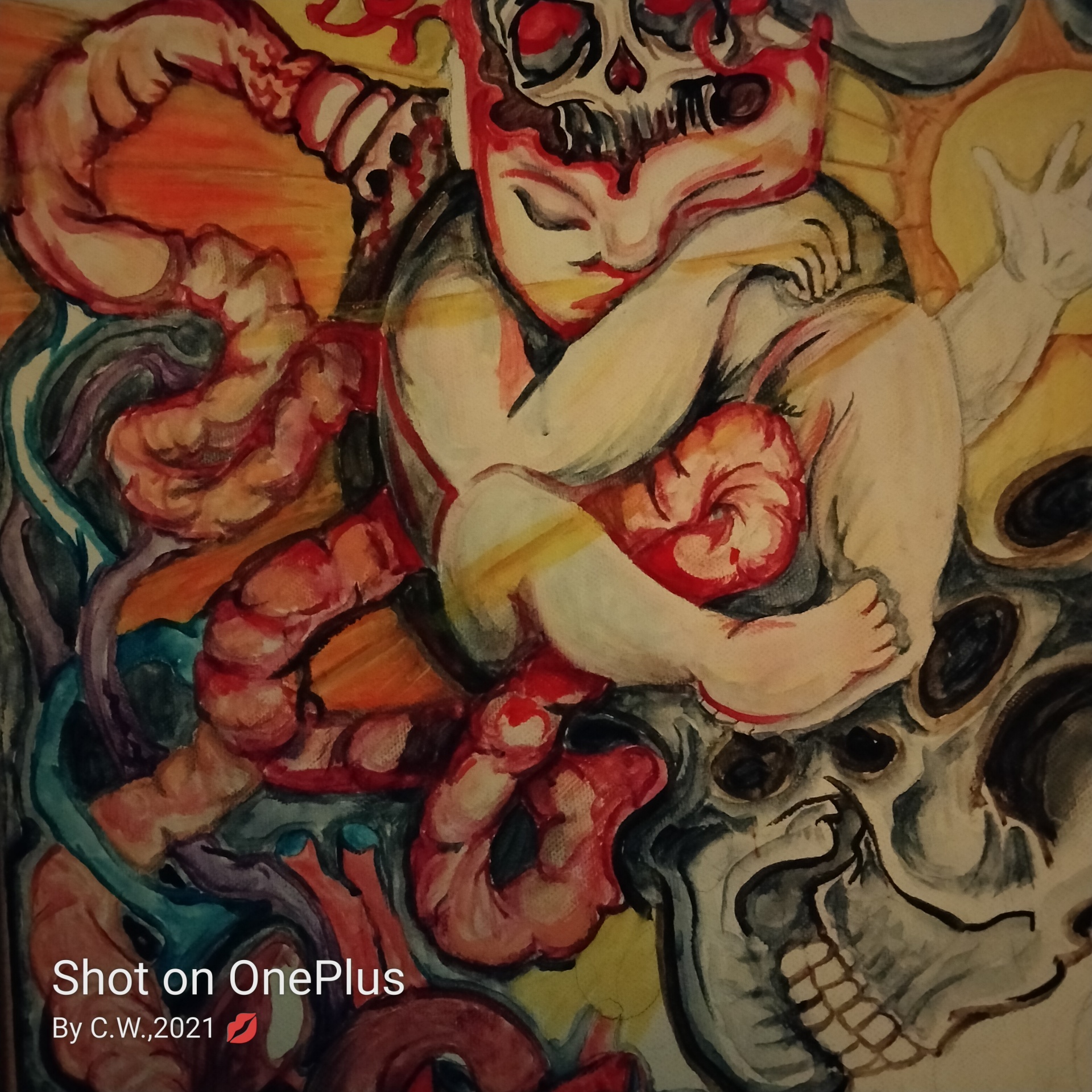
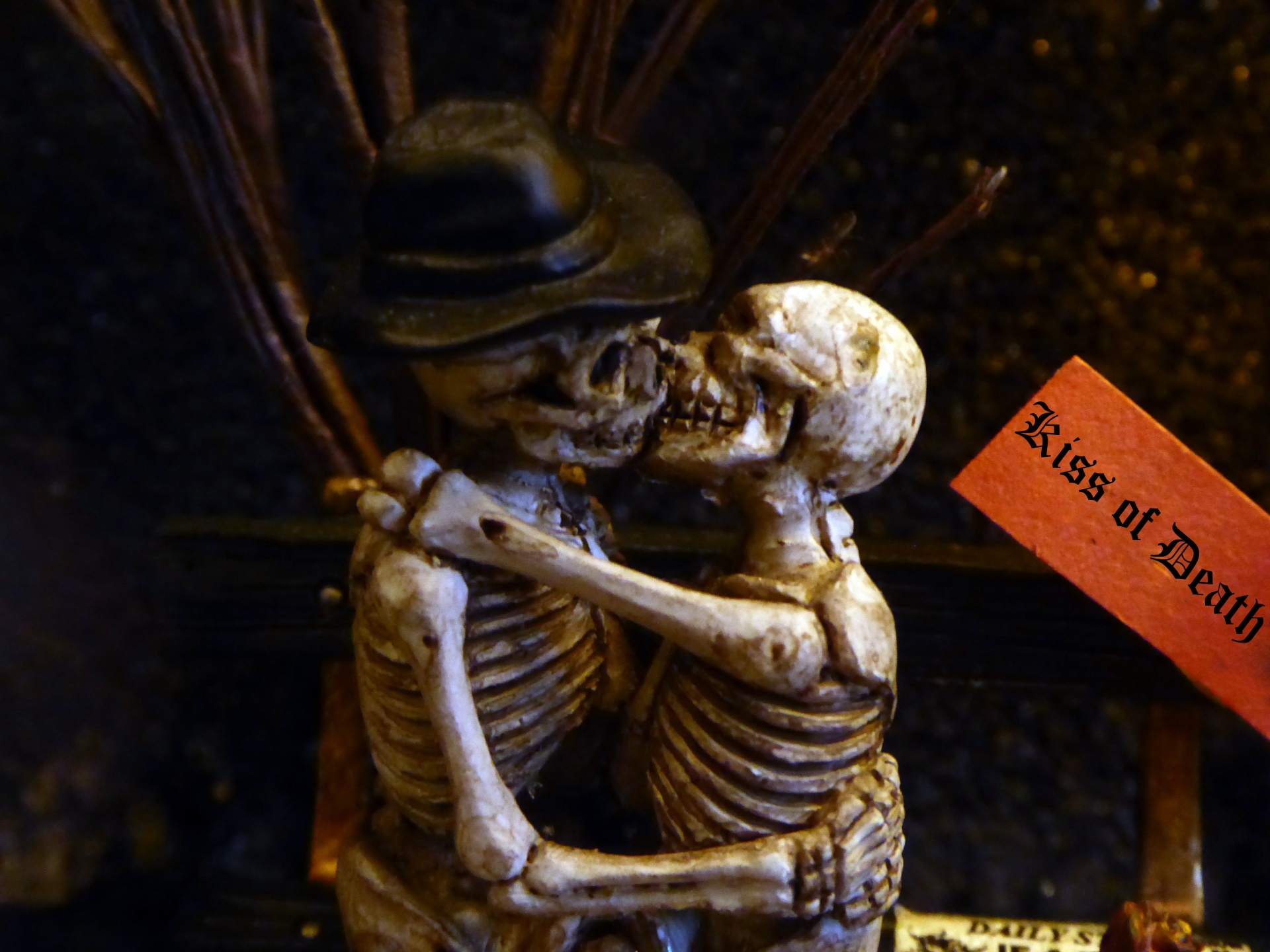
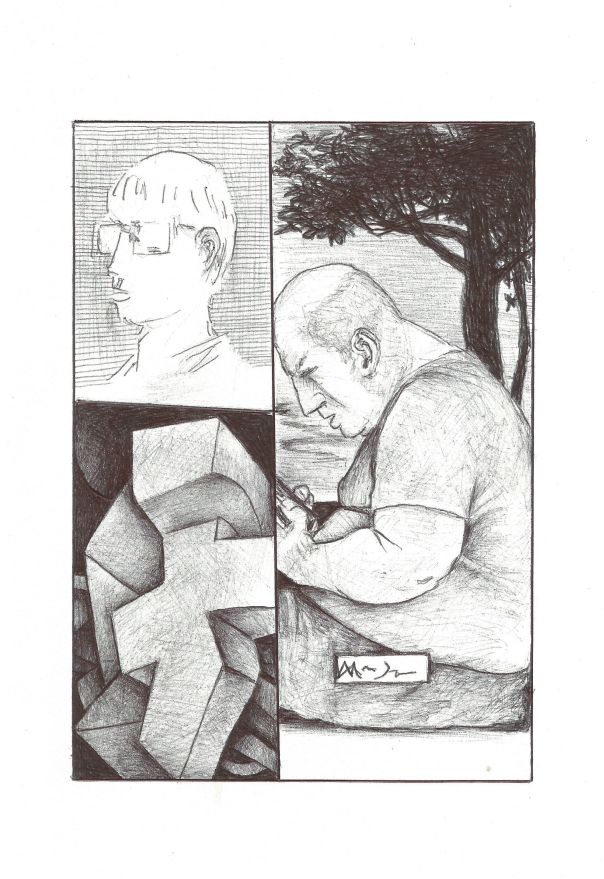
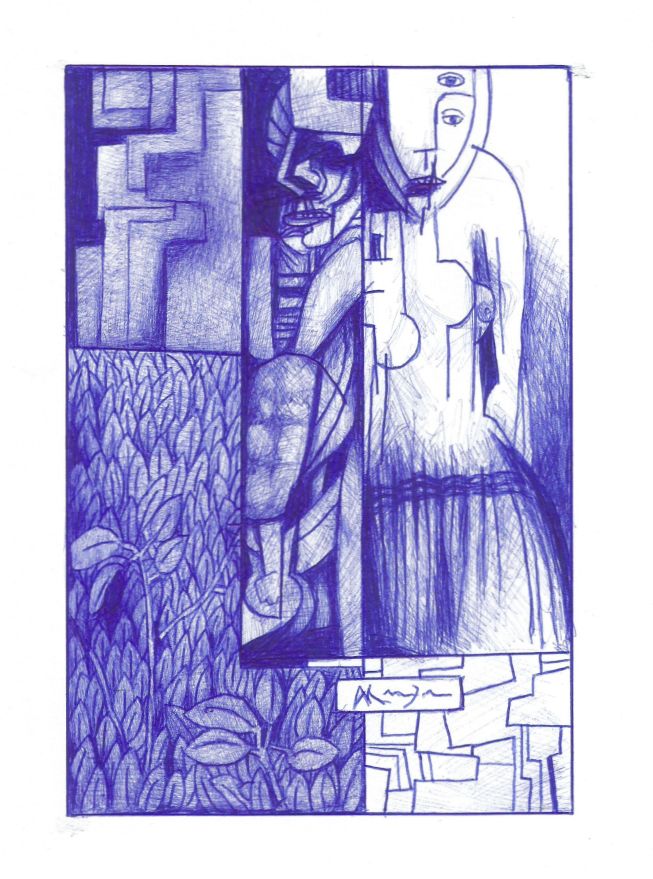
We wish a very happy Father’s Day to everyone who will celebrate this month! Creativity is an act of fathering, of providing, protecting, nurturing, and raising, as much as birthing works.
Also, at the request of many contributors, we are sharing ways writers and artists can lend a hand to different places in the world.
Literary Ways to Help Ukraine
Engin Program, Online English-speaking conversation partners for Ukrainian youth
Z.I. Mahmud explicates how Zeffirelli’s film adaptation of Romeo and Juliet captures the violent and tumultuous atmosphere of the romance. Shuhratova Shaxina praises the clarity of feeling in the writings of Alexander Feinberg as Prasannakumar Dalai illuminates strong, plaintive bursts of feelings of romance and lament.
David Sapp recollects a childhood crush and his mother’s early rebellion against gender roles. Jacques Fleury rebels against the racism and class prejudice against marginalized writers. Aziza Saparbaeva takes pride in her home village and how the people fought for freedom, and Muntasir Mamun Kiron offers up an elegy for the bold warriors who founded Bangladesh.
Ibrahimov Saidakbar outlines the historical accomplishments of Uzbek writer Gafur Ghulam as Zeboxon Akmalova speaks to children’s education and the potential of children and Sadoquat Begamova talks about methods for education of visually impaired young people. Sharipov Ubaydullojon outlines the basics of German linguistics, Narzulloyeva Munisa Bakhromovna highlights the good parts of the Internet but offers a caution against obsession, and Zamira Hakimova explores the etymological roots of the terms Uzbeks use to talk about financial processes as Mamatazimov Kabiljon outlines principles of mechanical safety for workers in industrial plants.
Gulsanam Qurbonova writes about finding the motivation to achieve one’s goals as Amir Hamza describes a lonely boy who rises to the occasion to save lives. Bruce Roberts reflects on the artistic self-assertion embodied in Michelangelo’s David as Xidirova Mahliyo offers a patriotic celebration of her country. Christopher Bernard’s riddle poem invites speculation while drawing on history and myth as Alan Catlin confabulates historical and artistic images into poetry.
Mark Young concocts images combining text and different sorts of shapes, lines, and colors for visual effect as J.D. Nelson links words together into fragmentary monostich poems. Brian Le Lay plays with sound and thought in hay (na) kus that seem bilingual or trans-lingual.
Gregg Norman’s poetic speaker grapples with weather, with what humans cannot control. Graciela Noemi Villaverde’s poem explores feelings of waiting and watching, for the return of hope or a lover. Faleeha Hassan compares writers’ block to the abandonment of a lover. Elmaya Jabbarova evokes the mystery, wonder, and unpredictability of love and happiness. Dr. Jernail S. Anand illuminates how much our world is beyond humans’ influence as John Grey contributes humorous reflections on being stuck, staying or escaping with your mind. Hatamova Charos poetically longs for chamomile and the cities of Oman that are lost to her.
Kathleen Hulser speculates on matter remaining as it transforms, suggesting that it is okay to declutter and let go of things. Sushama Kasbekar looks at an old tea set to comment on the constant flow of time and on enjoying what you have while you can. Audrija Paul reflects on the tragedy of love and life nearly lost while Taylor Dibbert reminds us that life after tragedy can be strangely uneventful.
Susie Gharib captures the world-weariness of 2020, full of war and disease, as Mykyta Ryzhykh highlights the world’s tender questions and contradictions and J.J. Campbell recollects a search for love amidst the brutality of those who should have cared for him. For Joan McNerney, the “world is too much with us,” too tiring, scary, and complex, and she finds comfort in the mysteries of nature. Jasmina Rahmatullayeva explores the psychology underlying acts of criminal violence, Dr. Jernail S. Anand laments the selfishness in too many people’s love, and Bill Tope’s protagonist realizes as an adult that his childhood friend was being abused.
Michaila Oberhoffer explores the role social conditioning plays in our emotions in her book The Roots of John’s Happiness. Irodaxon Ibragimova speculates on where we can find happiness and offers gratitude for it. Azimjon Toshpulatov’s hopeful poem asserts that she will find joy one day.
Rachel Gorman-Cooper explores our primal hungers as Jim Meirose provides a humorous take on humans’ deciding everything by committee. Nahyean Taronno begins a horror tale where humans must work together to overcome primal fears and escape the threat of the unknown.
Brian Barbeito idly speculates on life on a horse ranch as Isabel Gomes de Diego sends up photographs of direct encounters with nature and Kylian Cubilla Gomes highlights the subtle and obvious ways we work with and regulate nature. Munnavar Boltayeva urges us to save the environment as Zulfiqurova Muslima discusses pollution of the Aral Sea and the need for restoration and O’razaliyeva Charos revels in the joy of the spring. Terry Trowbridge plays with syntax enough to restore a feeling of wonder at nature.
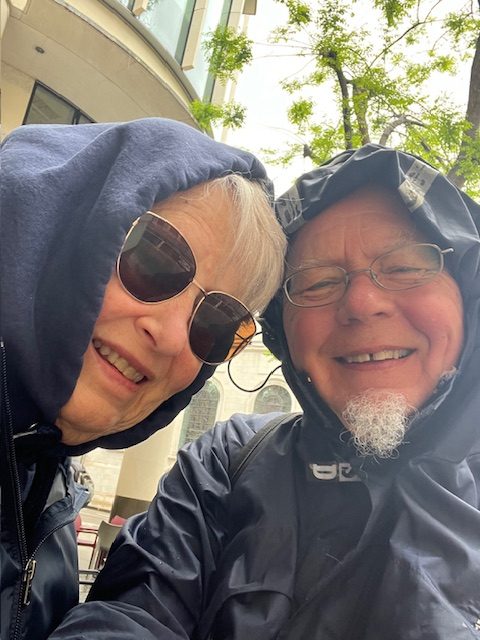
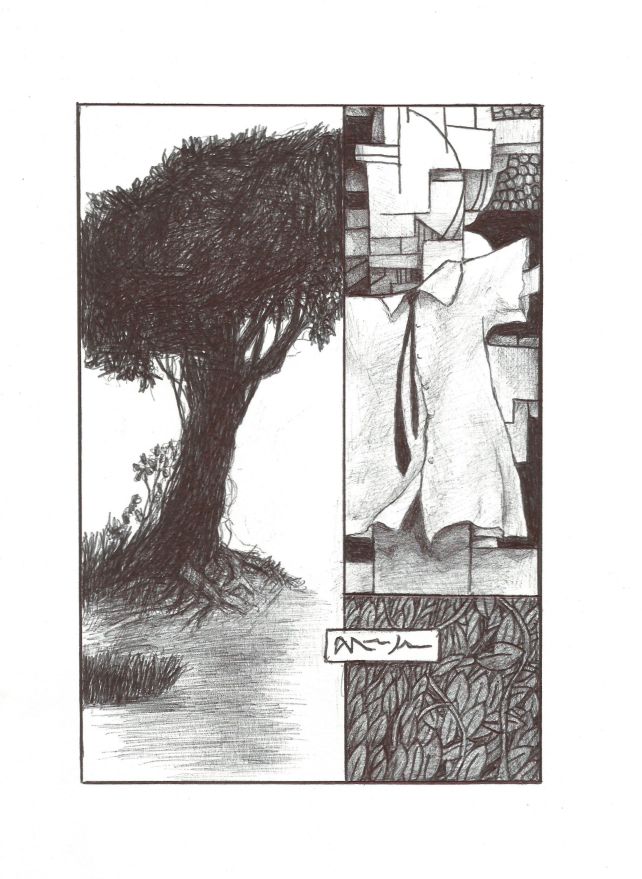
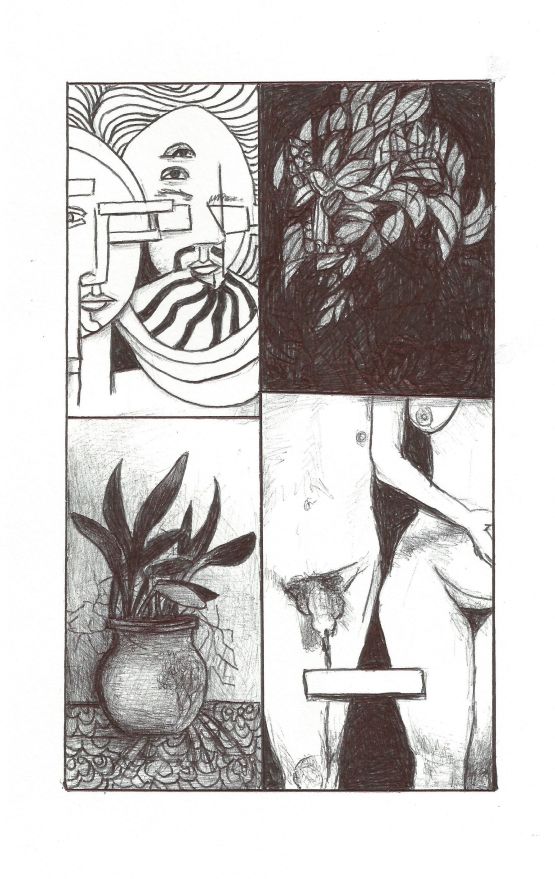
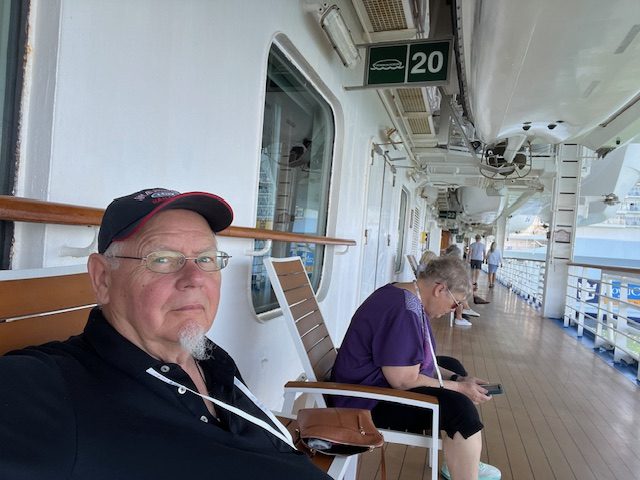
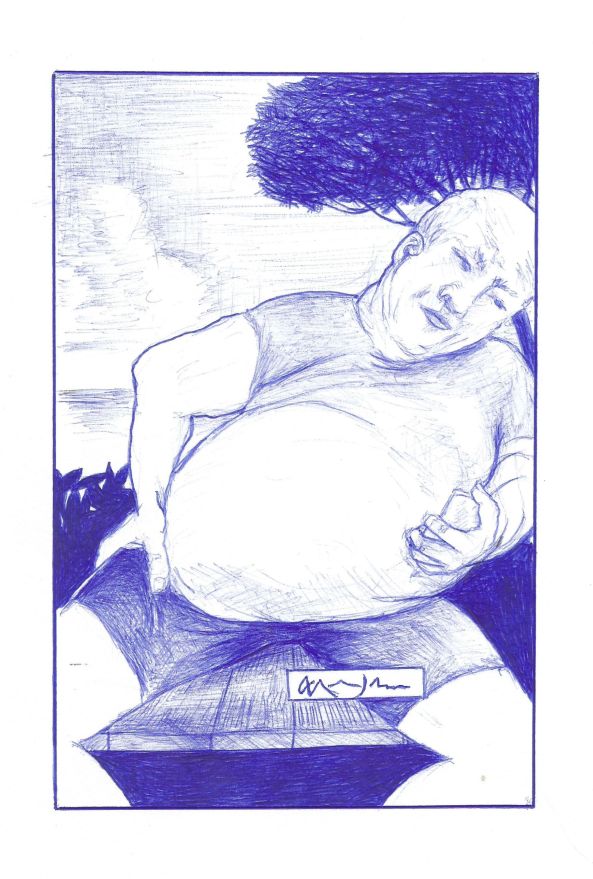
Duane Vorhees talks about sensual Southern European love, nature, politics and beach life. Norman J. Olson reminisces on a recent European cruise he took with his wife that inspired poetry and sketches. Easa Hossain remembers the green farmland of his home village with nostalgia. Shafkat Aziz Hajam shares regrets over lost love as Daniel De Culla visits a museum exhibit on dinosaurs and speculates on the ghosts in Spain’s past.
Allison Grayhurst offers a tribute to her mother, a very slow, gentle, realistic take on death and caregiving, accompanied by a photo of the sky on each of her mother’s last days. Yuldashev Jumanazar Muradjanovich relates a tale of love that lasts until death while Bill Tope explicates how war can break up families and the extent we can go for love.
Awodele Habeeb claims that the devil and death will not have the final word as Michael Robinson takes comfort in faith and forgiveness. Lidia Popa comments on how humans throughout time have turned to faith to process our feelings about death.
Sandy Rochelle calls us to let go and rest and let life carry us on the winds of change as Michael Stewart gives gentle encouragement to rest, let life take its course. Michelle Reale speaks to an intuitive and spiritual relationship between a father and daughter as Kristy Raines revels in wonder at the tenderness of love. Mesfakus Salahin rests content in an eternal love as Mirta Liliana Ramirez depicts a moment of passion made possible because people trust and feel safe with each other. Dr. Maheshwar Das finds tender joy in faith and birdsong as Anindya Pal offers a sensual tale of rain and love and Don Bormon meditates on the soft and gentle promise of sunrise.
Dilnoza Xusanova highlights the example of compassion inAhmed Lutfiy Kazanchi’snovel Stepmother.Mukhammadova Mushtaryibegim Otabekovna praises the value and high calling of motherhood. Yuldasheva Xadichaxon’s essay explicates true friendship as Makhzuna Habibova’s poem reflects the exquisite emotions of love and Sevinch Nusratullayevna praises the virtue of kindness. Nigar Nurulla Khalilova rejoices in a love that has overcome major obstacles and stood the test of time. Maja Milojkovic urges people to turn towards caring for each other, starting with gentle inner attitudes. Mahbub Alam celebrates the community and joy created by the Muslim feast and festival of Eid as Nosirova Gavhar remembers an afternoon where she baked and enjoyed mint pie with her mom and grandmother and Muslima Murodova speaks to the healing power of bread cooked with a family’s love.
Thank you for your kindness and consideration in reading our publication. We invite you to leave words of encouragement for the authors and artists.
A Tuesday Afternoon in the Fall

I first met the boy who was to become my BFF during grade school shortly after my eighth birthday. Having discovered each other in the third grade class we both attended at the small school house a few blocks away, we developed an instant affection. We discovered, as we walked home from class that first day -- a Tuesday afternoon in the fall -- that we lived just four houses apart. I had only recently moved to the neighborhood and knew no other children.

Following the habits of the day, we become fast friends and almost inseparable. We "stayed all night" at one another's homes, accompanied the other's family on various excursions, made snow forts in winter and practically lived at the other's residence.

I was a slight lad and Murray fairly towered over me. Also, he was overweight, which only invited the ridicule and scorn of the other children on the block and in school, almost none of whom could stand him. Which made his friendship with me all the more precious to him.

"Why are you hanging around MacRae?" demanded one of my classmates, having spied Murray and me at recess.

"He's a pecker," opined the first boy's companion. "He thinks he knows everything."

Indeed, even in class, the third grade teacher confided aloud that Murray was a "know-it-all." This opinion was greeted with the snickers and the bobbing heads of the other children. Like water off a duck's back, Murray let these recriminations fall away.

ii

"Sweeney," Murray said one day early in our friendship, "do you want to stay all night this Friday?" I agreed that I did. I had stayed over several times already and I had naturally met Murray's family -- an older brother and sister and his father and step-mother. And in his stepmother lied the rub.

Kay interrogated me at length about all variety of things, most pointedly about my religious affiliations. She was given to infrequent but rather zealous flights of Roman Catholicism. Murray at no time seemed to be guided in his behavior by religious strictures, although on occasion he would volunteer that "Jesus is the answer!" I was never certain if the sentiment was heartfelt, or if he was taking a jab at Kay.

One time I came back with, "But, what is the question?" At that time no one in my family attended a regular service, so Kay took me in hand to proselytize. She insisted that Murray and I burrow under the covers of her bed, there to  recite prayer after prayer. She was alarmed at my unfamiliarity with them. When Murray made a facetious quip about Kay's "holy-roller" attitude, she excused me to go upstairs and wait for my friend. It wasn't until after he returned fifteen minutes later that I discovered she had beaten him viciously with a leather belt.

Immodestly, Murray pulled up his shirt and lowered his pants to show the angry red welts on his backside and flanks.

"Why'd she do that?" I asked incredulously.

"Because I laughed at her religion," he explained, tenderly feeling the abrasions.

"So what? I laughed too," I pointed out.

Murray shook his head. "You're lucky she didn't lay into you, too," he observed.

"If she had," I said confidently, "My mom would've murdered her."

We spent the rest of the evening playing with Murray's toys, preoccupied with the stuff that interests eight-year-olds. Murray seemed to have put the episode behind him, but it stuck with me for a long time.

Sometimes I would talk with Murray on the telephone and we would be interrupted by an angry Kay, who would violently knock the receiver from my friend's hand for any of a hundred reasons, or for no apparent reason at all. One time, she chipped his tooth, he told me, showing me the tooth in question the next day at recess.

Perhaps it's appropriate to mention at this point in the narrative that while my parents spanked me -- but only when I really had it coming -- they were never overly severe in their discipline. There stemmed from them none of the brutality visited upon Murray by his step-mother. The number of times I got slapped I could count on one hand, and I was never beaten. I loved my parents and they returned that love. It was as simple as that. One time, my mom said that, as I got older, other children would tell me how badly they were treated by their parents. "But you'll always be able to look back," she said, "and tell how your parents never mistreated you." Before I met Murray I hadn't a clue what she was talking about, but now I knew.

Such physical—as well as psychological (sometimes even worse)—violence, was especially repugnant to me because my brother and I were raised with great tenderness and affection. I forever felt embraced by my parents’ loving arms and supportive characters. They were always on my side. One time, that same year, when I was in third grade, our teacher hatched a hairbrained scheme: using construction paper, she fashioned a giant “crib” on one of the bulletin boards.

If anyone were deemed to be acting inappropriately, she plumped down their name into the crib, to illustrate how badly they had behaved. For most of the day I remained free of the shame of the hated crib, having done my homework, successfully tied my shoelaces and avoided all the other crimes for which I might be humiliated. But, when she then asked us all what we’d had for breakfast, I admitted I’d had only toast, oatmeal and orange juice, which seemed like a feast at the time. She tsk-tsked and added my name to the crib. In fact, as if to emphasize the permanence of the penalty, she stapled rather than pinned, my name in place. I was crestfallen.

When I got home that night after school, I groused to my mom about the tyranny of “the crib.” In a flash, she was on the phone to old lady Dinwiddie, who had been principal of Burbank School for perhaps 200 years, and Mom raised holy hell. What did that school mean by humiliating her son that way? She must have burned up the telephone line. Next day, the crib was history, but for the telltale pinholes where the paper had once been affixed to the bulletin board.

My teacher took me aside and asked bleakly, “Why do you hate me?” Hurricane Katherine had worked its magic.

But cruel or violent teachers and parents made no sense to me. Were these people monsters, two-headed dragons who preyed on the minds and bodies—the souls—of defenseless children? Well, basically, yeah. Seriously, though, they were just ordinary people, raised in the culture they inherited. They were your store clerks, your policemen, your letter carriers; they were us!

iii

I detected a sort of love/hate relationship between the MacRae children and their stepmother. One day, as I ate breakfast with them in the dining area, and Kay filled the dishwasher with dirty plates, she remarked whimsically that "I'd rather give up one of you kids than this dishwasher."

"Me!" cried Lori, 13.

"Me!" cried Malcolm, 17.

"Me!" chirped Murray gaily, joining the chorus, but with fear and mistrust in his eyes.

I don't know if Kay abused the other children as she did the youngest amongst them, but they were a disaffected bunch.

Late the next summer, while on break between third and fourth grade, Murray's dad invited me to join them on an expedition to the "clubhouse," a vacation cabin on the Illinois River. Of course I said yes. Armed with my miniature suitcase full of underwear, sweaters and army men, I joined the entourage on the 80-mile trip.

One night, as we sat about a camp fire, a mudpuppy crawled up inside my pants leg and about scared me to death. I flung myself to the ground and kicked and screamed and pled for mercy. Finally, the creature escaped, probably as frightened as I had been, and Mrs. MacRae comforted me. I instantly felt better; I'd no idea, after the way she treated Murray, that she was capable of hugs and squeezes and an arm about the shoulders. It seemed so out of character for her.

Over the next year, Murray received regular beatings from Kay. Always with a stiff leather belt. Always on his bare backside or legs. No matter what he and I were doing, she seemed to find some fault with it.

"Does your mother ever whip you, Sweeney?" she asked out of the blue one time, in an eerie voice and with a vapid smile. I shook my head no. "More's the pity," she said in a hollow voice.

The time came, however, when Kay beat a hasty exit. I don't know what the reason was for her sudden departure, but Murray would often cryptically remark that his "folks were having trouble." At any rate, one day, she was just gone. But, the abuse didn't stop; it just transferred from his stepmother to his dad. One time, when we were both eleven and I was on another trip to the "clubhouse," I was tossing rocks from a graveled pier into the river. Murray's father, Doug, saw me pitch one in that was oversized and he took umbrage. And he took it out on his youngest son. Approaching Murray, who wasn't even casting rocks into the water, but was sitting on the ground nearby, Doug hauled off and kicked Murray brutally in the thigh, then muttered darkly at him. Struggling to contain tears, Murray only nodded his head.

When I asked him what that was all about, my friend told me that I had thrown into the river a rock that was too big. "Did he really kick you?" I asked, reluctant to believe what I'd seen.

"Damn right he did!" muttered Murray resentfully, tears of pain and anger rolling down his cheeks.

iv

The next year we entered junior high school and Murray's beatings, a secret between him and me until now, became common knowledge. Still punching and kicking his son only where it wouldn't show in street clothes, Doug's aggression only accelerated. Murray would show up for P.E. and strip to don his gym attire, revealing a garish rainbow of bruises and cuts and welts.

"I'd kill my old man if he did something like that to me," asserted one classmate.

"My old man is 6' 2" and weighs 250 lbs, Murray pointed out.

"Does he own a gun?" asked the first boy. Murray nodded. "Then blow his goddamn head off," the boy suggested.

"Murray seemed to turn this idea over in his mind for a moment, but then apparently decided that a life in juvie hall wasn't for him and he shrugged the suggestion away.

One afternoon, as we walked home from school, Murray turned to me and remarked, "You know, Sweeney, I can't wait till I get big enough to fight back." I glanced at him. "I'll kick his ass," he promised.

As we progressed through school, Murray became something of a cut-up. He smoked, he drank, he experimented with pot, and he got a girl pregnant. He cut classes and got bad grades. How much of this owed to the beatings at the hands of first his stepmother and then his father, I can't fathom.  Were the beatings the cause or the result of his mischief?

I asked him once in our sophomore year: "Just what the hell is your old man's problem?"

"He ain't gettin' any," Murray replied at once.

"Any what?" I asked naively.

Murray rolled his eyes. "Sex, stupid. He's not getting laid."

I nodded. I hadn't thought of that. I had not considered that old people -- Doug was then in his 40s -- thought about or ever acted on sexual impulses.

Lo and behold, one day Doug announced to God and everybody that he was to be wed -- perhaps the third time would indeed be the charm. Carol was a plain-looking woman about Doug's age, but she seemed to have a way about her that Murray found appealing. In no time at all he was calling her "Mom." He confided to me that Doug's new wife reminded him a little of his birth mother, who had died when Murray was just 3 or 4.

v

Murray and I did not see much of one another after about freshman year; he went on to cultivate an array of ne-er-do-wells as friends and I was studying in preparation for college. We checked in once in a great while, however. On the abuse front, he reported several times that things were looking brighter.

After high school, I went to college and Murray moved south and became a coal miner. He wed his high school sweetheart and they had three children over the next five years. I wasn't invited to the wedding. I didn't see him for almost ten years and only then to attend his daughter's nuptials. This was  the child he had sired out of wedlock, while still in high school.

As I walked into their ranch-style home, I saw his other three kids, Lori, ll, Malcolm, 12, and Murray Jr., 14, strewn out across the living room furniture, that familiar McRae gleam of the devil in their eyes. I hadn't seen them since they were infants. The bride, named Coleen, after Murray's birth mother, was just 17 and she was obviously with child.

We stayed up all night at the reception at the Moose Hall, drinking beer. At one point, I asked Murray where Doug and Carol were. He was quiet for a moment, and then he said that they weren't invited. He added that he hadn't spoken to either of them for nearly ten years, which was when he had punched out his father, as he'd promised a decade before. He pounded a meaty fist into his palm for emphasis, then grinned stupidly. One thing Murray had learned from his father: you settled issues with your fists.

When we returned to the MacRae homestead, I made for the bathroom and was alarmed to find 12-year-old Malcolm there, rubbing salve onto a huge, raised welt on his side. He looked up, embarrassed, then apologized and started to leave. I told him to stay where he was. He was the spitting image of his father. In many ways.

Now, this was 1987, and the admonition against going public about child abuse was not nearly so great as it had been 20 years before. I stalked into the living room, where Murray was holding forth, and asked to speak to him alone. Repairing to the back porch, I instantly confronted him about what he'd done to his son.

"I didn't invite you here to criticize the way I raise my kids," he barked loud enough for everyone to hear. He was quite drunk.

"I'm not trying to tell you how to raise your family," I protested.

"Then stay the hell out of what don't concern you," he snarled in a threatening manner.

"Or what?" I challenged him. "Are you going to belt me one? I know you like to beat on people half your size -- like your son. I remember Doug being the same way."

At the mention of his father's name, Murray seemed to collapse in on himself, like melting wax on a flickering candle. Suddenly there were tears in his eyes. He held his head in his hands. I hadn't seen him sob since he'd been a very young boy, when he'd gotten kicked on the bank of the river. "I don't mean to do it," he said with anguish. "When they're bad, it's all I can think of to do..."

I just stared at him, not giving an inch. This was not the reaction I'd expected.

"I'll do better," he promised weakly.

All through school, brutalizing a child was considered “family business.” But, times had changed. When I brought this up and vowed to bring the authorities in the next time such an event occurred, Murray was instantly sobered. It was a hollow threat, because the next day I departed for home, more than an hour away. I never saw my best friend again.

vi

As I crept into old age, I eschewed computers and the like until one day when I purposely stumbled into the 21st Century and bought a PC. I eagerly sought out information on the web about friends from my past. Foremost among them was Murray. I checked his last known whereabouts -- Southern Illinois -- where I had seen him more than thirty years before. We hadn't exchanged a phone call or even a Christmas card, in nearly as long. After the wedding reception, he probably considered me a buzz kill. What I discovered online didn't shock, but it did sadden me. Murray, aged 64, had died some six years before. The cause of death was not mentioned, but I discovered it later. Where in school he had been handsome, proud, smart, had even played on the football team, he was now a bloated, bent, ghost of the person he’d been. He had a wild gray beard and regarded the camera with a toothless grin and a truly mad stare. He was the epitome of Doug, down to the squinty eyes, and I sympathized with the man who had to regard his father's face in the mirror every day when he shaved. Perhaps that explained the beard.

As I silently read Murray's obituary, I considered the cultural change in attitude toward child abuse. Today, school officials are encumbered with reporting any “red flags” of abuse, both physical and psychological. Back in the day, that didn’t help my friends even a little bit. There were no such rules. I had other friends, some student leaders, others outstanding athletes, still others just regular students, who were likewise abused; everybody knew who they were, and their despicable parents, but nothing was ever done. Eventually I contacted a mutual friend of the two of us to get the skinny on his passing.

Requiem:

Murray and his wife were married for more than 40 years and I often wondered if their four children, following my well-intentioned but half-assed intervention many years before, had been larded with the same kind of abuse that was levied on Murray during his childhood. They say that abusive behavior is inheritable, either by means of a bad gene or through faulty acculturation. I never did ever find out. But all four children predeceased their parents, through tragic circumstances: automobile wrecks; hunting accidents; one son was shot to death by his estranged wife who, at the trial, testified that Malcolm had made his family's life a living hell with outbursts of temper and physical abuse.

Like his children, my friend met an untimely and violent end. Faced with

terminal lung cancer—he had begun smoking at only nine—he put a

loaded 10 gauge shotgun under his chin and pulled the trigger. It must have been a lonely end to a benighted existence. It’s perhaps not insignificant, and it certainly wasn't lost on me, that I lost my best friend, as I had found him, on a Tuesday afternoon in the fall.
Happiness

In gardens bright where laughter sings,
And joy blooms on angel wings,
In hearts aglow with radiant light,
Happiness dances through the night.

It whispers in the gentle breeze,
And dances 'neath the rustling trees,
In every smile, in every sigh,
In every tear that's wiped dry.

It's found in friendships, pure and true,
In love that's strong and ever new,
In simple joys that fill each day,
In moments where we find our way.

So let us cherish, hold it tight,
This precious gift, this guiding light,
For happiness, both near and far,
Is the compass to where we are.

Nigora Tursunboyeva was born on February 23, 2009, in Namangan region. Currently, she is a 9th grade student of Ishakhan Ibrat creativity school. Along with writing poems and stories she can speak freely in 4 languages: English, Russian, German and Uzbek.
THE VOYAGE OF IGNORAMITY AND THE CELESTIAL CONSPIRACY

					Dr. Jernail S. Anand


“Man is on his Voyage of Ignoramity. Knowledge has failed to light his way to eternal happiness. Worldly wisdom writes the ethics of human folly. Man, in spite of his grand opening, ends up as an epic failure, in the absence of para-existential knowledge which is denied to him as a part of some celestial conspiracy.”. – Dr. Anand


Man is an ignoramus. And as times pass, the stock of his ignorance is getting multiplied. It is a strange paradox. The higher we move on the ladder of knowledge, the lower descends the  quotient of human awakening. If you blind-fold a man, and then, let him around, this is our situation in spite of the fact that we are having eyes, and a keen vision. We can look into the skies, and discover new planets. But, there is something so dense, so cloudy, yet so close to us, into which no human eye can pierce. It is man’s destiny.

WORLD-WISE

With our wisdom, we try to make the best of our lives. And there are millions across the globe who follow a nearly uniform pattern.  We get education, and then, try to get some good job. We go for a suitable marriage, and both the husband and wife start earning. Then there are kids, who are growing up, and studying in the best schools. We are enjoying wealth that we have accumulated by our smart wisdom. Parents used to go to shrines and we are continuing with that tradition. We observe festivals, and holy days. And are happy too. What is amiss?

WHAT IS AMISS?

When I asked him what you are giving back to society, pat came the reply, ‘I organize ‘bhandaras’[food to religious gatherings]. I have opened an NGO, to help destitute children.’ He makes me speechless. He is a successful man. He has no idea that gods think otherwise. If he faces problems, they are god given, he is sure. And if he is successful, it is because of his own smartness. He remains happy in his all-pervading ignorance.


THE VOYAGE OF IGNORAMITY

While moving through this ‘voyage of ignoramity,’ he is  quite   unaware that he has cultivated a lot of pride. ‘I’ do this. I ‘did’ this. Was this ‘I’ really doing things? The material happiness that came his way, was it all his doing? How much intelligence that he commanded was put into use when he got the wife he got? And, was his wisdom used in any way, when his wife conceived? The greatest issue before him is: Can he do what he wants to do?  Even if there is none to check him, still there are certain invisible checks which stop him from doing his will. Further on, if he succeeded in doing his will, the results are not necessarily according to his wishes. They defy logic.  Even things which seem within his reach, suddenly slip out and start challenging him. He marries the best girl around, with hundred percent certainty and calculations, yet, from where the fretting and frowning came in? He may be eating very sensibly, still he develops severe ailments. What are the things that finally affect a man and his actions, and therefore, his destiny?

A PARA-EXISTENTIAL QUESTION

The first important thing to understand is that the world in which we are born, is a system already in operation. It did not come into existence on the day we were born. This system was responsible to make the cosmic provisions for sustaining life. Man was never asked his willingness to enter this system. Secondly,  He was not asked where he will be born, and to whom. Can anyone choose his parents? Or can parents choose their offspring? These are para-existential questions whose answers cannot be supplied even by the science. Astrology can approximate the facts, but science is absolutely helpless to tell, what type of a child a man is going to give birth to. Science cannot predict the graph of a man’s life, nor the ups and downs he might face. All these things are possible in astrology, which means all that we get, or all that we do, or all that we cannot do, is under the influence of stars. In other words, it is predestined. History is already written. We are not to write it, but only to discover it.

THE BIG-BROTHER SYNDROME: ARE WE BEING WATCHED?

Are we being watched by gods? Some friends from the world of atheism might stop reading further. I have a strong feeling that we are very keenly watched and granted boons or inflicted curses and punishments by gods, who are sitting on a dedicated TV screen, as we sit before the TV watching the up and down of share market. Each moment, not only our actions, but even our thoughts are adding up, and the balance sheet is reflected every second, as if it is a digital system.  But some issues still fox human wisdom. How come we do something with best of intentions. Still, things fall apart. Who writes the script which we have to act out?

ATHEIST FRIENDS, NO USE READING FURTHER

We want a hundred things in our prayers, only a few are granted, decision for all others is reserved by gods. Let us think why a certain prayer was granted, and why others were not granted? If we can decipher the anatomy of our wishes, we will realize that only those things that are helpful to us, are granted, and those prayers in which we demand things which might harm us, are denied. And this operation is carried out silently.

Now, who decided what should be granted and what not? God is a kind father, and he ensures the good of his children, like you or me. We cannot let any harm come to our kids. But still, harm comes to them. In the same way, gods too are helpless. Some foul things might happen to their sons and daughters, because they are existentially necessitated. When you overdo something, some punishment is needed, after which, you can feel exonerated and equalized. In the same way, those who tell lies and get their work done by hook or crook, do not go scot free. Gods don’t let anyone escape the punishment he deserves for his acts of omission and commission. The only difference between human justice and ‘la justice divine’ is that in the court of god, no one is subjected to a punishment which he does not deserve.

We are being watched. And whatever we do, or even think, we are free at it, but everything is recorded and placed before the gods who arbitarize* over our joys and sorrows. Human courts can be bribed or they may fail to deliver justice, but la court divine is fail-proof. But, it also underlines the fact that we have very limited freedom. We possess the freedom how to arrange the things that have been made available to us. At the most, if we love truth, we can create beauty with our actions and thoughts. Only these actions of ours are liberating. Human destiny is man’s creation, and if he wants to change it, he can change it, provided he acts with caution, and brings grace and maturity to the conduct of his life. No hope if we choose to live with our mighty ignoramity which can be a celestial conspiracy too.   [copyright with the author].

[*arbitarize: verb like arbitrate, not to be found in the dictionary]


Dr. Jernail Singh Anand, President of the International Academy of Ethics, is author of 161 books in English poetry, fiction, non-fiction, philosophy and spirituality. He was awarded Charter of Morava, the great Award by Serbian Writers Association, Belgrade and his name was engraved on the Poets’ Rock in Serbia. The Academy of Arts and philosophical Sciences of Bari  [Italy] honoured him with the award of an Honourable Academic.  Recently, he was awarded Doctor of Philosophy [Honoris Causa] by the University of Engg and Management, Jaipur. Recently, he organized an International Conference on Contemporary Ethics at Chandigarh. His most phenomenal book is Lustus: The Prince of Darkness [first epic of the Mahkaal Trilogy]. [Email: anandjs55@yahoo.com Mobile: 919876652401[Whatsapp]

Link Bibliography:
https://atunispoetry.com/2023/12/08/indian-author-dr-jernail-s-anand-honoured-at-the-60th-belgrade-international-meeting-of-writers/
on May 3, 2024, we left our home on McKnight Road in Maplewood, Minnesota and walked about 5 blocks to the bus stop on Nokomis Street and Stillwater Road… we caught the 74 bus to the 46th Street train station in Minneapolis to get the Blue Line train from there to the airport (MSP)… there we got the late flight that got into Fort Lauderdale at about midnight… the airport shuttle of our favorite Fort Lauderdale dive hotel was supposed to stop at 11 pm, but I thought I would call the hotel anyway and see if by chance the shuttle could pick us up… I have often said that the hardest part of travel is getting good information… the internet is a source of information but one problem with the internet is that for it to be useful to a traveler, the information has to be up to date… keeping information up to date requires someone to either enter the new data and erase the old or at least to inform the ai machine that such an action needs to be taken…
as in the case of our favorite pre-cruise dive hotel… so, it turned out that when I called the hotel, the front desk told me that the shuttle actually ran until midnight and they would be by to pick us up… which proved to be the case… this hotel has a great free shuttle both from the airport to the hotel and for the next day from the hotel to the cruise port, Port Everglades… this hotel is a bit seedy but the shuttle is great… we always try to arrive at least a day early for any ocean voyage because the ships do not delay their departure to wait for passengers and if there is anything we have learned from these years of travel, it is that air travel is always a bit of a crap shoot… flights are delayed and cancelled, weather can mess things up, the planes are very complex machines and any of a million things can get out of whack mechanically, flight crews can be delayed… etc. etc…
so, in this case, there was an easy flight the evening before the ship left, so we took it… since we did not get to the hotel until after midnight, it was too late to sign up for the shuttle to Port Everglades… so, the next morning, we grabbed an Uber and got to the ship around 11 am… the ship was a beautiful white cruise liner which held about 3140 passengers and another 1200 crew… in the winter this ship, like many others does cruises around the Caribbean from Florida… in the summer, the ship moves to Europe to do European cruises… this move is called a “repositioning” cruise… in our case, the crossing took 16 days with stops at the Azores, Cork Ireland, Falmouth England, Portland England and LeHavre France, before landing at the old British ocean liner port of Southhampton…
I am not a spokesperson for or apologist for the cruise industry and indeed, I do not know much about the industry… but if you want to see the deep ocean without joining the Navy and cannot afford a private yacht, this is about the only way I know of to do it…
so we boarded the ship and had a great meal at the buffet, which is always on one of the top decks, usually called, “the Lido Deck”… and stowed our belongings in our cabin… the cabins in these ships are small by shoreside standards, but we had a small balcony this time so a slightly larger cabin than usual, fairly high on the ship on deck 12… two decks below the Lido…
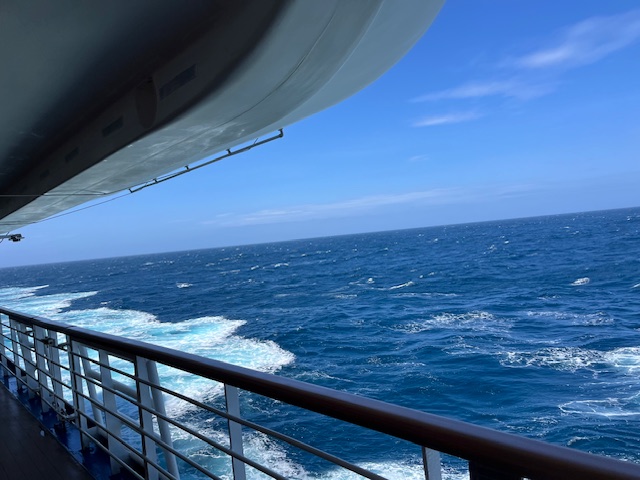
during the regular cruise season, these ships seldom go more than one day without stopping at a port… during a repositioning cruise, there are no ports to stop at between Florida and the Azores, so we had six at sea days in a row to start the cruise… I love the ocean… it is so big and so blue… and something stirs the old romantic in me to hear the captain announce that the closest land is North Africa, 1400 miles away… we were lucky these first six days and had gorgeous weather… the sea was calm and the immense sky was blue with a warm sun and a cool breeze… this ship had a deck closer to the water called the Promenade Deck, which is the deck just below the lifeboats which passengers use to walk… on some of these ships, you can walk all the way around the ship and on many, you can only go part way around… there is also a jogging track way at the top of the ship for those who are energetic… while at sea, as when I am on land, I try to walk 40 minutes every day… on the ship that was about 4 times around the Promenade deck… when not doing my walk, I like to sit in a deck chair on the Promenade deck… I usually have a novel with and my little drawing board, so I can sit and look out at the ocean while working on a drawing or reading my book betwixt and between… when it is calm like this, the ocean is like a vast blue bowl, with the waves growing smaller with perspective until the bright razor edge where the sea ends and the sky starts… we saw very few ships on this crossing… an occasional container ship piled impossibly high with containers stacked so you can barely see the superstructure of the ship… or an equally massive oil tanker riding low in the water like a black stripe on the blue… we did see one sail yacht about halfway across and I wondered who was on the yacht… and how long it had taken them to get to where we saw them…
and so, we made our way across the Atlantic Ocean to Punta Delgada, and Island that is part of Portugal, in the middle of the Atlantic… we have been here several times before and in the past have taken tours to most of the “points of interest” so, we decided to just walk around the lovely little city, have a look at the shop windows and get coffee and soda at a small sidewalk restaurant… the restaurant we chose was on a square with a lovely garden/park in the middle… there was a green lawn with benches and banks of brightly colored flowers, mostly red and yellow… the sidewalk is made of small squares of tile which are kind of uneven so, us old people have to be careful walking… we had thoroughly enjoyed the six days at sea, but it was also good to be on land again for a while…
a typical day at sea would start with me going up to the buffet and getting two cups of coffee for Mary… I would then make another trip up to the buffet to get myself a cup of decaf coffee and breakfast… Mary does not have a meal usually until lunch… normally, I do not drink coffee… at home, I usually start the day with a soda… on the ship, coffee is free while there is a charge for soda, so I opt for the coffee… because I am very sensitive to caffeine, I would get decaf… the coffee seemed very strong to me, so I would fill a coffee cup one fourth way with coffee, add hot water and milk to fill the cup the rest of the way… then I would gather breakfast… the rolls and croissants were fresh and delicious and so, I would usually get a roll or croissant with some butter and raspberry jam, a fried egg and two pieces of bacon, and that would make a great breakfast… I would bring that down to our stateroom and we would then go out on the balcony for breakfast… the ocean stretched in a circle from our perch 12 stories up and every day, there was a warm morning sun along with a cool breeze to make a very nice setting for breakfast… then, after breakfast, I would find a place on the promenade deck in a deck chair to sit and read or draw… this deck which is much closer to the water, featured a long row of wooden deck chairs and a constant stream of people walking by, getting their daily walk in… the lifeboats usually hang just above the promenade deck on these ships, so it is a shady spot when the sun gets warm… I liked to sit toward the front of the ship where the rolling crash of the ship through the North Atlantic swells was the background sound…
Mary would either join me in a deck chair to read or listen to an audio book or leave to attend one of the activities going on… they often have retired college professors on these cruises to give talks on various subjects of interest, for example, and Mary enjoys those “enrichment” lectures… then at about 3:00 PM, I would do my forty minute daily walk… then for an hour, Mary and I would find a sheltered space on the pool deck to play the board game she loves to play… then we would get ready and go to dinner at 5:00 PM… the dinners on this ship were really good and we would be at a table with from six to ten other people, for shared dining and conversation… our fellow passengers were mostly retired persons from all over the USA plus, a lot of Canadians… many of the retirees were from Florida, people who had lived in the colder areas of the USA, but had moved to get away from the cold winters… I found it continuingly amazing that we had such good conversations with so many people from so many varied backgrounds… it is great to be reminded that the things that bind us together as humans are far more numerous and important than our differences… as one would guess, there was lots of talk of grandchildren at these tables… of course, we all worked to avoid political discussions or indeed arguments and disagreements generally…
from Punta Delgada, we sailed three more days at sea to Cork, Ireland… these sea days were a bit different as the days were cooler than they had been and more importantly, according to the ships captain, an area of low pressure was before us… at sea, low pressure almost always means bad weather… in this case, the sea got much rougher and the days were cold and rainy… but for us, it did not matter as I have a medication that I take constantly to prevent seasickness and the ship is large with large public areas and lounges where we could still sit and read or draw while looking out the windows at the larger swells and waves, the grey skies and the squalls of rain and wind… the ship had steered around the worst of the bad weather so we were about half a day late getting into Cork… so instead of a whole day to explore the city, we just had a few hours… where the ship was docked was actually a half hour train ride from the city of Cork proper… the weather had cleared so it was sunny but cool when we got on the train to Cork… we did not have much time there, but we enjoyed seeing the lush green Irish countryside during the train ride… we walked around the town a bit again enjoying having dry land underfoot… we found a small sidewalk café where we stopped so Mary could get a coffee and I a soda… we enjoyed the sun and the amazing accents of the people chattering away around us… then we walked back to the station and made our way back to the ship…
our next port was Falmouth which is in Cornwall… we walked around the town on a beautiful sunny day… there was one long main street lined with shops, coffee places and restaurants… we visited the local library which was on a square just off the main street and a nearby bookstore where I bought a used book, a memoir of a WWI soldier who was in the battle of the Somme… we changed in some of our dollars for pounds at the local post office and as usual, found a lovely coffee shop were we could sit for a while and people watch…
from Falmouth, we went to the town of Portland… Portland is located on a small island and is a short bus ride from the much larger town of Weymouth… so we took the bus to Weymouth… the bus let us off in a quaint square a couple blocks from the river Wey… there we found a small holiday tram which consisted of a four or five cars pulled by a tractor like vehicle decorated to look like a train that you might find in a theme park… we took this train for a tour around the town and got off at the beach… the beach stretched a long way around a semicircle of the bay with a busy street fronting on the beach… there were some bars and restaurants set up on the beach side and along the other side of the street were restaurants, hotels and souvenir shops… it was warm and sunny so there were lots of people on the beach, many families with little children… we found a nice spot for a coffee and soda on a patio looking out over the beach and enjoyed the view of the parents and children… then we looked at the shops and spent some time looking at the fishing boats tied up at the bank of the river… eventually we made our way back to the ship…
the next day we were at Le Havre, France… Le Havre is on the Normandy coast… many of the passengers took tours from Le Havre to Paris or to the d-day beaches of Normandy, a few hours away… we have been to Le Havre before and it is a pleasant French town… we did not take the tour to Paris because that would involve a long train ride and not enough time in Paris to really do much… we did not go to the d-day memorials because that seemed like such a sad and frustrating experience… I really hate everything about war and the fact that many people killed each other at that spot was for me a cause of great sadness and not celebration… there is a modern church in Le Havre and in that church, we saw some pictures of the city absolutely flattened at the end of World War II and even after all these years the city still has, I think a psychic scar, observable in the ugly 1950s architecture, of being so terribly wounded… and still today, the people on this planet have not learned to live together in peace… it all seems very sad to me…
so, in Le Havre, we took a city bus to the top of a high hill and walked down through a park they call the hanging gardens… actually the only part of the hanging gardens we saw was the rose garden at the top, as we walked on a path that went down almost to the beach through a woods… the woods was lovely with birdsong and tangles of green underbrush and big trees, and an easy walk… when we got to the end of the park, we still had like six blocks of steep streets to get down to the beach… we then walked a mile or so along the beach, enjoying another warm sunny day… there are small restaurants in canvas tents all along the beach specializing in crepes and other luncheon food… we stopped frequently to enjoy the sun and watch the people walking along the promenade or enjoying themselves on the beach…
the next day, we got off the ship at Southampton and walked to the local bus station… I had booked tickets on a National Express bus for 12:30 pm so we got to the station about an hour early… the station was a madhouse with lots of people from the ship trying to get the direct bus to Heathrow… our bus to London’s Victoria Coach Station was about two thirds full… after a few pleasant hours on the bus, enjoying the English countryside, we got to London… the drive through London was interesting as we got to see neighborhoods well away from the famous center of London were the tourist stuff is…
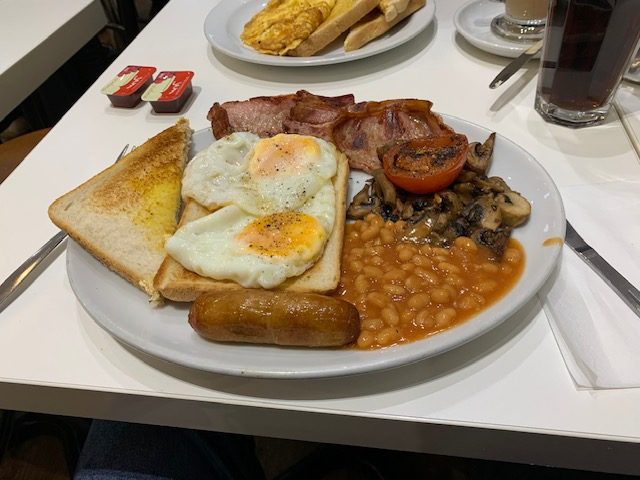
from Victoria, we took the tube (subway) to Paddington Station which was close to our hotel… the room was very small with a tiny little shower that us big fat Americans barely fit into… but I chose it because from Paddington, we had terrific bus and subway service… there were lots of inexpensive restaurants across the street from Paddington, where I could get the full English breakfasts that I love… (the full English breakfast consists of two fried eggs, canned pork and beans, sauted mushrooms, a banger sausage and two pieces of English bacon along with toast and jam… Mary loves the coffee served in these restaurants, so was able to get a start on her day with an Americano Flat White…
our routine in London is to go to museums during the day and to a West End play every evening… the city is very easy to get around by tube and bus… that first day, we went to the National Gallery to see my favorite painting, an enigmatic piece by the mannerist painter Bronzino as well as many famous paintings by the great masters of European painting, with names like Velazquez, Vermeer, Caravagio, Raphael, Leonardo Da Vinci, and a host of others around every corner… l love feasting my eyes on all these amazing works… I don’t actually know if this art has any real value or message for the modern person, but there were crowds of people in the museum, if that is any indication… oddly, people seemed to want to take their own photos of the paintings, even though these paintings have been photographed perfectly by master photographers and detailed images are easily available on line… I first knew most of these paintings from books back when I was a teen and young adult and so to me a visit to this museum, which I have visited many times is a reunion with many old friends… I wish that I could visit the museum with a step ladder, so I could take a close up look at the brush work, etc. on some of these amazing works of art… but, I have to be content with seeing only the bottom few inches close up…
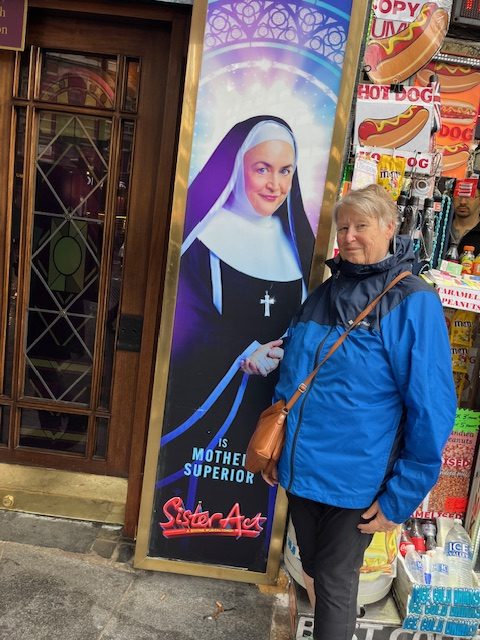
that evening we went to a play… the West End theaters are old and wonderful with creaky carpeted steps up to the balcony were our cheap seats would be located… the dancing, singing, acting, etc. is of the best and every way, I think, equivalent to Broadway, except at a much lower price… so we went to four different plays on the four days we were in London…
the next day, we went to a show of Michelangelo’s late drawings at the British Museum… it was a wonderful show for someone like me who has known all of these drawings intimately for many years and it is always a treat for me to see actual work from the hand of this artist who I love and admire so intensely and who has been such a big part of my life for so long… it was sad to see the very last drawings when that great artist was losing control of his hand and his line took on the shakiness of extreme old age… and to see him still struggling with the same image making that had obsessed him all of his long life was fascinating… to somebody like myself who has spent a lifetime attempting to draw the nude figure, it is wonderful to see how perfectly Michelangelo could do that and yet how he struggled even to the last days of his life to get that perfect image down that was so illusive and that perhaps revealed itself in a whole new dimension with his aging hand and eye…
that evening, we went to another play and the next day made a trip to the Guildhall gallery to see one of my favorite Rossetti paintings… and again to a play in the evening… the next day we went to the Tate Britian to see the Pre-Raphaelite paintings which were as lovely as always, although the Watts paintings did not seem to be on display which was a bit of a disappointment… the Tate Briton fancies itself an “modern” art museum, and I think they are not very invested in the wonderful collection of Pre-Raphaelite paintings that they have… so, the exhibition space devoted to them is small and some of them are hung high so as to be almost impossible to see in any detail… while they usually have vast galleries filled with some contemporary installation of humming idiocy, I think this time is was cardboard figures… well, the world has certainly passed me by artistically and in the world of computer, AI generated art, so called conceptual installations, videos and photography, old fashioned painted images are very much a thing of the past… but then, I am also a thing of the past, and there is a reason why all of my old fashioned figurative paintings are piled in my garage and not on the walls of some museum… oh well… I am just glad that these paintings and drawings that I love so much are still on display and still have an audience.
the next day, we walked from our hotel across Hyde Park… it was another lovely sunny day and Hyde Park is a huge grassy/woodsy park in the middle of the city… the only complaint about Hyde Park is a dearth of park benches, so, we walked across the entire park before we found a place to sit and watch the world go by… the path we took across Hyde Park ended at the Victoria and Albert Museum so, we took the opportunity to visit another of my favorite Rossetti paintings, with a glance at some of their nice collection of William Blake paintings… then one more play and our trip was over…
the next day, we took the tube to Heathrow and got on a big airbus to Boston… we did not get on our flight to MSP, so we spent a night in Boston and the next day, May 25, 2024, made it home… a few days after we got home, Mary started having chest pains again and needed another cardiac procedure… so we are back to doctors and doctors appointments… we were glad and lucky to get our big trip in before the health problems cropped up and hopefully, we have been fixed up now so we can look forward at least to the summer without any more health scares….
three poems related to this story….
Flight from Heathrow to Logan
By: Norman J. Olson
the huge white Airbus
lifted off the runway at Heathrow…
from the air England looked cool and
green until we slipped
into the heavy clouds… soon we were
reborn from the clouds into a
new world of painfully blue skies and
bright sunshine… above a white
floor of clouds…
the big Rolls Royce engines droned
on powering us across the Atlantic
five miles up at 500 miles per hour…
the miracle of human flight has been
achieved not by mystics and dreamers,
but by aeronautical engineers and pilots…
Isambard Kingdom Brunel would be proud, I think…
I looked out the window for a while, but
the clouds were too bright, so I closed the
shade and watched an old Star Wars movie
and fell asleep until the big plane
touched down, with a thump and a roar
of reverse thrust, coming in to Boston over
the rippling sea….
Sailing into Cobh Harbor
By: Norman J. Olson
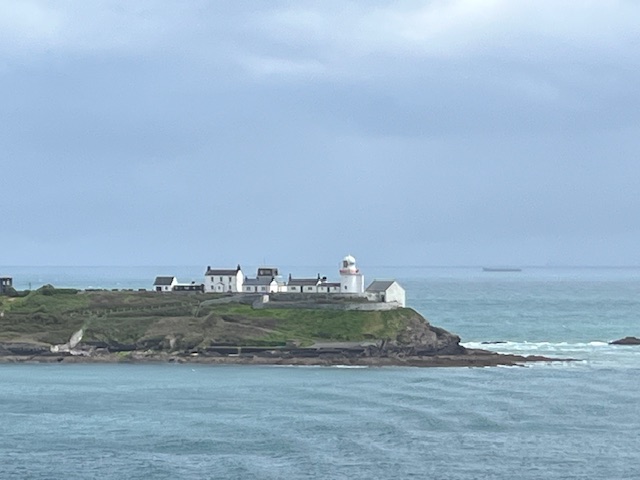
picture a lighthouse… I know lighthouses
are of no use to modern sea captains who
have computerized gps and radar systems
to tell them where they are… but
just humor me and
picture a smallish white lighthouse
on a spit of land… next to the lighthouse is
the lighthouse keeper’s dwelling, a small
white washed house with a few outbuildings
silhouetted in sunlight against the
burning blue of the sea…
picture green squares of fields up the hillside landward
from the lighthouse and a few
small boats…
picture me, elderly working class American
with artistic pretentions,
leaning on the railing of the huge white cruise
liner… as the ship slowly slips past the lighthouse,
its Azipods barely rippling the sea, followed by a heavy duty
red and yellow tug boat…
picture an achingly blue sky above the well rained,
green hills of Ireland, and you will see what
I saw as we sailed into Cobh, bound for a
brief stroll around the city of Cork…
Poetic Musings on the Deck of a Cruise Ship
By: Norman J. Olson
the huge ship churns the North Atlantic swells
into curling waves of foam and
turquoise… beyond the foaming bow wave,
the ocean is as vast and untroubled as
the void of the universe, except painted blue…
we walk around the deck, obsessed with our
minutia… talking about lunch or politics…
looking for flying fish… hoping against hope to
see a whale or a dolphin… I pause to lean on the railing…
I think of Hart Crane, whose poetry is as obscure
as the stars in the sky… he said, “goodbye” and jumped
over a railing much like the one I am leaning
on… he was a friend of Allen Tate, who was a teacher
at the university of Minnesota when I was there… I knew
he was there, and Berryman too… real poets, while
I was stomping around the campus with thick glasses and a
worn overcoat… failing half my classes, trying to write
immortal sonnets and paint renaissance masterpieces…
I was jealous that they were
poets while I could only be described as a sad
and unpromising failure… I remember when Berryman
jumped over a railing on the Washington Avenue
bridge… apparently being a college professor and
a real poet was not enough for him… I was just starting a
20 year career as a factory worker… I thought of approaching
one of them, “see! here! my sonnets! I am a poet too”
but I never got up the courage…
my failure as a poet is now 60 years old…
it is a long story how I wound up here, in the mid Atlantic,
gazing at the ocean from the deck of a huge opulent
cruise liner… still writing crappy poetry… still, in spite
of my success in this world, a “hollow man…”
they say these ships are always followed by
sharks on the lookout for fish the propellers turn
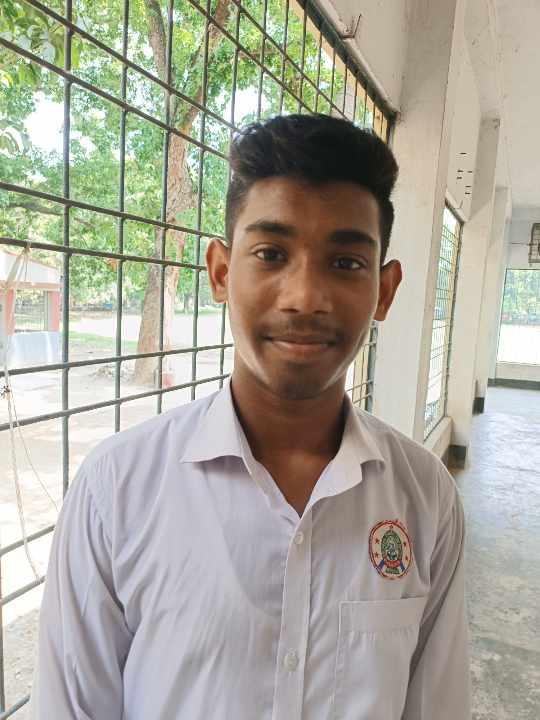
One day a boy named Sofiq went to his School. In tiffin time he quarreled with his friends. So, he was distressed. After breaking the school he lonely went to the rail station. Then, he started working beside the train line. Suddenly he noticed that the train line was broken in a place. And that time he the whistled of a train. He could not know what he did. Then, he hit upon a plan. He had worn a red color tea shirt. He put out his tea shirt and then tired it with a stick and trebled it. The driver of the train noticed that and stopped the train. Finally he saved the lives of many people with his witness.
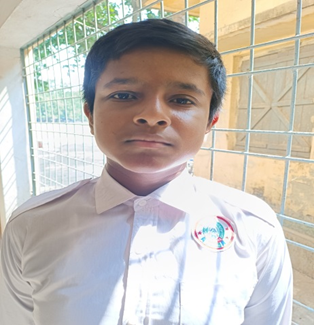
Md. Amir Hamza is a student of grade seven in Harimohan Government High School, Chapainawabganj, Bangladesh.