Synchronized Chaos Mid-April: A Hop, Skip, and Jump

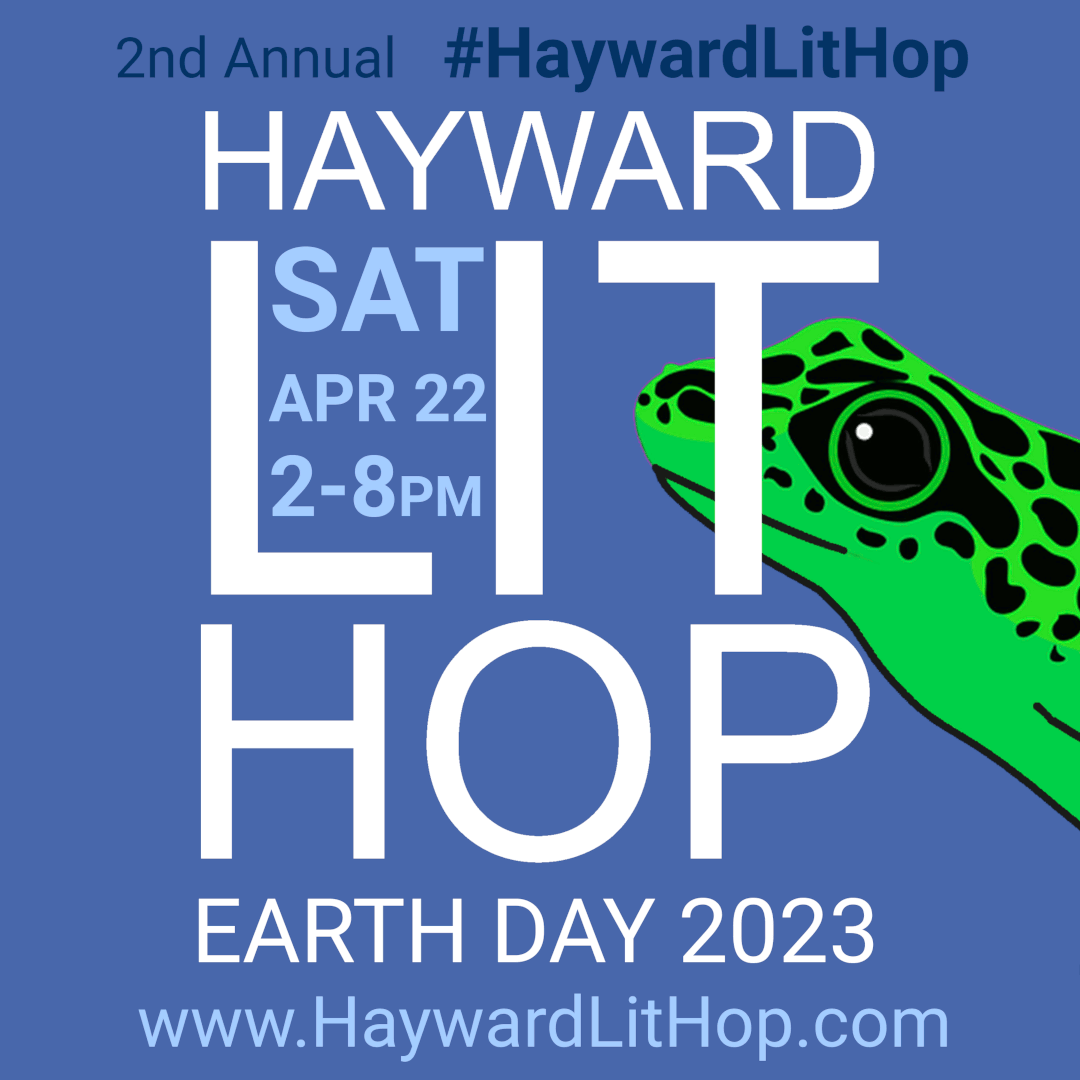
Ad for the Hayward Lit Hop, Saturday April 22, starting at 2pm at Hayward's Heritage Plaza (across from the downtown library). Blue poster with white text and a green frog with black spots.

Welcome, everyone, to Synchronized Chaos’ mid-April issue.

This issue brings everyone along with great energy, with a skip, a jump, and a hop!

We invite our readers to join us for the Hayward Lit Hop, a free, all-ages one-day literary festival in Hayward, California where various literary groups will host readings at different venues up and down B Street. Event kicks off at 2pm in Heritage Plaza across the street from the downtown library and continues at various places until the afterparty at 7pm at the Sun Gallery.

Now, for the submissions!

Jazira Mi explores the joy, and the risks, of embracing life with both feet forward. John Culp expresses the joy of a rare moment of the seemingly impossible.

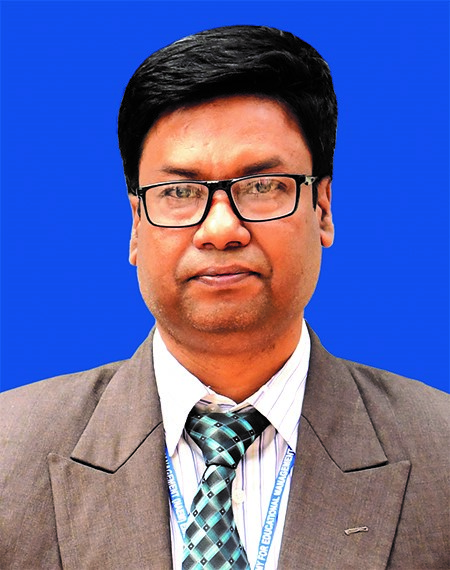
Kumar Ghimire speaks to the dreams that encourage him to push forward in reality. Mahbub Alam illustrates the risks and the joy of banding together with friends, family and neighbors and stepping into the unknown.

Image c/o Flash Alexander

Some artists push forward through experimenting with craft and structure rather than through direct assertions within their pieces.

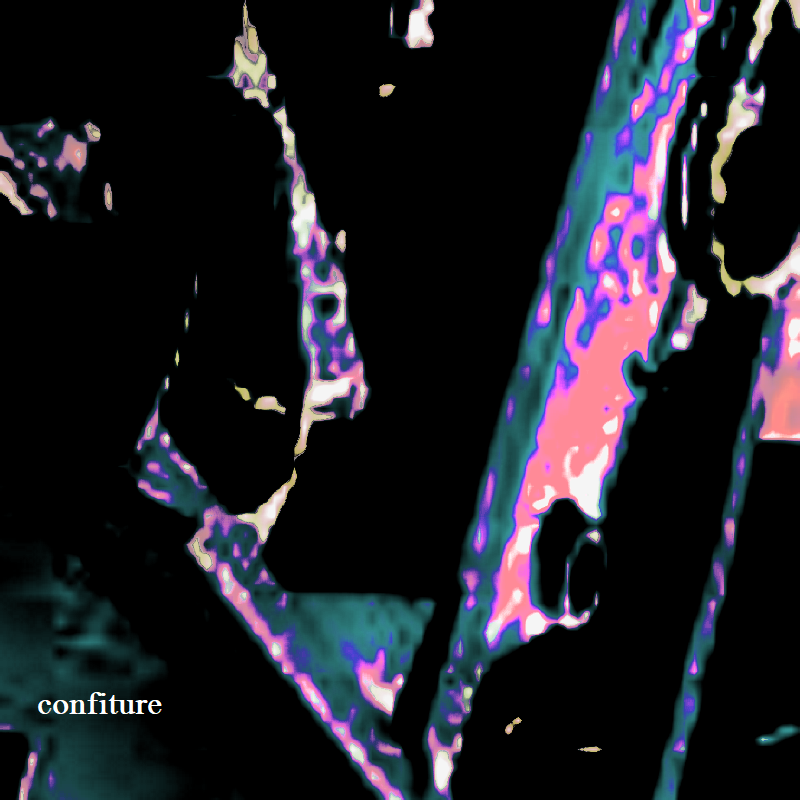
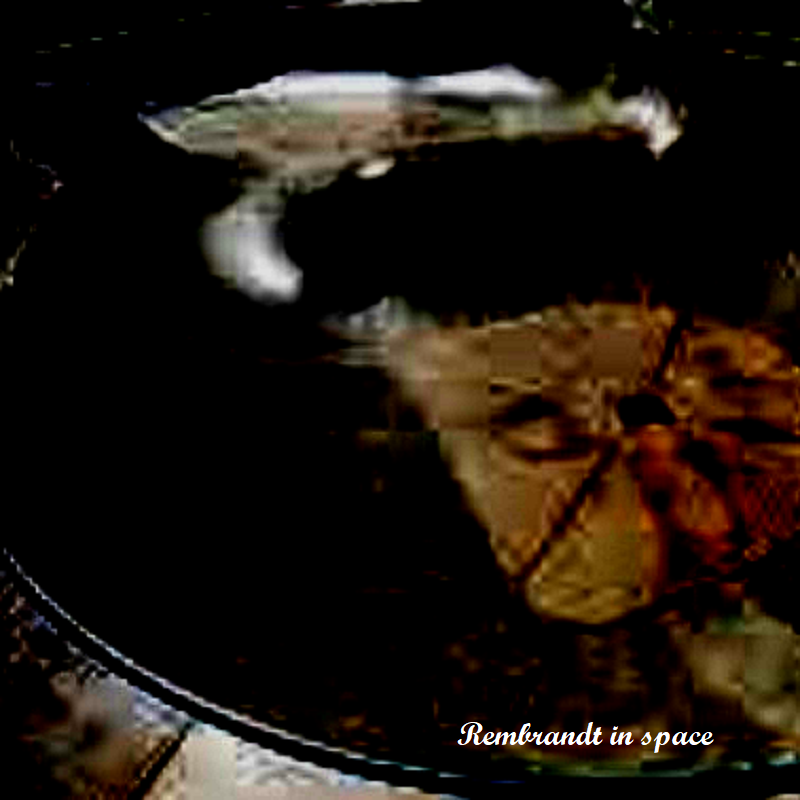
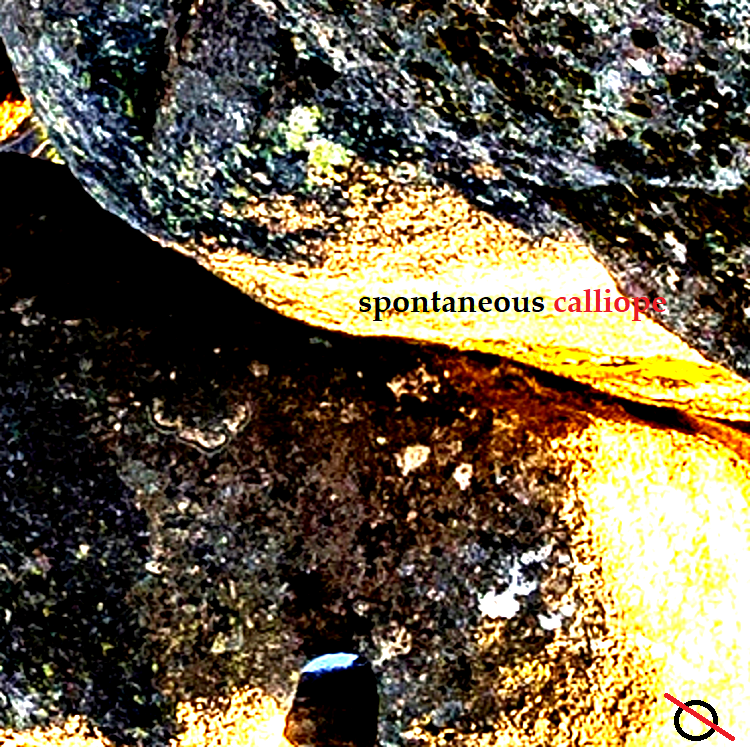
Mark Young contributes rough, surreal, textured artwork that is more about image and color than representation. Tuyet Van Do presents moments of ironic and poignant juxtaposition in her haikus while Jim Meirose presents a surrealist take on a poor sod’s visit to the doctor.

Eddie Heaton takes us on a tour through this life and the underworld through his mythical poetry.

This issue does “look before it leaps,” not ignoring the real difficulties and dangers many face in life.

Chimezie Ihekuna addresses the malaise continual artistic and professional frustration brings. Daniel De Culla comments on the dangers many young people face from predators in a tragicomic poem of advice for students.

Sunil Saroa conveys the loneliness of living among those who don’t understand you. William Hartwick paints a portrait of life with bipolar and Tourette’s and reminds us of the daily discrimination people with invisible or misunderstood disabilities face.

Stephen House relates how he realized the injustice of a dangerous work situation long after it had passed.

Image c/o Piotr Siedlecki

Yet, other writers point to hope, even when postponed, or to the possibility of being able to choose to respond to one’s circumstances in a courageous way.

Chloe Schoenfeld encourages people to persevere through difficult times through the metaphor of a butterfly. Maja Milojkovic raises her fist and heart for love in defiance of oppression and death.

Maurizio Brancaleoni suggest that some may tame their fear of global crises by exaggerating them for comedic effect. Whether this is a form of heroic courage or cowardly denial is up to readers to judge.

Anne Hendricks-Jones’ character assumes an alter ego as a heroine to save children from a school shooting. Sandro Piedrahita’s piece celebrates another kind of heroism, patient love and forgiveness amid the violence and fear of drug trafficking in South America.

Tammy Spears shares loving pieces in memory of her personal heroine, her deceased mother, and also honors her sister and soldiers who have chosen a path of courage and sacrifice. These are excerpts from her collection Flutter of an Eye.

Graciela Noemi Villaverde expresses her longing to be treated as a co-creator rather than a muse or a work of art herself, in a piece that could be addressed to a partner or a deity. Film critic Jaylan Salah takes a second look at beautiful bombshell Scarlett Johansson’s portrayal of femininity on screen and suggests that it may be more complex and assertive than it appears at first glance.
Image c/o Jean Beaufort

Many other writers explore the timeless themes of time, change, cycles, love and loss, grief, healing, and renewal.

Laura Marino’s bilingual haiku follows different seasons and times of day through a succession of moments in nature. Noah Berlatsky comments on being in sync, or out of sync, with the passage of time.

Laura Stamps captures a personality, place, and time through chatty postcard poems.

Mashhura Usmonova recollects the tender bloom of first love while Shahnoza Ochildiyeva conveys moments of young, idealistic soul-level happiness. Linda Springhorn Gunther reviews Lisa Scottoline’s novel Eternal, which situates the beauty of pasta and young love among the repression of 1930s Germany.

Brenton Booth captures short vignettes of moments of connection, real and imagined. Wazeed Abdullah reflects on the love and nurturance of families.

Robiul Awal Esa’s heartwarming story illustrates the power of kindness and gratitude for those who have helped us along in life.

Channie Greenberg sends up another gentle photographic submission, this time of beige and orange flowers. Don Bormon celebrates the natural beauty and renewal of spring.
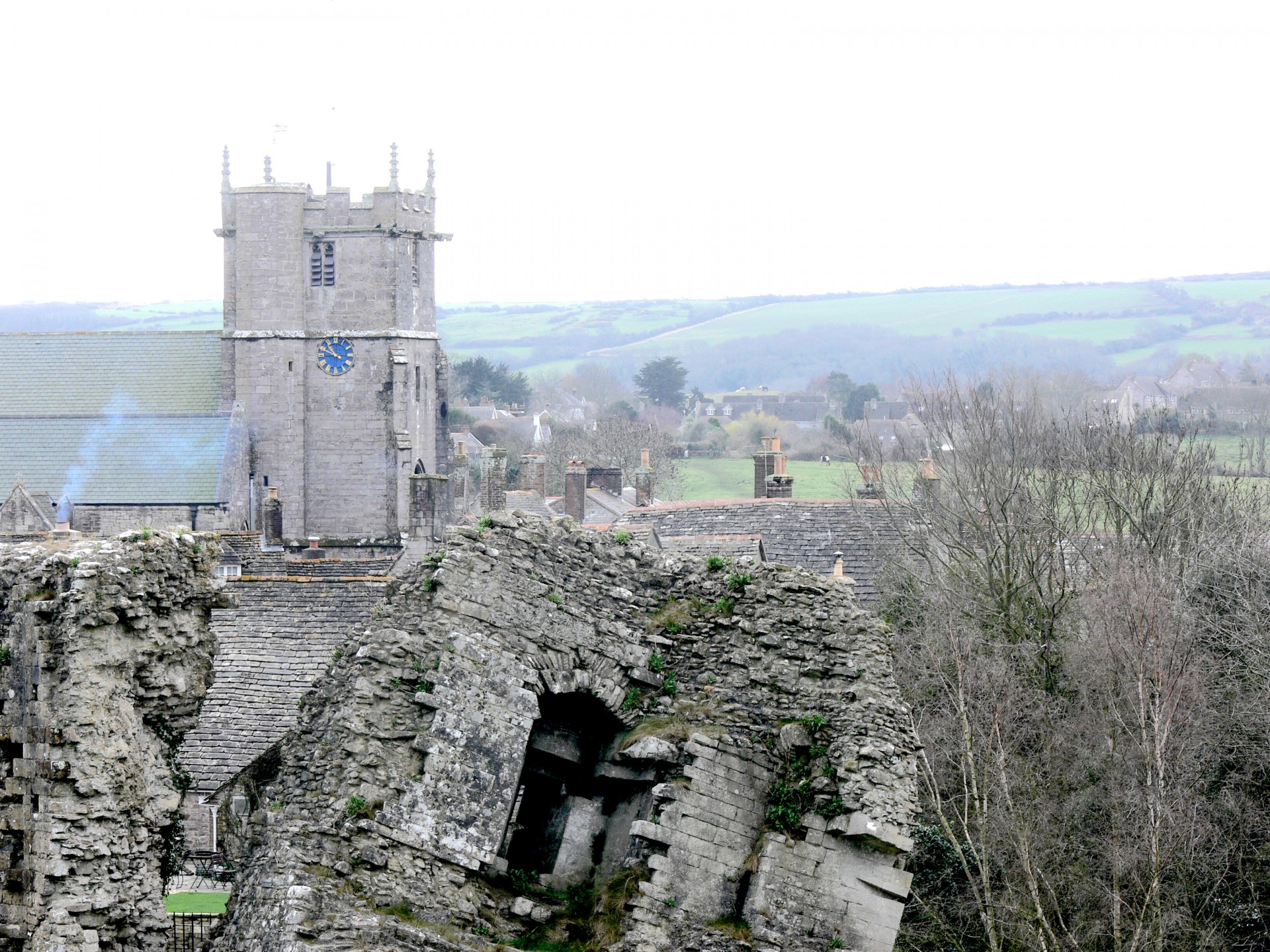
Image c/o Lilla Frerichs

Haze Fry questions whether time alone has the power to heal the wounds of a decayed romance. Zadie McGrath describes the deflation of a youthful romance in a school setting.

Mesfakus Salahin evokes the lingering aftermath of loss, whether death or the end of a relationship.

Azemina Krehic laments the ruins of a beautiful relationship that fell apart after a trip to historic Trieste. Emina Delilovic-Kevric grieves over the loss of her mother’s love, which happened even before her death.

J.J. Campbell addresses and accepts mortality and grounds his answers to life’s big spiritual questions in the here-and-now. Duane Vorhees explores the changing and seemingly arbitrary tides of fate, evolution, and personal destiny.

David Kopaska-Merkel draws on history to show how our personal and collective pasts can remain with us as we move into the future.

Christopher Bernard highlights the transcendent music of the Kronos Quartet that spans space, time, and different generations.

This issue melds the boundaries of space and time as well, representing work from contributors of different generations and nationalities. We hope that it pushes forward your own creative dreams.
Poetry from Sunil Saroa

Clowns.

All of my life, I have lived among stones. 
These stones are not everywhere.
For me,
They are people around me
In the shape of stones.
They can’t be understood, 
Perhaps I don’t want to!
Or I’m addicted to this life.
May be I’m colour blind;
I can’t see reality
Of being human Among stones.
 
It’s a difficult journey
To find a cure.
Difficult to find love.
I have to ask myself, “Is there hope?”
 I believe there is—but where is it?
Is it among clowns?


Sunil Saroa is a short-story writer, a poet, and an essayist from Panjab, India. His works have been published by Livewire.in. and Tell Me Your Story.biz. Currently, he’s a fiction and poetry reader for Longleaf Review, Florida, USA.  He likes to read all the time and write his works while sitting on a balcony early in the morning.His name on official documents is Sunil Kumar.

Poetry from William Hartwick

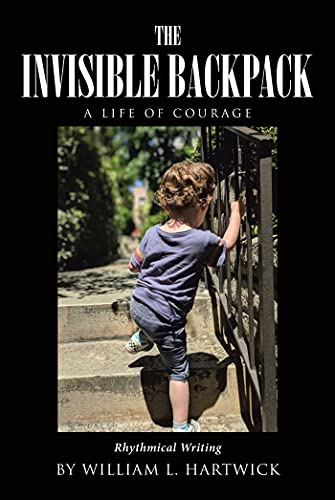
Book cover for William Hartwick's The Invisible Backpack: A Life of Courage. Image is of a young white boy with brown curly hair climbing stairs outdoors. He's only visible from the back.
Why Me?


I have Tourette’s syndrome and bipolar disorder yes blessed with them both
And once I was even arrested under oath
One is neurological no one can explain
The other is caused by the unnecessary pain
Normal basic an average are words of dismay
I’m here to share with you there is another way
No need to judge another for how they make you feel
Take a look in the mirror and see what is real
Love is truly the answer thank you God above
Even Sigmund Freud said hard work and love
As we open up our backpacks and take one thing out
You can always put it back in if you have a doubt
Life is not easy no manual given at birth
Yet 8 billion humans exist together on earth
There is no one like you nor anyone like me
Put one foot in front of the other and soon you shall see
That God above has never let us down
It’s time to hold hands again my friends in each and every town


Trauma

It happened at birth a coma for
me, for others I'm not sure
The fact of the matter is, there is no cure
It comes in many avenues, from physical to the mind
There is no defining it, no particular kind
Some have it for a lifetime, some right away
If we don't deal with, forever it will stay
Exposure to so many has really made me ache
Accepting my own trauma has really made me wake
The pain is deeper than I ever thought it could be 
As I open my heart to others they can clearly see
How much I am hurting over this recent tragic loss
Not only losing my wife but
dealing with a horrible boss
What I am realizing is that I am not alone
Coming together with complete strangers
and seeing how they have grown
Gives me inspiration way beyond belief
Never did I imagine there could be so much relief
I thought I was alone suffering this awful pain
Thinking I was crazy, literally going insane
Listening to their stories as they
share their lives with me
Has surely made me realize that I can plainly see

That trauma is a creature that comes in many ways
I am thankful for this experience
and cherish all my days
As I wake each morning wondering
what the day will bring
And listen to birds outside my window sing
I can't help but think and hope that
each day brings a smile
To everyone's lives that's here on
earth for only a little while
I pray to God each night as I lay my head down to rest
That ALL our trauma lives will turn out for the best
My trauma is forever, but my heart is now stronger
For human bond and love of life will last even longer

 
Tourette's and Bipolar Disorder, Yes, Both

Hey, Darin and Marcy, I finally found
out I have Tourette's, holy shit! 
"You can have them all little sons of
bitches and get away with it!"
In Tau Kappa Epsilon, my fraternal 
name was "Twitch."
A term of endearment, a nickname I will never ditch
Living thirty-five years of my life, 
always wondering why
I would go from complete laughter
to a sudden tearful cry
Teased my entire childhood mainly by those we "trust"
Adults were the worst of all; high
school was a fucking bust
Called a son of a bitch by Dale Thomas
and literally kicked out of class
And Jeff Nynehouse, "I can't handle you
on the bus," what a fucking ass
My label given to me has long been misled
Even those who have this "gift" have been misled
Medication was prescribed; what a fiasco that became
It is not okay for medical professionals
to cause "US" to go insane

The only neurological disorder known
to those prescribing drugs
Sorry, Dr. Narus, LOVE is the answer;
please start prescribing "hugs"
"I want some of what you're on, 
can I have some SHIT?"
"I have Tourette's, you want some of IT?"
My final straw came when I was
arrested and thrown in jail
"DUI other than alcohol," just try and make bail
Before you judge those of us who suffer from this pain
Think to yourself, "What do I have to gain?" 
We all have a disability; just take a look in the mirror
"Can I walk on water?" or do I just have a fear? 
How to accept others, no matter the
twitch, the glasses, or the creed
Thank God for those who can understand
why I choose to smoke weed
It is the only true relief I have
ever had other than LOVE
"Footprints in the Sand," my friends;
thank you, God above
So often people walk away or simply want to ignore
Maybe Tourette's will go away, we won't
have to deal with "THEM" anymore
To all of you that have this "gift,"
the one that makes me, ME
Don't ever let them put you in the 
"box," live and be free

I am proud of my life each and every day
Of course, there are times I think, make IT go away" 
So when you are passing judgment
or "choosing" to discriminate
You are one of "THEM," you are causing the HATE!


This poem is from William Hartwick’s book The Invisible Backpack. which is available for order.

The Invisible Backpack is a labor of love created from a life-long struggle to come to terms with who the author is and accept himself as he was meant to be. We are all born with an invisible backpack on our backs. It is where we put all the hurts of life. When we are young and courageously climbing the stairs of life, it is extremely light, and we really don’t know it’s there. As we get older, it gets heavier with whatever pain, grief, or trauma we experience. Unfortunately, we resist taking these feelings out of our backpacks and let go of them. Some of us hold onto them so tightly, we forget to make room for the things that lighten our load…forgiveness, acceptance, tolerance, and love. For if we can put these items in our backpacks, it will cancel out all of the negative things we’ve been holding onto, and our life journeys will become much lighter.

Christopher Bernard reviews the Kronos Quartet at Zellerbach Hall

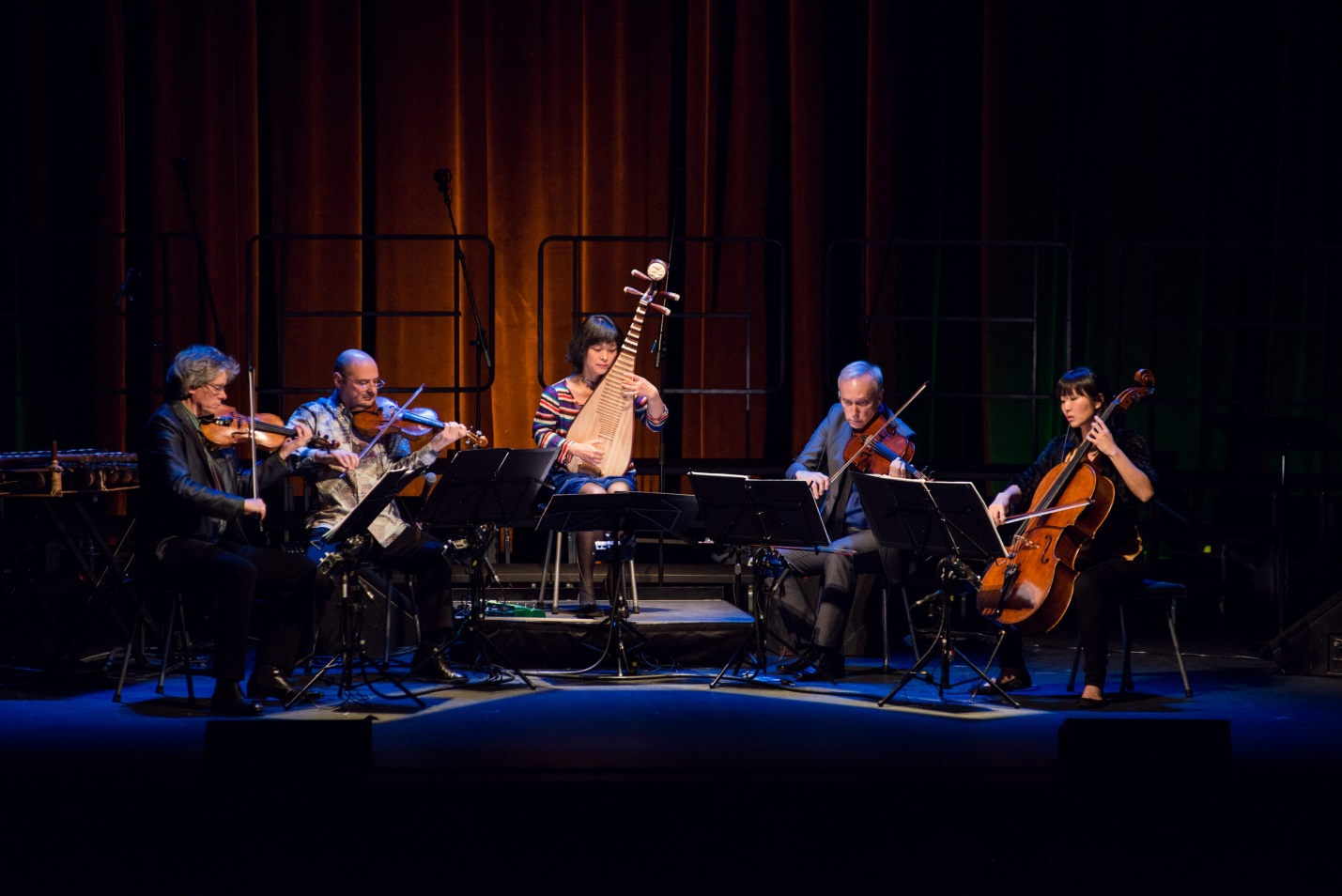
Wu Man performs with the Kronos Quartet (without cellist Paul Wiancko) (Photo by Stephen Kahn)

The Ghosts of Space and Time

Kronos Quartet and Wu Man (pipa)

Zellerbach Hall

Berkeley

After a winter of bomb cyclones and atmospheric rivers, the Kronos Quartet – the legendary San Francisco ensemble that reinvented the string quartet for our time – gave one of its most satisfying concerts in memory on a blissfully rainless first of April at Zellerbach Hall in Berkeley as part of Cal Performances. April Fool’s Day and the feast of Hilaria were soon forgotten in a concert that sent at least one person in the audience home wrapped in the mystery of other times and places.

It’s only fair to say that not all of the quartet’s many and various experiments in making the string quartet “relevant” come off. And sometimes my faith in new music has been tested. But tonight there were fewer distractions than revelations, all of the latter involving, and often led by, the quartet’s collaborator, Wu Man, a winsome, deeply gifted musician who makes difficulty seem as easy as dreaming.

Wu Man, it’s fair, if paradoxical, to say, is the world’s most renowned performer on an instrument almost nobody knows – the pipa. This lute-like instrument from China, with a long, thick neck and a pear-shaped belly, has a history going back two millennia. Both strummed and plucked, it added delicious bite and spice to the woody rosin and catgut of the western strings. Two of the concert’s revelations were composed Wu Man, working with American composer Danny Clay to transpose her musical inspirations into legible scores.

Glimpses of Muquam Chebiyat is adapted from the traditional Uyghur Muqam Chebiyat, which Wu Man discovered through the musicians Sanubar Tursun and Abdullah Majnun, members of this persecuted minority in China.

Awareness of the oppression of the Uyghur population makes the music even more poignant, but the political dimension is by no means needed to focus one’s attention. A soft and intensely lyrical melody, played with profound sensitivity by the quartet’s remarkable violist Hank Dutt, sets the tone for the first half of the piece and is passed and varied delicately between the five instruments. The second half is a dance, curiously in the classic western three-quarter’s meter, charged with the sharp plucking of the gleeful pipa.

Wu Man’s second piece was titled Two Chinese Paintings. The first short movement, called “Ancient Echo,” is graced with delicate arpeggios based on a pipa scale from ninth century China. The second is a variation of “Joy Song” (Huanlege) from a classic collection called “Silk and Bamboo” – a clattering, happy piece that, making few concessions to western scales and harmonies, drew out the most compelling, and totally unpredictable, joys.

The concert’s greatest revelation was saved for the second half, though perhaps I shouldn’t call it a revelation for myself, because I first heard it, with the same instrumentalists, many years ago in San Francisco, in a concert about which I now can say definitively that I will never forget it.  And yet, seeing and hearing it again was, if anything, a new revelation – of the ghosts of time and space, which seemed almost to vanish as I felt as though I were reliving the remarkable experience I had then.

The piece was one of the earliest works presented to American audiences by a composer who has become, if not a household name, at least a name to conjure with in contemporary music: Tan Dun, winner of too many awards to mention, and a leading conductor as well as composer. For me, Ghost Opera is one of the unquestionable masterpieces of contemporary music – a work of profoundly satisfying audacity.

The work is fully, yet economically, produced, on a stage that is almost completely dark, for string quartet, pipa, water, stones, paper (including a long swooping drape-like scroll, brightly lit, like the broken piece of a Chinese ideogram), metallic instruments including Chinese cymbals, watergongs, and a large pendent gong, and Chinse vocalizations from the instrumentalists, like wailing cries of the dead, the living, and the unborn.

There is no story as such, except for a set of variations, begun on David Harrington’s haunting violin, of a melody from Bach that is rendered both malleable and ghostlike as it winds through a gamut of transformations based on both western and Chinese scales, harmonies, and rhythms as it passes from player to player.

The stage is, as mentioned, almost entirely dark throughout, with pools of light above large glass bowls of water, where the water is performed in rituals of the cleansing of hands, and elsewhere lighting individual players, later in groups, then returning to individuals as they disperse and disband back into darkness and silence, “under the rule of Heaven.”

A tall narrow, translucent scrim stands in front of a riser, where, first, the cellist (a fine Paul Wiancko) is shown in dramatic shadow cast by a brilliant light at the back of the stage, and, later, where Wu Man stands, like a ghost just visible as she performs, sometimes responding to, sometimes leading, the more-earthbound quartet.

There is much imaginative use of space both onstage and off – for instance, in the first of the five seamless movements, the violist performs in the audience in response to solo violinist and pipa player at different corners of the stage like distant stars in a moonless night.

Tan Dun has stated that his inspiration for the piece was the “ghost operas” of China, a 4,000-year-old tradition in which the living, the dead and the unborn speak to each other across the boundaries of time and space.

The result was, again, an experience, both dramatic and musical, of unique intensity and beauty and of a profundity that lies at the far end of words – though Tan Dun uses, along with Bach’s music, the words of Shakespeare (famous lines from The Tempest: “We are such stuff / As dreams are made on. . . .”) – words that seemed almost unnecessarily specific, as the work as a whole both expresses them and contests them: if those works speak true, not even a ghost will survive – and yet we have just seen their power.

The concert began with a rousing work by the inventor of minimalism in music, Terry Riley: the first movement of The Cusp of Magic, where David Harrington plays a peyote rattle and second violinist John Sherpa plays pedal bass drum while grinding grandly away at his fiddle, and Wu Man keeps everyone sharp with her pipa. The piece was performed against a background of electronic music and sound sampling compiled by David Dvorin.

The first half of the program ended with the one piece in which Wu Man did not perform: Steve Reich’s Different Trains, a piece I felt overstayed its welcome and has not aged well, though the original concept was of interest.

The enthusiastic audience was provided a delightful encore after Tan Dun’s transcendent achievement: an arrangement for the evening’s ad-hoc quintet of Rahul Dev Burman’s Mehbooba Mehbooba (Beloved, O Beloved).

The audience left for home with the strange but striking sense of being deeply moved – and yet feeling very merry indeed.

_____

Christopher Bernard is a co-editor and founder of Caveat Lector. He is also a novelist, poet and critic as well as essayist. His books include the novels A Spy in the Ruins, Voyage to a Phantom City, and Meditations on Love and Catastrophe at The Liars’ Café, and the poetry collections Chien Lunatique, The Rose Shipwreck, and the award-winning The Socialist’s Garden of Verses, as well as collections of short fiction In the American Night and Dangerous Stories for Boys.

Poetry from Mahbub Alam

Poet Mahbub, a South Asian man with dark hair and glasses and a suit and tie
Poet Mahbub Alam

The World's Agencies

The world is divided into different agencies
In these areas there happen so many incidents, accidents
Planned or unplanned
The cat's-paw tinges bloodying with the sharp nails
The staffers think staring -----
How the role-play of a cinema's villain!
I am the sufferer who is snatched away
Threatening with the arms all the way
And the passers-by only watch 
Having nothing to say nor a step for protection
We are living in such an unsafe zone
We are here, where we think over --------!

Chapainawabganj, Bangladesh
14 March, 2023


The Sea Cafe

Hello, let's have our snacks altogether
The unknown has invited us 
Let's shook hands and enjoy the coffee break
Now the time is to rise in the midst of the sun and the moon
We have already reached our long pathway goal to our journey
Holding tight the hands not to leave each other 
Live together, walk together, work together and sleep together
Forgotten!
Let's make a dancing stage ---
We all get lost among ourselves in the world of forgetfulness- The Sea Cafe.

Chapainawabganj, Bangladesh
17 March, 2023

Poetry from Graciela Noemi Villaverde

Graciela Noemi Villaverde

CONSTANCY

 Hey, the voice of a thousand sighs/
 return your light to me
 Turn your eyes, before it is left, all dark,
 In blind fog/
 I'm not just your work
 Your masterful craft.
 I am also your part, a thousandth of an effort
 Something that flaunts in the trade.
 My participation is in finiteness/
 An irreversible dam, that tried to reverse,
 The massive balance of the heavens.
 I am your nostalgia, there is no doubt.
 I am your way of having wanted to be time.
 I am your total constancy.


Graciela Noemi Villaverde
 Argentine poet writer based in Buenos Aires
 She has a degree in letters, author of seven books in the poetry genre. She has been awarded several times worldwide. She works as the World Manager of Educational and Public Relations of the Hispano-Mundial Union of Writers UHE and World Honorary President of the same institution.