
Classification of sounds in English

Abduqaxxorova Odinaxon (The 1st class student of Uzbekistan State World Language University)

Abstract:

To define and categorize sounds as language units, it is not sufficient to understand how speech organs produce sounds. It is considered that a phoneme is a speech sound, a functional unit of speech. It is the smallest functional unit of speech, which exists in the speech of all people, all languages and communities.

Introduction:

From the practical view, the organs of speech are capable of uttering many different kinds of sounds. No one can describe and write sounds clearly. The study of phonetics is ancient.  Indians and Ancient Greeks were both aware of it.  But in the second half of the 19th century, it started to advance as a science. Lexicology, grammar, and stylistics are intimately connected to the language's phonetic system, vocabulary, and grammar because they form an integral whole.

 44 phonemes of English are represented by the alphabet's 26 letters. There couple of major classes of sound in all of language that  named as vowels and consonants. 24 out of 44 sounds, 21 out 26 of consonants and separated from vowels  by the fact that there is an  obstruction in the throat during  pronunciation. Then, we have 20 vowel sounds  and 5 letters left. When it comes to consonants ,they are divided into 3 levels in linguistics, which are acoustic, articulatory and  auditory aspects. According to V.A. Vassilyev, primary importance should be given to the type of obstruction and production manner of noise. He identified two big classes  of consonants:

a) occlusive
 b)constrictive.
For instance, pine- fine , bat-that, bee-thee ,take –fake ,like-bike, tea-sea, seed-seas, pull-full and etc.

Moreover, phoneticians thought that the basic principle of classification should include degree of noise and this prompted the creation of another split:
Sonorants- p,b,t,d,k,g,f,v,s,z,ð,θ ,dʒ , tʃ ,ʒ , ʃ.
Noise consonants: m,n, ŋ,w,l,r,j.

It is significant to first describe the articulatory and acoustic characteristics of vowels before discussing them. Vowels, unlike consonants, are voiced sounds produced without any obstruction. Besides that, vowels differ in respect of their length. All English vowels are divided into 3 graphs: monothongs, diphthongs and diphthongoids.

Monodiphtongs are vowels which articulation is unchanging. There are 12 monodiphthongs in English which are
[cɪ ,e, æ,ɑ: , ɒ, ɔ: , ʊ, ɜː ,ə]  example:
-dagaut  [ˈdʌɡaʊt], flap [flæp] , uniform [ˈjuːnɪfɔːm] .

The word “diphthong “ comes from the Greek and means “2 voices” or “2 sounds”. And it is a complex vowel sound that involves movement of the tongue from one situation to another pronounced so as to form a single syllable. The English diphthongs are:

[eɪ, aɪ, ɔɪ,aʊ,ɜʊ,ɪə,ɜə,ʊə]  for instance:
-appetite [ˈæpɪtaɪt],eight  [eɪt] .
Diphthongoid is a vowel that is midway between a monodiphthong and diphthong , one vowel represent two sounds like pipe [aɪ] or union [:u] .

Conclusion:

Discourse acknowledgment and utilization in children's early word learning and successful nonverbal and verbal interaction with grown-ups and other children depend on sounds. Youthful individuals learn how sounds work through the words they listen to from grown-ups. English is classified as a Germanic dialect since it borrows advancements from other Germanic dialects such as Dutch, German, and Swedish. These joint improvements demonstrate that the dialect plummeted from a single Germanic predecessor.

References:

1.M.T.Irisqulov,A.S.Shatunova, A.A.Muzykina. English phonetics.2007.
2. M.A.Соколова, К.П.Гинтове, Л.А. Кантер Н.И.Крылова ,Стихонова, Г.А Шабадаш . Практическая фонетика английская языка. 1997.
3.Vassilyev.V.A.English phonetics.1970.
4. web-site:  https://infourok.ru/classification-of-english-speech-sounds-4776214.html
5.A.A.Abduazimov,ingliz tili fonetikasi,2007
Essay from Shaxinabonu Fatulloyeva
Some useful strategies for improving speaking skills

Speaking is a part of the important skills in learning English.
Speaking is an activity to express oneself in a situation or to express a sequence of ideas among people in a community by using verbal and non-verbal symbols in a particular language, situation, and context.

Remember that if your goal is improving speaking skills, it is a good idea to read aloud. This will not only help you practise unfamiliar words, but also help you improve your pronunciation and fluency.
To turn into a better communicator, you need to spend time. You will not notice changes overnight, but if you keep working step by step, you will develop significant skills. Like Dave Brailsford dominated world cycling by using the marginal gains technique, you should approach your progress as a daily improvement.

Here are some tips which help you improve your English speaking skills.

One of the biggest reasons why people struggle to speak fluent English without hesitation is because they feel conscious of their words. If your native language isn’t English, you prefer speaking as little as possible to avoid any mistakes. You worry about others judging you and as a result, you keep your lips sealed.


Unfortunately, you will have a hard time improving your English speaking skills unless you try. Without attempting to speak, you cannot improve your communication.

Expecting to improve your speech by speaking as little as possible is like trying to learn swimming without stepping into the water. You have to get wet to learn and water will seep into your nostrils when you are learning. People might turn around to look but do not let that bother you much.

I had the same insecurity when I had trouble speaking in a flow. I used to try to wrap up my sentences in quick bursts. But little by little, I stepped out of my comfort zone.

During the process, I framed some terrible sentences and used the most stupid words for the context, but I got better. I am not an amazing conversationalist even today, but when I look back at how hesitant I was many years back, I feel happy to know how far I have come.

If you do not want to talk because you fear making mistakes, read no further because the rest of the tips will be of no use.


And additionally;

2. Embrace pauses

The biggest fear of a person with weak communication skills is a pause. The sound of silence between a sentence makes them feel like they are under the gun of judgment.

The truth is, pauses add more value to your speech when you use them right. All good speakers use pauses for the best effect. If you need an extra moment to gather your words, just pause, even if you are in between a sentence. Sometimes you might pause at awkward points but you will realize the difference between the good and bad pauses yourself.

A little silence works better than an incorrect usage of words. Also, a pause makes you appear more thoughtful. Do not fear pauses, embrace them.


The most common flaw in conversations is the overuse of filler words like “errr, like, umm, you know”. When you gather your thoughts to grab the right words, you feel the necessity to fill in the silence with a sound or words.

You do not have to.

As mentioned in the previous tip, pause instead of using a filler word. Now, it is easier said than done because your subconscious mind prompts you to use those words without your knowledge.

But if you pay enough attention to your words, you will notice your mistake as soon as you do it. You may not detect it quick enough to stop using the filler word, but you do have a moment where you feel, “damn, I used ‘like’ again.”

When you keep telling yourself you made the mistake, the message feeds into your subconscious. So mentally tell your brain that you messed up and your mind will learn to correct itself. Again, do not expect results overnight, but if you do this many times in a day, you will notice a significant cutback in your usage of filler words in a month.

I used tons of filler words. Like, err, umm, you know. You name it and I have had that habit of using it. Telling myself I made a mistake was one of the most powerful techniques which helped me get over them. Today I feel so comfortable using a pause instead of a filler word and so does the listener.
Synchronized Chaos Mid-August 2023: Prolific Potpourri

Welcome, family and friends, to August’s second issue of Synchronized Chaos, the Prolific Potpourri.
Linda S. Gunther remembers a bittersweet lost love by the New York moonlight. Bakhora Baktiyorova finds comfort for the loss of her love in everyday natural scenes and bitter coffee. Ahmad Al-Khatat grieves a loss through philosophical reflection amid self-destructive habits. Manzar Alam memorializes a fellow teacher who has passed away in his stately poem.
Sayani Mukherjee finds a concert and an artistic palette in her everyday morning routine in New York.
J.J. Campbell observes through a set of vignettes that his imagination is preferable to his memory. Atagulla Satbayev reminds us of our mortality and the fragility of our loves.
Mahbub Alam memorializes a national human tragedy in Bangladesh while reminding us of the joyful energy of romance. Both love and death continue throughout the human condition.
Gustavo Galliano illuminates the horror of humans’ inhumanity towards each other in his piece on the United States’ atomic bomb attacks on Hiroshima and Nagasaki. Mykyta Ryzhykh also renders the existential questions nuclear war poses into poetry through understated, undercapitalized lines that ask what could possibly be left standing after that level of destruction.
Jerry Langdon exposes the psychological bruising his heart has endured over decades. Elmaya Jabbarova points out that we can all suffer emotionally, so we should all treat each other with respect.
Sabrid Jahan Mahin speaks to the relentless human impetus for adventure and greener pastures.

Graciela Noemi Villaverde laments the difficulty of overcoming past betrayals and being wrongly thought less lovely with age. Mirta Liliana Ramirez resolves to learn from her life experiences and move forward. Christabel Angel Douglas thanks her past for its lessons and the strength and resolve she draws from them. Zimbabwean writer Abigirl Phiri shares the spirit-crushing force of discouragement, yet urges readers to continue, even just for one more day. Aisha Damilola Abioye rejoices in the resilience she observes in a close friend’s life.
Adhamova Laylo urges readers towards perseverance and self-improvement through gentle encouragement. Nozima Gofurova prods readers on towards achievement through sharing her journey and accomplishments.
Mantri Pragada Markendeleyu offers up bits of wisdom through his illustrated quotes and also sings of the joy and exuberance of romance.
Kristy Raines highlights the unconditional love she and her partner have for each other and for their children. Chimezie Ihekuna, aka Mr. Ben, illustrates through his book The Meeting Point how parental attention can impact the lives of even very young children. Mirfayzbek Abdullayev highlights the importance of Uzbekistan’s national education initiatives for children’s development.
Leslie Lisbona recollects how her parents’ struggles affected her as a teen and young adult. Shabnam Shukhratova encourages young adults to learn competence at life skills through studying abroad.
Safina Abdusalomova relates how a young person came to appreciate his parents at an older and wiser age.
Maja Milojkovic speaks to the acceptance and love and guidance she finds through her spiritual faith. Dilurabonu Vayisova honors the connection and resonance she finds during the sacred Islamic month of Ramadan.
Annie Johnson shares her desire to join in a sacred dance with nature and her beloved while Lillian Woo revels in the music of waterfalls and the outdoors and the ecstasy of romance. Laskiaf Amortegui joins the song, as the gentle orchestrations of crickets accentuate her yearning for her love.
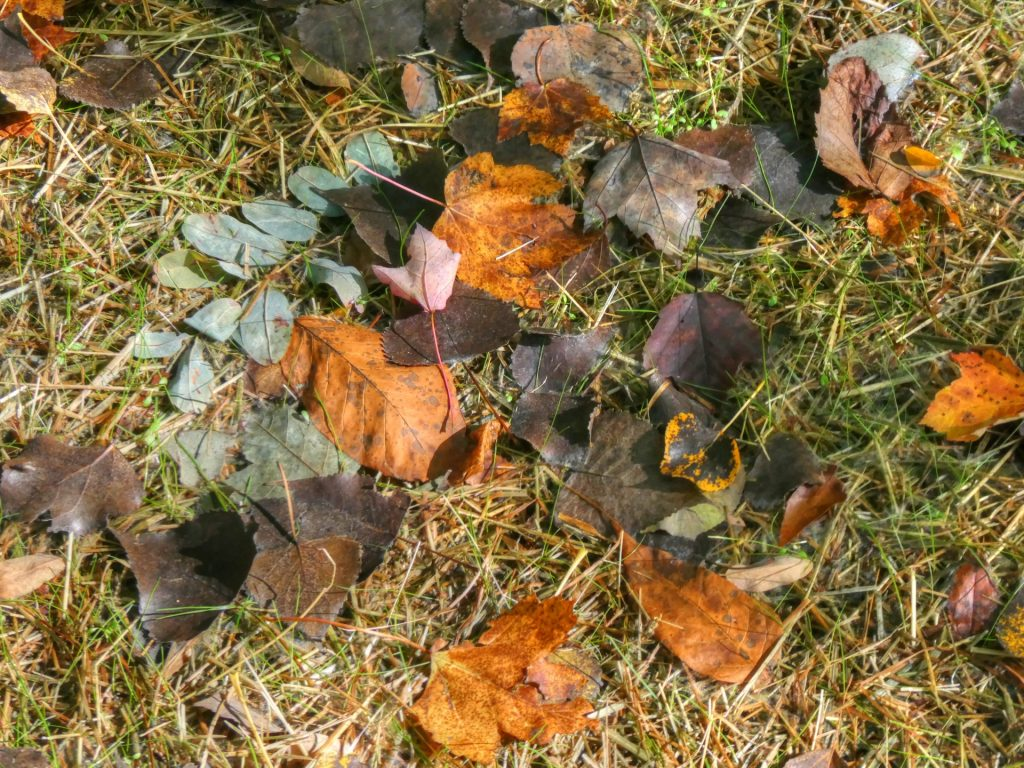
Mesfakus Salahin finds reminders of his beloved throughout the outdoors, in the scent of the air and the sight of vistas.
Faisal Justin finds both beauty and peace in nature at twilight, while Anindya Pal compares love and connection to the swell and flood of a monsoon.
Monira Mahbub sings of the joy of gentle rainfall while Akhlima Ankhi dramatizes a cataclysmic storm. Brian Barbeito takes closeups of moments in nature from different angles to recapture its wonder.
Daniel De Culla snaps natural vistas and intimate, somewhat amusing moments where people connect with nature. Isabel Gomez de Diego’s photos look into ways we experience the beach: sunbathing, boating, plated sardines. Channie Greenberg observes intersections between the natural and the human, built worlds.
Brian Michael Barbeito captures liminal spaces and conditions: storms between periods of growth, people and experiences between the literal and the esoteric. Shammah Jeddypaul combines varied mythologies to explore the world before the Genesis creation.
Laszlo Aranyi speculates on a gruesome, yet fascinating, post-human, demonic future. Marjorie Thelen wonders if we already exist within a real-world dystopia.
Shamsiya Khudoinazarova Turumovna mourns a succession of seasons without growth. Lillian Dipasupil Kunimasa reflects on the futility of the human condition if we cannot change certain harmful behaviors.
Joel Oyeleke grieves for the lack of hope and difficult conditions in his country of Nigeria in a poetic ballad. Emmanuel Umeji expresses similar sentiments in his psalm of mourning for national violence.
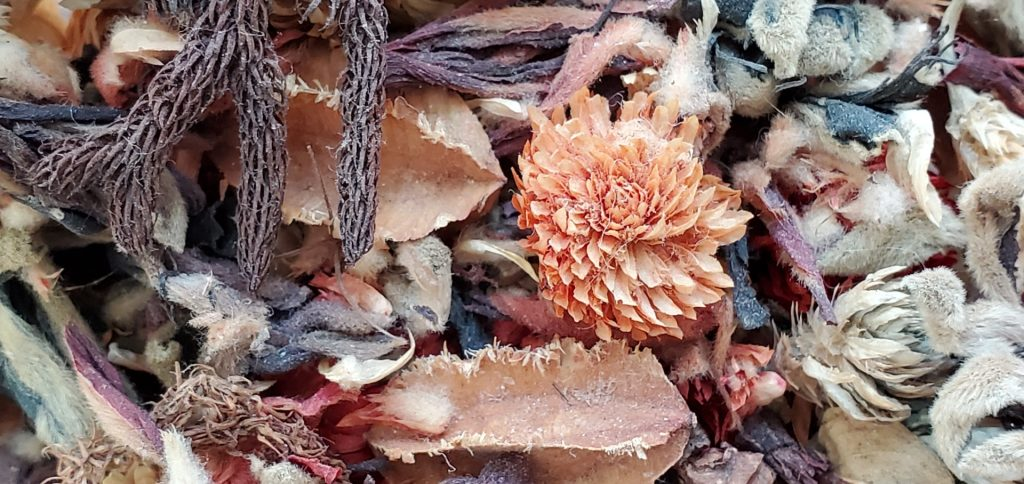
Tanvir Islam extols a wise and helpful teacher while Don Bormon praises the history of his school. Wazed Abdullah honors the diligent work of Bangladeshi farmers. Mahliyo Raximboyeva reflects on the strength and beauty of her native Uzbekistan as illustrated through a public statue.
Z.I. Mahmud illustrates how Jane Austen’s Pride and Prejudice contrasts the love-at-first sight ideals of romance with real and complicated human relationships.
Taylor Dibbert speaks to the common awkward experience of running into an ex in public, and deciding not to say all that could be said. Muhammad Sani Habibat expresses parting wishes through describing a balloon release.
Jim Meirose evokes the experience of attempting to amass too much information into one’s mind at once. Noah Berlatsky stirs many cultural concepts and icons together into a gelatinous mass of recollections. J.D. Nelson peers at our world faintly, as if through a darkened glass, through his haiku.
Seymour Knecht ponders questions of cultural difference, etiquette, and kindness as a visitor to northern Nigeria.
David Estringel creates a slick, gritty urban shadow-poetics of the underbelly of a modern city and its inhabitants.
Mark Young speaks to how we are all embedded in a much larger world containing natural ecosystems of insects, birds, animals, and fungi and cultural ecosystems replete with music from various eras.
Tohm Bakelas ponders our place in the universe, where we fit among the very small and the very large. Duane Vorhees describes assiduous perseverance in the name of various causes, yet speculates as to whether the devotion is worthwhile and whether moderation might have been preferable.

Robert Fleming re-visions famous disco balls from the United States and the U.K. into colorful graphic images, reinterpreting the fun energy into a static format.
Bobur Matyokubov outlines ways to increase the energy efficiency of buildings and preserve the environment.
Federico Wardal discusses how he and Jennifer Glee carried forth Federico Fellini’s directorial vision and completed Mastorna, a film left unfinished but past the point of no return.
Fernando Carpaneda shares his process of adding eroticism and queer themes to modern and historical sculptural aesthetics.
Peter Cherches remembers the lively music of Sam Rivers in a memoir vignette. As he says, “a jazz trio is an organism.”
We hope you enjoy the “living organism” that Synchronized Chaos is becoming, and revel in the issue’s redolent artistic potpourri.
Poetry from J.D. Nelson
two small birds eat up
pieces of dropped ice cream cones—
two small children laugh


—


bag full of quarters . . .
a dozen dried-up houseplants
at the laundromat


—


partially eaten
red apple on the sidewalk . . .
evening sunshower


—


people come & go
on a warm summer evening—
bitten by horseflies


—


lightning overhead
on a summer afternoon—
on the phone with Mom


—


church food giveaway—
iridescent Japanese
beetle lands on me


—


cool rain cuts the heat
on this summer afternoon . . .
early taste of fall


—


wild sunflowers grow
all along the light rail tracks—
someone’s old armchair


—


summer in Denver—
distant gold capitol dome
reflects white sunlight


—


where’s my pretty bird?
I call for the white chicken
& she runs to me


—


bio/graf

J. D. Nelson’s poems have appeared in many publications, worldwide, since 2002. He is the author of ten print chapbooks and e-books of poetry, including *Cinderella City* (The Red Ceilings Press, 2012). Nelson’s first full-length collection is *in ghostly onehead* (Post-Asemic Press, 2022). Visit his website, MadVerse.com, for more information and links to his published work. His haiku blog is at JDNelson.net. Nelson lives in Colorado, USA.
Poetry from Manzar Alam

Spring Grows Dim

Where art thou gone, oh where ---
Across the deep sea, riding on
Stormy waves and chilly winds?
Did we know it, did we care?

Realization creeps in among us
Now that it is too late,
The sun that beamed once
Is now forever mutely sit.

Didn't though hazard thy life
Ours to save from ruin---
Gone forth in search of light
All our dark souls to illuminate.

Oh, the spring is come again,
The spring that went with thee
Merry goes the world as it did ---
Anxiety or care strives in rain...

Nature wears her face as bright
Wind blows as merrily as oft
None sees wrong with sun and wind
Flowers nod as sweet and soft.

Birds fly from tree to tree
Rivers flow, murmuring low
Among the thickets, over the plains
Boatmen sit aright, sing and row.

Only here is no spring for us
Spring is poor without him
Shadowed with our grief and sigh
The smile of spring grows dim.
Manzar Alam from Bangladesh. By profession I am a college teacher.
Poetry from Linda S. Gunther

Pieces of us
scatter in the moonlight

On a rooftop above Manhattan

We sit dangling legs
over the edge
like two thieves in the night

Set to steal forbidden treasure

Our eyes to the stars
affected by the drink
we laugh
unravel

Acknowledge what’s left on the table


My fingers trail
across the scratchy blacktop
to your bare forearm
savor the soft hairs on your skin
tiptoe to your wrist

I take your hand in mine

Moments sail by
still and quiet
the warmth of you
by my side
fears vanished

My eyes close

The gentle breeze
sweeps my hair
across my cheek
while my mind strays

I am lost in the summer night

You squeeze my hand
then pull away
promised to the pretty girl downstairs
who holds your baby in her arms

Star-crossed
and conflicted
our timing out of sync
with life’s events

Yet there is peace in the moment

I turn to speak
whisper something
to smooth your hesitance
but no one’s there

The fantasy is broken
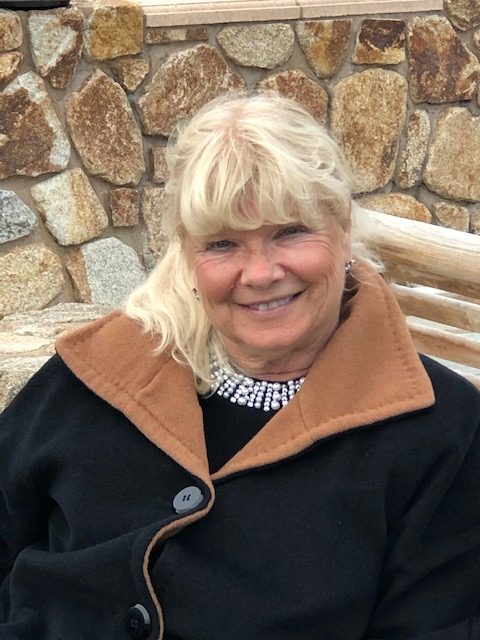
Linda S. Gunther has written six romantic suspense novels: Ten Steps From The Hotel Inglaterra, Endangered Witness, Lost In The Wake, Finding Sandy Stonemeyer, Dream Beach, and most recently published in 2021, Death Is A Great Disguiser. Ms. Gunther’s short stories, poetry, book reviews and essays have been published in a variety of literary journals.
Poetry from Mirta Liliana Ramirez

The awakening

when you live asleep
in the life
all situations
they become dreams
you also live
many nightmares
Where to learn from what happened,
recognize what has hurt
forgive those who hurt me
forgive me for those I have hurt
accept what is apprehended
It's what you have to understand
This awakening is not for everyone
because once I wake up
the mission is to transcend.

Mirta Liliana Ramírez has been a poet and writer since she was 12 years old. She has been a Cultural Manager for more than 35 years. Creator and Director of the Groups of Writers and Artists: Together for the Letters, Artescritores, MultiArt, JPL world youth, Together for the letters Uzbekistan 1 and 2. She firmly defends that culture is the key to unite all the countries of the world. She works only with his own, free and integrating projects at a world cultural level. She has created the Cultural Movement with Rastrillaje Cultural and Forming the New Cultural Belts at the local level and also from Argentina to the world.