Essay from Mukhlisa Safarova

Establishment and importance of the European concert in maintaining balance of power and stability among major European nations.


Key words: Balance of power theory, international relations, European concert, power distribution, stability, conflict prevention, ancient Greece, Peloponnesian War, Europe, alliances, Napoleonic Wars, World War I, Cold War, United States, Soviet Union, Asia-Pacific region, China, Middle East, arms race, power transitions, policymakers, diplomats.


   The thesis of this article is that the balance of power theory has played a significant role in shaping international relations by highlighting the importance of power distribution for stability and conflict prevention. This theory has its roots in ancient Greece, particularly the Peloponnesian War, and has been applied to various regions and historical periods, including Europe during the Napoleonic Wars and World War I, the Cold War between the United States and Soviet Union, and the current dynamics in the Asia-Pacific region, China, and the Middle East. Policymakers and diplomats continue to use this theory to navigate power transitions and prevent arms races that could lead to instability and conflict.


      The balance of power theory  is a concept that has been central to international relations for centuries. It refers to the idea that in order to maintain stability and prevent conflict, power must be distributed equally among states. This theory has been applied throughout history and has had a significant impact on the way countries interact with one another.
     The origins of the balance of power theory can be traced back to ancient Greece, where the city-states of Athens and Sparta engaged in a long and bitter struggle for dominance. The Peloponnesian War, which lasted from 431-404 BCE, demonstrated the importance of balancing power between states in order to prevent one from becoming too dominant.

     In the 17th and 18th centuries, Europe was characterized by a complex system of alliances and rivalries, with each country vying for power and influence. The balance of power theory was used to maintain stability and prevent any one country from becoming too powerful. This led to a series of wars and conflicts, including the Napoleonic Wars  and World War I .
     The European concert was established in the aftermath of the Napoleonic Wars, with the aim of maintaining balance of power among the major European nations. This principle was central to the system, as it sought to prevent any one nation from becoming too dominant and thus destabilizing the region. Regular diplomatic conferences and negotiations were held among the major powers, including Britain, France, Austria, Prussia, and Russia, to resolve conflicts and maintain stability. The Congress of Vienna in 1815 was a notable example of this cooperation, as it aimed to redraw the map of Europe and establish a framework for future cooperation. Despite criticism for being too focused on the interests of major powers and ignoring smaller nations, the European concert has had a lasting impact on international relations and continues to serve as a model for promoting peace and cooperation through diplomatic means.

     The European concert was a system of diplomacy and cooperation among major European powers in the 19th century. It was established in the aftermath of the Napoleonic Wars, which had destabilized Europe and led to the rise of new powers such as Prussia and Russia. The purpose of the concert was to maintain a balance of power among these nations and prevent any one country from dominating the continent.
     The concert was based on the principle of collective security , which meant that the major powers would work together to resolve conflicts and maintain peace. This was achieved through regular meetings and negotiations among the foreign ministers of the participating countries. The concert was not a formal institution, but rather a loose framework for cooperation and consultation.

    One of the key achievements of the European concert was the settlement of major crises such as the Greek War of Independence (1821-1832) and the Belgian Revolution (1830-1831). In both cases, the major powers worked together to find a peaceful solution that satisfied all parties. This helped to prevent wider conflicts and maintain stability in Europe.
     Another important aspect of the concert was its role in preventing wars between major powers. For example, during the Crimean War (1853-1856), the concert worked to contain the conflict and prevent it from spreading beyond the Black Sea region. This helped to avoid a wider war that could have involved other European powers.

      The European concert was also important in shaping the international system of the 19th century. It provided a model for other regions, such as Latin America, where similar systems of cooperation were established. It also influenced the development of international law and institutions, such as the Hague Conventions  and the League of Nations.
     During the Cold War era, the balance of power theory played a crucial role in maintaining stability between the United States and the Soviet Union. The two superpowers engaged in a global struggle for influence and power, but were ultimately prevented from engaging in direct conflict due to the fear of mutually assured destruction.

     The balance of power theory suggests that states will act to prevent any other state from becoming too powerful, and that they will form alliances and engage in other forms of cooperation to achieve this goal. This can lead to a situation where multiple states have roughly equal power, and where no one state is able to dominate the others. This balance of power can be achieved through a variety of means, including military alliances, economic cooperation, and diplomatic negotiations.
    One of the key benefits of the balance of power theory is that it can help to prevent conflicts between states. If no single state is able to dominate the others, then there is less incentive for any one state to engage in aggressive behavior or to seek territorial expansion. Instead, states are more likely to focus on maintaining their own security and prosperity, while also working to maintain the overall stability of the international system.

      However, the balance of power theory is not without its limitations. One of the main criticisms of this approach is that it can lead to a situation where states are constantly jockeying for position and seeking to maintain their own power at the expense of others. This can create a tense and unstable environment, where even small changes in the balance of power can lead to conflict.
     Another criticism of the balance of power theory is that it assumes that all states are rational actors who are primarily motivated by self-interest. In reality, states are often influenced by a wide range of factors, including ideology, culture, and history. This can make it difficult to predict how states will behave in any given situation, and can make it challenging to maintain a stable balance of power over the long term.

    Despite these limitations, the balance of power theory remains an important concept in international relations. By understanding how states interact with one another and how they seek to maintain their own security and prosperity, we can gain a better understanding of the complex dynamics that shape the international system. Whether through military alliances, economic cooperation, or diplomatic negotiations, the balance of power theory provides a framework for understanding how states can work together to achieve common goals and maintain peace and stability in the world.
    Today, the balance of power theory continues to be relevant in international relations. In the Asia-Pacific region , China's rise as a global superpower has led to concerns about the distribution of power in the region. The Middle East  has also been characterized by a complex web of alliances and rivalries, with each country seeking to maintain its own sphere of influence.

     The implications of the balance of power theory for international relations are significant. Maintaining a balance of power can help to prevent conflict and promote stability, but it can also lead to a dangerous arms race and increased tensions between states. Power transitions can also be destabilizing, as rising powers seek to challenge established ones.
    In conclusion, the balance of power theory has been a central concept in international relations for centuries. It has been applied throughout history and continues to be relevant today. While it can help to promote stability and prevent conflict, it also has its limitations and can lead to dangerous arms races and increased tensions between states. As such, policymakers and diplomats must carefully consider the implications of the balance of power theory when making decisions about foreign policy and international relations.


References 

1.Kissinger, H. (1994). Diplomacy. Simon and Schuster.

2.Thucydides. (1996). The History of the Peloponnesian War. Penguin Classics.

Safarova Mukhlisa Fakhriddin Kizi, The University of World Economy and Diplomacy, International relations faculty, second course student


Story from Mokhinur Abduhalilova

Closeup headshot of a young Central Asian woman with black hair and black eyes and a purple sweater over her collared shirt. She's wearing medals on her breast.
Mokhinur Abduhalilova

BENEFIT OF THE BOOK

A 15-year-old boy named Omadbek lived in the outskirts of the village, in an ordinary family, in a house with walls divided from the bottom.

Jamshid is from a rich family which gives all comforts for him. However, he was not a boy who is interested in studying at all, he may be seen sometimes at school, much time was absent. He is really keen on playing the phone all time. He has even his own personal smartphone. Omadbek is one of the children who are disabled. He didn’t have both hands. He lives alone with his mother in a small house in hard days Omadbek’s dad died when he was too young. He cannot remember that person. One day he came up with something that no one had thought of before. He searched and tried all the day and night to realize this idea. while his friend, Jamshid was addicted to the phone every day. Finally plan came to the light. He created special prosthetic hands for himself. Now Omadbek can write with his hands and do his work with his hands himself. Before, he used to do the work with his feet, not with arms.

When his mother saw this situation, she was really delighted and happy, moreover, she couldn’t stop herself from tears of love. Today, Omadbek’s dreams came true. He goes to school the first time. Because before he was one of the only students who do not attend to school. When he stepped on the threshold of the school, he felt a kind of excitement inside him. Then the lesson began. Life was full of possibilities while Jamshid was playing his phone in the same class.

After the lesson had finished, Omadbek went to the near of Jamshid’s desk. He said “why are you are playing on the phone?” Jamshid continued to play on the phone and did not pay attention to him. One day, Omadbek participated in the Science Olympiade and won the 1st place, and the latest model phone was as a gift. After knowing about this, Jamshid went to Omadbek and said, “Let me see your phone.” He handed the phone to him saying, “Okay”. “Omadbek, let’s play together your phone”. Omadbek replied that he would give this phone to her mum. Jamshid’s face turned red. He asked how he can achieve such an achievement like his friend. Omadbek replied: 

–My friend, it’s easy, let’s prepare and get ready together.

Time has passed. Both Omadbek and Jamshid participated in the Science Olympiade. Jamshid was waiting for the result of the competition. After some time, both of them heard the news that they got the 1st place, they achieved this success together. Jamshid stopped playing the phone and started reading diverse books. Jamshid thanked Omadbek for bringing him back from this path. 

Now the two friends are among the best students in the school. The benefit of the story is that the book is always good. Let there be more people like Omadbek among us.

Synchronized Chaos June 2023: Layered Experience

This month’s issue unearths the different layers of our life experiences. Pieces explore the influence of the past on our lives, our memories and heritage, and the legacies we leave for those who will come after us.

Red Rock Layers, image c/o Kevin Casper

Boqiyev Sherkhan Ubaydullo outlines the history of Turkish trade on the Silk Road.

Maja Milojkovic poetizes nostalgia, the passion and grief of letting go of vividly rendered experiences: playing the violin and sharing a large family home. Steven Hill writes of personal grief at the loss of a friend and deep, sweeping thoughts about cultural memory of Nazi brutality and then on the vast complex weight of human history.

David Kopaska-Merkel’s time travel story raises the possibility of being stuck in the past. Jim Meirose’s surrealist wordplay centers on a ghost, while Taylor Dibbert references the uncomfortable digital “footprint” of a relationship that ended badly.

In a more positive vein, Mesfakus Salahin offers up a romantic glimpse of the moon, a traditional poetic subject. Hongri Yuan’s poems, translated from Mandarin to English by Yuanbing Zhang, evoke the mystical traditions of ancient Chinese scholarly poetics. Mahbub Alam waxes poetic about oneness with nature, falling in love amid the flowers and growing strong like trees. Elmaya Jabbarova contributes a paean to a more celestial, ethereal love.

Don McLellan describes a group of very individual and quirky seniors who form a neighborhood walking club that creates new memories. Farangiz Safarova speaks to the love and connection between a grandfather and his grandchildren and his dreams for their futures. Zarina Abdulina, who assists children with disabilities, encourages volunteering purely for the sake of helping others.

John Culp’s poem addresses what we create and leave behind for future generations. Laura Stamps’ pieces reflect a profound longing to pass love on to others, children or small dogs. Yahuza Uzman recollects children’s varied emotions as a sick mother teeters on the edge of survival.

Oona Haskovec ‘s poetic speaker turns to the past to save herself, clinging to the ideas of existentialist poetry to keep her from taking her own life, because of the effects of her death on others: blood would “spatter them” as well.

Francesco Favetta’s pieces celebrate the love of a mother for her children, the love between brothers, and hope and poetry and faith in a world torn by war.

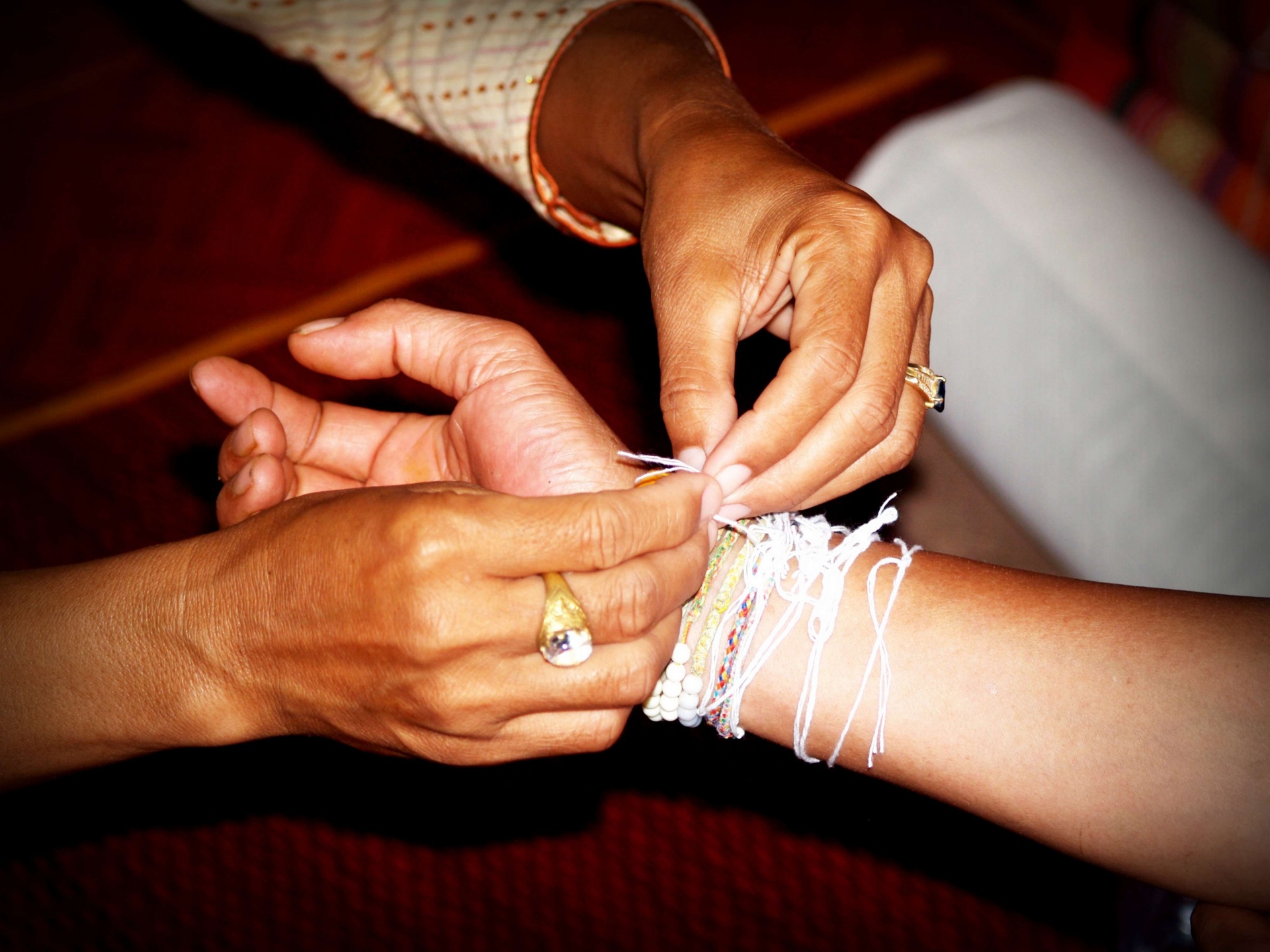
Hands Holding Hands, image c/o icon 0 com

Mykyta Ryzhykh’s poetry spans life, death, seasons, nature, war, and peace. Azemina Krehic draws on poppy fields for a metaphor about healing pain by facing its reality and connecting with others.

Channie Greenberg evokes a panoply of human emotions and experiences through arrangements of colored dots. Edward Supranowicz plays with brilliant and muted color and light to reflect feelings and sensations.

JD Nelson sends up random words and grammatical constructions, short bursts of thought reflecting fragmented consciousness. Mark Young weaves phrases of disparate sentences together to create new textures of sound and thought. Graciela Noemi Villaverde writes of the liminal space between sleeping and waking.

Some contributors focus on the heavy weight of histories that can pull us down, particularly when those shadows extend into the present day. J.J. Campbell wonders how to find pleasure in a fading and broken world, while Victor Obukata and Muhammed Sinan decry social injustice, power imbalances, and the tragedy of poverty. Tuyet Van Do’s poems concern ways people manipulate nature and society.

Pat Doyne offers a mocking farewell to departing Fox News host Tucker Carlson while Noah Berlatsky sends up a poem that reflects the experience of doom-scrolling, composed of surrealist images amidst language from today’s headlines.

Striking a Balance, image c/o Alix Lee

Santiago Burdon evokes the weight of millennia of tradition in a humorous piece where the Pope steals his grandfather’s ring.

Ammanda Moore illustrates how purity culture heightens the pain of a woman being examined for reproductive cancer. Linda Gunther’s piece shows the cumulative effects of sexual assaults on women’s self-concepts and feelings of safety.

Sandro Piedrahita probes the ethical dilemmas and compromises people make in the name of revolution. Robiul Awal Esa contributes a meditation on divine justice and mercy.

Other writers take pride in the positive aspects of their personal or societal heritage.

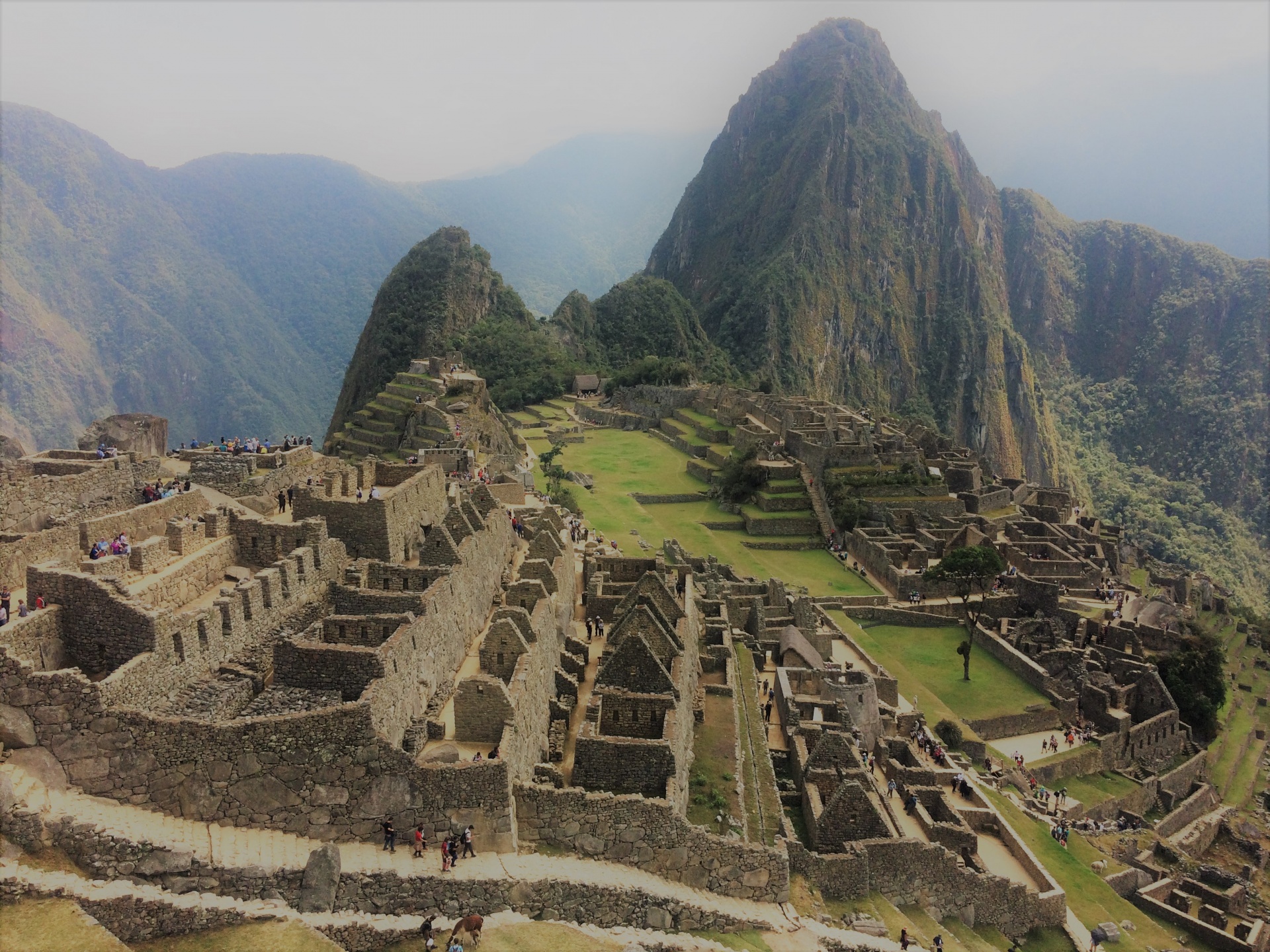
Machu Picchu, image c/o Christiano Fernandes

Murodova Muslima Kadyrovna glories in the beauty of the Uzbek flag and the promise of her country’s founding ideals.

Daniel de Culla presents a unique take on his home country of Spain: photographs of cats, water, and flies, earthy bits of nature.

Still other writers’ pieces reflect or suggest new ideas, forward movement into the future.

Aminova Oghilay illuminates the beauty of spring flowers, and Sayani Mukherjee contributes a piece on lilies with some intriguing language.

Wazed Abdullah celebrates the joy and privilege of learning.

Lauren McBride invents a new kind of poetry, saturne binary poems, a reworking of the lanturne structured to mimic the rings of Saturn.

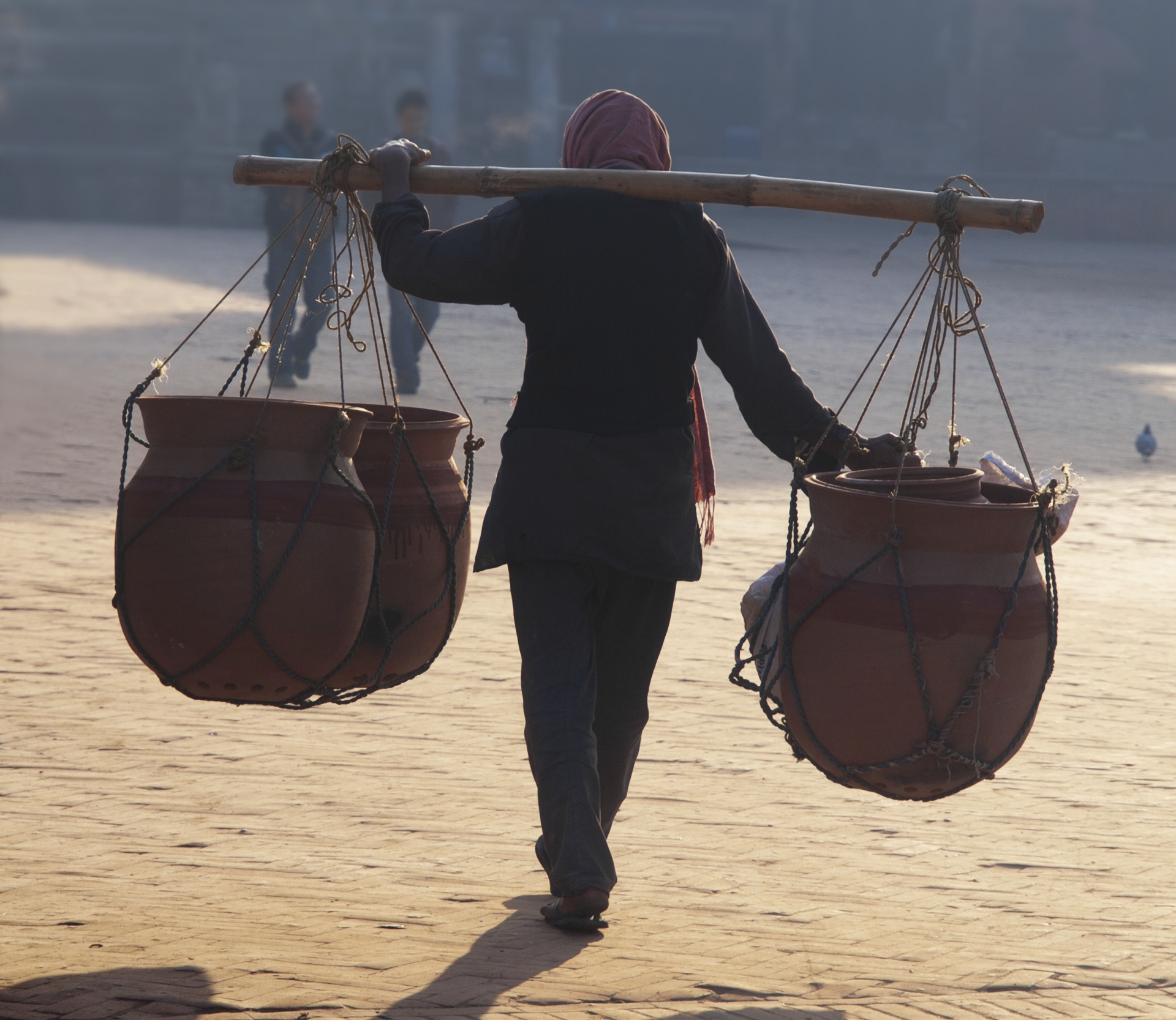
Holiday Suitcase, c/o George Hodan

Christopher Bernard reviews poet Mary Mackey’s book Creativity: Where Poems Begin, which explores the sources of Mackey’s poetic inspirations. She seeks a “gentle path” to find creative insights without deranging her senses or relationships.

Garrett Schuelke dreams of his future summer travels. Chimezie Ihekuna extols the value of travel, what we can learn from seeing more of the world, changing up our mood and atmosphere.

Kahlil Crawford celebrates entrepreneur and business leader Dr. Kasthuri Henry. Don Bormon talks of the computer’s importance as an invention.

Leslie Lisbona reminisces about growing up and moving to a room of her own, independent but lonely at first without siblings at her side.

We hope this issue imbues readers with a spirit of hope and curiosity, taking comfort in or shedding the layers of past experience as needed. 

Poetry from Makhfiratkhon Abdurakhmonova

Young Central Asian teen girl with a headscarf standing outside in the dark by an outdoor brick building with books shelved into the wall.
Makhfiratkhon Abdurakhmonova
You are the Miracle of the World (for girls)

You are strong,
You are brave,
You are beautiful,
In every single way.

You are capable,
Of achieving your dreams,
Of overcoming obstacles,
And making them seem small it seems.

You have a heart,
Full of love and compassion,
And with every beat,
It radiates so much passion.

You are unique,
A one-of-a-kind gem,
A miracle of this world,
And someone's perfect friend.

So don't let anyone tell you
That you're anything less than great.
Because you are amazing
And destined for something great!

Poetry from Yahuza Uzman

Ecstasy on the Tongue of Survival


this poem begins imperviously inside a mysterious silence

that wallows in the misery crawling on the throat of silence

that lives, dies, and relives in a smile-shaped box of silence

that demystifies the blend of smiles and of griefs

revolving around the silences on the tongue of my mother.


the first silence was housed in a breath-stopping slump,

the second was seen in the heavy eyes of my brothers

& sisters mourning over the health status of our mother,

the third was of the hope that sparkled for a second and went off,

& the last was framed delightfully in the closed eye of smiles

made by my brothers and sisters in extreme merriment

of our mother's health revival.


some silence just exist to exacerbate disdainable plight

while some only breathe to rebirth the babies of fortune.


so i closed my eyes that's deemed with tears

of accumulated silence, hoping that, someday,

these silences would turn into a world of everlasting ecstasy

lingering on the tongue of my mother's survival.

Artwork from Edward Supranowicz

A Calm Center
Cloudburst
The Sun Is No Longer Warm

Edward Michael Supranowicz is the grandson of Irish and Russian/Ukrainian immigrants. He grew up on a small farm in Appalachia.  He has a grad background in painting and printmaking. Some of his artwork has recently or will soon appear in Fish Food, Streetlight, Another Chicago Magazine, The Door Is A Jar, The Phoenix, and The Harvard Advocate. Edward is also a published poet who has been nominated for the Pushcart Prize multiple times.

Poetry from Sayani Mukherjee

Lilies

Lilies are simple
Pond-scape of my obituaries
The tilted stage of spring to monsoon
It calms a soothing tornado
Kite ridden lachrymose crystals
The pond-scape is a mirror
Of Leafy coquettish swim
Honeydipped solar gaze 
Perfect for mated leafs 
Lilies are Simple
Monsoon bespoken
It keeps things afloat.