Synchronized Chaos May 2023: Catch and Release

This month’s submissions explore when to persevere towards your dreams and when it’s smarter to let go and surrender into the flow of life and the universe around you. When to grasp and catch, and when and how to gracefully release expectations.

Image c/o Mohamed Mahmoud Hassan

Emerging Uzbek educator and writer Qurbonova Gulsanam highlights the need to focus on your goals to achieve your dreams. Sherova Orzigul Alisher relates her excitement over the recent development and hopeful future of Uzbekistan while Iroda Bakhronova outlines her personal efforts to build up her country.

Alisherova Dilshoda writes of her dedication to making her dreams come true in the educational field, and also of the importance of learning from books.

Chimezie Ihekuna offers up guidelines on how to become a published author while Yodgorova Billurabonu Shuhrat catalogs developments in the art of translation over the years. Beknazarova Ayganim appreciates the simple joy of reading while Olimova Zarina Ahadovna addresses the value of Braille lettering for the blind. Ravshanbekova Asalkhon shares concerns about kids and screen time and encourages parents to read with their children.
Image c/o Mohamed Mahmoud Hassan

Aziza Mamayusupovna Kosimova revels in the power of imagination and poetry to lift us beyond our ordinary lives into heroism. Davron Yu and Zarina Abdulina offer up praise for their personal heroes, mothers and teachers. Munnavar Boltayeva reflects on how her mother’s love can carry her through hard times, past and present.

Mekhriniso Ergashova expresses her determination to work hard towards success, while Gulsevar Xojamova speaks of her resolve to treat her Uzbek motherland with respect. Farangiz Safarova contributes a short essay on the need to move past and not be defined by one’s mistakes.

Mamatkasimova Sitora shares her story of pride in overcoming obstacles to gain her education.

Image c/o Karen Arnold

Sandro Piedrahita offers up a tale of a falsely accused priest who finds vindication at long last. Jeff Rasley’s excerpt from Bringing Progress to Paradise relates how a dangerous avalanche kicks off a story of international friendship.

Stephen Williams creates a train voyage as a metaphor for a society heading the wrong way, with a hero who stops in the tracks to let people disembark.

Jim Meirose’s surreal story illustrates a somewhat-hero who survives a fall by drinking, partying, and not taking life too seriously.

Guzal Sunnatova’s poem presents joy resurfacing after trauma. While she finds that possible relatively soon, some traumas take longer to process.
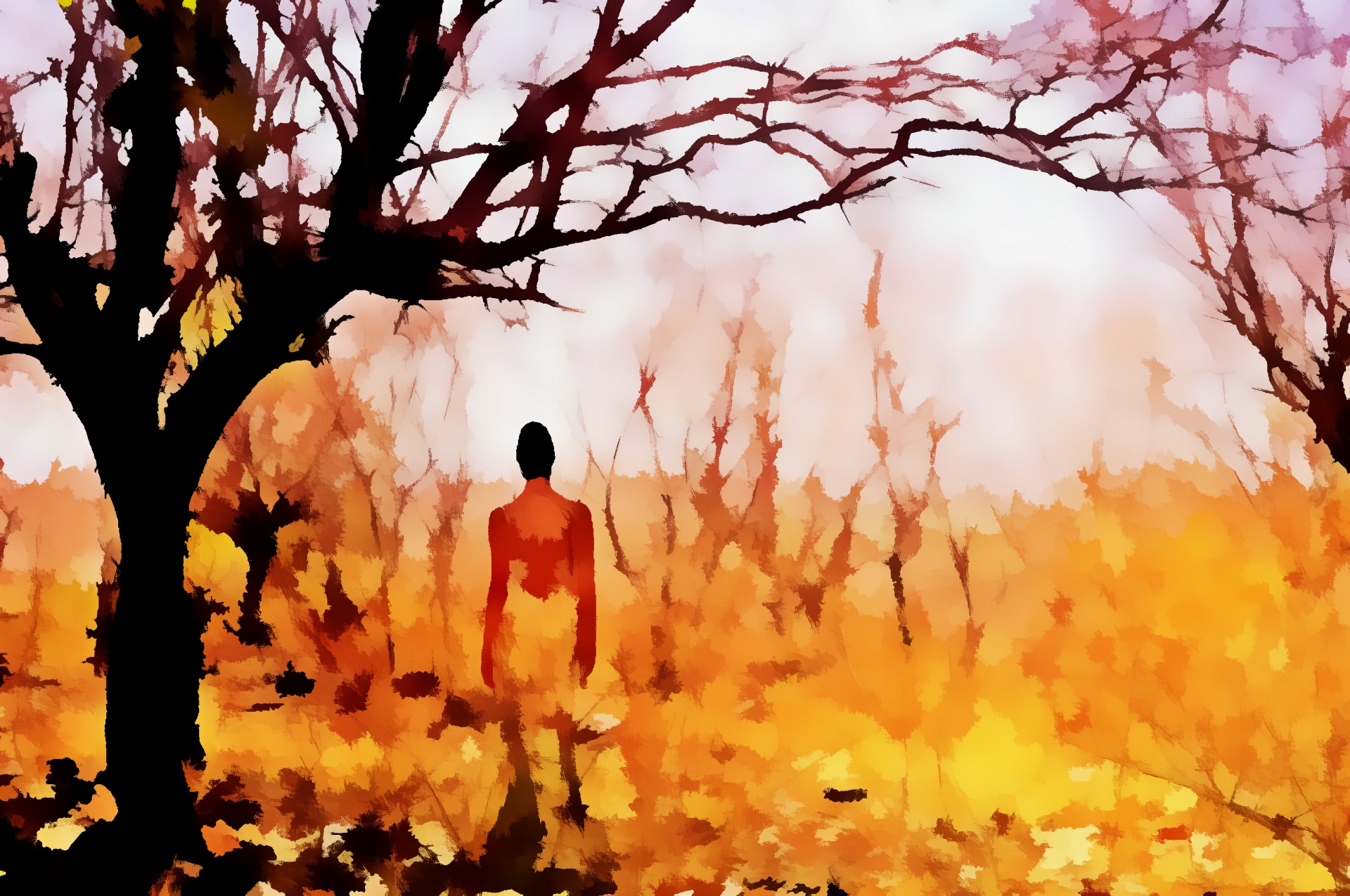
Image c/o Rajesh Misra

Taylor Dibbert‘s poetic speaker grieves the loss of his beloved dog. Erkin Vohidov speaks to his homesickness for his native land of Uzbekistan.

Mykyta Ryzhykh renders up a surreal synthesis of the desolation and many losses of wartime while Ahmad Al-Khatat depicts the slow inner death of losing one’s home and memories as a refugee.

Mesfakus Salahin offers a romanticized ode to unrequited love among the desert stones of the Sahara. J.J. Campbell probes midlife loss and the desire to pass away on his own terms. Azemina Krehic recollects the tragedy of a misunderstood quest for simple personal freedom.

Emina Delilovic-Kevric explores loneliness through a dream scene revealing the strange companions the mind can find when it wanders alone. Lindsey White develops the gradual buildup of tension in a family, physical and emotional, during a dinner table scene. Teya Cooksey – Voytenko crates a scene where childhood joy and freedom is interrupted by the memory of adult tension.

Image c/o Mohamed Mahmoud Hassan

Jaylan Salah revisits the 2015 film Sicario and looks at how the main character seeks and struggles to maintain her moral footing when faced with chaos and hard choices.

Dan Cuddy’s poetry speaks to how war catches ordinary people up in evil, how the tides of history pass and leave ordinary life in their wake.

Other contributors encourage caution and grace in our vast world, finding peace along the journey rather than seizing the day.

Jake Cosmos Aller explores the impact of our loss of our concept of God and the transcendent. Tuyet Van Do shares her concerns over humans’ going too far and messing with nature beyond our capacity to understand it.

Z.I. Mahmud’s examination of Macbeth’s character arc urges caution over our pursuit of our “vaulting ambition” at the expense of morality and humanity.
Image c/o Flash Alexander

Robert Fleming sends in an abstract mashup of images and questions and words, probing how much we can ever really understand about our world. The strangely angled images of power plants and the questions superimposed over the Alexa device suggest thoughts similar to Van Do’s.

Christopher Bernard reviews Cal Performances’ recent production of Michel van der Aa’s opera Blank Out, which questions the power of our memories in light of great past tragedy.

Kang Byeong Chen speaks to the gentle power of nature, patience and perseverance, working with the rhythm of nature and not fighting it. Graciela Noemi Villaverde remembers in a crisis to stop and consider life’s natural beauty and let the waves of intense emotion pass over her. Maja Milojkovic reflects on ways she lost and found her true self through searching, contemplation and prayer. Elmaya Jabbarova describes ecstatic communion with the divine, her source of being and inspiration.

Image c/o Gerhard Lipold

Robiul Awal Esa relates a tale of how life catches up to a petty person and shows him the error of his ways, giving him a chance to make amends.

David Woodward seeks and finds the transcendent in ordinary life at all scales and sizes, a lesson he learns during shelter-in-place. Alan Catlin’s lists and fragments of ideas add up to a kind of meaning, subtle yet deep.

Kushal Poddar intertwines motifs from the natural world out his window together with those from his imagination to create a reflective, domestic atmosphere. Mark Young’s poems also invite reflection, crafted through a technical process that results in often-incongruous work that subverts reader expectations.

Russell Streur invites the reader to pause to consider various elements of nature through elegant translations of famous Japanese haikus grouped into themes. Maurizio Brancaleoni’s original Italian haikus are all dedicated to the contemplative majesty of organ music.

Image c/o Vera Kratochvil

John Culp writes of the timelessness and constant presence of love. Allison Grayhurst evokes a sense of spiritual communion, as people realize they already have what they need most.

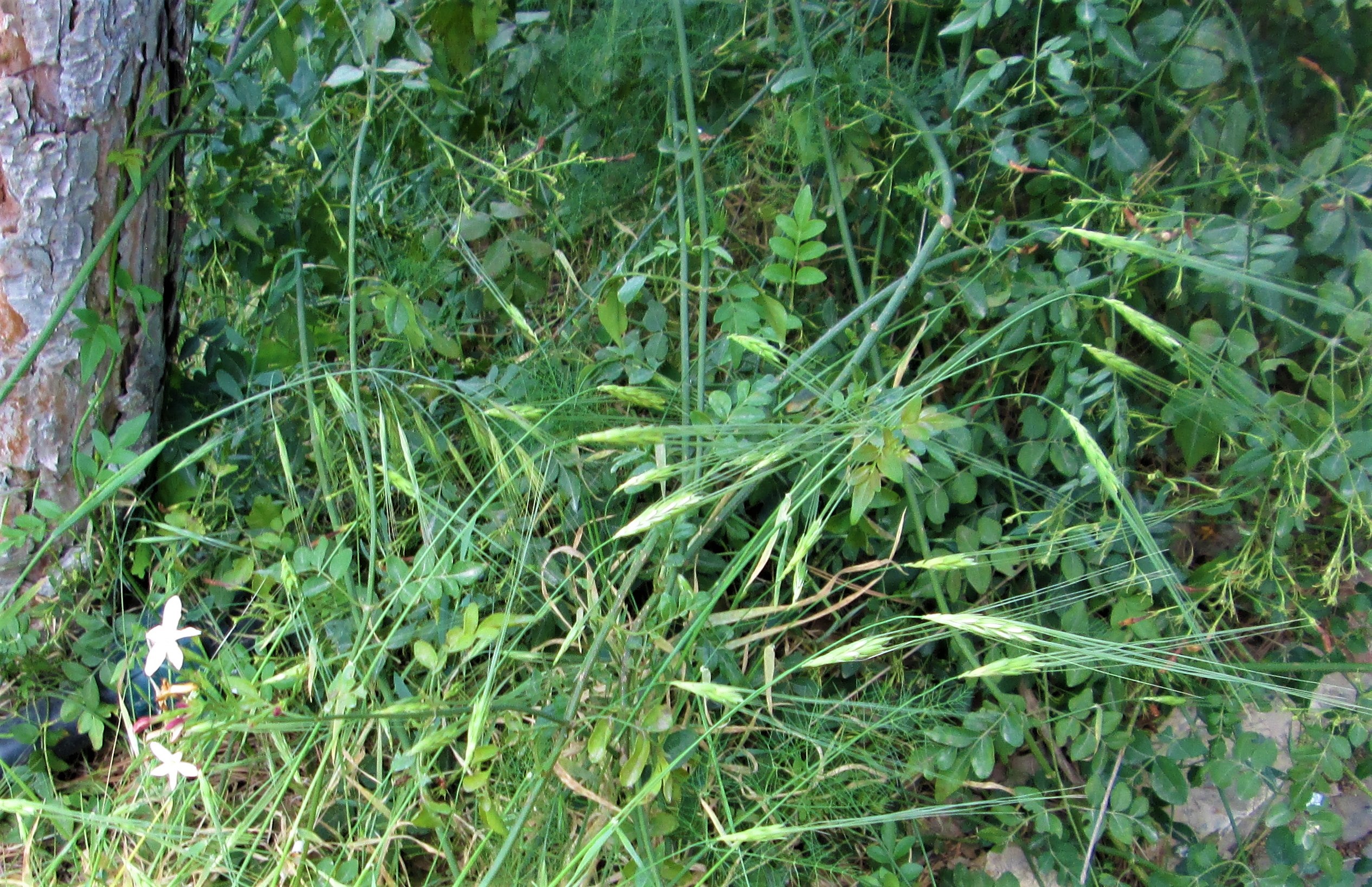
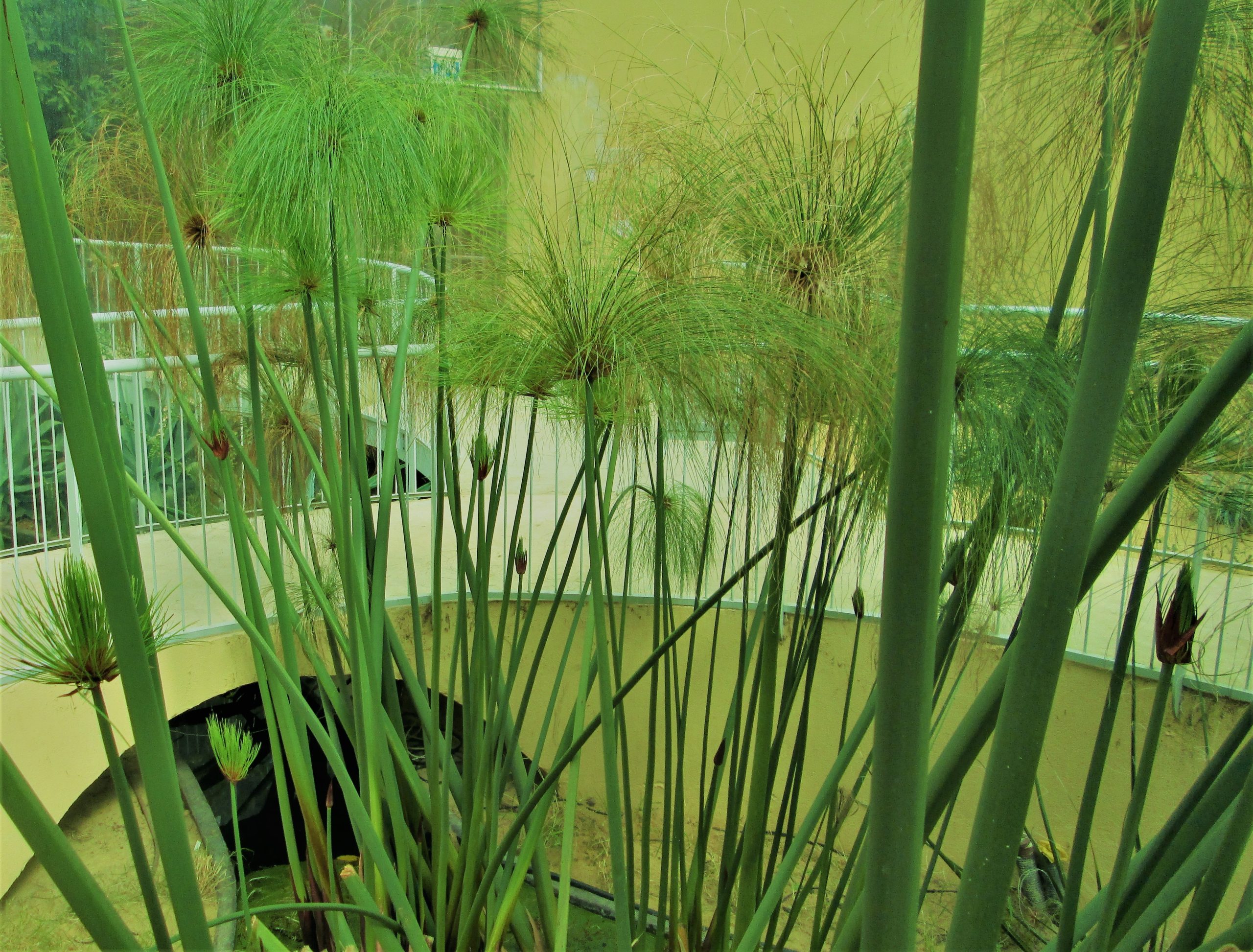
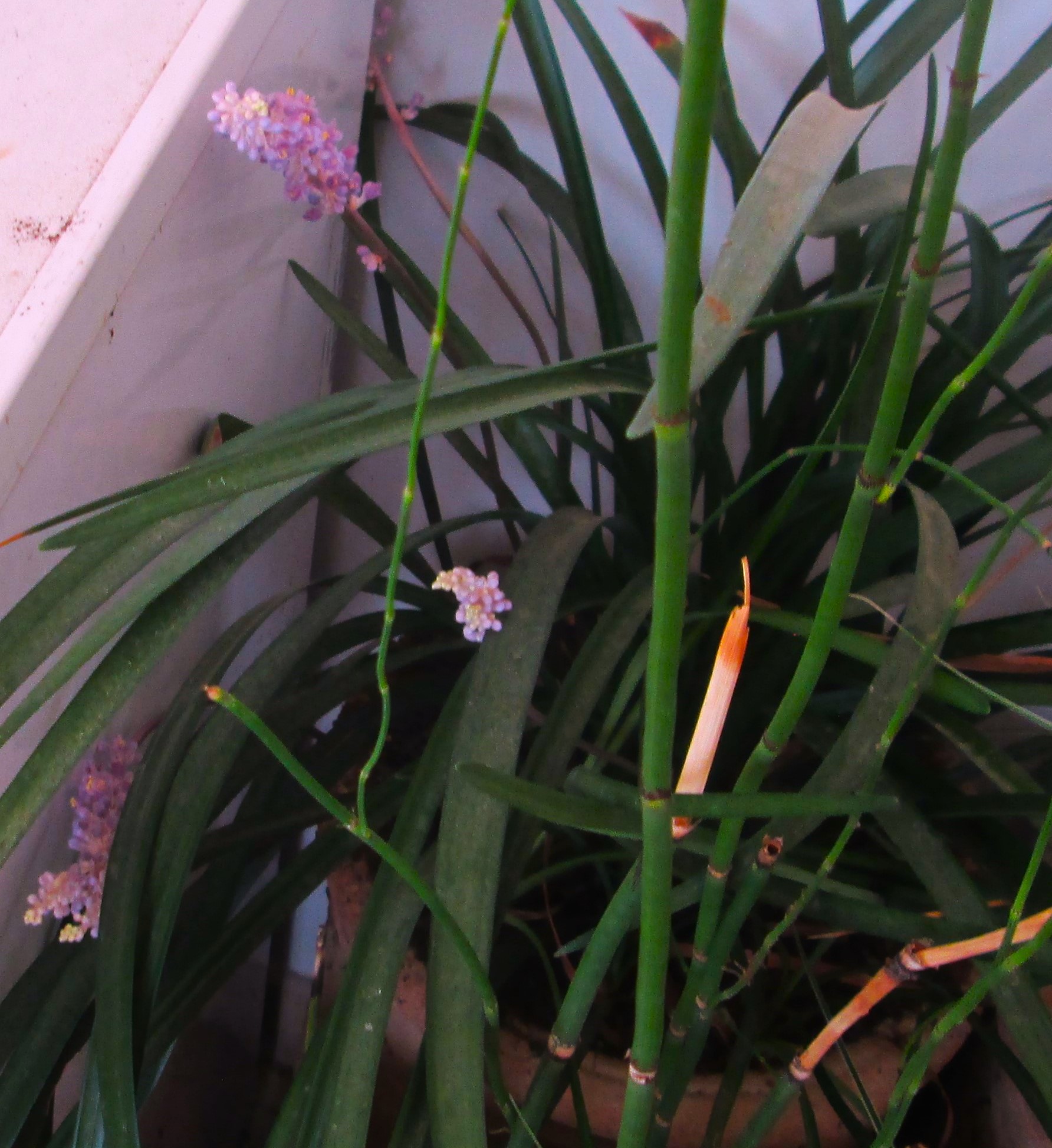
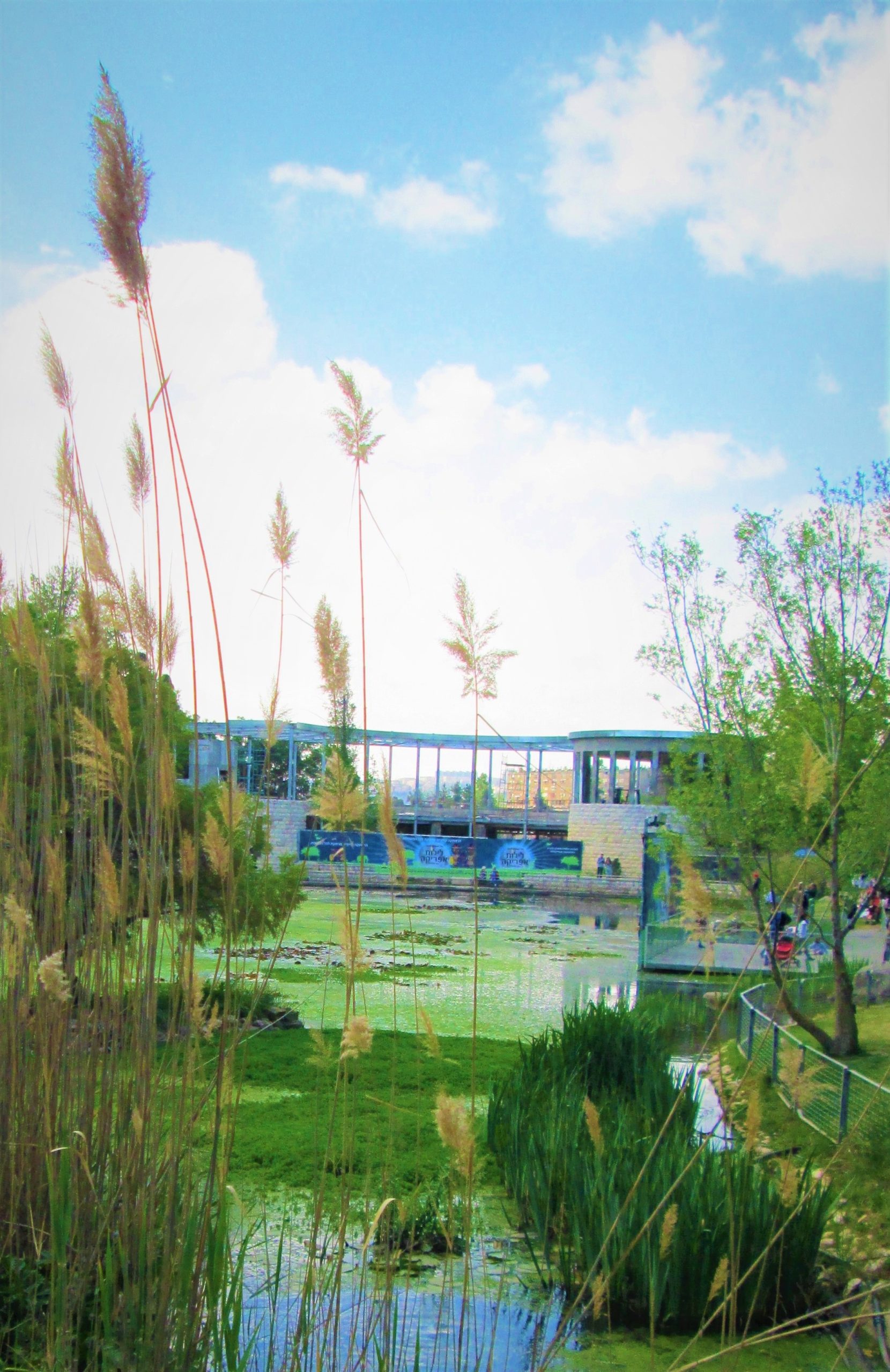
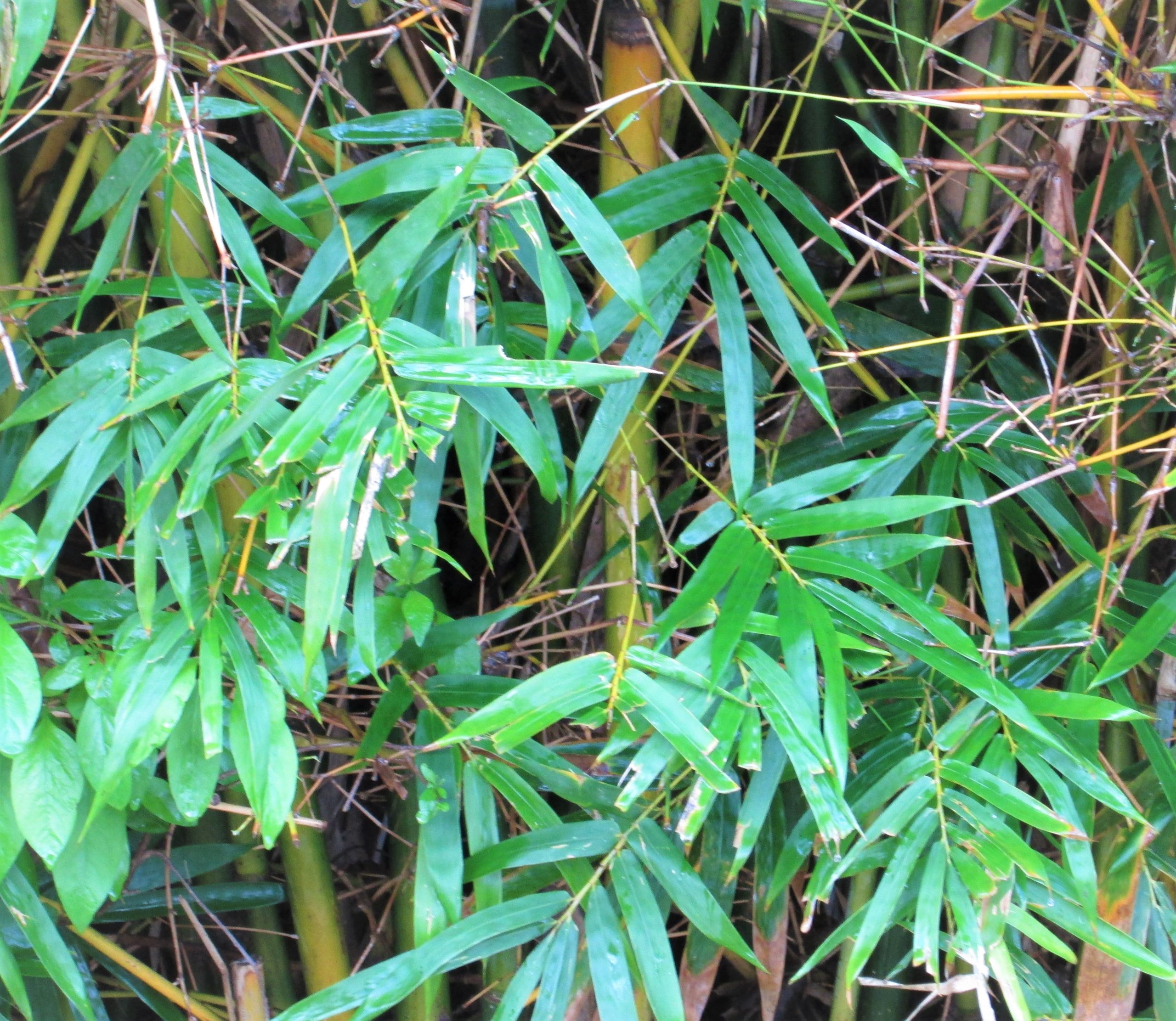
Finally, Channie Greenberg encourages us to peruse the different textures and shapes of leaves in her photographs, while Mahbub Alam shares his calm speculations on the evening flight of birds and Don Bormon celebrates the beauty and usefulness of rivers.

Essay from Iroda Bakhronova

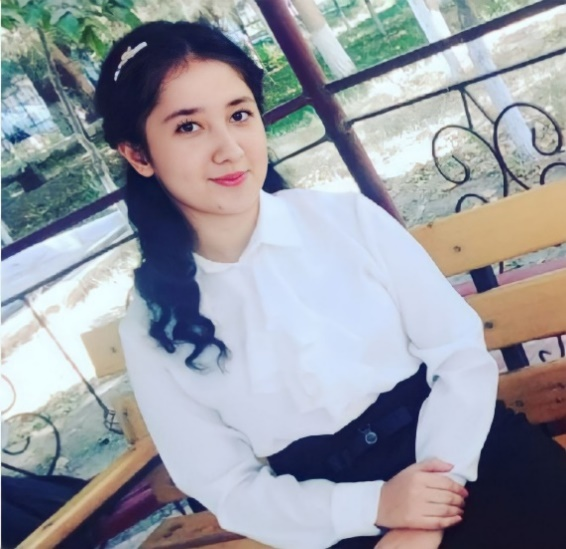
Young Central Asian woman with curly black hair and a white collared shirt and black pants sitting on a park bench with a fence and trees in the background.
Iroda Bakhronova


(Uzbekistan, Navoi)
Student of Navoi State Pedagogical Institute

We are the creators of the future!

      We know that the 21st century is an era of intellectual development. The uplifting force of this development is young people, that is, people with high intelligence. Of course, today there is a great responsibility towards the creators of the future. After all, according to President Shavkat Mirziyoyev, “In order for our youth to become independent thinkers, have high intellectual and spiritual potential, become people who are not inferior to their peers in any field on a global scale, our state and society should be happy. We will mobilize all the possibilities of strength”, his words serve as a program for us. Being among such young people, I am proud to see the development of our country day and night. In my opinion, it is natural for every person who considers himself a child of the new Uzbekistan to have a question at this moment: how did I contribute to the development of my country?! Whatever I do, even if it’s a little, will benefit my people?! In order to find answers to such questions, I took a pen in my hand and began to write down my goals on a white paper.

First of all, as they say, “A job without a plan is a brick without a mold”, a person should make his plans so that all the good deeds he thinks about from early in the morning will be good. And the plans become more and more great goals. And I strive for not daily, but annual prospective goals. I want these targeted plans to serve not only me, but also the development of my country.

Secondly, no country can rise without sports and science. These two concepts will always accompany me. Of course, sport is a guarantee of health. Every young generation who plays sports follows a healthy lifestyle. Only healthy and strong youth can protect the country. As our elders say, “If there is knowledge, there will be greatness”, even a young person like me in the ranks of the youth of Uzbekistan will mobilize all my energy to acquire knowledge.

Thirdly, it is the effective use of the doors of opportunity created for young people and, most importantly, the supreme gift of time. “If you love life, don’t waste time, because time creates life,” said one of the philosophers. Today, the lives and work of famous people who have achieved great success in their field show that one of the main keys to their success is their ability to allocate time correctly. If time is spent in vain during the youth years, the opportunity to gain knowledge is also lost. Our today will become history tomorrow. The services and happy deeds of each person for their people will be forever imprinted in the history. Therefore, we, the creators of the future, appreciate our time, which is more valuable than gold, and achieve high goals!

It should be said that young people who are in tune with the times are leading in every field today. Of course, it is impossible to count the opportunities created for us today. I would like to put forward a proposal to hold the traditional republican competition “Sprouts of Future” in order to pay attention to young people capable of achieving greater goals and in order to support young people in every way. Because, you say, there are many different auditions. However, unlike them, this competition is organized among young people who have achieved more or less success in the field of science and education, literature and sports and have limited opportunities to show their talent. Because they, like you and us, are the bright future generations of Uzbekistan!

In conclusion, it should be said that we, the youth, are the hope of a great country. If we don’t waste time and fulfill the huge task in front of us wholeheartedly, no crowd, no foreign ideas can stand in our way. Everything is in our hands. After all, as our President said, “We have set ourselves the great goal of establishing the foundation of the Third Renaissance in our country, for this we need to educate new Khorezms, Berunis, Ibn Sinas, Ulugbeks, Navoi and Babur!” We are the worthy successors of such ancestors and will be the mirror of the future of New Uzbekistan!

Iroda Bakhronova is an “Initiative reformer” badge holder;
laureate of the international contest Russian Talents and
author of about 100 public and about 30 scientific articles. She is the
author of the poetry collection My dreams are more than you, stars, the winner of the “International Womania Award – 2023” recognition. Her articles were published in prestigious magazines in Turkey, Thailand, Spain, USA, India, Germany, and Belarus and
her works were published in anthologies in the USA, Moldova, and Germany. Her work was published in the international anthology “Talented voices of Uzbekistan” published on Amazon in the U.S. and sold in 26 countries.
Her work was published in the collection Hilol, which includes the work of talented young people across Uzbekistan.
She is a member and ambassador of the Iqra International Foundation and a participant in the IV and V Nobel Fest, the
“Student of the Year-2022” laureate of the institute stage and a
member of the International Council of World Technical Development.
She is a graduate of the online course of the US Institute of Peace; a
participant in the “International Scientific Forum-2022” in Great Britain, and holds a certificate from the International Internship University.

Essay from Alisherova Dilshoda

Dreams come true.

Dream, plan, make that plan a goal.

I personally had a dream, when I was in kindergarten, I dreamed that I can do as my aunt’s daughter when her daughters met the president and received the state award named after Zulfiya as the world and Uzbekistan champions. Even when I was in school, I had a dream, but I didn’t know how to make it happen, and in the 5th grade, I learned how to plan, and I made videos to motivate myself. When I was in the 8th grade, when the Is’haqkhan Ibrat school was opened, I was assigned to study and entered the 15th place to the school. In 2018, one of my dreams in kindergarten came true, that is, by the grace of God, I shook hands with the President of Uzbekistan Shavkat Mirziyoyev on May 3, 2018, and I set my plans as a goal. I focused on my goal and didn’t even listen to the people around me.

After some years, I graduated my school and enrolled at Uzbekistan State University of World Languages, another dream came true, because I became a student of my dream university. I did not stop saying “my dreams have come true, that’s it”, I strengthened my efforts in order to properly use the opportunities given to young people due to their language skills, and until now I have been a participant, coordinator, organizer, and volunteer of many projects. I am blogging because of my interest, I have been sharing my achievements and my knowledge of how to have these achievements for more than 1000 young people. In addition, I also made students through my personal projects.

Alisherova Dilshoda Azizxon qizi

Student of Uzbekistan State World Languages University

Poetry from Emina Delilovic-Kevric

Young European woman with dark blonde hair and a multicolored turtleneck sweater. She's reading a book and posing out near trees and a snowbank.
Emina Delilovic-Kevric

About loneliness

I was chasing a rabbit around the apartment

Throughout my whole dream last night

In a hurry I broke glasses in vain

And banged my head on the poles

The rabbit was always faster

That white noble rabbit with glasses

What would make the perfect pet

He always looked one step ahead

He didn’t smell and he wasn’t scary

When I saw that I was too short to catch him

I was looking for a hole to crawl into

Because there were never any magic potions in my house

That’s how I would trick a rabbit

Maybe he’ll follow me into a cool fairy tale

On the TV they broadcast devastating and relentless

spring rains

I should never have trusted the spring rain

Nor that there is a hole here in which I can save myself

Before I turned off the TV.

Before I woke up.

And drank the first morning coffee.

I don’t know why I’m smiling so much,

And the morning has just begun

It’s just that my siphon broke again.

And my home is being soaked in strange waters

Foreign worlds

You have no right to complain, I’m telling to mine

interlocutor for whom I prepared a cup of coffee.

Love, let’s go buy a rabbit

He answered before calling the repairman

You’re too lonely, and it’s been raining for days.

I’m afraid for you, he said before I could

say anything.


Emina Đelilović-Kevrić (Sarajevo, Bosnia and Herzegovina) After studying the b/h/s (Bosnian/Croatian/Serbian) language and literature at the Philosophical Faculty in Zenica she got her master’s degree on the subject “Memory construction in the South Slavic interlinear community: typical models of the war camp experience in literature.” She is the author of the poetry collection “This time without history” and the short stories collection “Erased lives.” Her collection of poems “My son and I” was awarded by the Publishing Foundation of Bosnia and Herzegovina in 2021. In 2022 she won the second place in the international literature competition “Isnam Taljić.” She is the winner of the second award for the best short story of the regional literature competition “Zija Dizdarević” 2022, and she won first place in international literature competition “Nastavi priču“. In 2023 she won third place in the international poetry competition “Ossi di Seppia“ in Italy.

Essay from Farangiz Safarova

Farangiz Safarova

During his life, a person encounters various obstacles, stumbles, falls, and at the same time learns to stand up and realizes that life goes on. These stumbles and failures mature a person. The more a person stumbles, the more experienced he is. Hikmat, who doesn’t want to face such obstacles, does something and if it doesn’t work out, he doesn’t try it again. He is afraid of failure. He was afraid to try new experiences. At night, he made intentions that I would not face any obstacles and that all my work would be successful. As if his intentions were fulfilled, he looked forward to all his work and succeeded in everything. He found his profession. He got a house and a car, got married. As if he lived without any obstacles or shortcomings. He would not have the stumbling blocks that everyone has. He achieved all his wishes. Life without obstacles was only in him.

One day he made a small mistake at work and was afraid that this mistake would turn into a big one. After that, he deleted the necessary documents from his office computer as invalid and lost his job. After that, one unlucky day began to pass. these days have come too. His life has completely changed, and he started dreaming that it’s all over for me. He was very backward and lost everything. And he met a good person. He told the man what he had seen. A wise person said, “You believed that you thought good things, that’s it. You thought bad things, and it turned out bad. This is life, my friend. When you encounter obstacles, try to think only about the positive and the good side. The main thing is not to stop moving. If you fall, get up again, then you will succeed one day. What they said, think that it was for goodness.


Safarova Farangiz, 19 years old. 2nd year student of the Faculty of Korean Language of the International University of Kimyo

Poetry from Ahmad Al-Khatat

You No Longer Have Hands 


To destroy the journals I had kept for years 
I feel ashamed to read my sorrows with a 
language other than my mother tongue.


Beautiful silky skin and blue watery eyes are 
the reasons why my disappointments are restless.
In my shadow, I see myself free from the coffin
Yet, everyone dies when I pretend to be asleep.


 I jailed my poems, my tales, and tears in my heart.
The prisoner asks if I'm ready to close my eyes
I give him my watch “Take the time and slaughter me”.
You'll peel my skin and sip my blood in less than a year.

You no longer have hands to bury my dream yacht
O Baghdad, why am I in the blues when I feel like a 
dead soldier in exile, or a stranger in Montreal corners 
Lots of bare hands with blood splitting on my sad face. 

04/19/2023

Bleeding Heart Poet