Poetry from Garret Schuelke

The Graves of Heroes and Villains

On my weekend vacation to Chicago, I revisited the graves of labor activists and leaders I've long admired, as well as the graves of two genuine, absolute monsters.

On the hero side: the Haymarket Martyrs', Emma Goldman, Lucy Parsons, and all the other socialists,   communists, anarchists, unionists, and other leftists buried in Forest Home Cemetery.

On the villain side: Allan Pinkerton and George Pullman - the mercenary and the industrialist, whose          actions and power decimated the poor and working class during their eras, buried in Graceland Cemetery.

(Additionally, I also visited the grave of famous boxer Jack Johnson, and returned to the grave of Augustus Dickens, brother of Charles Dickens.)

I remember part of a conversation I had with a Grand Rapids comedian on my podcast awhile back,            where we basically agreed that leftists generally care more about their comrades - living and dead - than reactionaries do.

Today, and yesterdays, grave visits reminded me of how right we were.

The graves and monuments on Forest Home's "Radicals Row" are visited often, and are abound with tokens of respect, remembrance, and Love - flowers, coins, buttons, handwritten personal      
messages, and sometimes even discarded employee I.D.'s!

There have been numerous gatherings, lectures, vigils, and even concerts in this area!

People not only want to visit these comrades, they feel like they NEED to come here.

They need to honor those who have passed, those that are struggling now, those who will join the fight in the future, and to honor themselves - to know that their lives are not futile.

Pinkerton and Pullman's graves, on the other hand, show no such signs of visitations and affection.

Parts of Pinkerton's grave, along with his family members, and agents who I guess were deemed worthy enough to be buried next to their boss, are so washed out now that you can barely make out some of the inscriptions.

His grave had to be guarded 24/7 for some time after he passed because it was feared that the various peoples his organization oppressed, beaten, and murdered would dig him up and fuck with his 
corpse.

You don't see the FBI, CIA, or other intelligence and "security" agencies coming by to pay respects to Allan's plot, even though they descend from his organization.

Other than being known as historical, strike-breaking, union busting thugs, the only real time you hear of the Pinkerton's these days is when they're suing games companies like Rockstar for         
defaming their image by making them the bad guys in their games, or bands like Weezer for apparently infringing on their trademarks by titling one of their two great albums after a opera character who shares the same name.

What a shitty legacy to have.
 
(NOTE: this poem is largely made up of a Facebook post I made of this visit, and the best comment I got was "Pinkerton's went after Arthur Morgan too I’ll never forget")

Pullman's grave is much better off, but then you remember that he had his lead casket encased in cement, steel rails, and even MORE cement, because he feared the workers he exploited and  attacked would still be so pissed at him that, after he took a dirt nap, they would dig him up and             fuck with his corpse.

You won't ever see corporate maniacs like Musk or Bezos leaving flowers on Pullman's grave, despite their thought processes and business tactics descending from scumbags like him.

You won't see your typical small business tyrant looking up to Pullman as a hero, even though they have the same desire to control their workers, as well as their communities if it'll help them fill their pockets.

And you certainly won't see these sigma grindset, alpha male motivational influencers cite Pullman as someone to emulate - and you can be sure these huskers have NEVER even heard of him - even though they share the same fiery motivation to be looked upon as capitalist deities.

What a REALLY shitty legacy to have.

TLDR: if you gain money and power by fucking over people, you won't be honored nor remembered,  even by those whose emulate your actions in the far future.

If you try to help mankind, even if you die early, penniless, and in pain, you will be honored,      remembered, and Loved by those who continue the fight.

Keep that in mind.

(FINAL NOTE: Jack Johnson's grave was adorned with flowers, coins, and cigarettes, and Augustus Dickens had nothing, because who's gonna remember Charles Dickens brother other than literary nerds like me?)


Garret Schuelke is the author of the GODAN series (Bakunin Incorporated), WHUP JAMBOREE: STORIES (Elmblad Media Group), and ANAMAKEE (Riot Forge Studios). He hosts The Garret Schuelke Podcast, and makes music under the moniker Neobeatglory. He currently resides in Grand Rapids, Michigan, and can be found on Twitter: @garretschuelke

 

Garret Schuelke is the author of the GODAN series (Bakunin Incorporated), WHUP JAMBOREE: STORIES (Elmblad Media Group), and ANAMAKEE (Riot Forge Studios). He hosts The Garret Schuelke Podcast, and makes music under the moniker Neobeatglory. He currently resides in Grand Rapids, Michigan, and can be found on Twitter: @garretschuelke

Poetry from Pat Doyne

                 STAND  YOUR  GROUND

		When everyone is armed, we will be safe.
		No crime.  No problems.  That’s the Promised Land. 
		So now we’re armed and strong on “self defense.”
		We stockpile pistols, shotguns, rifles, air guns,
		submachine guns, even AR-15s. 
		From coast to coast, we watch the bullets fly. 

		North Carolina—here’s a six-year-old
		playing basketball.  It bounces wide,
		and into someone’s yard.  Guy charges out--
		he shoots her, and her frantic mom and dad.
		“I told you kids stay off my frickin’ lawn!”
		When everyone is armed, we will be safe.

		Missouri, now, a teen-aged honor student, 
		comes to get his twin. He rings the doorbell. 
		Wrong door opens. Fearful man inside
		shoots him in the face. No questions asked.
		When everyone is armed, we will be safe—
		unless you’re black, and knock on the wrong door. 

		Upstate New York has mazes of back roads.
		A young girl, 20, looking for a house,
		pulls into a likely driveway, hopes it’s right.
		The homeowner’s irate. He shoots her dead.
		When everyone is armed, we will be safe—
		unless you’re searching for an obscure address.

		New Mexico cops.  Domestic violence call.
		Police respond. Wrong house, Knock on the door.
		Owner opens, handgun for support.
		The lawmen open fire, and shoot him dead.
		When everyone is armed, we will be safe—
		unless some nervous cops come to your door. 


		Two Texas cheerleaders scanned the parking lot,
		thought they found their car. Opened the door.
		Wrong car. Apologized. The man inside
		pulled out a gun, took aim, and shot them both.
		When everyone is armed, we will be safe—
		unless your car’s a common make and hue.

		Angry people hole up in a fortress.
		Frightened people think a gun gives clout.
		Shoot first, question later;  stand your ground!
		Look what really happens at the door
		when everyone is armed—blood, pain, and death. 
		When everyone is armed, no one is safe. 

		Copyright 4/2023                Patricia Doyne


Poetry from Ian Copestick

Extra Points For Sarcasm

10:30 a.m.
I'm on my
way home after
a wild,
stoned night.

Feeling tired,
but having no
hangover feels
like a blessing.

Especially when
dealing with
dead head bus
drivers.

I don't know why,
but they never give
you a straight
answer about
their route.

I think that at
the interviews
they must employ
the nastiest people
they can possibly find.

The more of a twat
they are, the more
they want to employ
them.

Sarcasm causes
them to get extra
points  too.

Or that's how
I imagine  it to
be.

Poetry from Chris Butler

Eight Day Weeks


Between
sunny Sundays
and
blue Mondays,
laid a day
so dark
and full
of hate
that it shall
not be named.


Gray


There's no black,
there's no white.
There's no wrong,
there's no right.
There's no good,
there's no evil.
There's no dark,
there's no light;

because just before
the looming storm,

exists distant, infinite
shades of gray.


Thoughts and Prayers


When a national tragedy
becomes just another day
and the news is always
"BREAKING",

grab a letter sized
white envelope
and fill it with all of the

thoughts and prayers

from your big heart
and your little head,
then lick and seal it
shut before they escape
into the open air,
stick on a stamp,
and wait until the
next day's tragedy
for the address
to mail it to
your child's school.


Hello Sorrow


Hello Sorrow
my first friend,
will you allow
me to drown
in burning rivers
of fire water,
or float like
a hollow log
as you hover over
the ghostly souls
of all who you
have met before,
until you arrive
to make the
skies cry,
or will you keep
me afloat like
a log flowing
downstream,

and we meet again,
my last friend.


Even When You're Dead


Even when you're dead
the neurons keep firing

ping-zing-bing-ding
against the inside of the skull,

but tricking others into thinking
that figeting, flickering and flinching
doesn't mean that you're still living.

Synchronized Chaos May 2023: Catch and Release

This month’s submissions explore when to persevere towards your dreams and when it’s smarter to let go and surrender into the flow of life and the universe around you. When to grasp and catch, and when and how to gracefully release expectations.

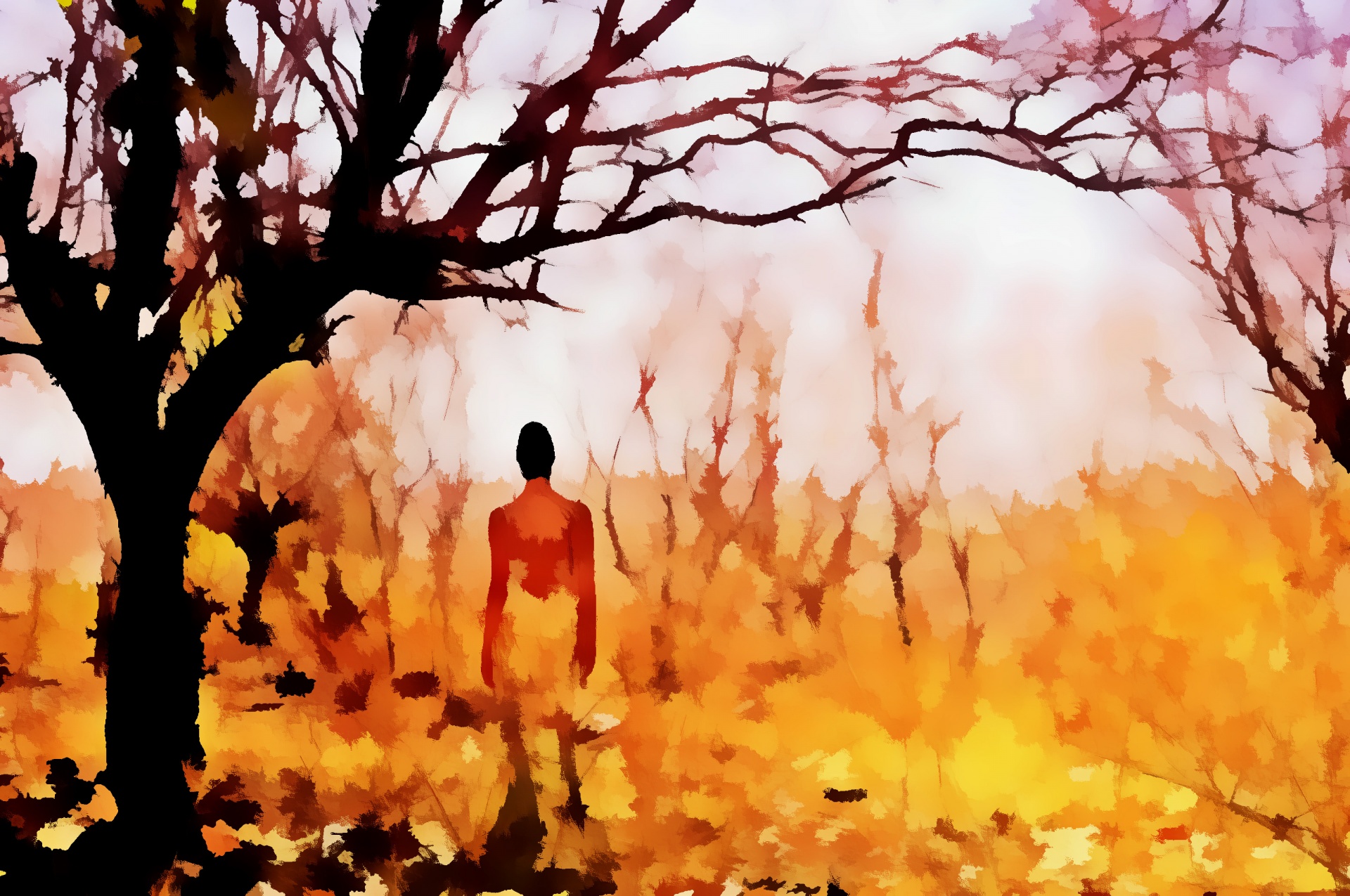
Image c/o Mohamed Mahmoud Hassan

Emerging Uzbek educator and writer Qurbonova Gulsanam highlights the need to focus on your goals to achieve your dreams. Sherova Orzigul Alisher relates her excitement over the recent development and hopeful future of Uzbekistan while Iroda Bakhronova outlines her personal efforts to build up her country.

Alisherova Dilshoda writes of her dedication to making her dreams come true in the educational field, and also of the importance of learning from books.

Chimezie Ihekuna offers up guidelines on how to become a published author while Yodgorova Billurabonu Shuhrat catalogs developments in the art of translation over the years. Beknazarova Ayganim appreciates the simple joy of reading while Olimova Zarina Ahadovna addresses the value of Braille lettering for the blind. Ravshanbekova Asalkhon shares concerns about kids and screen time and encourages parents to read with their children.

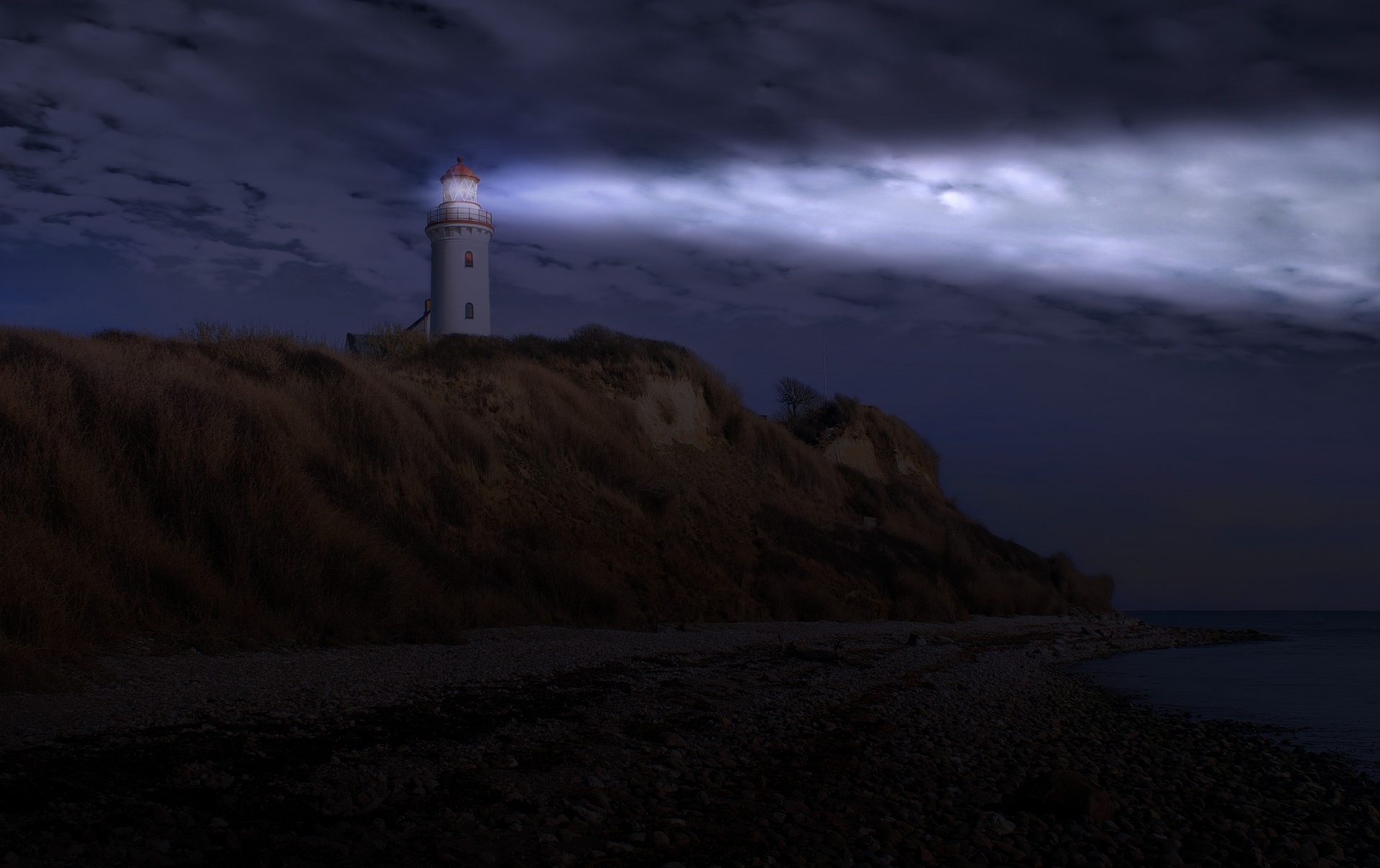
Image c/o Mohamed Mahmoud Hassan

Aziza Mamayusupovna Kosimova revels in the power of imagination and poetry to lift us beyond our ordinary lives into heroism. Davron Yu and Zarina Abdulina offer up praise for their personal heroes, mothers and teachers. Munnavar Boltayeva reflects on how her mother’s love can carry her through hard times, past and present.

Mekhriniso Ergashova expresses her determination to work hard towards success, while Gulsevar Xojamova speaks of her resolve to treat her Uzbek motherland with respect. Farangiz Safarova contributes a short essay on the need to move past and not be defined by one’s mistakes.

Mamatkasimova Sitora shares her story of pride in overcoming obstacles to gain her education.

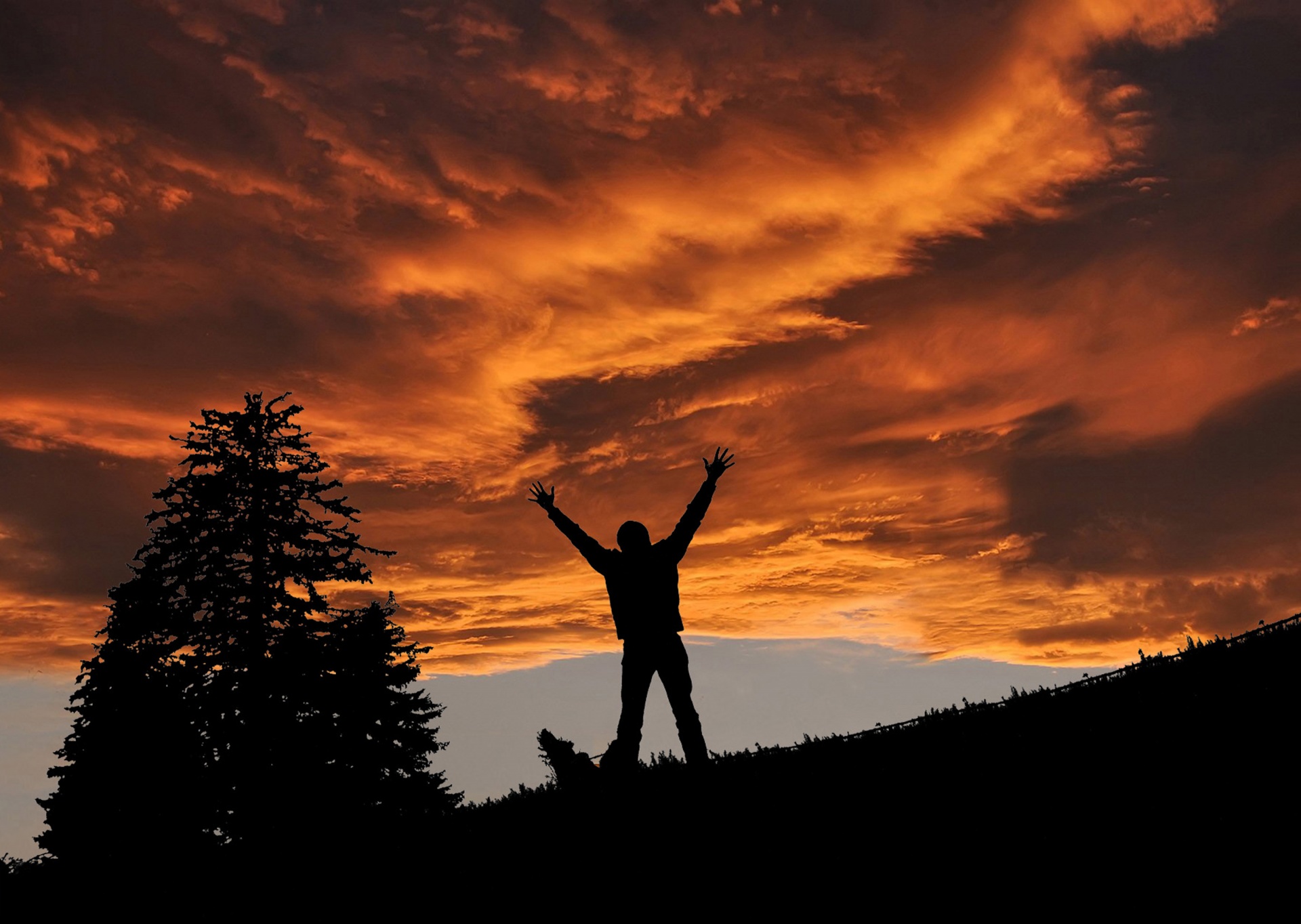
Image c/o Karen Arnold

Sandro Piedrahita offers up a tale of a falsely accused priest who finds vindication at long last. Jeff Rasley’s excerpt from Bringing Progress to Paradise relates how a dangerous avalanche kicks off a story of international friendship.

Stephen Williams creates a train voyage as a metaphor for a society heading the wrong way, with a hero who stops in the tracks to let people disembark.

Jim Meirose’s surreal story illustrates a somewhat-hero who survives a fall by drinking, partying, and not taking life too seriously.

Guzal Sunnatova’s poem presents joy resurfacing after trauma. While she finds that possible relatively soon, some traumas take longer to process.

Image c/o Rajesh Misra

Taylor Dibbert‘s poetic speaker grieves the loss of his beloved dog. Erkin Vohidov speaks to his homesickness for his native land of Uzbekistan.

Mykyta Ryzhykh renders up a surreal synthesis of the desolation and many losses of wartime while Ahmad Al-Khatat depicts the slow inner death of losing one’s home and memories as a refugee.

Mesfakus Salahin offers a romanticized ode to unrequited love among the desert stones of the Sahara. J.J. Campbell probes midlife loss and the desire to pass away on his own terms. Azemina Krehic recollects the tragedy of a misunderstood quest for simple personal freedom.

Emina Delilovic-Kevric explores loneliness through a dream scene revealing the strange companions the mind can find when it wanders alone. Lindsey White develops the gradual buildup of tension in a family, physical and emotional, during a dinner table scene. Teya Cooksey – Voytenko crates a scene where childhood joy and freedom is interrupted by the memory of adult tension.

Image c/o Mohamed Mahmoud Hassan

Jaylan Salah revisits the 2015 film Sicario and looks at how the main character seeks and struggles to maintain her moral footing when faced with chaos and hard choices.

Dan Cuddy’s poetry speaks to how war catches ordinary people up in evil, how the tides of history pass and leave ordinary life in their wake.

Other contributors encourage caution and grace in our vast world, finding peace along the journey rather than seizing the day.

Jake Cosmos Aller explores the impact of our loss of our concept of God and the transcendent. Tuyet Van Do shares her concerns over humans’ going too far and messing with nature beyond our capacity to understand it.

Z.I. Mahmud’s examination of Macbeth’s character arc urges caution over our pursuit of our “vaulting ambition” at the expense of morality and humanity.

Image c/o Flash Alexander

Robert Fleming sends in an abstract mashup of images and questions and words, probing how much we can ever really understand about our world. The strangely angled images of power plants and the questions superimposed over the Alexa device suggest thoughts similar to Van Do’s.

Christopher Bernard reviews Cal Performances’ recent production of Michel van der Aa’s opera Blank Out, which questions the power of our memories in light of great past tragedy.

Kang Byeong Chen speaks to the gentle power of nature, patience and perseverance, working with the rhythm of nature and not fighting it. Graciela Noemi Villaverde remembers in a crisis to stop and consider life’s natural beauty and let the waves of intense emotion pass over her. Maja Milojkovic reflects on ways she lost and found her true self through searching, contemplation and prayer. Elmaya Jabbarova describes ecstatic communion with the divine, her source of being and inspiration.

Image c/o Gerhard Lipold

Robiul Awal Esa relates a tale of how life catches up to a petty person and shows him the error of his ways, giving him a chance to make amends.

David Woodward seeks and finds the transcendent in ordinary life at all scales and sizes, a lesson he learns during shelter-in-place. Alan Catlin’s lists and fragments of ideas add up to a kind of meaning, subtle yet deep.

Kushal Poddar intertwines motifs from the natural world out his window together with those from his imagination to create a reflective, domestic atmosphere. Mark Young’s poems also invite reflection, crafted through a technical process that results in often-incongruous work that subverts reader expectations.

Russell Streur invites the reader to pause to consider various elements of nature through elegant translations of famous Japanese haikus grouped into themes. Maurizio Brancaleoni’s original Italian haikus are all dedicated to the contemplative majesty of organ music.

Image c/o Vera Kratochvil

John Culp writes of the timelessness and constant presence of love. Allison Grayhurst evokes a sense of spiritual communion, as people realize they already have what they need most.

Finally, Channie Greenberg encourages us to peruse the different textures and shapes of leaves in her photographs, while Mahbub Alam shares his calm speculations on the evening flight of birds and Don Bormon celebrates the beauty and usefulness of rivers.

Essay from Zarina Abdulina (first of a series)

“Every teacher should be a psychologist, every psychologist an educator”

“The most important phenomenon in the school, the most instructive subject, the most living example for the student is the teacher himself or herself.”

~ Zarina Abdulina

In the creative pedagogical activity of a teacher, the key to success is the very process of creativity. The teacher acts as a comrade-in-arms, friend for children. Co-creation excludes an arrogant view of the child from the standpoint of adult experience. And in order to teach children something and raise real people out of them, it is necessary to focus on their requirements for us, teachers, and not just focus them on our requirements.

At present, when a person finds himself in a rapid flow of information, a lot is required from a teacher who adapts a growing person to these conditions. He must know and understand everything, be better and more perfect than any ordinary person. An ideally good teacher should rise above the human mass, demonstrating his knowledge, diversified development and bright talent!

The child begins to explore the world from the first day of his birth. Knows the subject to find out what it is for and how it is useful. The more things the baby learns, and the deeper he will study them. The concept of “modern teacher” is not limited by any framework. But at all times a teacher for people is a special person, an example for his students for life.

Thus, it turns out that a truly invaluable teacher is competent in many areas, teachers, psychologists, who are able to combine humanity and exactingness, and of course, love for their subject and mastery of its subtleties. The combination of these qualities helps the teacher to fulfill his main mission.

We all live in times of change: society, laws, charters, requirements for the school, for students, and, accordingly, for teachers are changing. But at the same time, the teacher’s ability to BE should remain unchanged: to be literate and competent, to be open to the different opinions of students and, of course, to be a person himself, and not a bureaucratic machine for the child, in order to hear him not only with ears, but also with his heart. Be sure to be, not to seem.

In the light of the foregoing, a rather serious problem in the pedagogical process of preparing a teacher of a particular subject is the transformation of the student’s personality in the future as a teacher-master (he will become a professional teacher in the process of teaching at school), capable of solving a fairly large variety of tasks related to learning, and education of schoolchildren. After all, a true teacher is also an educator. Unlike a teacher, a teacher teaches students not only their subject, but also teaches them how to live.

In order to be successful in teaching, teachers must have not only a deep knowledge of the subject, but also the most accurate understanding of people, their psyche and behavior. Consequently, a modern teacher is also a subtle psychologist. The teacher must be proficient in child psychology, understand the psychological state of the child and come to the rescue in time in difficult times.

And the last. In our opinion, it is extremely necessary to select teachers for schools, for universities for pedagogical specialties – applicants as strictly and biasedly as is done when enrolling in a higher educational institution. It is our deep conviction that only special individuals should receive the right to be called a teacher. Their pedagogical work should also be evaluated in a special way. To date, the status of a teacher, his financial situation, unfortunately, does not correspond to the importance of solving problems by him. And so we want our schools to always have the happiness of knowledge, the joy of communication in many languages, including foreign ones, an atmosphere of love and creativity, the unity of learning and teaching.

We can talk endlessly about the duties of an educator, but let’s not forget to tell them “Thank you!” for their endless work, patience and love for us, already native children. May your invaluable experience help our children grow up to be worthy and wise people. We wish you health, energy, strength and patience. Let positive, pleasant communication and interesting events adorn your lives.


Zarina ABDULINA

(student 3rd year) of Bashkir State Pedagogical University

named of after M. Akmullah

Poetry from Munavvar Boltayeva

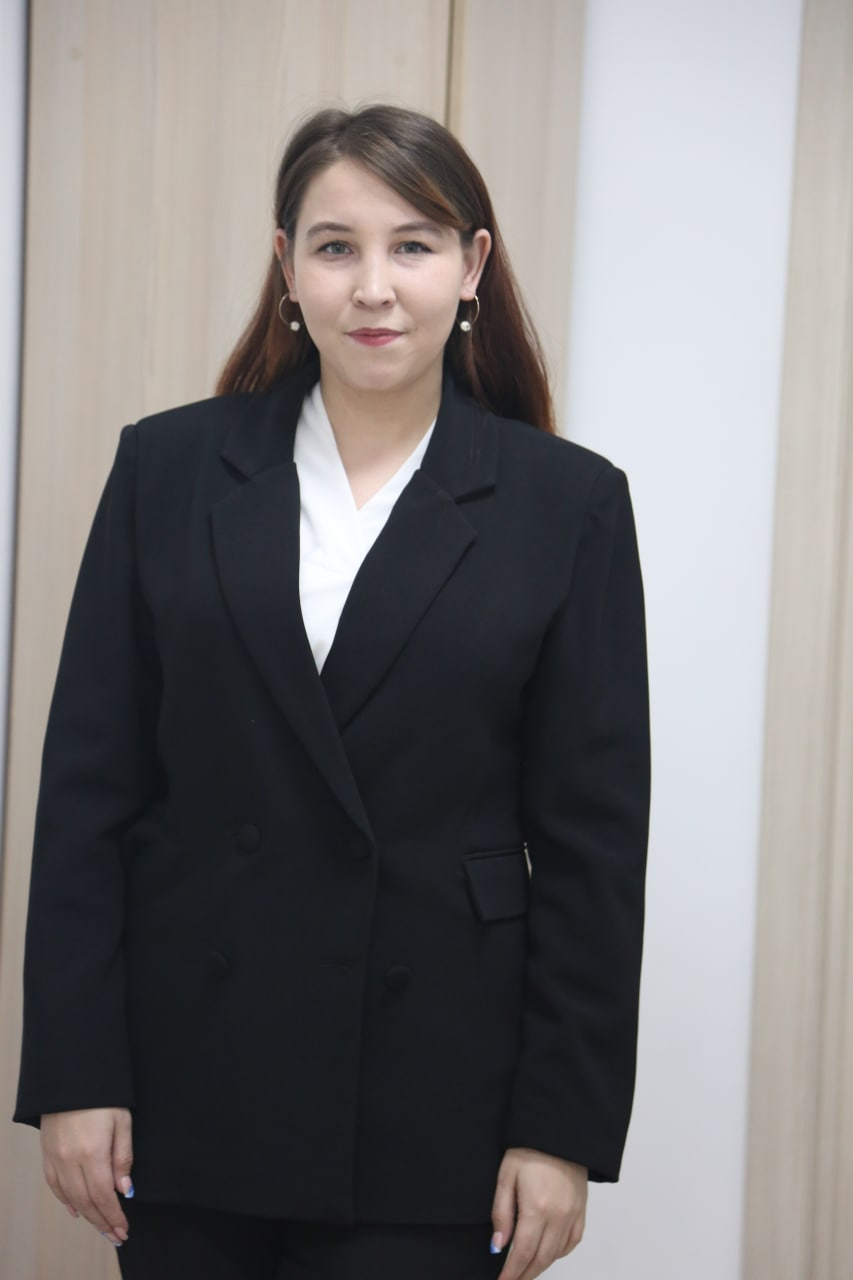
Young Central Asian woman with brown eyes and long straight black hair. She's got earrings and makeup on and is wearing a white top and a blue jacket.
Munnavar Boltayeva

Mom...

If my head bows near the enemies.  
they took away my rights.  
I am left alone, 
I am speechless... 
Don't cry just looking at me, mother...

One day will come, 
I believe it will be a bright day. Everyone respects me and loves me. 
Then I will be your proud child. Don't cry just looking at me mom...

Well, whatever we say, 
I'm your unlucky daughter. 
You call me a flower, you call me a moon face, but I am not like that. 
I look beautiful only in your eyes. 
Just don't hide from me and cry, mom...

Munavvar Boltayeva  
Uzbekistan