Synchronized Chaos May 2024: Motherhood/Bringing To Life

Mother, father, and baby's hands stacked on top of each other. Mom's wedding ring is visible and baby has tiny pudgy hands.
Image c/o Vera Kratochvil

Happy Mother’s Day! This issue celebrates motherhood, parenthood, nurturance, and love.

Orzogul Gofurova offers up a sweet poem as a tribute to their mother, while Gulsanam Qurbonova’s essay highlights the true dignity of the complex homemaking and family-building work her mother performs in their household.

Sarvinoz Giyosova draws on spiritual language to express her respect for her mom, as Orzigul Sherova shares her eternal and sentimental love for her mother.

Abramat Faizulloev pays tribute to his honorable and caring mother as Ismailova Orastabonu honors the resilience and nurturance of Uzbek women. Lola Hotamova celebrates the love of mothers and the long heritage of honoring them in Uzbekistan while Xushroy Abdunazarova reminds us of the importance of kindness and respect for parents in the Islamic faith. Gulhayo Karimova urges all people, no matter how busy they are, to make time to honor their mothers and parents.
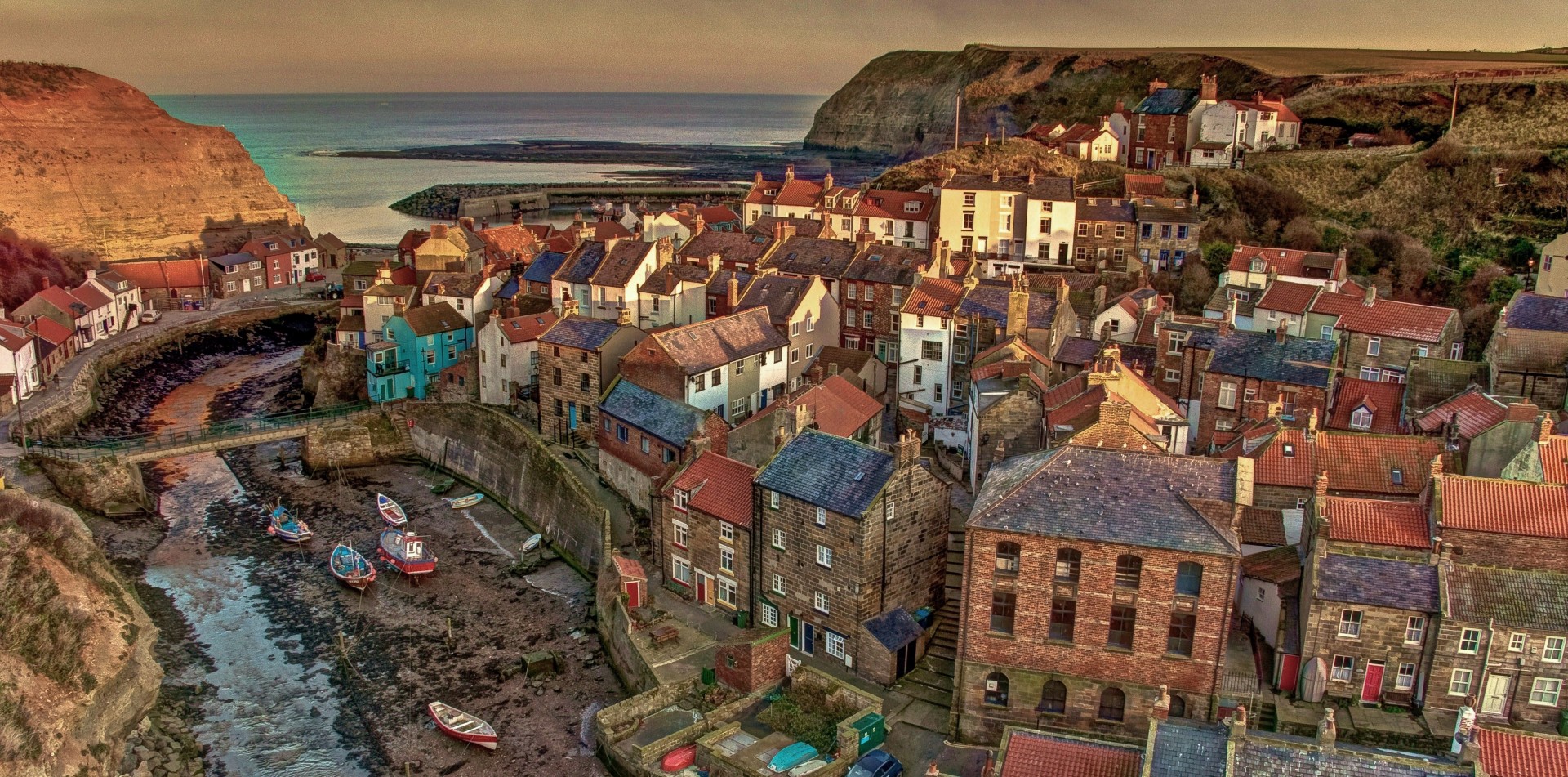
Fishing community near Yorkshire, England. Two and three story brick buildings built into a hillside with boats on the water near an ocean inlet. Fading sun at twilight.
Image c/o Steve Bryant

Nosirova Gavhar writes of a father’s sacrificial love for his young daughter as Don Bormon speaks to the beauty of friendship. Taylor Dibbert’s poetic speaker reflects on finding solace at a local dive bar after the end of a marriage.

Shahnoza Ochildiyeva relates a tale of kindness to a couple traveling with a sick child.

Stephen Jarrell Williams sends up sweet, gentle love poems in an issue that also showcases a poetic collaboration between Dr. Prasana Kumar Dalai (India) and Kristy Raines (USA) that is a conversation between lovers.

Dr. Prasana Kumar Dalai’s solo poetry illustrates the intensity of romantic feelings while Kristy Raines‘ poems highlight the power of romantic love and emotion to affect one’s life, whether or not the relationship lasts. Ike Boat’s piece is the plea of a lover not to be forgotten.
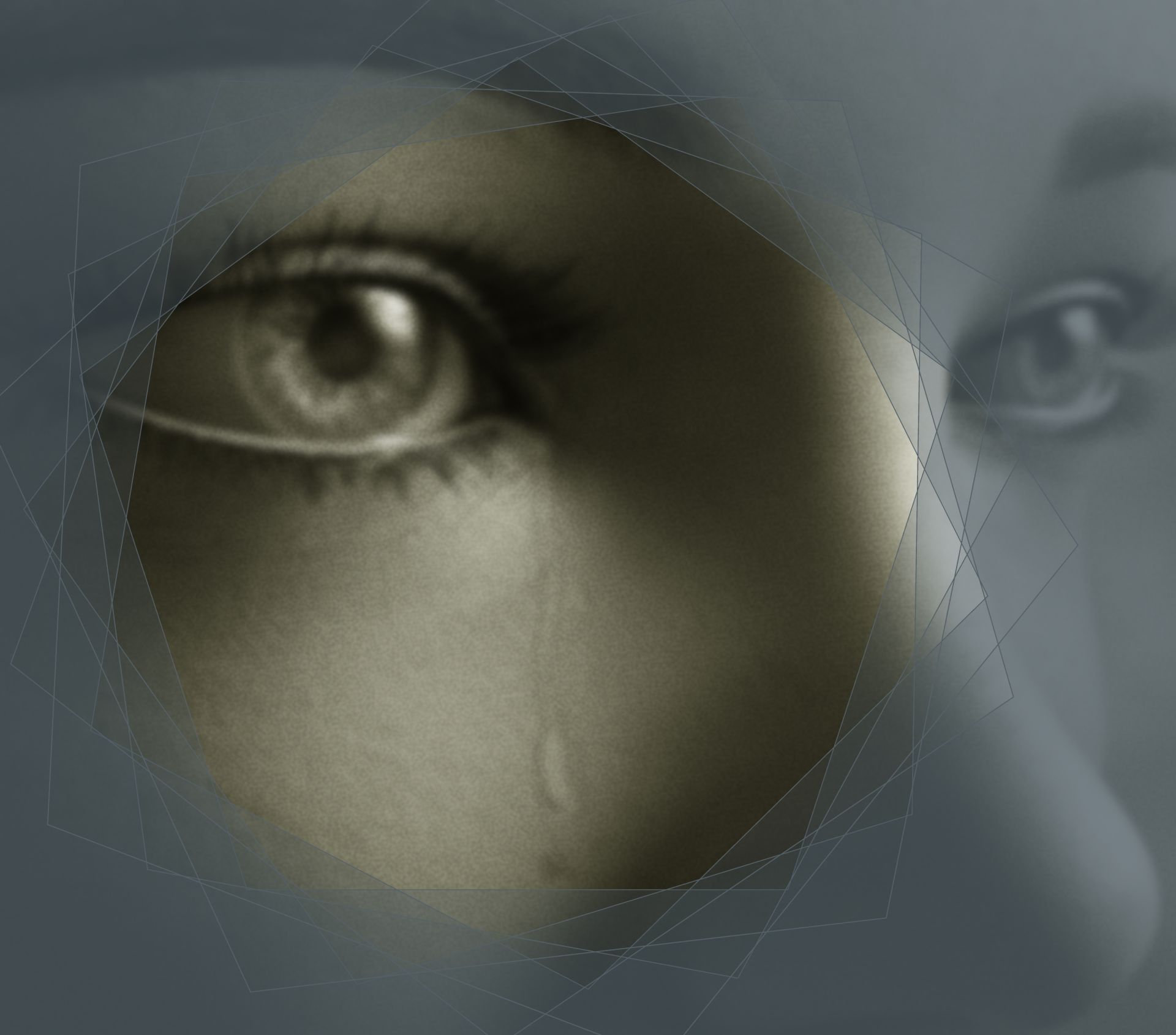
Geometric design opens up a peephole through which we can see a woman of indeterminate race crying.
Image c/o Kai Stachowiak

Lilian Dipasupil Kunimasa’s pieces acknowledge the sad end to a romance. Sadullayeva Darmonjon speaks of poignant instances of love given and lost, or not returned. Mesfakus Salahin laments the loss of a personal love and the loss of gentleness in the world.

Christine Tabaka’s concrete poetry deals with loss: of one’s sense of self, of life during war, and the passing of the “golden age” in art and cinema. Avaungwa Jemgbagh vividly remembers the day their father passed away.

Duane Vorhees writes of the passage of world history and of loves past their lusty prime that have evolved into sources of solace and comfort. Gulmira Nurmuhamedova reflects on the passage of time, her memories of her past and how her present will also, in time, become a memory. Not all changes that happen with time are necessarily losses.

Graciela Noemi Villaverde describes a smooth talker who breaks hearts while Nigar Nurulla Khalilova points out how humans can be as predatory as any creature in nature.
White candle burns against a black background.
Image c/o Martin Birkin

Faleeha Hassan mourns a friend lost to war as J.J. Campbell evokes his feelings of powerlessness in a personally alienating world. Tuyet Van Do’s haikus capture the grisly atmosphere of Gaza as Mykyta Ryzhykh mourns the world’s casual violence and homophobia through a variety of metaphors, including a dead kitten.

Karol Nielsen writes of the effects of the Vietnam War through the eyes of an American child left behind to play while his father fights. While less tragic on the surface than other pieces that present death and suffering, it still shows the separation caused by war.

In her poetry, Lidia Popa urges humanity to care for each other and the natural world.

Mahbub Alam laments the increasing heat and changing climate of Bangladesh and urges a return to environmental stewardship.
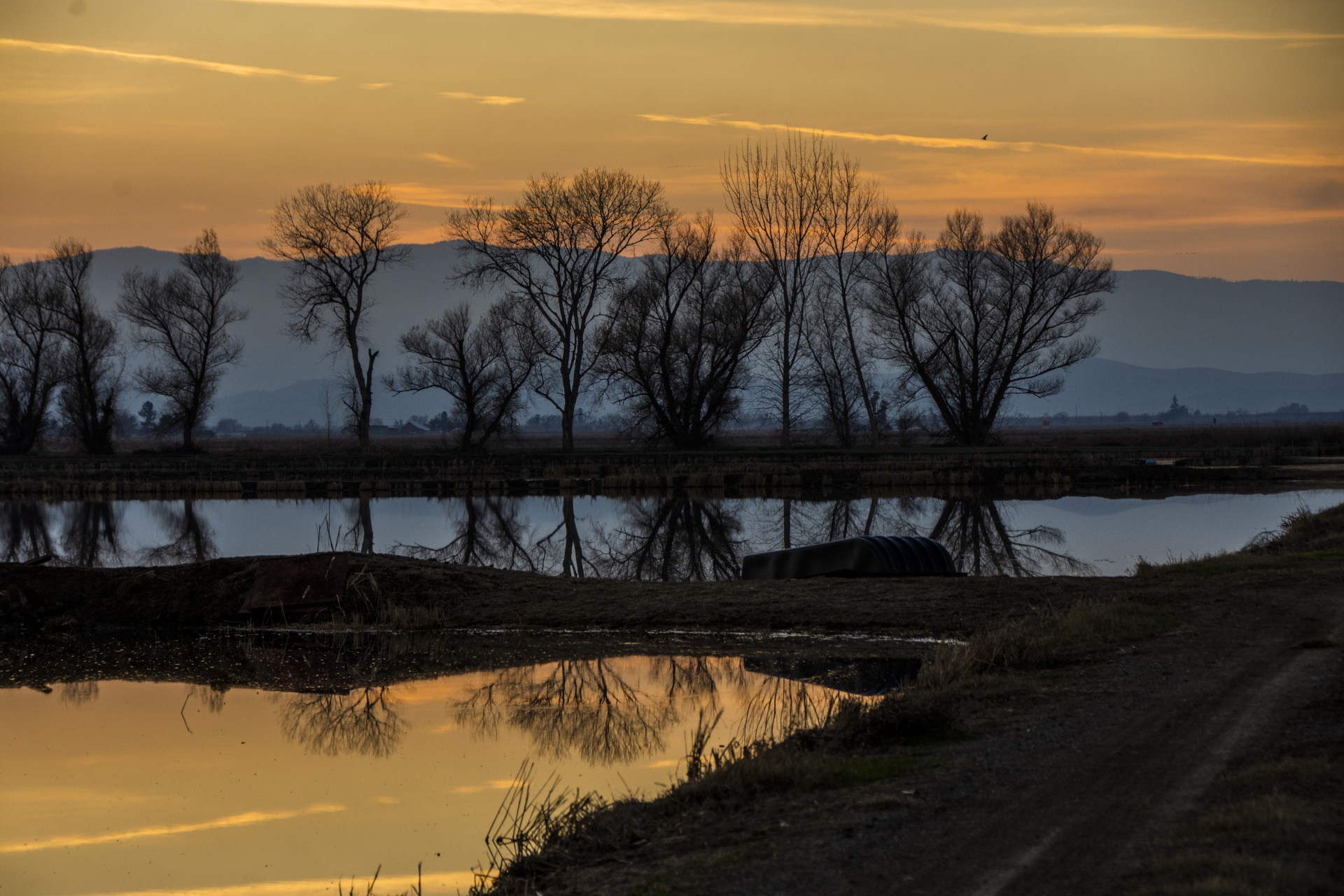
A row of barren trees reflected in the water in the wetlands at sunset. Foggy blue hills in the distance and a dirt hiking trail in view.
Image c/o Linnaea Mallette

Sayani Mukherjee evokes the comforting presence of innocence and delicate natural beauty in a world that also contains genocide and war. Muslima Murodova finds peace by looking up into the vastness of the sky.

John Lloyd Casoy describes a moment of contemplation out at low tide in the wetlands while Lorraine Caputo recollects moments and interactions from her Central and South American travels in her “postcards,” J.D. Nelson notices small moments of surprise and relief in nature and human society, and Dr. Maheshwar Das sends up elegant poems of nature and spirituality.

Devika Mathur contributes an evocative description of the experience of meditation. Mark Young also turns inward, with his systemically generated poems from bits of text, recipes and instruction manuals, regurgitating life in the subconscious. Shamsiya Khudoynazarova Turumovna probes the depths of meaning hidden behind silence. Vernon Frazer’s jazzlike syncopated rhythms of poetry adorn this issue, while Steve Brisendine explores our perceptions and artistic inspirations.

Muntasir Mamun Kiron crafts a poetic ode to the elegance and joy of technology: the creativity it represents and that it can make possible.

Abstract design with blue patterns that resemble a circuit board, white dots and lines like fiber optics.
Image c/o Mikhail Denischenko

In a more satirical take on technology and global politics, Terry Trowbridge satirizes world governments’ battle over the cultural “real estate” of social media.

Referencing battles much earlier in American history between government and media companies over press freedom and defamation, Michael Ceraolo dramatizes controversies and contradictions in early American history through his poetry.

Jim Meirose crafts an off-kilter piece about neighbors and friends playing with different communications and entertainment technology.

Maja Milojkovic highlights the power of poets’ words to turn the world towards justice, compassion, and inclusion.
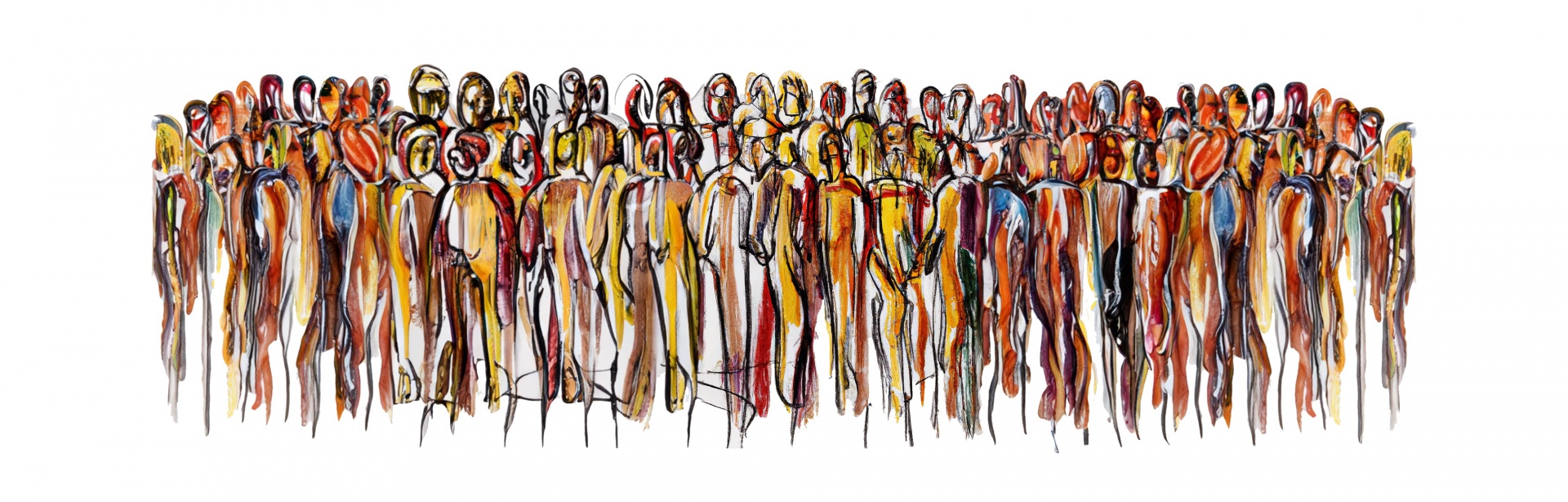
Line drawing of various human figures standing shoulder to shoulder in a large amorphous group. Image is yellow, blue, red, orange, brown, green, and black.
Image c/o Gerd Altmann

In a thoughtful essay, Jacques Fleury urges Black men to embrace a more complex, diverse, and expansive idea of gender and masculinity.

Bill Tope’s story critiques the way our society tolerates, but does not fully embrace, “others” such as older women and people with disabilities. Brian Barbeito’s piece reflects on a lonely hawk and on the solitary elderly, while Noah Berlatsky explores and lampoons the self-absorption at the heart of some self-improvement schemes.

In a different light, Brian Barbeito reviews Jacques Fleury’s book You Are Enough: The Journey To Accepting Your Unique Self in the context of psychological survival in tough times rather than as a privileged form of self-pampering.

In another exploration of nuance, A. Iwasa interviews essayist Rikki Bransen about her piece “Faith and Authority: A Generation X Spiritual Journey” published in Microcosm Publishing’s zine Proud to be Retarded, where she discusses her individual relationship to autism, Christian religious practice, being female, and being middle-aged.

Image of a spoon on the left of a plate with a blue design and blue tablecloth and a fork on the other side next to the other half of the plate with a red design. A black plastic spork with tines at the end of a spoon is in the middle of the plate.
Image c/o Haanala 76

In another look at the journey of an individual towards wholeness and personal achievement, Adkhamova Laylo Akmaljon encourages readers to have confidence and enthusiasm in the pursuit of their dreams. Akramov also highlights the importance of perseverance in achieving one’s life goals.

Abdurazakova Murad offers tribute to an important teacher who showed her the value of daily practice for the skills she wanted to learn. Charos Maqsudova outlines how teachers can support the mental health as well as the academic promise of their students.

Dilfuza Namazova speaks of the importance of learning foreign languages, English in particular. Norsafarova Nilufar outlines the role of various parts of speech in Uzbek sentence construction.

Ogultuvak Atajanova highlights the importance of early education and enrichment for preschoolers and kindergarteners and the value placed on children in Uzbekistan. Botirali Sayifov highlights the importance of universal education to a free and productive society.

We at Synchronized Chaos intend our publication to celebrate literacy, education, and the diversity of experiences from people around the world. We hope that you enjoy and learn from this issue.


Poetry from Orzogul Gofurova (needs to be May 1)

Mommy

My kind and my heaven,
My angel are only you.
In family you are queen,
No happiness without you.

You love us equally always,
You are the best mother.
You have the best kindness,
And you love the best father.

I tend to miss you every time,
Whenever I am far from you.
Not loving you is a crime,
Because the best one is you!

Poetry from Brian Barbeito

Large pigeon on a red-lettered No Trespassing sign. Dry weeds below, a chain link fence and a red brick strip mall in the distance.
Photo c/o Brian Barbeito
It was Hot Like Summer and the Demons Ran Deep, or Not in This Life Anyways


the rains had arrived when there was supposed to be snow, and the fields became beige and flaxen again, and the world was strange and stayed that way. it was as if it had longed to be strange and present that part of its personality that nobody cared about. and now that it had gotten the chance, it wasn’t going to give it up. for many days and nights the precipitation continued. an old solitary hawk that lived somewhere near or perhaps on the top of the movie-house came down and alighted atop a No Trespassing sign. a dirty sad area, who would want to trespass there anyhow? I watched the beautiful hawk as it looked for something, here and there a bit like you look for where you put your keys down right?- found it, jumped down, seeming to let itself fall down more so than jump, having just jumped into the air I felt, retrieved the thing, and left. later I had seen a few souls, two in person and two in vision, that presented well enough, but which I felt were possessed. I have a soft spot for the aged, the idea of the old man w/his sweater and perhaps book or cane even, hard fought sagacity as it were…but not these ones. whatever had taken up residence in them, if I was right, (you always have to leave room for the idea of being wrong), had really done a number on their souls. I was sad and always a bit startled at this. let them be for it was not my responsibility and besides,- these people wouldn’t only not change, but would defend their ideas to the end. pride. arrogance. one day that end would come, but that was up to the Whole, the Universe, God, whatever nomenclature or moniker one chose or that was in fashion. the rain was rain for the high temperature. if you went near a window or outside it actually felt warm and sometimes hot. back by the way of the hawk again, I glanced to see if my old friend who was not my real friend was around. nothing though. no hawk today. sometimes there is nothing but the rain. 


Brian Michael Barbeito is a Canadian writer and photographer. Prose poem and landscape photo book, Still Some Crazy Summer Wind Coming Through, is forthcoming from Dark Winter Literary Press, summer 2024. 

Poetry from Tuyet Van Do

black cavities
outside the hospital 
empty corpses


compliance ...
cries for help 
getting louder 


burning flames 
outside the embassy 
a soldier protesting 


blood-stained gown
behind the window
a gasping doctor


ceasefire ...
a man in the rubble 
collecting body parts 

Poetry from Shamsiya Khudoynazarova Turumovna

Young middle aged Central Asian woman with short brown hair, reading glasses, a floral top and brown jacket.
Shamsiya Khudoynazarova Turumovna
SOMETIMES 

Sometimes time rejects me 
Sometimes I deny it. 
There are still contradictions, contradictions, 
I'm running away... 
Sometimes protected by a long sentence, 
One word and three points more meaningful. 
Sometimes hidden in little verses, 
The meaning of great sayings. 
Sometimes it is not explained by silence 
The thick darkness of speaking 
And sometimes... 
In the light of a darkened 
Conscience 
The greatness of time is clearly visible... 

(Translated into English by: Elmaya Jabbarova. 
20.04.2024.)

Shamsiya Khudoynazarova Turumovna (February 15, 1973) was born in Uzbekistan. Studied at the Faculty of Journalism of Tashkent State University (1992-1998). She took first place in the competition of young republican poets (1999). Four collections of poems have been published in Uzbekistan: “Leaf of the Heart” (1998), “Roads to You” (1998), “The Sky in My Chest” (2007), “Lovely Melodies” (2013). She wrote poetry in more than ten genres. She translated some Russian and Turkish poets into Uzbek, as well as a book by Yunus Emro. She lived as a political immigrant with her family for five years in Turkey and five years in Ukraine. Currently lives in Switzerland. Married, mother of five children. It was not possible to publish poems and translations written by the poet in the next ten years.


Essay from Botirali Sayifov

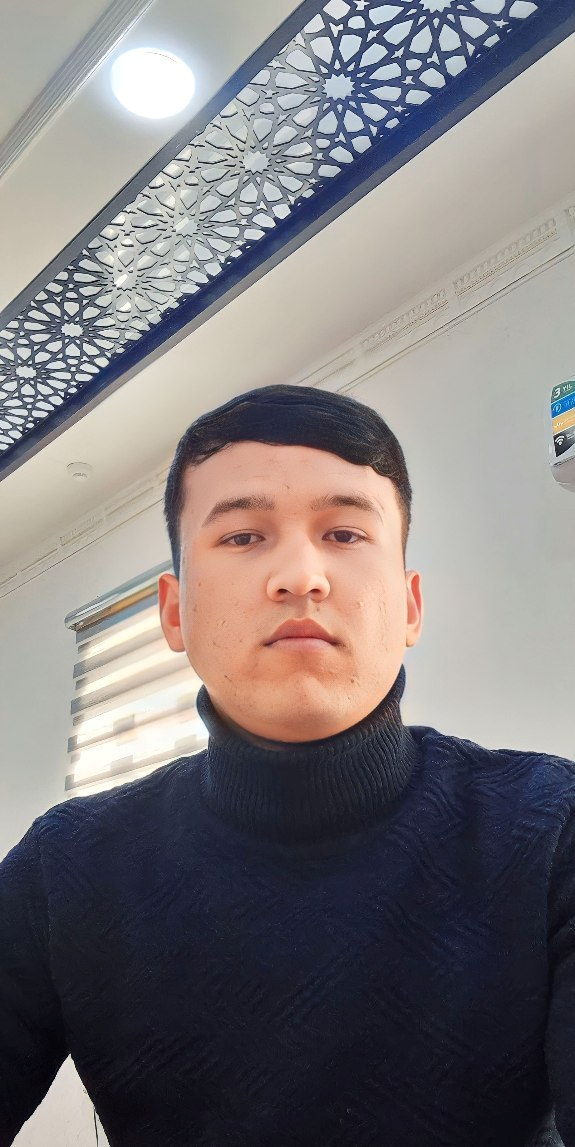
Young Central Asian man stands in a classroom with a bookshelf to his right and a patterned divider above him. He's got a serious face and a black sweater.
Botirali Sayifov

Education and its importance

   Education is the transfer of knowledge to a person, thereby developing intellectual, affective and moral abilities. That is, it is not only related to the study of didactic knowledge, which allows to perform various tasks with more or less skill. The possibilities in education are endless. It’s not about focusing all your energy on one point or limiting your abilities.

  The first thing that strikes me about education is the knowledge gained. Education informs us about the world around us and at the same time changes the world for the better. It develops and nurtures our perspective on life. It helps us to form thoughts and have visions around us in life. It doesn’t just mean giving us book knowledge, but painting, singing, painting, manners, etc. provides different knowledge about different skills like.

  With the increase in population, people’s needs are also increasing. Therefore, there are many firms that require a large number of employees to increase productivity. In this case, it is necessary to acquire knowledge and develop healthy competition among others

  Education is mainly important for children because they are the future of the world and they need to be updated with current knowledge. They are truly pillars of the nation. To develop the country and the world, it is necessary to secure the future and children with all their knowledge and skills are the right tools to build the nation. Children stand out from all issues as future leaders for the development of the nation; therefore each and every child should be educated.

  There are many different concepts and definitions of what education is, but one thing that can be generally accepted is the importance of education and the reasons for it.

Provides stability

 Education provides stability in life and is something that no one can ever take away from you. By getting a good education and a degree, you increase your chances of getting better career opportunities and open new doors for yourself.

 Provides financial security

  In addition to stability, education also provides financial security, especially in today’s society. A good education leads to a high-paying job.

Ensures equality

  For the world to be truly equal, it must begin with education. If everyone was given the same opportunities for education, the gap between social classes would be smaller. Everyone can have an equal chance at high-paying jobs.

 Provides independence

  An educated person will never be dependent on the opinion of others. He will have his own personal opinion.

Makes dreams come true

   If you can dream it, you can achieve it. Education is the most powerful weapon you can have and with it you can make all your dreams come true.

Provides security

   Education is not only necessary on a personal level but also on a global scale as it is what keeps our world safe and makes it a more peaceful place. Education teaches people the difference between right and wrong and helps people avoid dangerous situations.

 Confidence

   Self-confidence is an important part of being successful in life. And what better way to gain that confidence than through education? Your education level is often a way to prove your knowledge and it can give you the confidence to speak your mind and voice your opinion.

 Education makes a person a part of society.

   In today’s society, getting an education is an important part of being accepted by the people around you. Getting an education makes you a useful part of society and helps you feel like a contributing member.

Provides economic growth at the national level

   An educated person is very important for the economic growth of the society. In order for us to be constantly innovating, people need to keep learning and exploring. Economic situation also improves in countries with high literacy rate. If the population is educated, jobs will expand.

Poetry from Muslima Murodova (needs to stay May 1st)

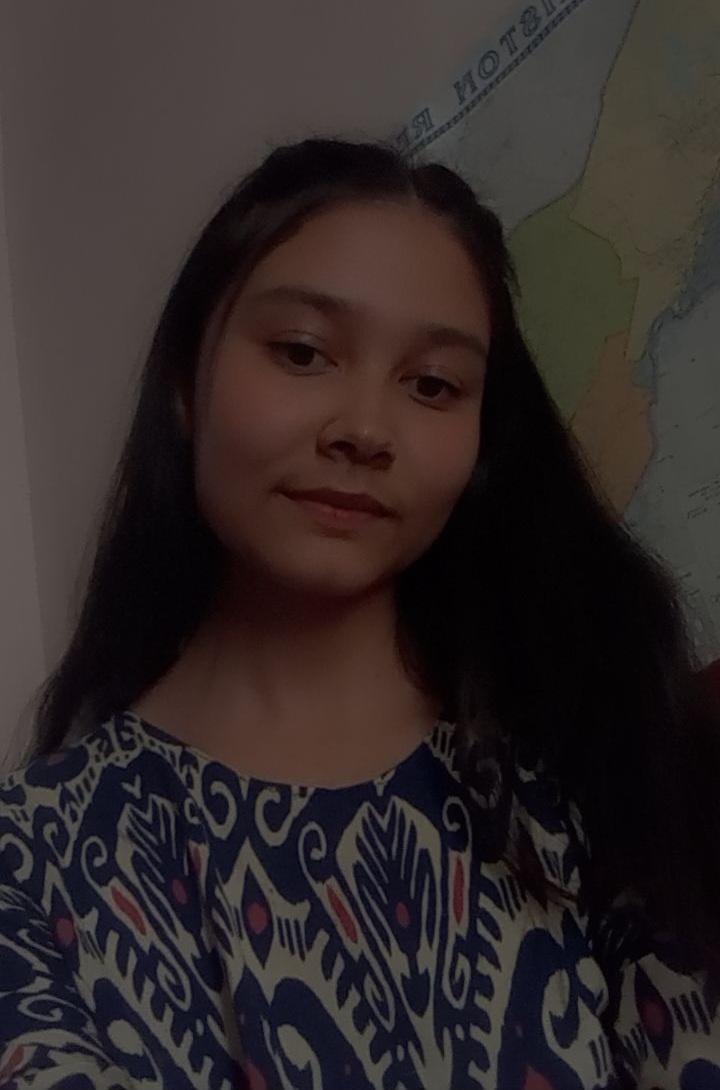
Central Asian girl with long dark hair standing in front of a map with a blue and white floral blouse.
 Immaculate sky

 Wide and clear,
 It's always sunny.
 You can't stop looking
 Immaculate sky.

 Birds decorate the day,
 Star gazing at night.
 The moon shines
 Our eyes are happy.

 House of snow and rain
 Cloud's favorite.
 The heart of the peasants,
 Ascending beacon.

 The stars are kind,
 It shines every moment.
 Likes for humans
 A crescent moon in the sky.

 When you are happy, when you are sad,
 You can watch and enjoy.
 Forget your troubles
 You will reach your goal.

Murodova Muslima Kadyrovna was born on June 29, 2010 in Jondar district of Bukhara region. Currently, she is a 7th grade student of school No. 30 in this district. Her first poem was published in 2024 under the name "Come beautiful spring". Winner of many achievements. She won the 2nd place at the festival held in the district. She won the 1st place in the district stage and the 2nd place in the regional stage of the "Bakhtim Shul: Zulfiyasiman Uzbek" contest. Her first anthology was published by the UK publisher Justfiction Edition.