DJ Toyacoyah in conversation with Metariddim

On September 3, 2023, I attended the Jungle got Soul event in Chicago – hosted by the dnbid crew (DJ’s Stunna, Subverb, Renan, Skrimshaw and Occum’s Razor):
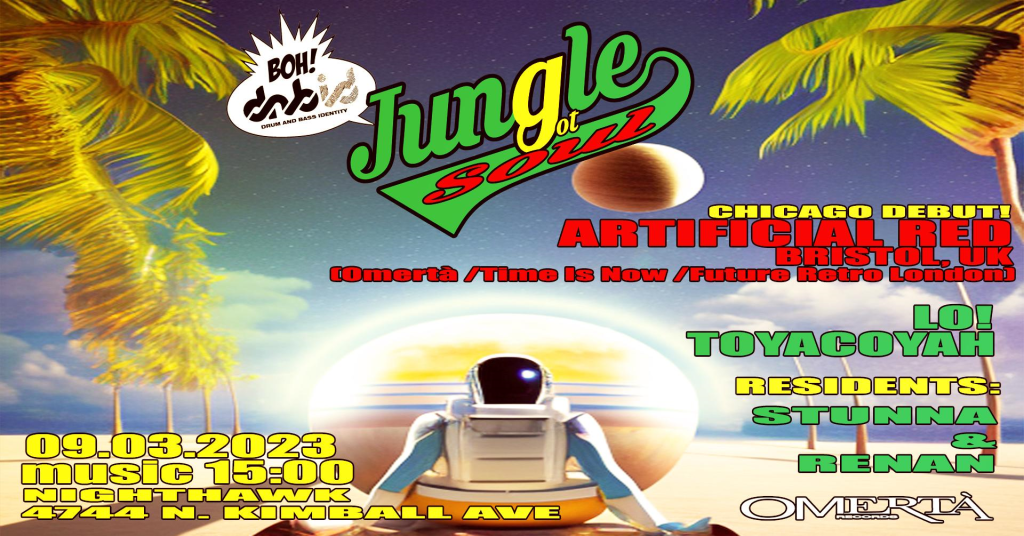
Flyer for the Jungle of Soul concert in September. A robot is in the foreground and palm trees are in the background.

fb.me/dnbid

Three sets in, I was impressed by the ambient sounds of DJ Toyacoyah. I looked her up online to learn more about her and saw that she was a member of the Comanche Nation – a rarity, so I decided to have an impromptu dialog with her at the bar where we dished on raves vs. pow-wows, West Coast DJ culture, Brazilian jungle/drum ‘n bass, indigenous hip-hop, Mixed-blood politics, Native representation, tribalism, (sound) medicine, colorism/racism, etc.


M: OK, let’s start with your name. What does it mean?

T: It means “Returning from the War”. I’m named after a great great grandma on my dad’s side. Her name was actually spelled “Toyackkoah”. So, story goes, back in times of war, the women would help the men and provide weapons and reinforcements if needed; so on her way back from helping refill ammunition and what not, my ancestor was born. I think it literally might mean “returning from the mountain” because I’ve seen Toya used as a mountain name before.

M: Cool. So what does it mean to you to be a Comanche DJ in Chicago’s Jungle/Drum ‘n Bass (DnB) scene?

T: Yeah well, honestly, I didn’t grow up 100% around Comanche Nation just because, like, I was born there – born in the Indian hospital – but I only lived in Oklahoma until 7 years and then I moved off to Arizona, California; but I went back to Oklahoma for college. So that’s kinda how I got back in touch with my roots ‘cause there’s…a lot of Natives that go to college up at OU but yeah, no, I definitely see the parallels between pow-wow music and rave culture and stuff like that. People always ask me about that. I’m, like, “definitely”…so yeah, I definitely see the appeal obviously ‘cause I watched my relatives dance – definitely percussion was heavy in the mix, right? So no, who knows? There might be something in the DNA ‘cause I listened to house music, freestyle and all that stuff growing up; but the first time I heard jungle, I was like, “Yo, what the hell is this?” and I didn’t know what it was, right? I went back later, I’m like, “that was ragga jungle.” I’m like, “that was straight up, like, the craziest thing I ever heard in my life.” I really wish I knew what song was playing, who the DJ was but it was like ‘95 – San Francisco. That’s where I first started and my life was pretty much changed after that.
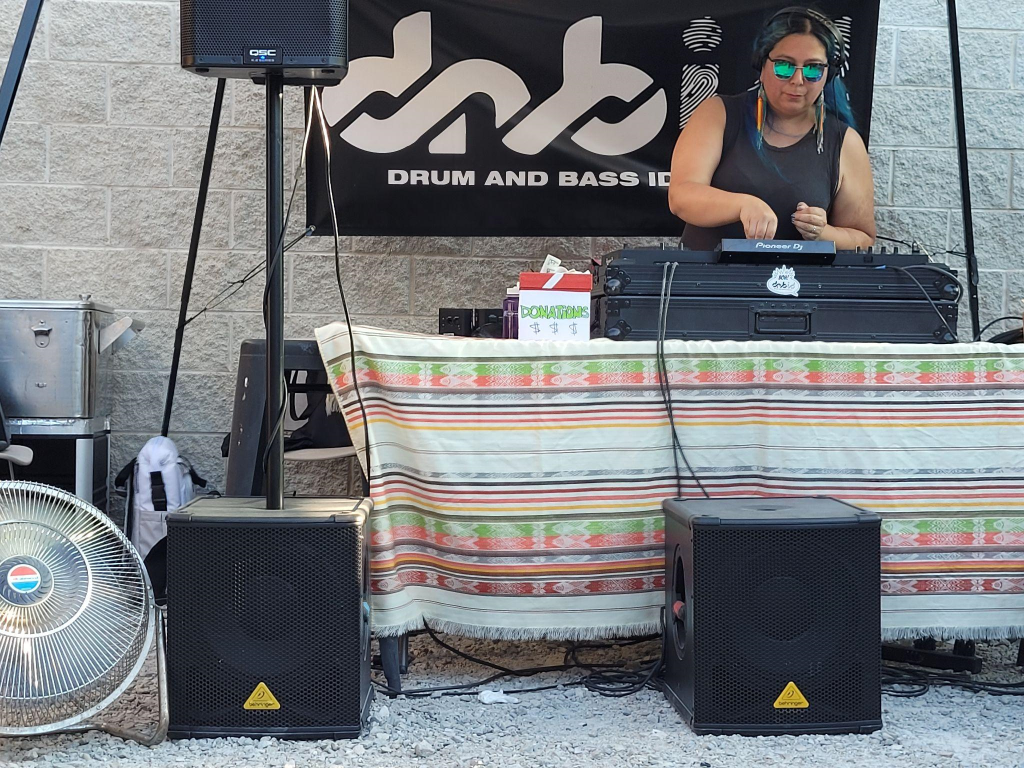
DJ Toyacoyah, a brown skinned person with sunglasses and a black tank top, plays music from a DJ booth with a multicolored cloth and speakers nearby.

DJ Toyacoyah on the decks @ Jungle got Soul in Chicago.

M: You bring up an interesting point about the cultural or subcultural, at this point, parallels between the Jungle/DnB scene and the First Nations scene – raves versus pow-wows. I think every Junglist has that moment that they can identify where they were like, “Whoa, what is this?”

T: Yeah.

M: “How does this relate to me? I’m here, it’s real…and, now, what am I gonna do?” Obviously, you chose to DJ.

T: Yeah, so I’ve been buying records since I was a kid – like in the ‘80’s. It was always, like hip-hop or, like I said, freestyle or hip-house or whatever; so I was interested in electronic music but, just, I didn’t know it was a DJ culture thing, right?

M: Right.

T: I listened to the radio a lot in California and they’d always have people mixing but I always felt it was more hip-hop; so I knew that culture – turntables and all of that, but I was like, “Oh OK, there’s, like, a whole other thing happening here,” right?

M: Right.

T: So, when I got to college, I started buying stuff and then I went to the radio program there; so then I had a radio show and that’s where I started playing a lot of drum ‘n bass. That’s how I got my practice.

So funny enough the radio station at the time was KXOU but it was only on cable TV since they didn’t have a license or whatever. There was an NPR station I interned at, too, called KGOU. But for the show I had on the cable TV part it was called “Recipe for Chaos”. I think I have an old VHS tape of one night somewhere (laughs). Dragged my 1200s and mixer into the studio for it.
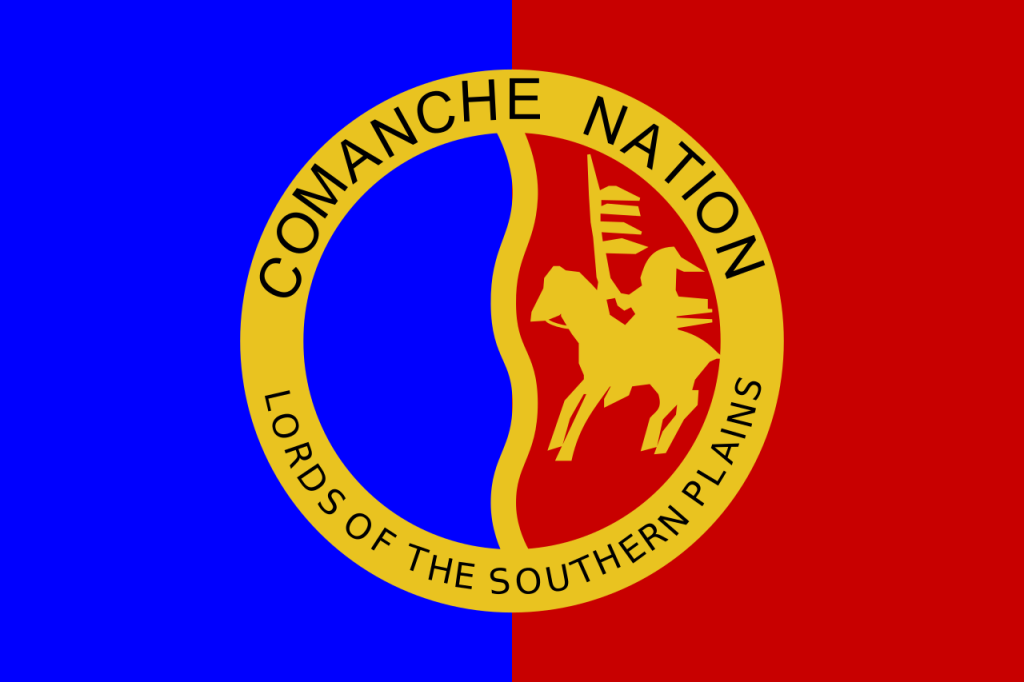
Red and blue flag with a yellow circular seal and a yellow person on horseback in the middle. Black text on the seal reads "Comanche Nation, Lords of the Southern Plains."

www.comanchenation.com

M: What’s the scene like down there in Oklahoma?

T: So, funny enough, there’s a really big scene and it was mainly a lot of hip-hop and rave crossover. One of the biggest crews that was throwing parties was the UAT crew and they’re actually the ones that made me DJ.

The very first time I got a gig was because my friend was throwing a party and they put my name on a flyer and didn’t tell me until, like, a month before the party. He said, “by the way, you’re playing this and start practicing now. And I was like, “WTF, dude?” but I needed that push because I would never do something like that – you know what I mean? – like on my own, so I appreciate that he did that for me and, yeah, that was my first gig – January ‘98 – and no looking back since then.

M: That’s what’s up. Do you feel like a lot of other First Nations people down there kind of had that same synergistic feeling or experience of, like, the rave culture integrated with the pow-wow?

T: Especially if they were into hip-hop culture. I don’t know as far as rave goes, but I definitely noticed it more recently. But that’s also because of the internet, you know – you’re a little more in tune with what other people are doing and I think it helps that people, like in Canada – First Nations – where, like, A Tribe Called Red (are from). They definitely helped solidify…rally the troops…

M: …Yeah, right. Exactly…around hip-hop. Rebel Diaz* is another one representing the First Nations down in Latin America. They have a show coming up at the Old Town School of Folk Music.

T: Oh yeah, I know Indigenous Peoples’ Day is coming up, so they’re having a big…what is it?…one-day concert. I remember they had something last year. I wanted to go to it…but, no, I’m really excited because, like I said, I feel like I see more hip-hop with Indigenous culture. There’s, like, a big appeal there. But that kind of probably goes with social awareness and issues like that. It’s a way to express yourself, you know what I mean?

M: Yeah, totally.

T: So, I feel like that’s a big parallel culture with, like, bringing sh!t up.

M: Definitely.

T: But yeah, no, I actually just played in Minneapolis like two weeks ago (?)

M: Oh Nice! Largest Native urban population in the “United States” (Turtle Island).

T: Well, that was the thing, right? So  I remember I saw on the event page, this girl was like, “Wait, she’s indigenous like me? I’m totally coming out.” And she’s like “Representation Matters.” She was so excited. I didn’t know this girl, right? So, the day of the show…I didn’t see that post until the day of…and I was like, “Oh that’s so cute.” And, so, she actually came up while I was DJ’ing. She put a sticker on the CDJs, and it was…this medicine wheel sticker.

Red and black sign with a yellow and black and gold vinyl record in the middle. White test around the record reads Sound Medicine.

soundmedicine.art

And I was like, “Oh, is that the girl?” And so I waited until after the show and talked to her and now we’re Facebook friends. But I was like, “I appreciate that” because I didn’t really have too many Native friends in the scene. One of my best friends used to dance with me alot in Oklahoma but, you know, you go somewhere else and I’m usually the one person in the room, right?

M: Right. Exactly!

T: Like if I look around right now, I’m probably the only Native person…but I get used to that – whatever. So it was nice when you get to be with people, like, in a similar situation…

M:  Totally. 100%. Now I think, with that said, there’s also that unspoken presence as well, right? As a DJ, you talk about mixing genres and mixing records, but there’s also the mixed-blood, right? Those of us that, you know, have mixed-blood, but may not be enrolled, may not necessarily be accepted in the sovereign nations, so how do you speak to that? As a mixologist, how do you speak to that with respect to the mixed-blood people and how they express themselves whether in the underground culture or in the mainstream culture?

T: Yeah, no, it’s definitely difficult. It’s a touchy situation because…there’s definitely colorism and whatever within indigenous cultures – (in) the Black community for sure. But, like – I don’t know – I think there’s something that you can get from all the cultures and all the different music. A shift sharing is a big part of our culture too. Like, someone comes into your home, you’re sharing food; so, as a DJ, you’re sharing…the music, the love – so I don’t know.

M: It’s something to put out there – something that’s maybe not discussed as often as it should be, but I think that the arts have always been a means to at least communicate the reality of such situations that ultimately bring that medicine that the tribes do talk about. A lot of times, the more difficult conversations, the more difficult confrontations, the more difficult situations, both within and beyond First Nations communities, can bring about that medicine, right? Sometimes you have to break the bone and reset it correctly in order for it to grow in its proper nature.

T: Yeah, no, and I think that there’s alot of things that we can all learn from each other and that was the bad thing about what happened in this country when it was “founded”, right? People were already here, but we’re gonna say, in quotes, “founded”. If everyone had tried to get along, I think that things would be way better; but it’s always “us against them”, “who can you trust”, “blah blah blah”…

I prefer the places where you can have some acceptance because alot of times, with Native cultures, there’d be wars going on – whatever, but if someone was captured they were brought into the community, right? Like, “OK, you’re one of us now,” back in the day, you know? So I feel like there’s that whole, like you were saying, acceptance, tribalism – whatever, like “you’re one of us now.” That’s kind of how it is in the dance music community, like “Oh, you like drum ‘n bass? You’re one of us now.” Because, like, we’re few and far between, I feel like.

K: Totally, and speaking of medicine, for me personally, drum ‘n bass has always had somewhat of a healing impact and place, and effect in my life. Do you feel that drum ‘n bass has that capacity to heal some of those divisions or some of those wounds that exist within the First Nations community as well as beyond the First Nations community?

T: Oh yeah, for sure, I mean, there’s musical therapy, right? Like, there’s people that specialize in that stuff. So yeah, I feel like the more we share, the more we create, the more we’ll have in common. You know? That’s where we find our common ground, is on the dance floor.

K: That’s cool. Do you see yourself, in the near future, maybe bringing the drum ‘n bass culture – sound – maybe into the pow-wow community or somehow, you know, bringing it a little bit closer?

T: It would be cool just because I feel like there’s not enough…like you’ll see – especially in the UK, right? – you’ll see alot of record labels or song titles that borrow from tribes, but they still have that weird, stereotypical view of what that means ‘cause they’re not around it. That’s fine, they’re in the UK – whatever, but there’s this one kind of crazy…I’ve seen it before, Redskin Records is the name of it. I’ve seen it. The caricature is not very flattering. People have called them out on line but, right now, if you say something, like, “Oh no, ‘woke’ is a bad word.” It’s like, “no, you’re just trying to say this is not how you need to be talking about people, representing people”; but, of course, it’s like people are still set in their ways, right? So, things like that, I think there’s still a long ways to go. People just don’t know that sensitivity ‘cause they’re not around it all the time, right? So, yeah, it’d be cool to have more representation in the scene. Bring more people into it – whatever.

Sign for Redskin Records with a caricature of a Native American person with a feathered headdress, long braids, and tennis shoes carrying a stack of vinyl records.

Boycott Redskin Records!

T: And, like, speaking of, like, indigenous cultures – I’ve never played for a crowd, right (?), that’s like mainly indigenous or like mainly even more than just me, right?

M: Right.

T: But someone reached out to me this past year – and I haven’t done it yet, but I’m actually gonna play for this Native American museum (Eiteljorg Museum) in Indianapolis. I’ve never done anything like this…but I was surprised because someone knew I was Comanche and they’re like, “Hey, we’re looking for an indigenous DJ and there’s one in Chicago”, so I’m actually gonna go there in November to help with this exhibition, so it’s gonna be, like, the first time I’ve played for something like that. I’m excited. I’m gonna pick out different music, obviously, but still, you know, some good tribal music, world music. I feel like I could also expand it a little bit.

M: Yeah, definitely. No doubt, absolutely. I think the world music community, there’s a place for you in that community. I know they have their festival comin’ up here soon. That’s why I mentioned Rebel Diaz – they’re part of that. They’re celebrating like 50 years of an uprising (coup) in Chile.

T: OK cool.

M: Yeah, I think that’s an avenue that could definitely serve as a bridge between, you know, the First Nations community and the underground jungle/dnb community.

T: And also in that spectrum, too, I really love Brazilian music. When I was like…you know, early 2000’s there was alot of Brazilian drum ‘n bass that came out. I was so inspired by it that I actually did study abroad in Brazil. I used to DJ down there, but if you look at the USA and Brazil there’s alot of parallels of indigenous culture, settlers came in, slave trade was happening, and it was really interesting to see how the music – you know, kind of similar. We’ve got jazz, they’ve got bossa nova, you know. I was very interested to see, like, how those cultures came about because of what they went through.

M: Well the majority of the African captives, actually, were landed in Brazil and Colombia.

T: Yeah, Salvador was where I was and that was a big part of what I saw there.

M: Exactly, exactly. So too often, in the US, we think we’re the epicenter of that, but we’re far from it. We’re a very small percentage.

T: Nope. Yeah. And that’s why I really wanted to go there – just to see how they treated their indigenous culture because it was definitely like they didn’t really talk about it. It was so weird. It was like, “Oh we’re all Brazilian” and I was like, “Nooo”, you know?

M: Yeah. I mean there was that immediate fusion of the African captives and the First Nations there and, for example, in Jamaica you have the Maroons. And in Canada you have the Métis and here, obviously, you have the Mixed-bloods here and all throughout the Americas, really. So it is a quote unquote “Pan-American” or Pan-Turtle Island diaspora that is both inclusive of indigenous and Afro-Indigenous communities, but also the integration of the two, which needs to be illuminated more; and I think, through music, we can heal some of those divides and get back to those roots.

T: And that’s my favorite part, just hearing what people do – that whole call and response with music. It’s like I’ll have this, I’ll have that – ooohh, let me put my little vocal element in there.” That’s f#cking bad@ss. I feel like that happens alot. So, it’s like we can relate more with music than, I feel like, in other different ways.
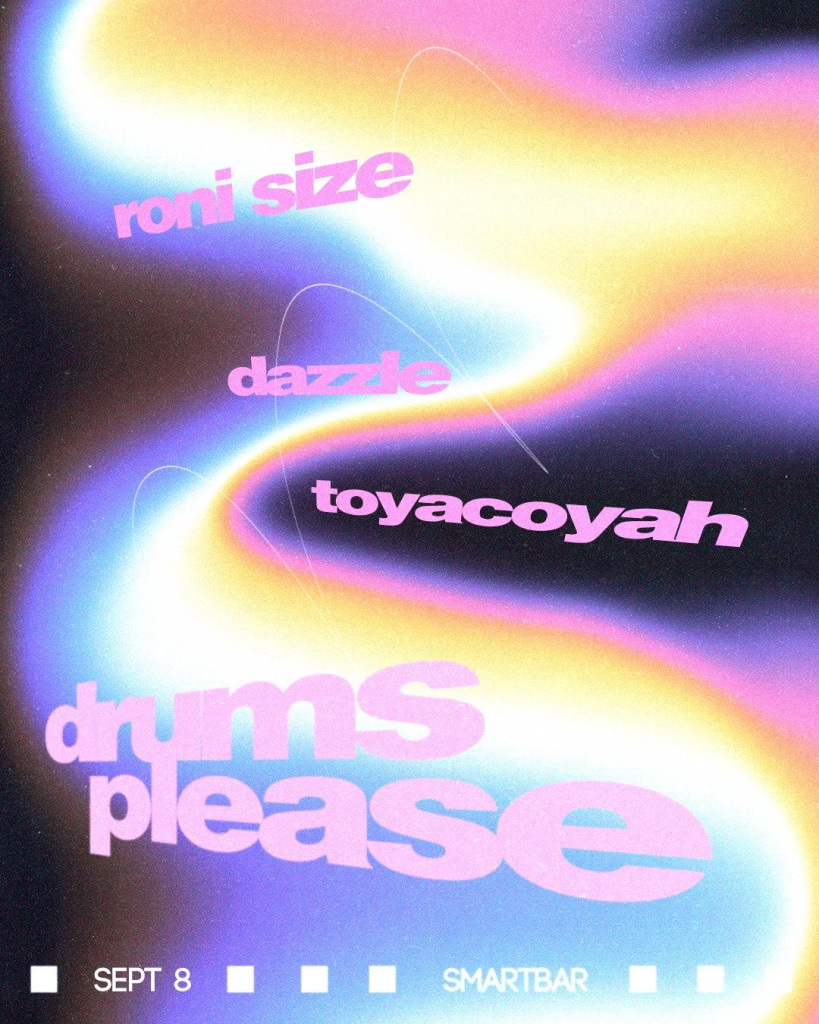

Lava lamp style pink and purple and blue and black and white flyer reading dazzle toyacoyah drums please

* Rebel Diaz brothers RodStarz and G1 grew up in Chicago and came up in The South Bronx, NY. They are the sons of political refugees from Chile who fled a CIA-funded dictatorship in the 1970s. They have been doing rebel rap since the Clinton era, sharing their story and those of their people; el barrio, the hood, the poor, los inmigrantes. The brothers' bilingual sound has been shaped by pieces of South American folk, house, and latin percussion gettin' down with boom-bap, breaks, and 808s.
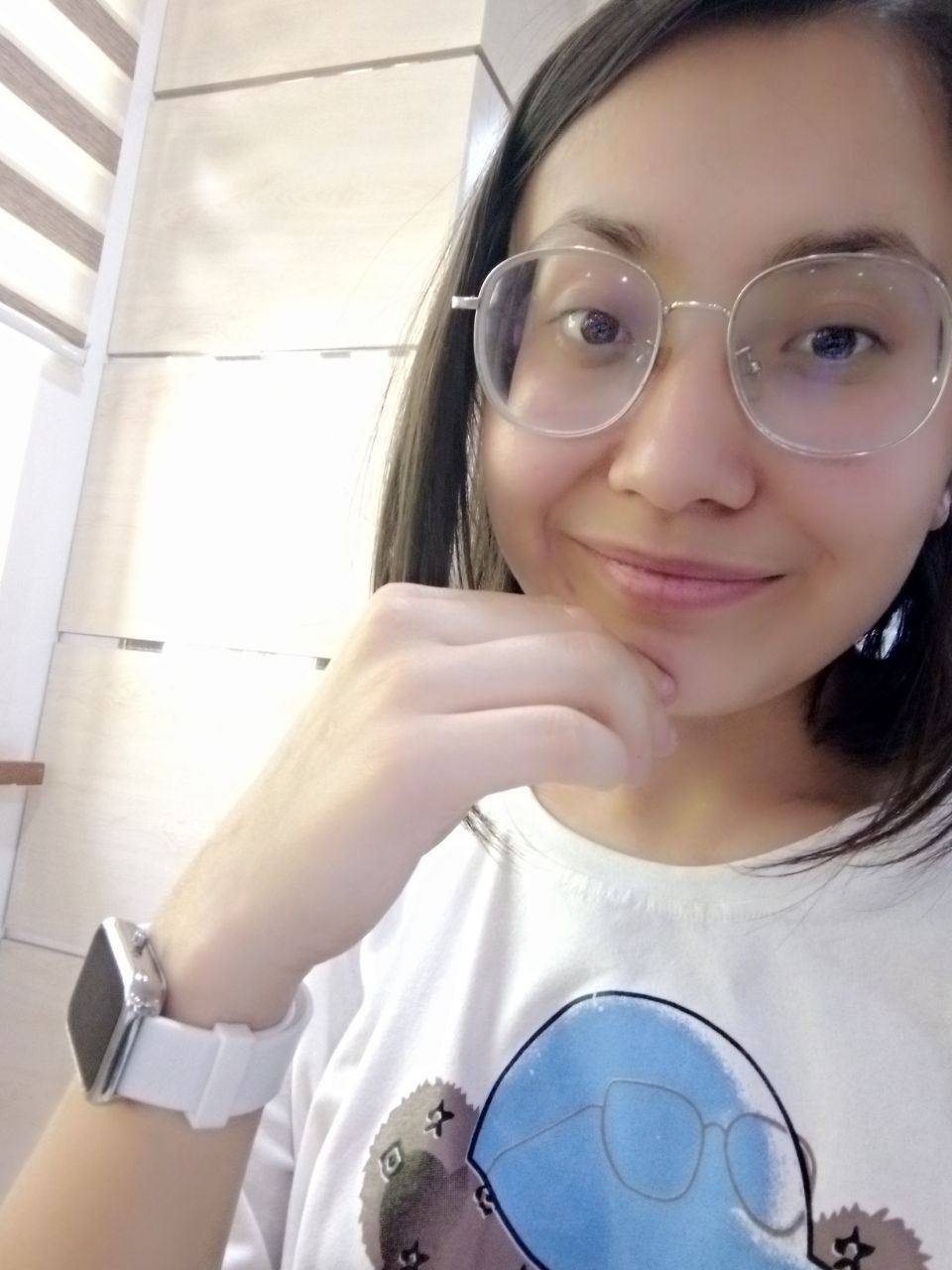
Essay from Bakhora Bakhtiyorova

Central Asian teen girl with reading glasses, short black hair, a white tee shirt with a blue design. She's got a wristwatch on her right hand which is near her mouth.
Bakhora Bakhtiyorova

Electronic Music

Electronica is the term for various genres of electronic music built with samplers, synthesizers, and drum machines. Many of these electronic genres are part of dance music festivals worldwide. Other genres of electronica are non-dance music for close listening. In the United Kingdom, electronica typically describes music that listeners consume via headphones and a home stereo system, or as soundtracks to movies and video games.

In the UK, also, electronica is also a catch-all term to describe club music, genres such as EDM, system pop, electro, electronic pop drum and bass, and trip hop. Consequently electronic music, broadly known as electronica, has evolved in conjunction with advances in synthesizer, sampler, and drum machine technology.

The earliest forms of popular electronica were developed in the 1960s-1970s. Jamaican DJs spun records of reggae, backing tracks without the vocals, creating music and dance known as din. Around this time in Europe, artists Mike Kraftwerk, Mike Oldfield, and Alan Persons Project began.

Art from Robert Fleming

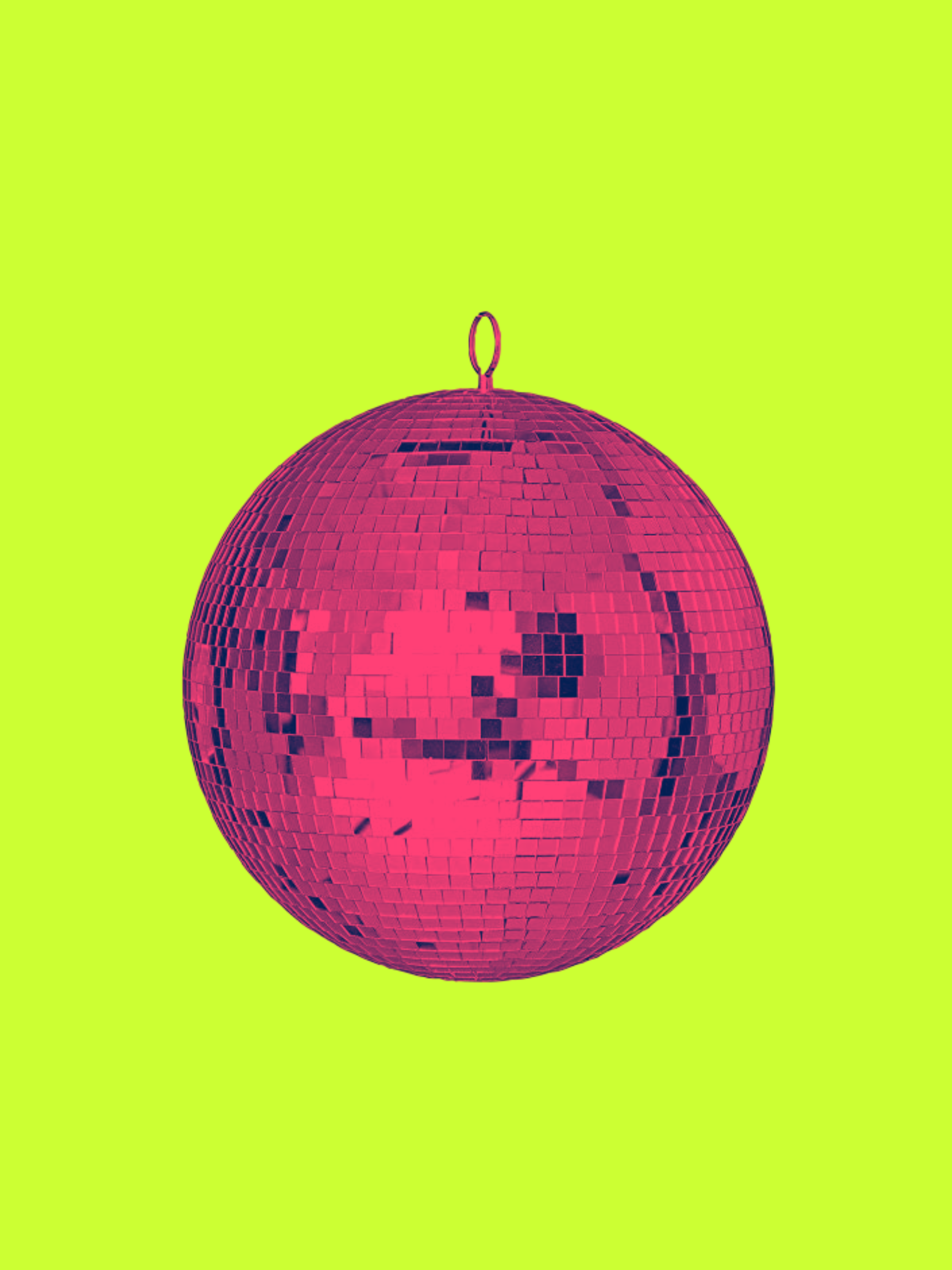
Shiny magenta disco ball against a bright light green background
The Great Disco Ball of Berghain, Berlin, Germany
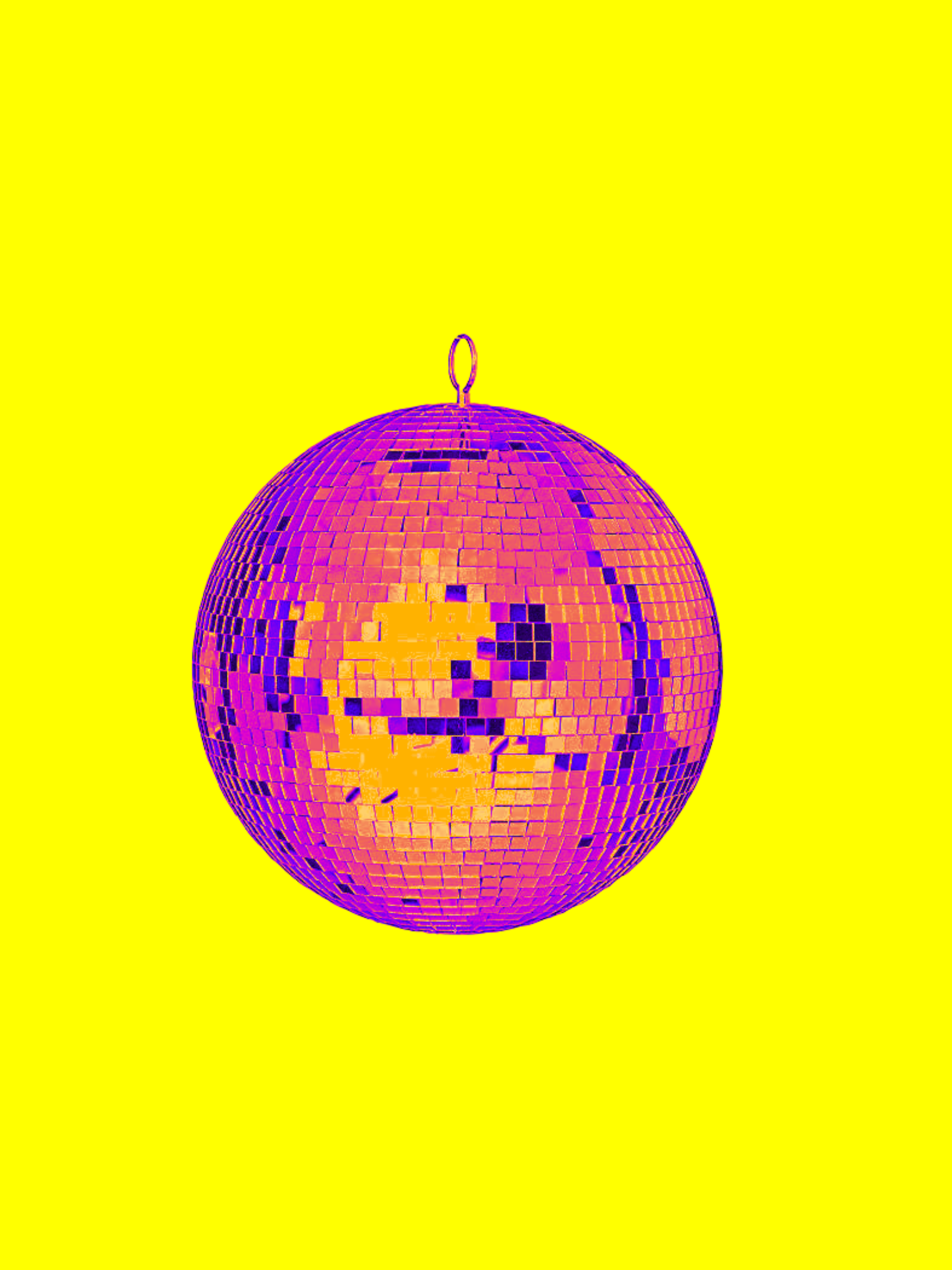
Magenta ball on a bright yellow background
The Great Disco Ball of Shoom, London, UK
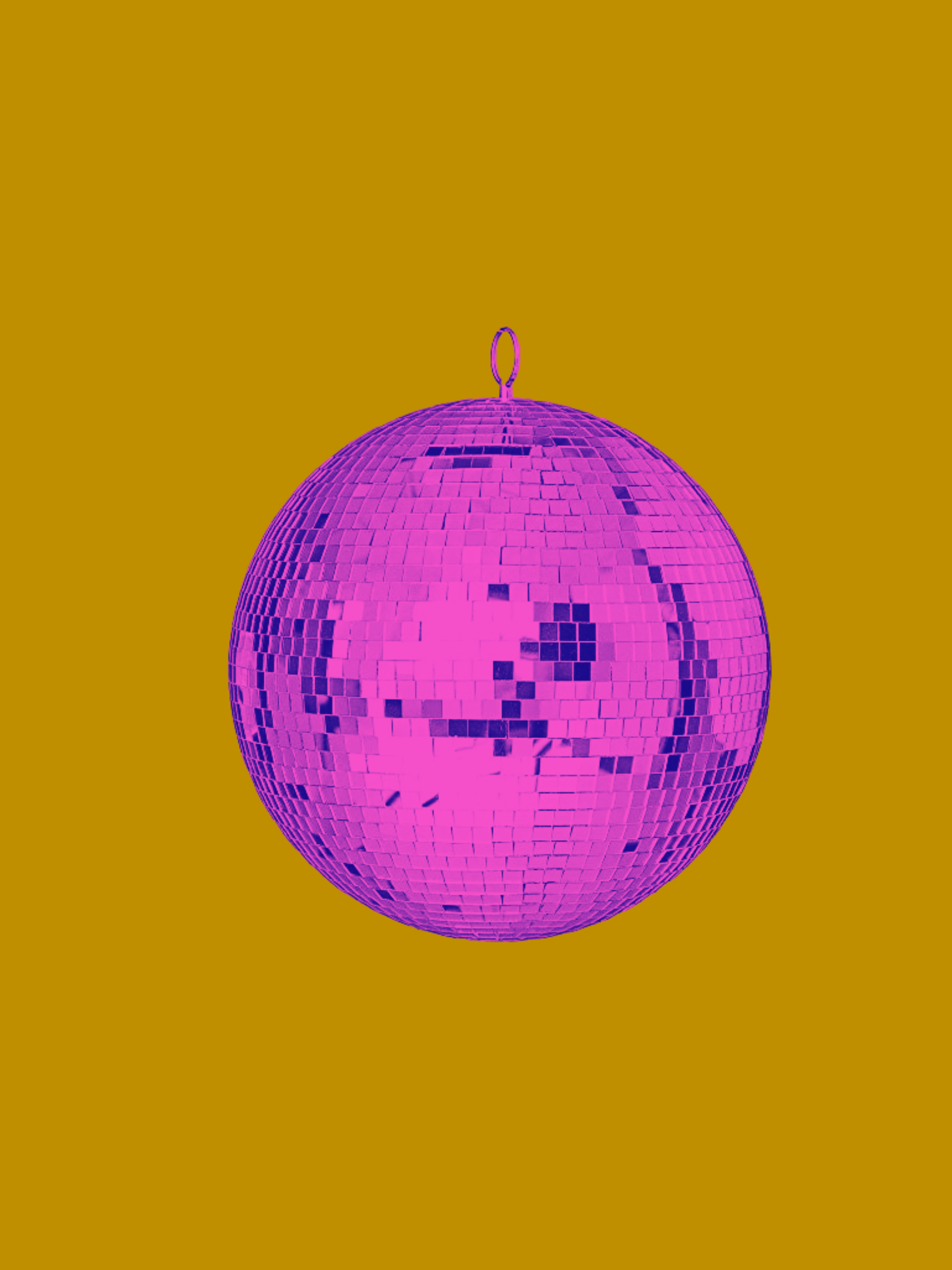
Magenta ball on a brown background
The Great Disco Ball of Space, Ibiza
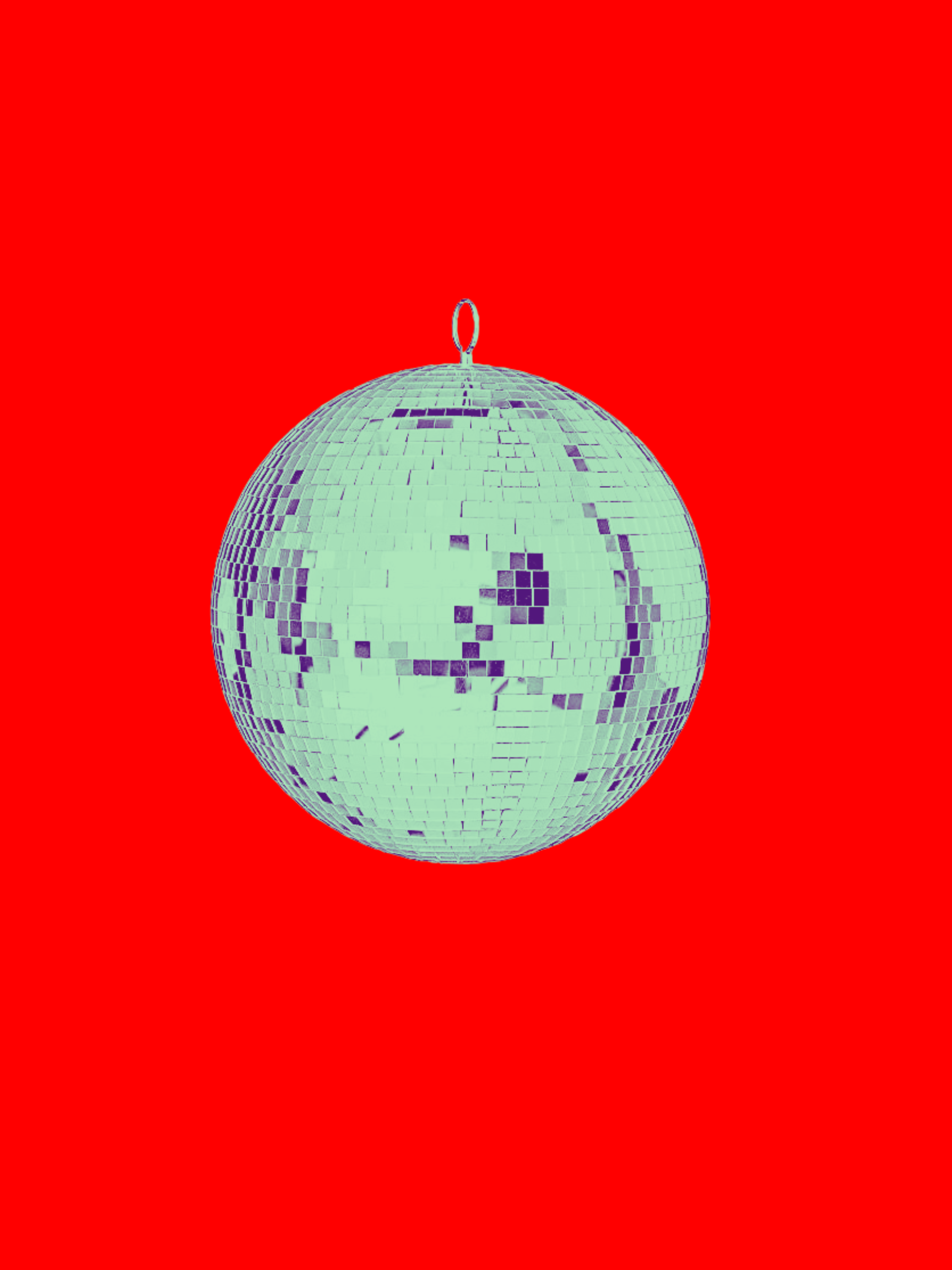
Light toothpaste green disco ball on a bright red background
The Great Disco Ball of the Limelight, New York City, NY, USA
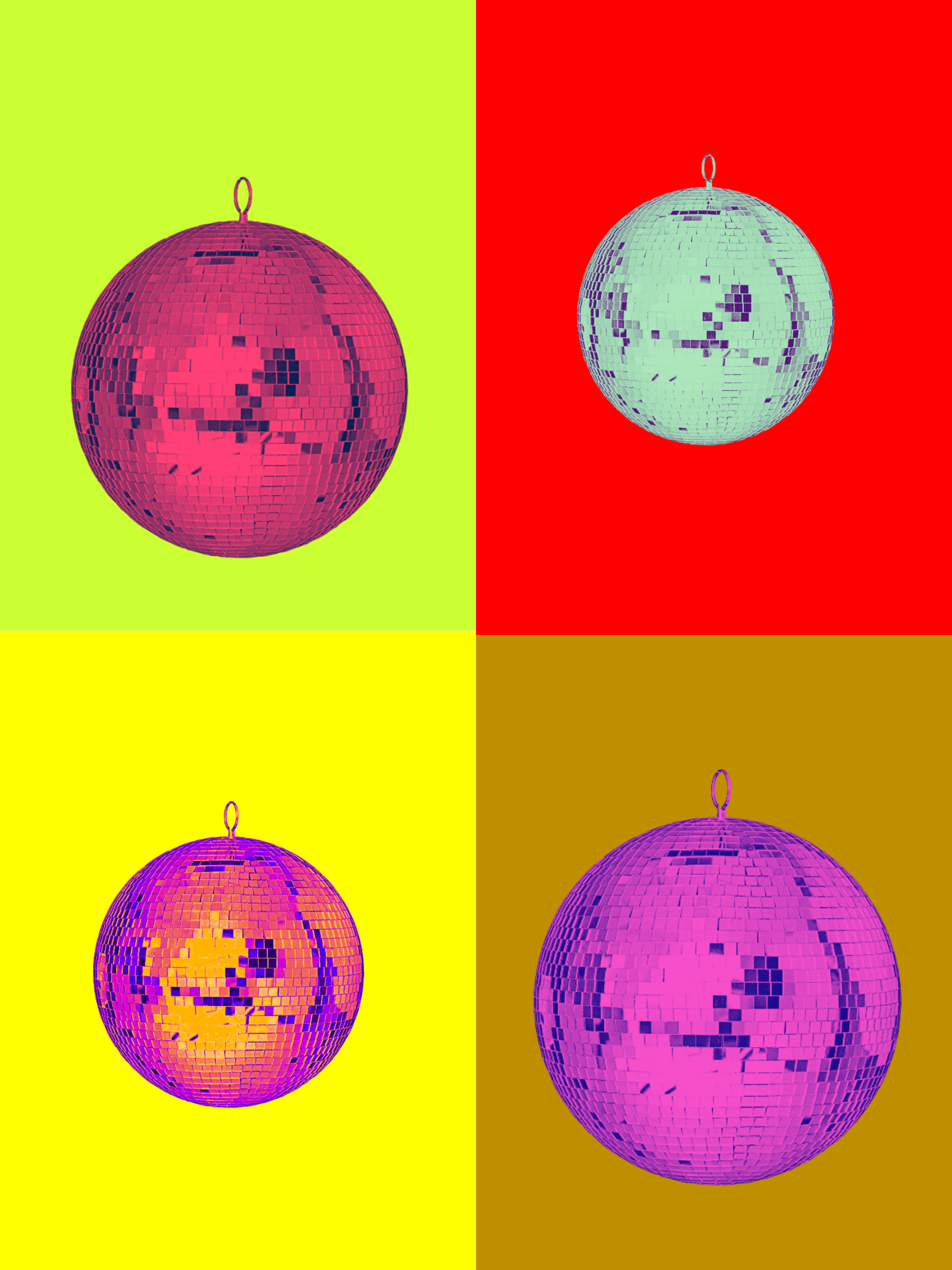
Four quadrants, each displaying one of the disco ball photos on its background.
The Great Disco Balls #2

"My disco ball series is inspired by Andy Warhol’s painting/wood cut of Marilyn Monroe Andy Warhol Marilyn Monroe (masterworksfineart.com). Like Andy, I created four separate disco ball images and then in a new image combined all four images. I chose the background to have a contrasting color to the central disco ball. I find contrasting colors by using the color wheel and doing a google search “what is the opposite of a color (e.g., blue)." To place the disco ball in the center of the page, I used Canva, editing the disco ball image to be aligned to the center. The works were named by concatenating the prefix “The Great Disco Ball of” with the suffix from the google search, “what were the most famous discotheques?” and picking among the top 20 that were in different continents."

Poetry from Abigirl Phiri

Sia

Sia in the music industry is the seer
And you don’t need any beer
To hear
Her heart wrenching dulcet tones that as l pen this piece are here

I can see the rainbow
We will take a bow
For her crafty work which are like a drawn bow
Ready to spring into action of taking and sweeping the masses of their feet, wow

She has the gall to raise her voice at a falsetto pitch
That will have those with the temerity to emulate her ditch it
Her songs do not have any kind of glitch
As electronic executed they are perfectly flawless and you won’t flinch

Instead you will sing along at the top of your voice
It will melt even the ice
You will have a paradise slice
Listening at Sia’s vocals at no exorbitant price  


Makhadzisa

She sings like a bird
And her songs continue to be heard and played
She is the queen of the Venda born and bred
With teachings that value families and how they should be fed

We will continue to sing her praise
Because she sings with so much grace
Touching the hearts of the young and old, vanquishing dread
As the music flows in our bodies, tightly and loosely clad

Such kind of music is for the Gods
This is why we listen in hordes
Addicted to her tunes on repeat in spades
Glad that there are still singers that inspires confidence in the trade

All hail Makhadzisa
A symbol of how hard work pays
For that reason she is here to stay
And naysayers are not going to do anything about it, nay

Abigirl Phiri is a Zimbabwean prolific writer and a voracious reader. She interviews poet features in both the Mt. Kenya Times daily paper and the Diaspora Times Global weekly paper. More of her spoken word poetry can be found her YouTube channel Wordsareforever8462.

Poetry from Fay L. Loomis

Writing Poems While Asleep

she dreams of fragrant sausage
spitting in the frying pan
broken-hearted
she cannot eat it

another night she dreams
she is standing on her head
performing ablutions
in the nether regions

now she dreams of her kidnapped
therapist, ransom demanded
when not paid, he is returned
secrets are not


Sanctum Sanctorum

pull comforter over head
snuggle into dark hidey-hole

fade into the warmth 
of rhythmic breath

spin quiet 
into dreams


Cat’s Nip

white mantle
shrouds clear chalice

new elixir
for gut pain

cat bounds to counter
tips over brew

body tenses
pink tongue licks

sodden feet whisk 
through cat door

she’d rather die 
then take the waters

Fay L. Loomis, member of the Stone Ridge Library Writers and Rats Ass Review Workshop, lives a quiet life in upstate New York. Her poetry and prose appear in Best of Mad Swirl 2022, Herbs & Spices Anthology (Highland Park Poetry), As It Ought To Be Magazine, Down in the Dirt, Five Fleas, W-Poesis, Spillwords, and elsewhere.

Synchronized Chaos Mid-September issue: This Mortal Coil

First of all, an announcement: I (editor Cristina Deptula) am going to be providing accessibility support on Zoom for Art and Mind 2023, which is an amazing virtual showcase of art, music and writing centered on BIWOC creators and how their art helps them heal themselves and others. All are welcome and this is Thursday, October 5th, 6:30 to 8:30 EST (New Hampshire time).

The poster is a digitally drawn sunflower field. These sunflowers are a mustard yellow with orange highlights. The centers of the sunflowers are brown and black. The sunflowers fade into the background, leading to green and grey mountains with an abstract curly pattern at their bases. The mountains are rounded at the top, and fade into a whitish green. The sky is blue with white paint splotches and swirls as clouds.

Three mustard yellow circles are lined up in the middle of the poster with white outlines. Inside each is text about the event. Under the left circle is the Sistas Uprising Fund logo

At the very bottom is a white bar with the Brain Arts Org logo & Dancing Queerly Boston logos. It also states info about accessibility at the event


The graphic says at the top:
Sista Creatives Rising Presents: Art & Mind I Know Who I Am! Journeys of Women of Color & Femme-Expressing Creatives. Virtual Fundraiser & Film Event.

The Art & Mind logo is hand drawn white text with a black outline. It’s slightly curved. Green vines are intertwined into the logo, with two large sunflowers at either side of the logo.

Left circle: Sista Creatives Rising
A Black Owned Project Fundraising For Our Sistas Uprising Fund. 100% of proceeds become grants for BIPOC artists.

Middle Circle: A Virtual Disability Centered Documentary Event. Showcasing 5 Creatives Utilizing The Healing Power of Art & A Disabled Black Woman’s Journey Through The Pandemic & Cancer.

Right Circle: Featuring Black Speakers - Covid Conscious Therapist Amanda McGuire, MC and QTBIPOC Therapist Journee LaFond, Disability Activist & Poet Jacquese Armstrong

Bottom left corner says: Thursday October 5th 6:30 - 8:30 PM EST. Donations Optional. Get free tickets and/or donate: givebutter.com/IKnowWhoIAm

Asl by Pro Bono ASL
Open Captioning
Auto Captioning

“Art & Mind,” is a virtual Zoom disability-accessible film event series supporting creative marginalized women and marginalized genders to share their journeys. This event uses short films, documentaries, entrepreneur features, and speaking engagements from professionals such as therapists and activists to raise awareness about social issues these creatives face.

Tickets are free but they accept donations towards the fund they are developing to give artist grants to low-income BIWOC artists. They have a $1000 fundraising goal and so far have reached $711.

I’ve known the mother and daughter pair, Amaranthia and Claire, who are organizing this show, for several years through the art and writing world. They put a lot of heart and thought and research into this, and I encourage you to come see it!

Also, our October issue will have the theme of Electronica: Sound Medicine, edited by Kahlil Crawford, and will encompass themes of electronic music, music in general, the intersection of music and writing and other forms of art, and writing/music/art/technology. Submissions related to the above themes that touch on Indigenous People’s Day in mid-October are also welcomed. Please submit to synchchaos@gmail.com with “Electronica” in the title.

Red and black graphic with the words Sound Medicine in white and all caps surrounding a yellow and black vinyl record.
http://soundmedicine.art

Third, our contributor Mantri Pragada Markandeleyu seeks a songwriter with whom to collaborate to set his Bollywood-style lyrics to music! Here is his information if you are interested.

Finally, we at Synchronized Chaos Magazine acknowledge that as well as artists and writers and creatives, we are members of the broader human community. And right now the community is affected by the earthquake in Morocco and the flooding in Libya. We express our sorrow at the loss of life and property and encourage people to contribute if they can towards the relief and recovery efforts. Information on how to do that here.

This issue’s theme is This Mortal Coil. A reference from Shakespeare’s play Hamlet, where the titular character considers whether to continue his life, the phrase has come to signify the struggles and complexities of life.

In this issue, our contributors illustrate and grapple with various physical and psychological aspects of existence, or nonexistence.

Hexagonal tunnel descending down to a black hole. Wallpaper lined with squares. Abstract images.
Image c/o Piotr Siedlecki

Lilian Dipasupil Kunimasa shares a basic universal statement: how we all face death and need love. Maja Milojkovic’s pieces call us to remember who we really are, at a personal and universal level.

Mark Young ponders physical aging and mortality in a piece inspired by a lizard, which he wrote as a teen and reflected on in his older age. Grzegorz Wroblewski reminds us to enjoy life while we can, as it’s impermanent.

Shamsiya Khudoynazarova Turumovna encourages faith and trust over the ups and downs of life. Mirta Liliana Ramirez asserts her existence and place in this world while acknowledging her Creator for animating her spirit.

Jim Meirose’s surreal story conveys the unease of losing control over one’s body and mind during surgery. Filip Zubatov relates a common struggle, failing in one’s best-laid plans to wake up early. Ari Nystrom Rice narrates an experience of insomnia.

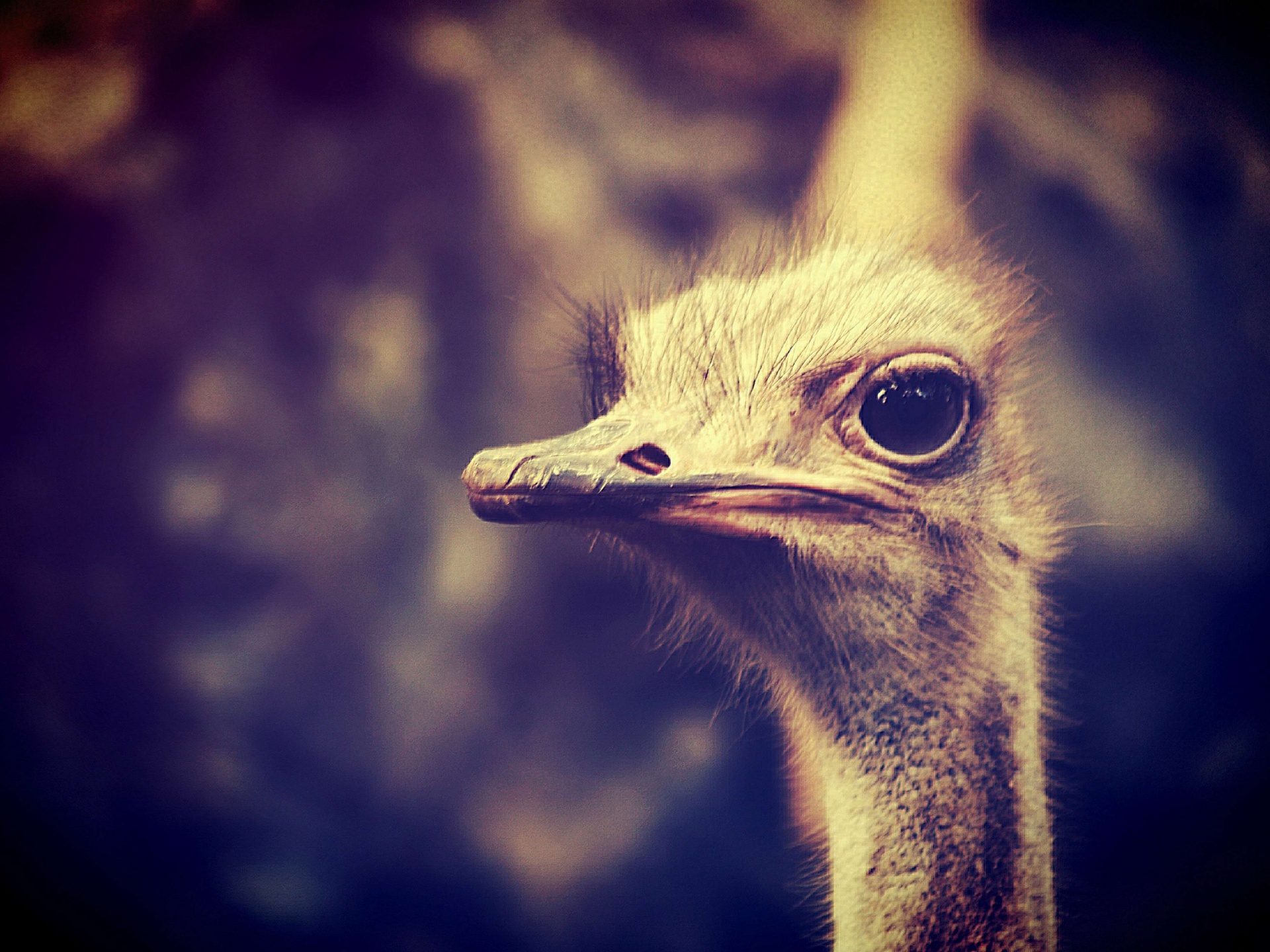
Skye Preston’s poignant piece on a flightless bird speaks to how disabilities can cut to the heart of our identity and self-perception. Kendall Snipper presents a person’s spiritual death due to their self-doubt.

Closeup of an ostrich head with a large open eye. Whiskers and feathers and a hazy natural background.
Image c/o icon0.com

Cody Tse’s speaker compares himself to a floor covered by a decorative rug: useful rather than ornamental, but often overlooked. Mary Acosta speaks to the pain of being forgotten and unheard.

Celeste Alisse writes of the struggle to be heard and seen, the lengths we go to in performing and sharing our pain in order to be noticed. Zofia Mosur expresses her rage at being trapped in a world not of her choosing and blamed for problems not of her creation, as well as the common artist’s angst at not meeting her own standards.

Daniel Aondona relates his physical, embodied grief at living in a war-torn country. Zahro Shamsiyya looks outward at the multitude of sorrows concealed by night within her city of Tashkent, and the whole world.

Taylor Dibbert describes confused, alienated travelers just returning to the airport after long periods of isolation, playing the role of clueless Americans. Sayani Mukherjee’s poem shares her love for Paris, spring, and the color pink.

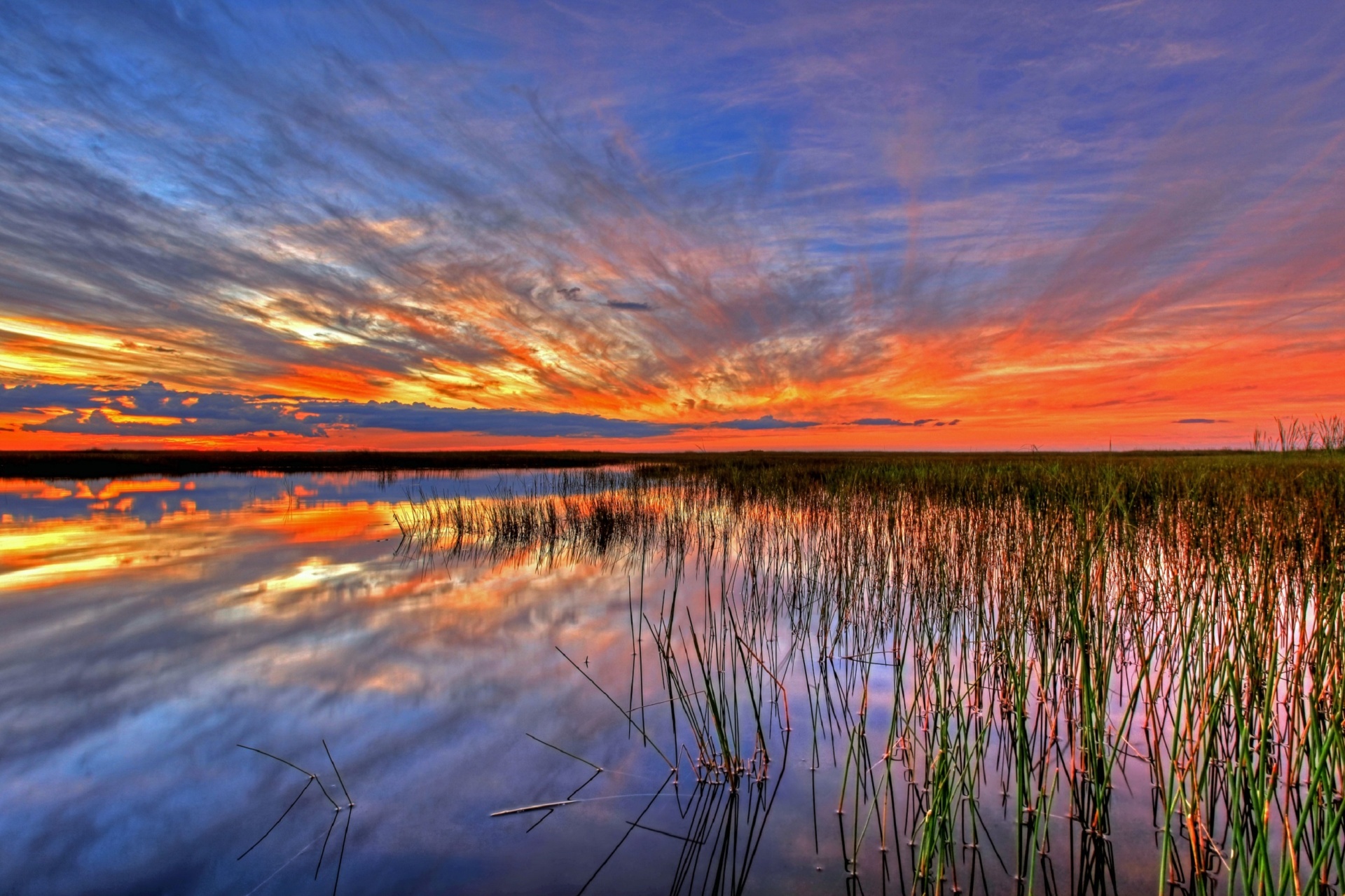
Brian Barbeito sketches his observations of Vegas, focusing in on various individuals at a physical and spiritual level. In his photography, he evokes the spirit of places with basic natural elements, clouds and water and light.

Orange and white sunset and blue sky and a few wispy gray clouds over a watery swamp with cattails. Florida Everglades.
Image c/o Jean Beaufort

Mahbub Alam writes of growth from the refreshing natural nourishment of rain. Vandana Kumar recollects the endless rain of last winter in her lament. J.D. Nelson notices the imminent passage of summer into fall.

Don Bormon illustrates the glory and majesty of trees. Channie Greenberg splashes the screen with her colorful flowers.

Isabel Gomez de Diego contributes somewhat domestic scenes of cows, pans, and fish. Daniel De Culla’s photographs, which include taxidermied boar’s heads, juxtapose reminders of wildness with indoor calm and prettiness.

Marley Manalo observes nature closely, wanting to be seen at the same level of detail rather than just enjoyed as a pretty object.

Alma Ryan’s poem speaks to the simple joys of surfing and togetherness. Kristy Raines evokes a deep and emotional love connection while Graciela Noemi Villaverde expresses the hope of reunion with a loved one after long absence in pieces laden with nature imagery. Anindya Paul’s love for nature and for other people meld into one and the same feeling, while Gustavo Galliano exalts the mystical and physical communion of lovers amid the clouds and the deep night. Annie Johnson also describes long term communion with a partner and with nature. Mesfakus Salahin encourages a lover to return so they can together bring light to the world.

Two figures in a boat with oars off in a lake at sunrise or twilight. Land off in the distance, everything is blue or shadowy black.
Image c/o Mohamed Mahmoud Hassan

Fay Loomis’ Bali travelogue shares how she started to let go of rigid expectations (her own and others) and embraced a softer, more dreamlike and natural schedule.

Hongri Yuan, in poetry translated by Yuanbing Zhang, also escapes the rigid counting of minutes and seconds to find spiritual transcendence in the past and the future.

Patrick Sweeney’s little vignettes also slip the bounds of rationality, merging the familiar with the outlandish or cataclysmic.

Jerry Durick conveys the surreal experience of reading, of imagining oneself as someone else, shifting one’s sense of time and place. Gabriel Flores Benard illuminates the flickering and transitory life of a fictional character, existing only in our imperfect memories. Monira Mahbub wishes for a variety of natural and fanciful things in her short but evocative poem.

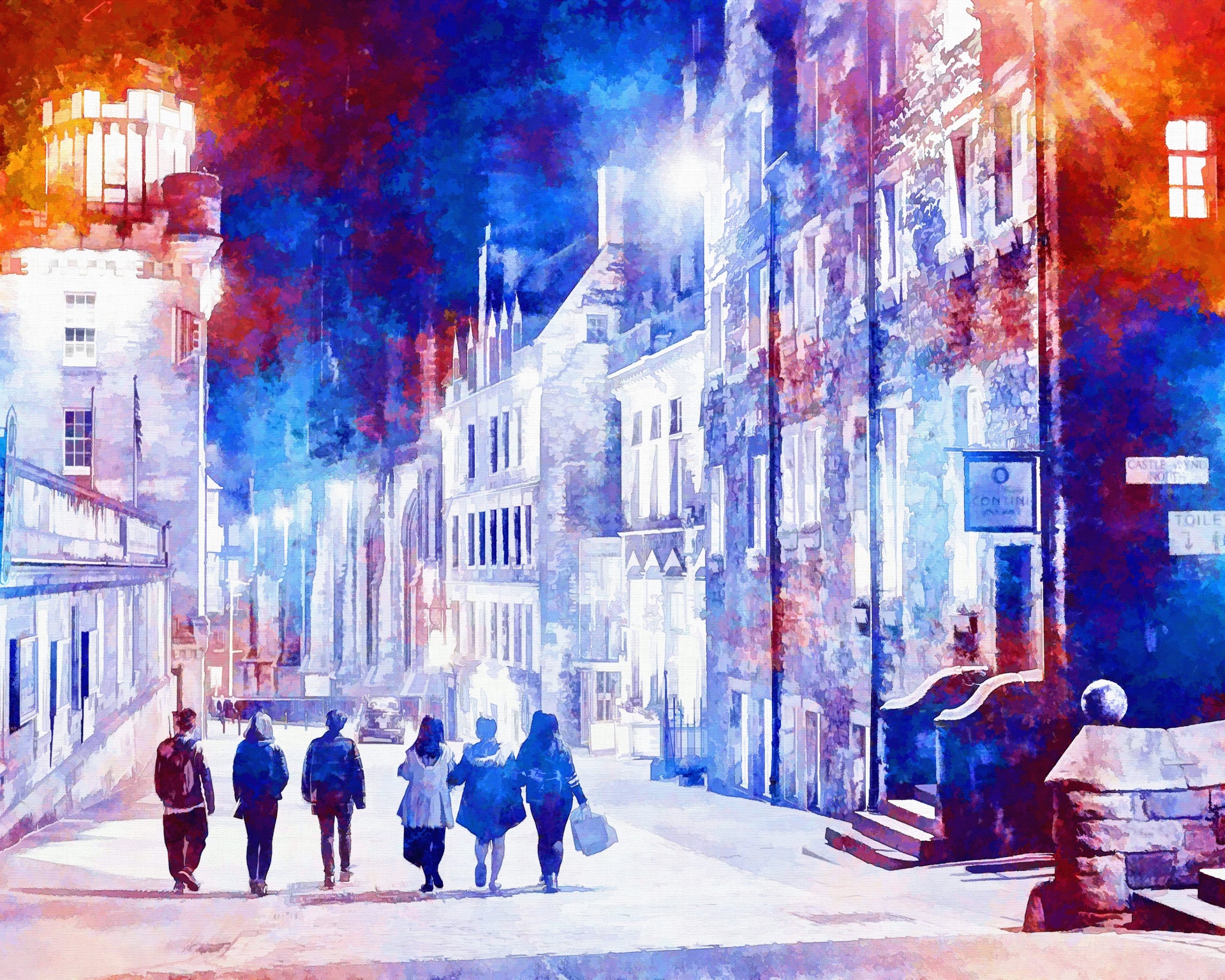
Peter Cherches’ stories probe the familiarity and mystery of neighbors. How well do we know the people we think we know, whom we see every day?

Surreal nighttime watercolor-ish image of a city, white, red, and blue from streetlights and shadows. Buildings are several stories tall and close together, six people walk off into the distance.
Image c/o Ken E.

Grant Guy’s nearly nihilistic black-and-white humorous pieces point out the potential absurdities in artistic expression, in contrast to the often explicitly meaningful and message-centric art outlined in Alec Dunn and Josh MacPhee’s Journal of International Political Graphics, reviewed here by A. Iwasa.

Mykyta Ryzhykh’s modernist, absurdist lowercase poetry reminds us there is life in the midst of death, ugliness in the midst of beauty.

Robert Ronnow’s poetic speakers peruse their complex natural and human landscapes, classifying and observing, speculating on their place in the world and how they should live.

Muhammad Ehsan Khan suggests in his essay that compassion and wise and considerate actions begin with empathy.

Nurujjaman writes of the development of character, will, and perseverance. Iftikhar Zaman Ononno talks about what it takes to be a good citizen. Tanvir Islam describes a deep connection with a true friend.

Silhouettes of six people of varying heights walking off towards a sunrise or sunset on a sandy beach. Sun is slightly shielded by a middle person.
Image c/o Omar Sahel

Mantri Pragada Markandeyulu shares wisdom on developing character and inner peace. His story “Vishal and the Evil King,” reminds those in power that duty to those they govern is more important than their own fleeting sensual pleasures.

Pascal Lockwood-Villa’s poetry illustrates how one’s childhood experiences cast a long shadow over who we are. For this reason, several authors highlight the consideration we should show for children and young people.

Tasirul Islam looks into how to be a good teacher. Mustafayeva Feride urges teachers to show care and dedication for students. Abdullah Al-Mahin reminds us not to underestimate the contributions young people make to our world.

Abdullah Al Mamun offers love and thanks to his mother. Mr. Ben’s book The Darn Things Kids Say includes children’s candid thoughts about their parents. Rasheed Olayemi puts out a call to help struggling widows, especially those with young children.

Sabrid Jahan Mahin illustrates the personal and intellectual growth that can come through reading.

Two light skinned people using laptops at desks not facing each other. Both have lightbulbs for heads and electricity is passing between them. Brick wall in the background.
Image c/o Mohamed Mahmoud Hassan

Andrea N. Carr encourages young adults, and all people, to follow one’s dreams and carefully select those who will advise us. Asadova Sabina highlights the importance of setting goals in life.

Ali Haider’s story demonstrates how laziness and revenge can have evil consequences. Stephen Bruce wryly points out how we escape responsibility by blaming our choices and circumstances on others and bad luck.

Guzal Botirova reminds us that the highest profession and calling is being a good and considerate human.

Akhlima Ankhi’s poem is a lament over global climate change and human degradation of the natural world. Nahyean Bin Khalid’s time travel story illustrates the risk of technological advancement without parallel advancement in our humanity and conscience, including our treatment of the environment. At the same time, Adhamova Laylo Akmaljon qizi reminds us that technology, when properly used, can be interesting, with her description of how a television set works.

Mahmudul Hasan Fahim’s horror story poses the existential threat of zombies, and probes what dies inside of you when you become the kind of person who can easily kill them.

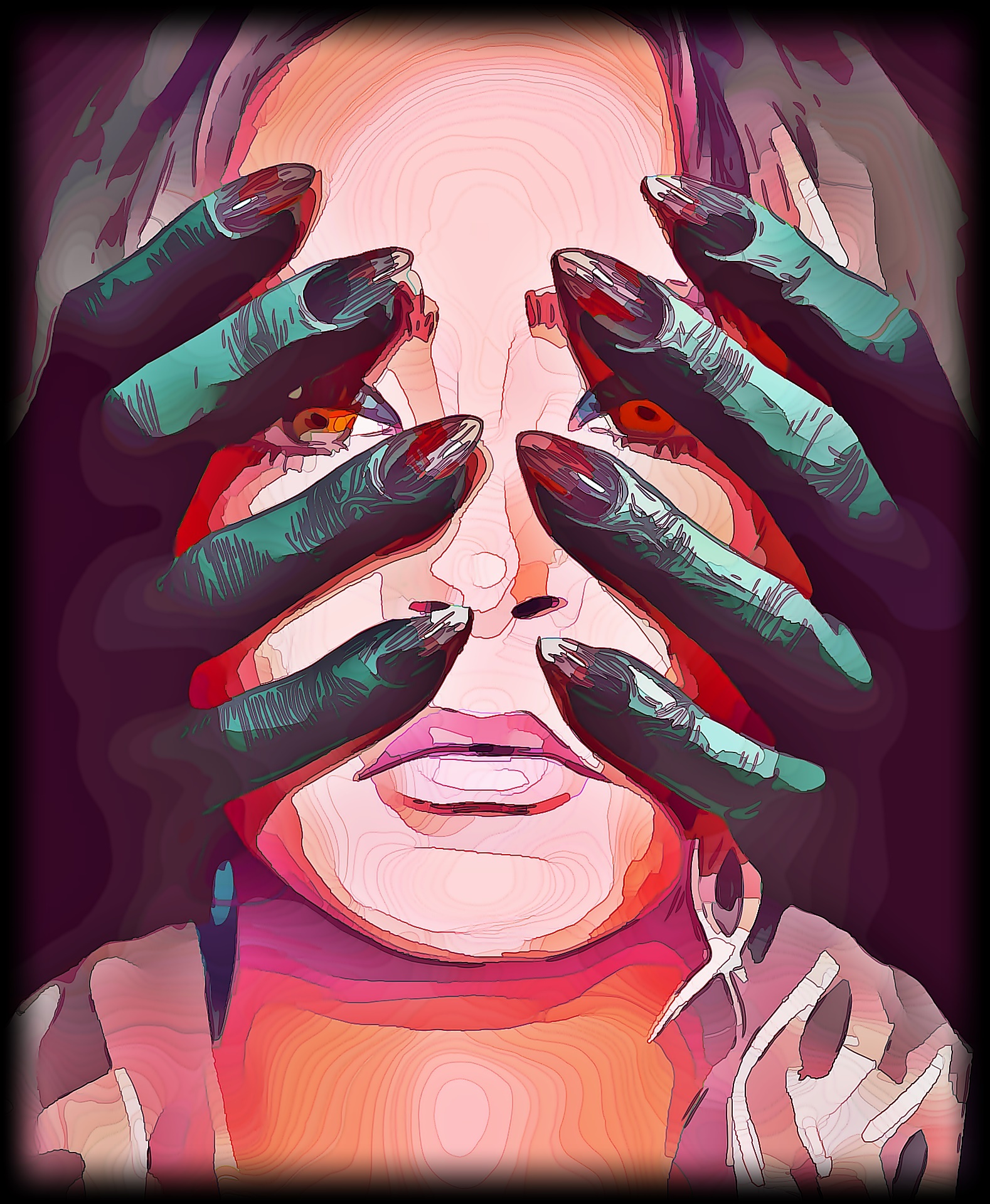
Green fingers of a monster with red nails grab a woman's face from behind. She's got lighter skin, brown hair, wide open eyes and a sad face.
Image c/o Lea Leani

J.J. Campbell writes of his isolation, his inspirations, and how memory can be a curse. Jerry Langdon’s poetic pieces reflect his speakers’ desire to escape their lives and free themselves from memories of past violent trauma.

Sukhrob Saidov also deals with historical memory, reviewing the documentary “Before Stonewall” and its articulation of LGBT history and journey towards equality.

Diyora Umarkulova explores the history of the English language and its borrowing from other languages. Nadira Oktamavna and Umrbek Ibragimov trace the development of Uzbek historiography.

Z.I. Mahmud traces Jane Eyre’s character development in the eponymous novel, which, unusually for its time, highlighted the journey of a regular person as having literary merit and being memorialized.

Elmaya Jabbarova’s piece comes from a one-time lover urging a former partner to remember the good times they shared. Ahmad Al-Khatat’s romantic poems also commingle love and memory, mixing loss and grief, reconnection and longing.

Duane Vorhees speaks to romance, wisdom, aging, learning, and spirituality.

Tolipova Zebuniso Ulug’bekovna concludes the issue with a simple poem with her wishes on how she would like to be remembered. We hope that this issue provokes and inspires thoughts of a similar nature for all of our readers.